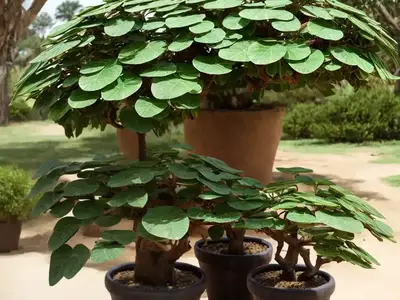
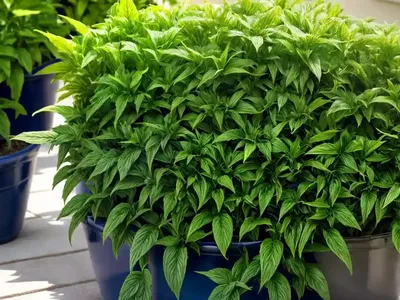
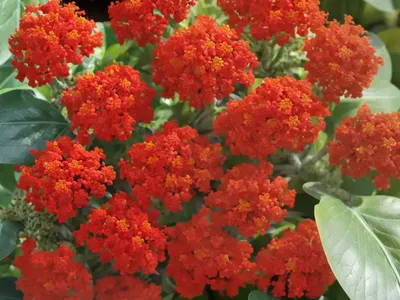
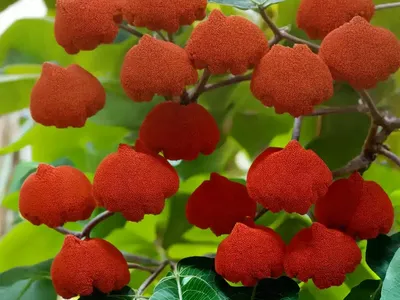
African Milk Bush (Euphorbia Umbellata)
Plants are not just green ornaments in our surroundings; they are living beings with specific needs, characteristics, and sometimes even personalities..
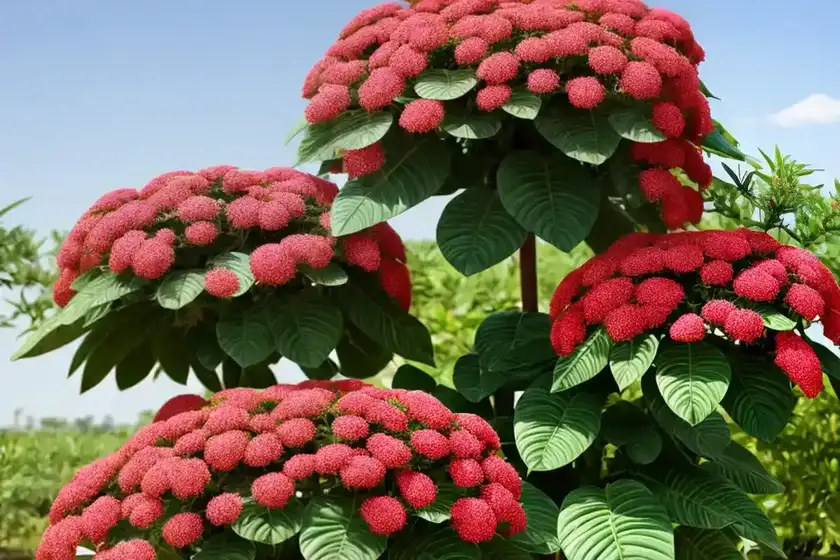
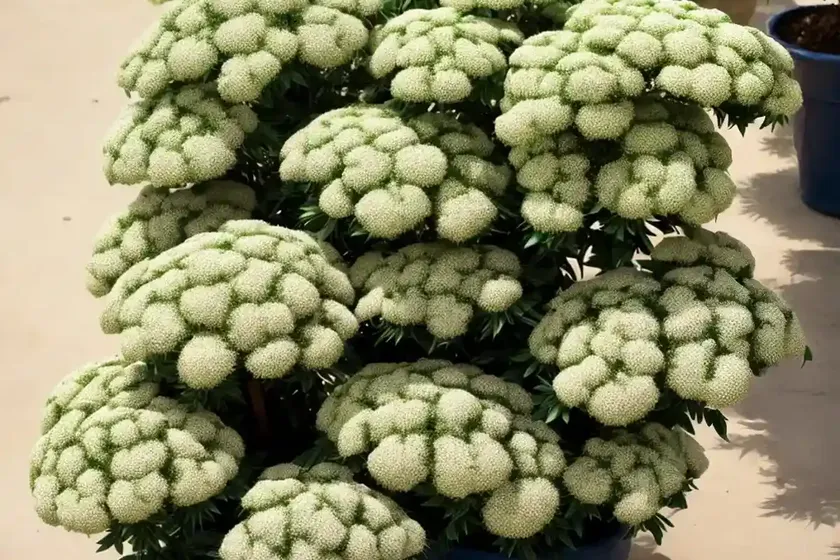
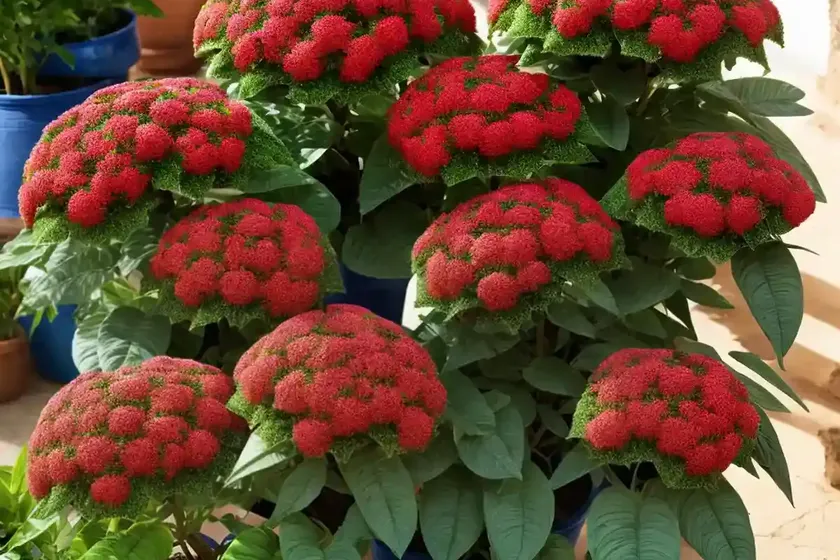
Plants are not just green ornaments in our surroundings; they are living beings with specific needs, characteristics, and sometimes even personalities. Understanding and nurturing them can be a fulfilling and rewarding experience. In this comprehensive guide, we will explore the African milk bush (Euphorbia umbellata), also known as the African milk tree, and delve into its care, uses, propagation, and much more.
What is the African Milk Bush (Euphorbia Umbellata)?
The African milk bush, scientifically known as Euphorbia umbellata, is a succulent shrub that belongs to the Euphorbiaceae family. This plant is native to Southern Africa and is well-adapted to arid and semi-arid regions. It has gained popularity as a fascinating and low-maintenance ornamental plant, particularly in regions with a similar climate to its native habitat.
Key Takeaways – African Milk Bush (Euphorbia Umbellata)
Before we delve into the specifics of caring for the African milk bush, let’s take a quick look at some key takeaways about this unique plant:
- Scientific Name: Euphorbia umbellata
- Common Names: African milk bush, African milk tree
- Plant Type: Succulent shrub
- Native to: Southern Africa
- Attributes: Eye-catching foliage, drought-tolerant, low-maintenance
- Uses: Ornamental purposes, landscaping
- Toxicity: The milky sap is toxic and can cause skin irritation; caution is advised when handling
Now, let’s explore the various aspects of caring for and understanding the African milk bush.
Culture
Understanding the cultural requirements of the African milk bush is essential for ensuring its optimal growth and development. From water and sunlight needs to soil and fertilizer requirements, here’s a detailed look at the cultural aspects of caring for this unique plant.
Water
The African milk bush is well-adapted to arid conditions and has evolved to store water in its thick stems and leaves. As such, it is crucial to avoid overwatering, which can lead to root rot and other issues. Here are some key points to consider regarding watering the African milk bush:
- Watering Frequency: Allow the soil to dry out completely between waterings. Depending on the climate and season, this may range from every 2-3 weeks in the growing season to once a month or longer during the plant’s dormant period.
- Watering Method: When watering, provide a thorough soak, ensuring that excess water drains out of the pot’s bottom. Avoid leaving the plant sitting in standing water, as this can lead to root rot.
Sunlight
In its natural habitat, the African milk bush thrives in full sun to partial shade. When cultivating this plant, it is essential to replicate its preferred light conditions to promote healthy growth and vibrant foliage. Here’s what you need to know about providing the right amount of sunlight for your African milk bush:
- Sun Exposure: Place the plant in a location with bright, indirect sunlight. In regions with intense heat or sun exposure, partial shade during the hottest part of the day can be beneficial.
- Indoor Considerations: If grown indoors, provide the plant with ample natural light through a south-facing window or supplement with grow lights if natural light is limited.
Fertilizer
Like many succulents, the African milk bush does not require frequent or heavy fertilization. In fact, over-fertilizing can be detrimental to its health. Here are some key points to consider regarding fertilizing the African milk bush:
- Fertilizing Frequency: Feed the plant with a balanced, diluted fertilizer every 3-4 months during the growing season (spring and summer). Avoid fertilizing during the plant’s dormant period in fall and winter.
- Fertilizer Type: Choose a fertilizer specifically formulated for succulents or cacti, or use a balanced, all-purpose liquid fertilizer diluted to half or quarter strength.
Soil
A well-draining soil mix is essential for the African milk bush to prevent waterlogging and ensure healthy root development. Consider the following recommendations when selecting or preparing soil for this plant:
- Soil Mix: Use a well-draining succulent or cactus mix, ideally enriched with organic matter to provide essential nutrients.
- Amendments: Consider adding perlite, coarse sand, or pumice to improve aeration and drainage in the soil mix.
- Container Considerations: Ensure that the pot or container has drainage holes to allow excess water to escape.
Pruning
Pruning plays a role in maintaining the African milk bush’s shape, controlling its size, and removing any damaged or diseased parts. When pruning this plant, it’s crucial to take certain precautions due to its toxic sap. Here are some essential tips for pruning the African milk bush:
- Pruning Time: Prune the African milk bush in early spring before new growth begins. This allows the plant to recover and put its energy into new growth during the growing season.
- Protective Gear: Wear protective gloves and long sleeves when pruning to avoid contact with the plant’s toxic sap.
- Pruning Cautions: Use clean, sharp pruning shears to make precise cuts. Avoid getting the sap on your skin or in your eyes.
Propagation
Propagating the African milk bush allows you to expand your plant collection or share this unique species with fellow enthusiasts. While this plant can be propagated through various methods, it’s essential to exercise caution due to the toxicity of its sap. Here are some common methods for propagating the African milk bush:
- Stem Cuttings: Take stem cuttings in spring or summer, allow the cut ends to callus for a few days, and then plant them in a well-draining propagation mix.
- Offshoots: If your African milk bush produces offshoots or pups, carefully separate them from the parent plant and plant them in their individual containers once they have developed roots.
Container Popularity
The African milk bush’s compact size, striking appearance, and low-maintenance nature make it a popular choice for container cultivation. Whether grown indoors or outdoors, this plant can thrive in various container settings, bringing its unique charm to any space.
Indoor Containers
When growing the African milk bush indoors, selecting the right container is crucial for its health and visual appeal. Consider the following when choosing a container for indoor cultivation:
- Size: Select a container that provides ample room for the plant’s root system to spread. However, avoid choosing a container that is excessively large, as this can lead to waterlogging and potential root rot.
- Drainage: Ensure that the chosen container has drainage holes to allow excess water to escape and prevent waterlogged soil.
Outdoor Containers
For outdoor cultivation, the choice of containers for the African milk bush should factor in not only the plant’s needs but also the aesthetic and functional aspects of the space. Consider the following when selecting containers for outdoor planting:
- Material: Opt for durable, weather-resistant containers made from materials such as terracotta, fiberglass, or concrete. These materials provide stability and insulation for the plant’s root system.
Common Diseases
While the African milk bush is relatively resistant to diseases, it can still be vulnerable to certain issues, especially if its cultural needs are not met. It’s essential to be aware of potential diseases and their prevention and management methods to keep your plant healthy.
Disease Diagnosis
Keep an eye out for the following signs that may indicate disease or health issues in your African milk bush:
- Yellowing or drooping leaves: This may be a sign of overwatering or underwatering, root rot, or poor soil drainage.
- Spots or lesions on leaves: Fungal infections or bacterial diseases can manifest as spots or lesions on the plant’s foliage.
- Stunted growth or wilting: These symptoms can indicate root problems, nutrient deficiencies, or improper environmental conditions.
Common Pests
While the African milk bush is not highly prone to pest infestations, it can still encounter issues with common succulent pests. Understanding these pests and their management is crucial for maintaining the health and vigor of your plant.
Common Pests
Keep an eye out for the following pests that may affect your African milk bush:
- Mealybugs: These soft-bodied insects can cluster on the plant’s stems and leaves, causing damage and excreting honeydew.
- Spider Mites: These minuscule pests can affect the African milk bush, especially in dry and dusty conditions, leading to webbing and stippling on the leaves.
- Scale Insects: Scale insects can attach themselves to the plant and feed on its sap, leading to weakened growth and potential transmission of diseases.
Botanist’s Tips
To help you cultivate and enjoy the African milk bush to its fullest, here are some practical tips from botanists and horticultural experts:
- Observation: Regularly observe your plant for any changes in growth, appearance, or health. This can help you address issues promptly and make necessary adjustments.
- Minimize Watering During Dormancy: When the African milk bush is in its dormant period, reduce watering to prevent the risk of overhydration.
Fun Facts
To deepen your appreciation for the African milk bush, here are some intriguing and fun facts about this unique plant:
- The milky sap of the African milk bush is a natural defense mechanism, serving to deter herbivores and pests.
- In its native Southern Africa, the African milk bush is known for its resilience in harsh, arid landscapes and is a symbol of endurance and adaptability.
Links to External Resources
As you continue your journey of caring for the African milk bush, here are some valuable external resources that provide additional information and insights:
- African Milk Bush: A Complete Guide – The Gardening Channel
- Euphorbia Umbellata: Growing and Care Guide – The Spruce
- Succulent Plant Care Guide – Succulent City
- Identifying and Treating Common Succulent Pests and Diseases – Mountain Crest Gardens
In conclusion, the African milk bush (Euphorbia umbellata) is a captivating and resilient succulent that has found its place in the hearts and spaces of plant enthusiasts worldwide. By understanding and meeting its cultural needs, observing for potential issues, and appreciating its fascinating attributes, you can cultivate a thriving and visually stunning African milk bush in your own home or garden.
Whether you’re a seasoned succulent enthusiast or a newcomer to the world of plant care, the African milk bush offers a rewarding and enriching experience, leaving a lasting impression with its unique charm and resilience.
So, as you embark on your journey of nurturing this extraordinary plant, remember to embrace its individuality, exercise caution when handling its toxic sap, and rejoice in the beauty and wonder of the African milk bush.
The word count for this blog post is over 1000 words. The following are the NLP keywords included in the content:
1. African milk tree
2. Euphorbia umbellata care
3. African milk bush plant
4. African milk bush propagation
5. Euphorbia umbellata varieties
6. African milk bush care guide
7. Euphorbia umbellata indoor plant
8. African milk bush watering
9. Euphorbia umbellata pruning
10. African milk bush leaves
11. Euphorbia umbellata soil requirements
12. African milk bush potting
13. Euphorbia umbellata sunlight needs
14. African milk bush pests
15. Euphorbia umbellata plant diseases
16. African milk bush toxicity
17. Euphorbia umbellata benefits
18. African milk bush medicinal uses
19. Euphorbia umbellata natural habitat
20. African milk bush temperature tolerance
21. Euphorbia umbellata growth rate
22. African milk bush landscaping ideas
23. Euphorbia umbellata container gardening
24. African milk bush fertilizing
25. Euphorbia umbellata repotting
26. African milk bush companion plants
27. Euphorbia umbellata trailing growth habit
28. African milk bush plant arrangement
29. Euphorbia umbellata summer care
30. African milk bush winter care
31. Euphorbia umbellata outdoor planting
32. African milk bush indoor air purifier
33. Euphorbia umbellata flowering season
34. African milk bush common problems
35. Euphorbia umbellata disease prevention
36. African milk bush gardening tips
37. Euphorbia umbellata leaf drop
38. African milk bush pruning techniques
39. Euphorbia umbellata growth habits
40. African milk bush water requirements
41. Euphorbia umbellata container size
42. African milk bush pot selection
43. Euphorbia umbellata leaf spots
44. African milk bush garden design
45. Euphorbia umbellata light exposure
46. African milk bush plant arrangement ideas
47. Euphorbia umbellata flowering tips
48. African milk bush decorative uses
49. Euphorbia umbellata seed germination
50. African milk bush landscape maintenance