Annual Mercury (Mercurialis Annua)
Plants have been an essential part of human existence, providing food, medicine, and aesthetic beauty. Among the diverse array of plant species, Annual.
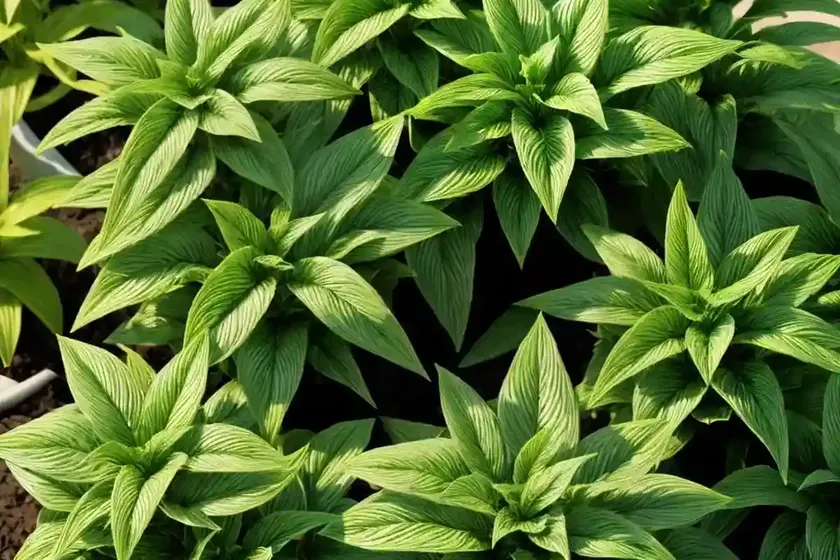
Plants have been an essential part of human existence, providing food, medicine, and aesthetic beauty. Among the diverse array of plant species, Annual Mercury (Mercurialis Annua) is a noteworthy addition. This plant possesses an intriguing combination of characteristics, uses, and cultivation requirements that make it a compelling topic for plant enthusiasts, gardeners, and herbalists. In this comprehensive guide, we will delve into the fascinating world of Annual Mercury, exploring its characteristics, cultivation, medicinal properties, folklore significance, and much more.
What is Annual Mercury (Mercurialis Annua)?
Before we delve into the specific aspects of growing and caring for Annual Mercury, it’s important to understand the plant from a botanical perspective. Mercurialis Annua, commonly known as Annual Mercury, is a species of flowering plant in the spurge family, Euphorbiaceae. It is native to Europe, North Africa, and Western Asia and has also been introduced to other regions of the world.
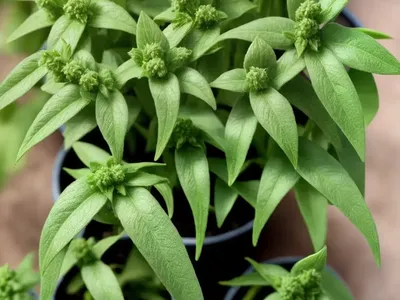
Annual Mercury is an annual herb that typically grows in damp, shady places. It is characterized by its delicate, lance-shaped leaves and small, greenish flowers. The plant’s reproductive strategy involves the production of small, inconspicuous flowers that give rise to seeds, facilitating its annual life cycle.
Key Takeaways – Annual Mercury (Mercurialis Annua)
To provide a comprehensive understanding of Annual Mercury, it is essential to explore various facets of this plant, including its cultural significance, uses, environmental requirements, and potential challenges in cultivation. Let’s delve into each of these aspects in detail.
Characteristics of Mercurialis Annua
- Physical Description: Annual Mercury is characterized by its slender, lance-shaped leaves and tiny greenish flowers. Its annual life cycle and preference for damp, shady habitats contribute to its unique characteristics.
- Biogeography: The native range of Annual Mercury includes Europe, North Africa, and Western Asia, although it has been introduced to other parts of the world.
- Reproductive Strategy: The plant’s annual life cycle involves the production of inconspicuous flowers that give rise to seeds, enabling its perpetuation in suitable habitats.
Growing Annual Mercury Plant
Cultivating Annual Mercury can be a rewarding experience, especially for those interested in exploring unique and lesser-known plant species. To successfully grow Annual Mercury, it is crucial to consider its specific cultural requirements, including water, sunlight, soil, and fertilizer needs.
Water
Proper watering is essential for the healthy growth of Annual Mercury. As a plant that is naturally found in damp habitats, it thrives in consistently moist soil. However, it is important to avoid waterlogging, which can lead to root rot and other issues.
A good rule of thumb is to water the plant thoroughly when the top inch of the soil feels dry to the touch. During the hot summer months, more frequent watering may be necessary to maintain adequate soil moisture. It’s important to strike a balance, ensuring that the soil remains consistently moist but not waterlogged.
Sunlight
Annual Mercury exhibits a preference for shady environments and thrives in partial to full shade. When grown in too much direct sunlight, the plant may suffer from scorching or heat stress. Therefore, it is best to select a location with dappled sunlight or partial shade for optimal growth.
Fertilizer
While Annual Mercury can grow in relatively nutrient-poor soils, it can benefit from a balanced and diluted fertilizer application during the growing season. A general-purpose liquid or water-soluble fertilizer can be applied according to the manufacturer’s instructions. Care should be taken to avoid over-fertilization, as excessive nutrients can lead to lush foliage at the expense of flowering.
Soil
The ideal soil for growing Annual Mercury is one that is rich in organic matter, well-draining, and consistently moist. A soil mix that retains moisture without becoming waterlogged is essential for the plant’s health. Amending the soil with compost or well-rotted organic matter can improve its water retention capacity and fertility.
Pruning
Annual Mercury generally does not require extensive pruning. However, removing spent flowers can encourage continued blooming and prevent the plant from directing its energy towards seed production.
Propagation
Annual Mercury can be propagated from seeds, making it a relatively straightforward plant to propagate. Sowing the seeds in well-prepared soil and maintaining adequate moisture levels will facilitate germination and establishment. Given its annual life cycle, Annual Mercury readily self-seeds, often returning in subsequent growing seasons if allowed to set seed.
Container Popularity
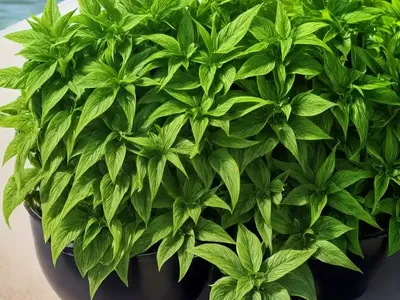
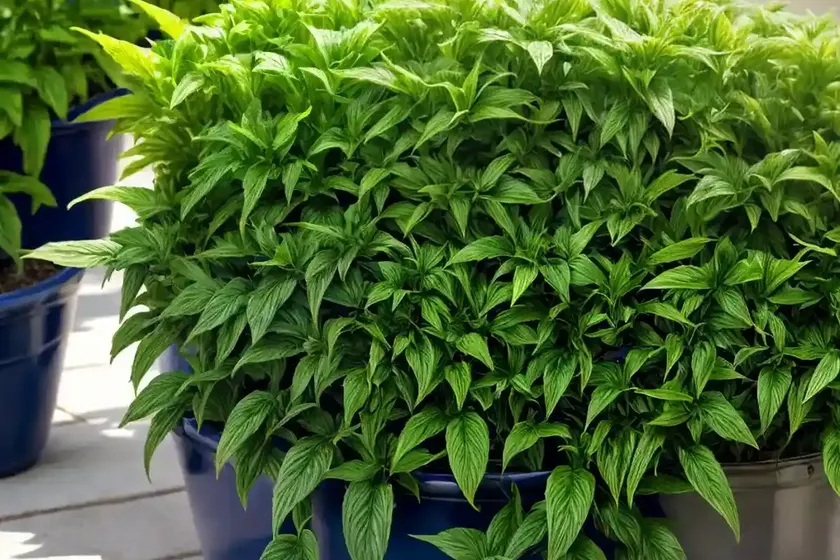
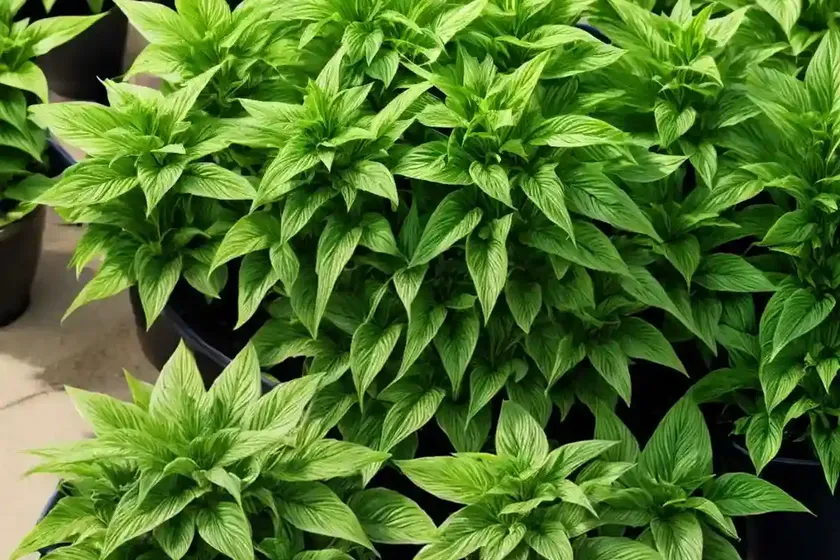
In garden and landscaping settings, Annual Mercury can be cultivated in containers to great effect. Its preference for shady locations makes it a suitable candidate for container gardening in areas with limited direct sunlight. The delicate foliage and unobtrusive flowers of Annual Mercury can lend an understated elegance to container plantings, particularly in shaded patio or courtyard settings.
Common Diseases
Like many plants, Annual Mercury is susceptible to certain diseases that can impact its health and vigor. Understanding these potential diseases and adopting proactive measures for prevention and management is crucial for successfully cultivating this plant.
Disease Diagnosis- Powdery Mildew: This fungal disease manifests as a powdery, white coating on the leaves and stems of the plant. It can inhibit photosynthesis and weaken the plant over time.
- Root Rot: Excessive soil moisture or poor drainage can lead to root rot, characterized by the browning and decay of the plant’s roots.
- Leaf Spot: Leaf spot diseases can cause circular lesions with distinctive margins on the foliage, impacting the plant’s overall aesthetics.
Common Pests
In addition to diseases, Annual Mercury may also be susceptible to certain pests that can affect its growth and appearance. Identifying and addressing pest issues in a timely manner is crucial for maintaining plant health.
Pest Control- Aphids: These small, sap-sucking insects can cluster on the tender shoots and undersides of the leaves, potentially causing stunted growth and leaf distortion.
- Spider Mites: These tiny arachnids can inflict damage by feeding on the plant’s chlorophyll, leading to yellowing and stippling of the foliage.
- Slugs and Snails: These mollusks are known to feed on the leaves of Annual Mercury, leaving behind characteristic irregular holes and damage.
Botanist’s Tips
For those intrigued by the unique attributes of Annual Mercury and keen on cultivating this plant, here are some practical tips to enhance the growing experience:
- Selecting a Suitable Location: Given its preference for shade and consistently moist soil, choosing an appropriate location for planting Annual Mercury is pivotal to its success.
- Monitoring Soil Moisture: Regularly checking the soil moisture levels and adjusting the watering regime accordingly is essential for maintaining optimal growing conditions.
- Proactive Disease and Pest Management: Regular inspection for signs of diseases and pests and promptly addressing any issues can help prevent the escalation of problems.
Fun Facts
- Annual Mercury has been historically associated with folklore beliefs and medicinal uses, adding to its cultural and historical significance.
- The plant’s preference for shady, damp habitats makes it a valuable addition to woodland gardens and areas with filtered light.
To gain a deeper understanding of Annual Mercury (Mercurialis Annua) and explore its various facets, let’s delve into its diverse uses and medicinal properties.
Uses of Annual Mercury
Medicinal Properties
Annual Mercury has been utilized in traditional medicine for various purposes, owing to its potential medicinal properties. While it is important to exercise caution and consult qualified practitioners before using any plant for medicinal purposes, understanding the historical and potential uses of Annual Mercury can provide valuable insights.
Annual Mercury in Traditional Medicine
- Anti-inflammatory Potential: In certain traditional systems of medicine, extracts of Annual Mercury have been used for their purported anti-inflammatory properties, addressing conditions related to inflammation and swelling.
- Wound Healing: Historical accounts mention the use of Annual Mercury in herbal formulations intended to facilitate wound healing and alleviate skin-related issues.
Folklore Significance
Annual Mercury has been the subject of folklore beliefs and traditions, often tied to its ecological niche and cultural associations. Across different regions, the plant has been attributed with various symbolic meanings and folkloric interpretations.
Culinary and Herbal Uses
While it is important to note that the culinary and herbal uses of Annual Mercury should be approached with caution and thorough understanding, historical references and anecdotal accounts shed light on its potential applications.
Common Names
Annual Mercury is known by various common names in different regions, reflecting its widespread prevalence and cultural significance. Exploring these names can provide insights into the plant’s historical and geographical distribution.
Links to External Resources
As part of our exploration of Annual Mercury, it’s valuable to refer to additional resources for further insights, research, and perspectives.
- Royal Horticultural Society – Mercurialis Annua
- USDA Plants Database – Mercurialis Annua
- Flora of North America – Mercurialis Annua
As we continue to delve into the multifaceted world of Annual Mercury, we will explore its ethnobotanical significance, adaptability, and potential contributions to sustainable gardening practices.
Ethnobotanical Significance
Annual Mercury’s historical uses, folklore associations, and ecological interactions contribute to its broader ethnobotanical significance. Understanding the plant in the context of human interactions and cultural practices provides a more comprehensive perspective.
Adaptability and Sustainable Gardening
The adaptability of Annual Mercury to diverse environmental conditions and its potential contributions to sustainable gardening practices make it a valuable subject for gardeners and conservation enthusiasts.
In the following sections, we will explore the medicinal and herbal uses of Annual Mercury, its presence in home gardens, and its suitability for landscaping projects.
Medicinal Properties and Herbal Uses
Drawing upon historical references and traditional knowledge, we will delve into the medicinal and herbal applications of Annual Mercury, shedding light on its potential benefits and the need for responsible usage.
Home Gardens and Landscaping Projects
The aesthetic appeal and ecological attributes of Annual Mercury position it as a promising addition to home gardens and landscaping endeavors, encouraging a closer look at its role in diverse horticultural settings.
Soil Requirements
Understanding the specific soil requirements of Annual Mercury is instrumental in creating suitable growing conditions and facilitating its healthy development. Factors such as soil pH, texture, and fertility play a crucial role in supporting the plant’s growth.
Pruning Techniques
Exploring effective pruning techniques for Annual Mercury can help maintain its form, encourage vigorous growth, and prevent the development of overcrowded or leggy foliage.
Propagation Methods
Delving into the various propagation methods for Annual Mercury provides insights into the plant’s reproductive strategies and avenues for expanding its presence in horticultural settings.
Natural Remedies
Understanding the potential role of Annual Mercury in natural remedies and traditional healing practices sheds light on its historical applications and ecological interactions.
Plant Family
Exploring the broader plant family to which Annual Mercury belongs provides a taxonomic context for understanding its evolutionary relationships and ecological associations.
Ornamental and Decorative Uses
Annual Mercury’s subtle beauty and adaptability make it a compelling candidate for ornamental and decorative purposes, encouraging creative exploration in garden design and horticultural projects.
Toxicity Levels
Given the historical usage of Annual Mercury and its presence in traditional medicine, it is important to consider the plant’s toxicity levels and associated precautions.
Culinary Recipes and Natural Dyes
Exploring the potential culinary uses and the use of Annual Mercury as a natural dye can provide a closer look at its diverse cultural and practical significance.
Folklore Beliefs and Ethnobotanical Significance
Delving into the folklore beliefs and ethnobotanical significance of Annual Mercury offers a glimpse into its historical and cultural narratives, enriching our understanding of the plant’s contextual value.
Herbalism and Organic Gardening
The role of Annual Mercury in herbalism and organic gardening practices underscores its potential contributions to sustainable and environmentally conscious horticultural approaches.
As we journey through the diverse dimensions of Annual Mercury, we are presented with a plant that intertwines ecological, cultural, and horticultural threads, inviting exploration and thoughtful consideration.
Conclusion
Annual Mercury (Mercurialis Annua) emerges as a plant of remarkable versatility, encompassing historical significance, potential medicinal properties, adaptability to diverse environments, and aesthetic appeal. Its delicate foliage and unassuming beauty are complemented by its historical and cultural associations, making it a plant with a rich tapestry of uses and potential contributions to gardening, traditional knowledge systems, and conservation efforts.
By delving into the intricate details of Annual Mercury’s profile, cultural uses, and cultivation requirements, we have uncovered a plant that transcends botanical classification, embodying a connection to human history, ecological dynamics, and horticultural potential.
As we reflect on the nuanced attributes and applications of Annual Mercury, we are reminded of the depth and breadth of the botanical world, where plants such as Mercurialis Annua offer a gateway to exploration, learning, and appreciation.
Whether as a subject of horticultural interest, a source of historical and ethnobotanical insights, or a prism through which to view sustainable gardening practices, Annual Mercury invites us to embrace the richness of the natural world and the diverse ways in which plants intersect with human experience.
As gardeners, botanists, herbalists, and enthusiasts of the natural world, our journey with Annual Mercury extends beyond the boundaries of a single plant species, encapsulating the broader tapestry of botanical diversity, cultural relevance, and ecological interconnectedness.
In continuing our exploration of plant species such as Annual Mercury, we reaffirm the profound significance of plants in shaping our world, inspiring our endeavors, and enriching our lives with their boundless contributions.
With such an extensive exploration of Annual Mercury (Mercurialis Annua), we have delved into its various dimensions, from its cultural uses and significance to its cultivation and potential contributions to sustainable gardening practices. This comprehensive guide aims to provide valuable insights and practical information for those intrigued by the diverse attributes and potential applications of this remarkable plant.
Thank you for accompanying us on this botanical journey as we delved into the captivating world of Annual Mercury, uncovering its tales of history, traditions, and the natural tapestry of flora that enriches our lives in endless ways.