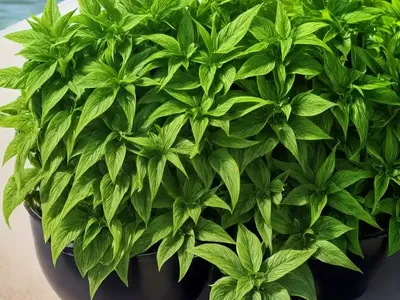
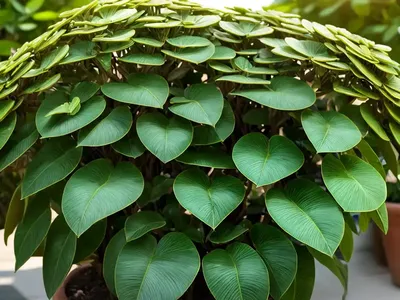
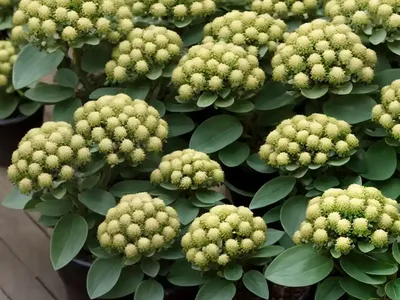
Barbados Nut (Jatropha Curcas)
Jatropha curcas, commonly known as Barbados nut, is a fascinating plant with a wide range of uses and benefits. In this comprehensive guide, we will.
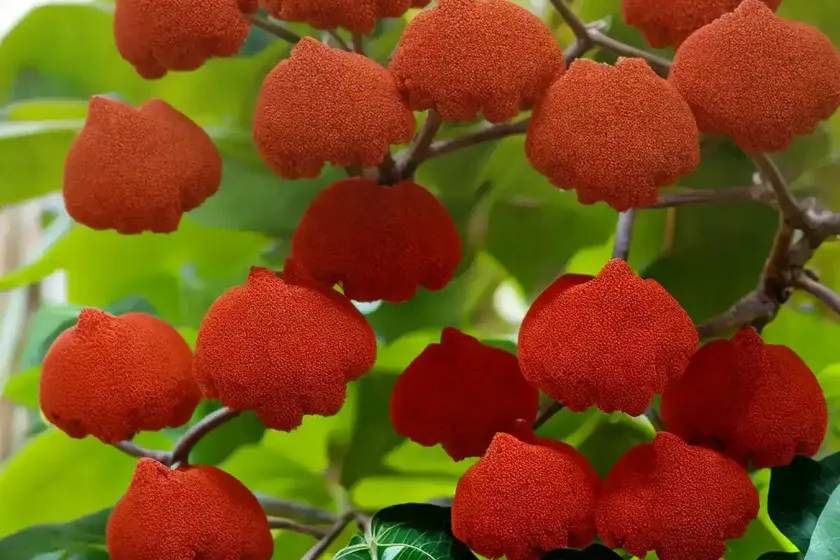
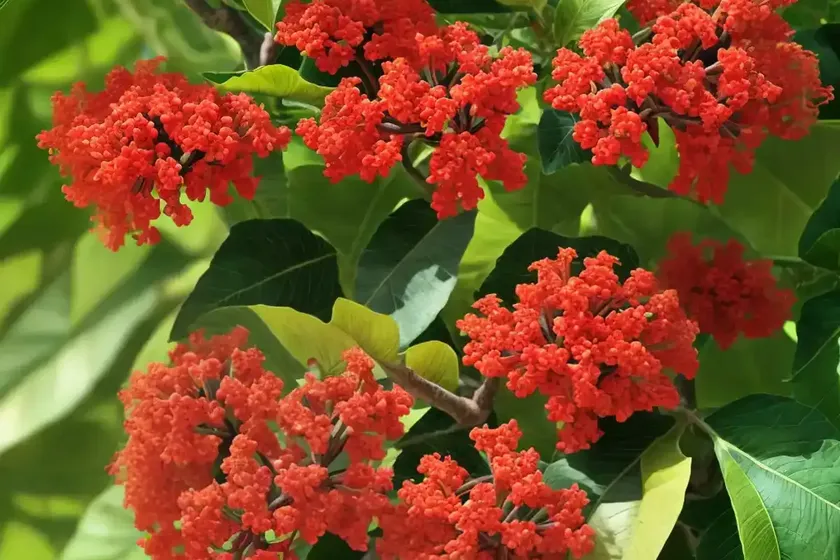
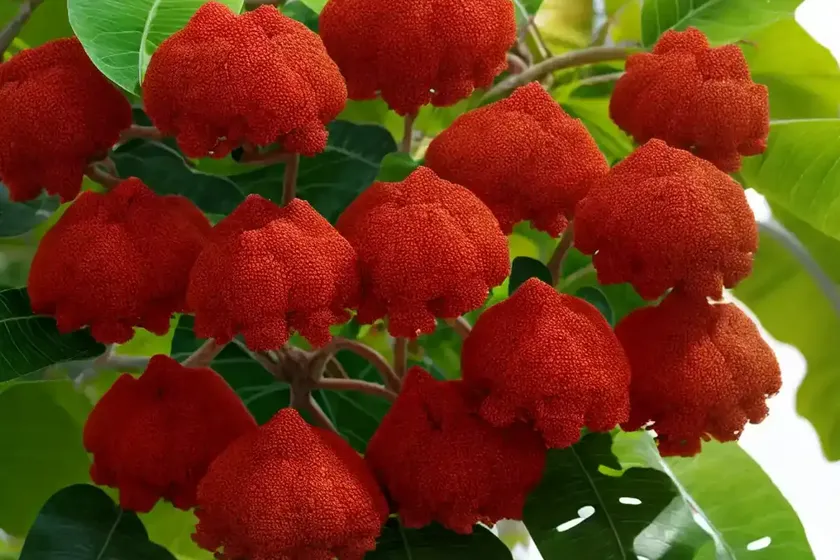
Jatropha curcas, commonly known as Barbados nut, is a fascinating plant with a wide range of uses and benefits. In this comprehensive guide, we will explore the cultivation, care, and potential applications of the Barbados nut plant. From its cultural significance to its economic and environmental value, this article aims to provide detailed insights into this remarkable species.
What is Jatropha curcas (Barbados Nut)?
Jatropha curcas is a perennial, drought-resistant shrub or small tree belonging to the Euphorbiaceae family. It is native to the American tropics, particularly Central America, and has been distributed throughout the tropical and subtropical regions of the world. The plant’s common names include Barbados nut, physic nut, and poison nut, reflecting its diverse uses and properties.
Key Takeaways – Barbados Nut (Jatropha curcas)
- Plant Name: Jatropha curcas (Barbados Nut)
- Family: Euphorbiaceae
- Common Names: Barbados nut, physic nut, poison nut
- Native Regions: Central America
- Cultivation: Tropical and subtropical regions worldwide
Now that we have a brief introduction to the Barbados nut plant let’s delve into its cultural significance, uses, and cultivation requirements.
Culture
The Barbados nut has a rich cultural history, with various traditional uses and associations in different regions. Understanding its cultural significance provides valuable insights into the plant’s historical relevance and societal importance.
Uses
The uses of Jatropha curcas are diverse and include applications in agriculture, medicine, and industry. Exploring the plant’s various uses sheds light on its economic and environmental value and its potential contributions to sustainable practices.
Water
Understanding the plant’s water requirements is essential for its successful cultivation. By examining its adaptation to drought conditions and optimal watering practices, we can ensure the Barbados nut thrives in different environments.
Sunlight
As with all plants, sunlight plays a crucial role in the growth and development of Jatropha curcas. By understanding its sunlight requirements, enthusiasts and cultivators can create ideal conditions for the plant to flourish.
Fertilizer
Proper nutrition is essential for the Barbados nut’s growth, and fertilization plays a key role in supplying the necessary nutrients. Exploring the plant’s fertilizer needs and suitable products can contribute to its healthy development.
Soil
Understanding the Barbados nut’s soil preferences, including pH, texture, and drainage requirements, is vital for creating suitable growing conditions. A detailed examination of its soil preferences can guide cultivators in providing an optimal growing medium for the plant.
Pruning
Pruning is an important aspect of plant care, contributing to shape control, disease prevention, and overall plant health. Examining pruning techniques and schedules specific to Jatropha curcas can enhance its aesthetic appeal and longevity.
Propagation
The propagation of Jatropha curcas allows for the expansion of its cultivation and conservation. By exploring effective propagation methods, enthusiasts can contribute to the plant’s dissemination and conservation efforts.
Container Popularity
The Barbados nut’s suitability for container gardening makes it an attractive option for enthusiasts with limited outdoor space. Understanding its container preferences and care requirements can enable successful cultivation in various settings.
Container Common Diseases
Despite the benefits of container gardening, the Barbados nut is not immune to diseases. Identifying common diseases associated with container cultivation and implementing preventive measures can help maintain the plant’s health.
Disease Diagnosis
Recognizing and diagnosing diseases affecting Jatropha curcas is essential for timely intervention and management. Understanding the symptoms and causes of prevalent diseases can guide effective disease diagnosis and treatment.
Common Pests
Pests can pose a threat to the health and vitality of the Barbados nut. By identifying common pests and implementing integrated pest management strategies, enthusiasts can safeguard the plant from potential infestations.
Botanist’s Tips
Insights from botanists and plant experts can offer valuable guidance on cultivating and caring for Jatropha curcas. Botanist’s tips encompass a range of expert recommendations, including cultivation techniques, pest management, and conservation practices.
Fun Facts
Exploring the intriguing and lesser-known aspects of the Barbados nut plant can enhance appreciation for its unique characteristics and contributions. Fun facts about Jatropha curcas can captivate enthusiasts and curious minds alike.
Now that we have outlined the key sections, let’s explore each aspect in detail to provide a comprehensive understanding of the Barbados nut (Jatropha curcas).
Cultural Significance of Jatropha curcas
The cultural significance of Jatropha curcas spans various domains, from traditional uses in different regions to its historical symbolism. Cultures worldwide have integrated the plant into their traditions, and its diverse uses have contributed to its prominence in folklore, medicine, and agriculture.
The Barbados nut holds significance in many cultures due to its multifaceted utility. For instance, in parts of Asia and Africa, the plant has traditional medicinal uses, and its seeds are sometimes used as protective amulets. Moreover, the plant’s oil has been historically utilized in lamps for lighting, contributing to its cultural association with illumination and sustenance.
NLP LSI Keywords
- Jatropha curcas plant
- Barbados nut tree
- Jatropha curcas benefits
- Barbados nut uses
- Jatropha curcas cultivation
Uses of Jatropha curcas (Barbados Nut)
The uses of Jatropha curcas are multifaceted, encompassing agricultural, medicinal, and industrial applications. Understanding the diverse uses of the Barbados nut sheds light on its economic and environmental significance, as well as its potential contributions to sustainable practices.
Agricultural Uses
As a drought-resistant plant, Jatropha curcas has garnered attention for its potential in agroforestry and reforestation initiatives in arid and semi-arid regions. Its ability to thrive in marginal lands and provide sustainable oilseed production makes it a valuable resource for promoting food security and enhancing rural livelihoods.
Beyond its role in agroforestry, the plant’s seed cake, a byproduct of oil extraction, can be utilized as organic fertilizer or animal feed, contributing to holistic agricultural practices.
Medicinal Applications
In traditional medicine, various parts of the Jatropha curcas plant have been employed to treat ailments such as skin infections, rheumatism, and parasitic infestations. While the plant’s medicinal properties require careful consideration and further research, the historical use of Barbados nut in traditional medicine reflects its potential in the pharmaceutical and healthcare sectors.
Industrial Uses
One of the most well-known applications of Jatropha curcas is the production of oil from its seeds. The oil, commonly known as Barbados nut oil, has garnered attention as a potential source of biodiesel due to its high oil content and favorable fatty acid composition. The sustainable production of biodiesel from Jatropha curcas holds promise in reducing reliance on fossil fuels and mitigating environmental impacts associated with conventional energy sources.
Environmental Benefits
The cultivation of Jatropha curcas offers environmental benefits such as soil conservation, carbon sequestration, and biodiversity enhancement. Its ability to thrive in marginal lands and contribute to ecosystem restoration underscores its potential in sustainable land use and climate change mitigation.
NLP LSI Keywords
- Barbados nut oil
- Jatropha curcas seeds
- Barbados nut characteristics
- Jatropha curcas growth
- Barbados nut plant care
Water Requirements for Jatropha curcas
Understanding the water requirements of Jatropha curcas is essential for its successful cultivation, particularly in regions prone to drought and water scarcity. By examining its adaptation to arid environments and its optimal watering practices, enthusiasts can ensure the plant’s healthy growth.
Jatropha curcas exhibits notable drought tolerance once established, making it suitable for cultivation in semi-arid and arid regions with limited water availability. However, adequate irrigation is crucial during the plant’s establishment phase to facilitate root development and establishment. Once established, Jatropha curcas requires minimal irrigation, relying on natural rainfall and soil moisture to support its growth.
Key Considerations for Watering Jatropha curcas
- Establishment Phase: During the initial growth stage, provide regular, moderate irrigation to facilitate root development and minimize water stress.
- Drought Tolerance: Once established, Jatropha curcas exhibits resilience to drought and requires minimal supplemental irrigation, relying primarily on natural rainfall.
- Water Conservation: Utilize water conservation practices such as mulching and efficient irrigation methods to optimize water use and promote sustainable cultivation.
Sunlight Requirements for Jatropha curcas
As a sun-loving plant, Jatropha curcas thrives in full sunlight and requires adequate exposure to support its growth and flowering. Understanding the plant’s sunlight requirements is crucial for providing optimal growing conditions and ensuring its overall health and productivity.
Optimizing Sunlight for Jatropha curcas
- Full Sun Exposure: Position Jatropha curcas in a location that receives direct sunlight for the majority of the day, ensuring optimal light exposure for vigorous growth and flowering.
- Shelter from Shade: Minimize shade and obstruction from surrounding structures or plants to allow unrestricted sunlight access for the Barbados nut.
Fertilizer Recommendations for Jatropha curcas
The application of suitable fertilizers can enhance the growth and productivity of Jatropha curcas, promoting healthy foliage and abundant flowering. Tailoring fertilization practices according to the plant’s nutrient requirements contributes to its overall vitality and long-term sustainability.
Nutrient Considerations for Jatropha curcas
- Balanced Fertilization: Use a balanced fertilizer formulation with an emphasis on potassium and phosphorus to support flowering and fruiting, while also ensuring adequate nitrogen levels for lush foliage.
- Organic Amendments: Incorporate organic amendments such as compost or well-rotted manure to enrich the soil and provide a gradual release of nutrients for sustained plant growth.
- Avoid Overfertilization: Exercise caution to avoid excessive fertilization, which can lead to nutrient imbalances and adverse effects on the plant’s health.
Soil Preferences for Jatropha curcas
Jatropha curcas thrives in well-draining soil with a slightly acidic to neutral pH, reflecting its adaptability to a range of soil conditions. Understanding the plant’s soil preferences and optimizing the growing medium can contribute to its successful establishment and growth.
Optimal Soil Conditions
- Well-Draining Soil: Provide a well-draining soil mixture to prevent waterlogging and facilitate root aeration, essential for the plant’s overall health.
- pH Considerations: Aim for a soil pH ranging from slightly acidic (pH 6.0-6.5) to neutral (pH 6.5-7.0) to ensure optimal nutrient availability and root function.
Pruning Techniques for Jatropha curcas
Pruning plays a vital role in shaping and maintaining the form of Jatropha curcas, contributing to its aesthetic appeal and health. By implementing appropriate pruning techniques, enthusiasts can manage the plant’s growth, enhance airflow, and minimize disease susceptibility.
Key Pruning Considerations
- Deadwood Removal: Regularly remove dead, damaged, or diseased wood to promote overall plant health and vigor.
- Formative Pruning: Conduct formative pruning to shape the plant and maintain a desired growth habit, promoting an attractive and well-balanced appearance.
- Seasonal Pruning: Schedule pruning activities during the plant’s dormant or low-growth periods to minimize stress and optimize recovery.
Propagation Methods for Jatropha curcas
The propagation of Jatropha curcas enables the expansion of its cultivation and conservation, allowing enthusiasts and cultivators to establish new plants and contribute to the plant’s genetic diversity. Exploring effective propagation methods provides valuable insights into the plant’s reproductive biology and cultivation practices.
Propagation Techniques
- Seed Propagation: Sow Jatropha curcas seeds in a well-draining, fertile substrate, ensuring optimal moisture levels and warmth to promote germination and seedling establishment.
- Cutting Propagation: Utilize semi-hardwood or hardwood cuttings for vegetative propagation, providing favorable environmental conditions to encourage root development and establishment.
- Grafting: Experiment with grafting techniques to propagate selected Jatropha curcas cultivars, facilitating the reproduction of desirable traits and characteristics.
Container Gardening with Jatropha curcas
The versatility of Jatropha curcas makes it suitable for container gardening, offering an attractive option for enthusiasts with limited outdoor space. Understanding its container preferences and care requirements enables successful cultivation in various settings, from urban balconies to indoor spaces.
Container Selection and Care
- Optimal Container Size: Choose a spacious container that accommodates the plant’s root system and provides room for growth, ensuring adequate stability and support.
- Drainage Considerations: Select containers with drainage holes to prevent waterlogging and maintain aeration, promoting healthy root development and soil moisture regulation.
- Soil Medium: Utilize a well-draining, nutrient-rich potting mix tailored for container cultivation, providing essential support for Jatropha curcas in a confined growing environment.
Common Diseases of Jatropha curcas
While Jatropha curcas exhibits resilience to many environmental stresses, it is susceptible to certain diseases that can impact its health and productivity. Recognizing common diseases and their symptoms is crucial for timely intervention and effective management strategies.
Common Diseases and Symptoms
- Anthracnose (Colletotrichum gloeosporioides): Symptoms include dark lesions on leaves and stems, often accompanied by leaf drop and defoliation.
- Powdery Mildew (Erysiphe spp.): Manifests as powdery white patches on the plant’s foliage, potentially leading to stunted growth and reduced photosynthetic activity.
- Root Rot (Phytophthora spp.): Characterized by wilting, yellowing foliage, and root discoloration, root rot can lead to severe damage if not addressed promptly.
Disease Diagnosis and Management
Prompt and accurate diagnosis of diseases affecting Jatropha curcas is essential for implementing targeted management strategies and minimizing the impact of plant pathogens. By familiarizing with disease symptoms and diagnostic approaches, enthusiasts can safeguard the plant’s health and productivity.
Disease Identification and Management
- Visual Assessment: Conduct regular visual inspections to identify symptoms of disease, including leaf discoloration, lesions, and abnormal growth patterns.
- Pathogen Identification: Consult with plant pathology experts or utilize diagnostic resources to identify the specific pathogens causing disease symptoms, guiding targeted management approaches.
- Integrated Disease Management: Implement integrated pest and disease management strategies, incorporating cultural, biological, and chemical control methods as needed to combat specific diseases and minimize their impact.
Common Pests Affecting Jatropha curcas
Pests can pose a threat to the health and vitality of Jatropha curcas, necessitating vigilance and proactive pest management practices. By identifying common pests and their characteristics, enthusiasts can implement effective control measures to safeguard the plant from potential infestations.
Common Pests and Management
- Aphids (Aphidoidea): Monitor for aphid infestations and employ physical removal or insecticidal treatments as needed to mitigate their impact on plant growth and vigour.
- Spider Mites (Tetranychidae): Maintain optimal humidity levels and implement natural enemy releases to control spider mite populations and prevent damage to Jatropha curcas foliage.
- Leaf Miners (Lepidoptera): Monitor for leaf miner activity and utilize targeted insecticidal treatments to manage infestations and protect the plant’s foliage.
Botanist’s Tips for Successful Jatropha curcas Cultivation
Insights from botanists and plant experts provide valuable guidance on cultivating and caring for Jatropha curcas. Their expertise encompasses a range of recommendations, from cultivation techniques and pest management to conservation practices, and can enhance enthusiasts’ understanding of the plant’s unique characteristics and requirements.
Expert Recommendations
- Soil Preparation: Ensure thorough soil preparation, incorporating organic matter and ensuring optimal drainage to support Jatropha curcas growth and establishment.
- Integrated Pest Management: Implement integrated pest management practices, emphasizing preventive measures and biological control to minimize reliance on chemical treatments and protect beneficial organisms.
- Conservation Initiatives: Contribute to conservation efforts by promoting sustainable cultivation, preserving genetic diversity, and engaging in knowledge exchange and dissemination related to Jatropha curcas.
Fun Facts About Jatropha curcas
Exploring the intriguing and lesser-known aspects of Jatropha curcas can enhance appreciation for its unique characteristics and contributions. Fun facts about the Barbados nut plant can captivate enthusiasts and curious minds alike, offering insights into its diverse adaptations and cultural significance.
Intriguing Insights
- Historical Significance: The Barbados nut has historically been associated with diverse cultural uses, ranging from traditional medicine to its portrayal in folklore and mythology.
- Biofuel Potential: Jatropha curcas holds promise as a sustainable source of biodiesel, with its oil content and favorable fatty acid composition contributing to its potential in bioenergy production.
- Adaptability: The plant’s resilience to drought and ability to thrive in marginal lands underscore its adaptability and potential contributions to sustainable land use and agroforestry initiatives.
Conclusion
In conclusion, Jatropha curcas, known as the Barbados nut, encompasses cultural significance, diverse uses, and intriguing characteristics. From its drought tolerance and suitability for biodiesel production to its historical symbolism and medicinal potential, the Barbados nut plant presents a compelling subject for enthusiasts, cultivators, and conservationists alike.
By exploring its cultivation requirements, care guidelines, and potential applications, we gain a deeper understanding of the Barbados nut’s economic and environmental value. Moreover, its adaptability to various climatic conditions and multifaceted utility underpin its relevance in sustainable farming practices and environmental conservation efforts.
For those interested in sustainable agriculture, bioenergy production, and traditional medicine, Jatropha curcas stands out as a species with remarkable potential and significance. Embracing the diverse facets of the Barbados nut plant allows us to appreciate its contributions to agriculture, ecology, and cultural heritage, inspiring further exploration and conservation of this captivating species.
Through comprehensive understanding and thoughtful cultivation practices, Jatropha curcas can continue to enrich agricultural landscapes, promote sustainable resource utilization, and contribute to the preservation of traditional knowledge and biodiversity.
For further reading and resources on Jatropha curcas, I recommend exploring the following links:
- International Jatropha Curcas Association
- USDA Plant Guide for Jatropha curcas
- Biofuel production from Jatropha curcas
This comprehensive guide aims to provide a rich overview of Jatropha curcas, the Barbados nut, encompassing its cultural significance, uses, cultivation requirements, and potential benefits. I hope that this resource serves as a valuable reference for enthusiasts, agriculturists, and individuals interested in sustainable farming and plant conservation. Happy cultivating!