Aesculus X Carnea ‘Briotii’ (Red Horsechestnut)
As a passionate plant scientist, I am thrilled to introduce you to the captivating world of Aesculus x carnea ‘Briotii’ , more commonly known as the Red.
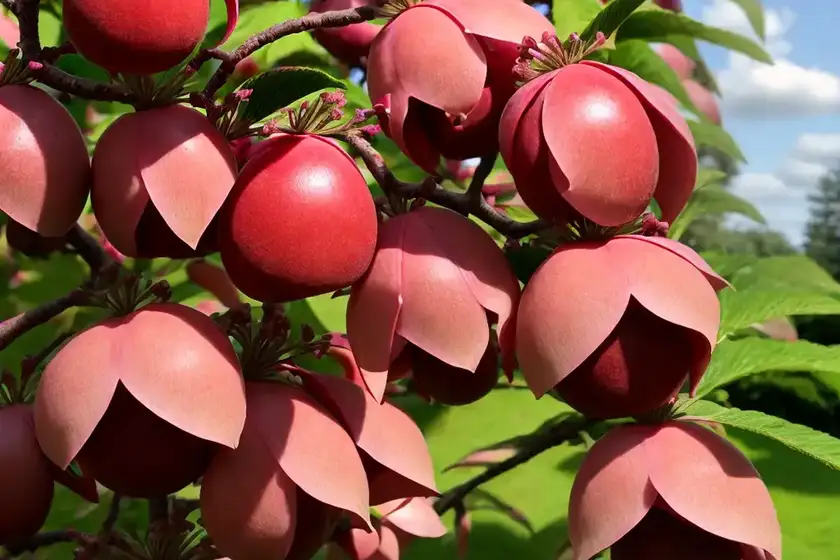
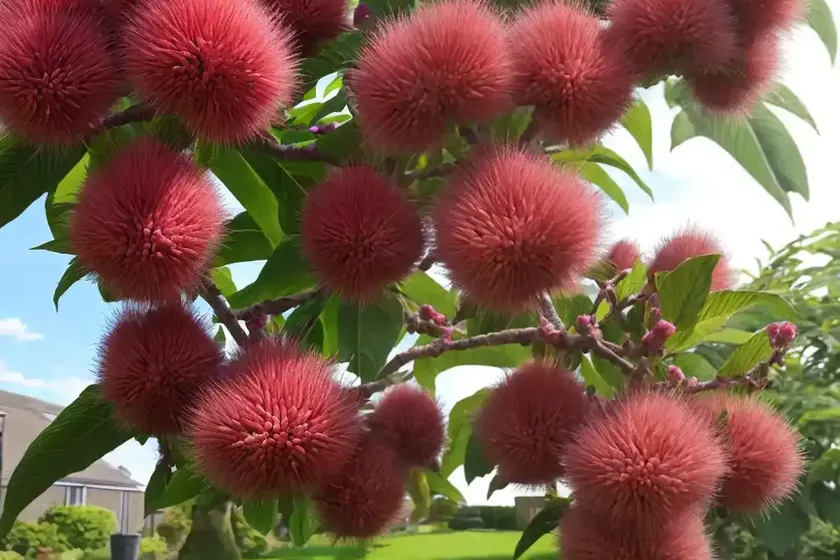
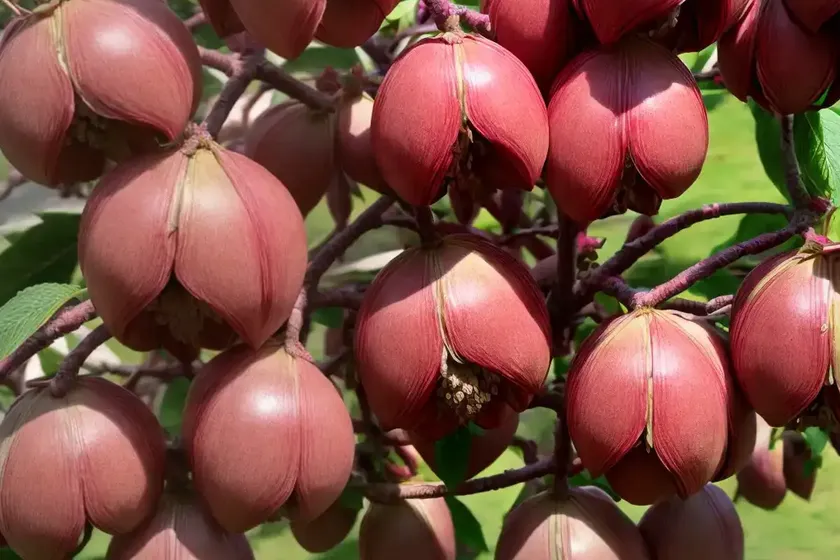
As a passionate plant scientist, I am thrilled to introduce you to the captivating world of Aesculus x carnea ‘Briotii’, more commonly known as the Red Horsechestnut. This enchanting tree, with its vibrant red flowers and remarkable landscape attributes, has piqued the curiosity of gardeners and nature enthusiasts alike. In this comprehensive guide, we will delve into the intricate details of this exquisite plant, exploring its cultural significance, uses, growth requirements, maintenance tips, and much more. Whether you are a seasoned horticulturist or a novice green thumb, this guide will provide you with valuable insights into the captivating world of Aesculus x carnea ‘Briotii’.
What is Aesculus x carnea ‘Briotii’ (Red Horsechestnut)?
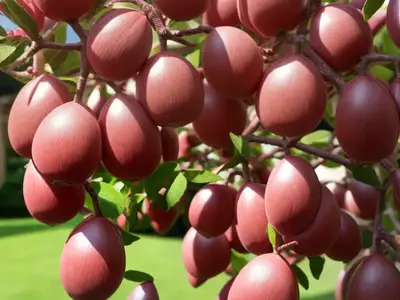
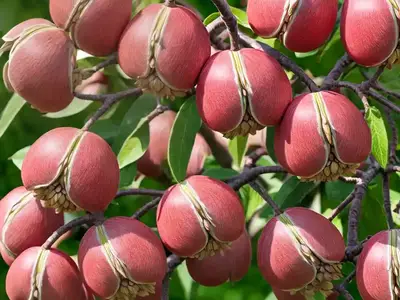
Aesculus x carnea ‘Briotii’ is a stunning hybrid deciduous tree that belongs to the Sapindaceae family. It is a product of the crossbreeding of Aesculus hippocastanum (the common horse chestnut) and Aesculus pavia (the red buckeye), resulting in a magnificent ornamental tree that is cherished for its striking appearance. The ‘Briotii’ cultivar is particularly renowned for its vibrant red flowers and robust growth characteristics, making it a prized addition to gardens, parks, and urban landscapes.
Key Takeaways
Before we embark on our journey to unravel the intricate details of Aesculus x carnea ‘Briotii’, let’s take a quick look at the key takeaways that will guide us through this comprehensive exploration.
Aesculus x carnea ‘Briotii’ (Red Horsechestnut)
- Botanical Name: Aesculus x carnea ‘Briotii’
- Common Name: Red Horsechestnut
- Nomenclature Variants: Red flowering horse chestnut, Briotii cultivar, Aesculus Briotii variety
- Species: Aesculus x carnea
- Hybridization: Aesculus hippocastanum (common horse chestnut) x Aesculus pavia (red buckeye)
- Notable Features: Vibrant red flowers, robust growth, ornamental foliage
- Cultural Significance: Ornamental specimen, wildlife attraction, landscape feature
- Growth Requirements: Full sunlight, well-drained soil, moderate watering, periodic fertilization
- Maintenance: Pruning, disease prevention, pest control, suitable propagation methods
- Landscape Uses: Ornamental gardens, urban landscapes, parks, avenue tree
- Popularity: Highly sought after for its aesthetic appeal and remarkable landscape attributes
Now that we have a glimpse of what lies ahead, let’s venture into the enchanting world of Aesculus x carnea ‘Briotii’ and unravel its captivating features and characteristics.
Culture
Uses
Ornamental Specimen
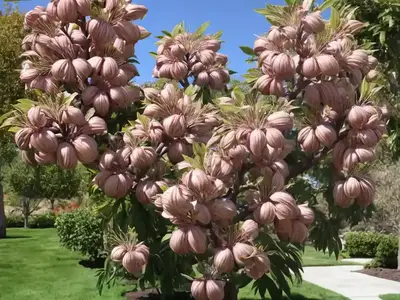
One of the primary uses of Aesculus x carnea ‘Briotii’ is its role as an ornamental specimen in landscapes and gardens. The tree’s vibrant and eye-catching red flowers make it a captivating focal point, adding an element of elegance and charm to any outdoor setting. Its ornamental value is further amplified by the striking foliage that transitions beautifully through the seasons, creating a dynamic display of colors and textures.
Wildlife Attraction
Beyond its aesthetic appeal, Aesculus x carnea ‘Briotii’ also serves as a valuable wildlife attraction in natural settings. The nectar-rich flowers entice a myriad of pollinators, including bees, butterflies, and hummingbirds, thus contributing to the ecological dynamics of the surrounding environment. Additionally, the tree’s seeds are a source of food for various bird species, further enhancing its ecological significance.
Water
- Aesculus x carnea ‘Briotii’ requires moderate watering, especially during its initial establishment phase. Adequate moisture is essential for promoting healthy growth and ensuring the tree’s vitality. However, it is crucial to avoid waterlogged conditions, as excessive moisture can lead to root rot and other detrimental effects on the plant’s health. Once established, the tree exhibits moderate drought tolerance, making it suitable for regions with varying precipitation patterns.
Sunlight
This captivating tree thrives in full sunlight, requiring at least six to eight hours of direct sunlight per day to achieve its full potential. Adequate sunlight is crucial for promoting robust growth, abundant flowering, and vibrant foliage coloration. When selecting a planting location for Aesculus x carnea ‘Briotii’, it is imperative to prioritize areas with ample sunlight exposure, thereby ensuring the tree’s overall health and vigor.
Fertilizer
Nutrient Requirements
To support optimal growth and flowering, Aesculus x carnea ‘Briotii’ benefits from periodic fertilization with a balanced, slow-release fertilizer. The application of fertilizer in early spring, prior to the onset of new growth, can provide the tree with essential nutrients that bolster its overall vigor and resilience.
Organic Amendments
In addition to traditional fertilizers, the incorporation of organic amendments such as well-rotted compost or aged manure can enhance the soil’s fertility and structure, creating an ideal growth environment for Aesculus x carnea ‘Briotii. These organic materials contribute to the long-term health of the tree and promote sustainable growth.
Soil
- Aesculus x carnea ‘Briotii’ flourishes in well-drained soil with a slightly acidic to neutral pH range. It is crucial to avoid waterlogged or compacted soil, as such conditions can hinder the tree’s root development and lead to various stress-related issues. Prior to planting, it is advisable to amend the soil with organic matter and ensure proper drainage to create an optimal growing environment for the tree.
Pruning
Structural Pruning
Pruning plays a crucial role in maintaining the health, form, and aesthetics of Aesculus x carnea ‘Briotii’. Structural pruning, conducted during the tree’s dormant season, helps in shaping the tree, removing damaged or diseased branches, and promoting a balanced canopy structure. Proper pruning techniques contribute to overall plant vigor and reduce the risk of future issues related to overcrowding and poor branch distribution.
Flower Cluster Pruning
In addition to structural pruning, the removal of spent flower clusters after the blooming season is beneficial for the tree’s overall vitality and aesthetics. This practice encourages the efficient allocation of resources and redirects the tree’s energy towards new vegetative and reproductive growth, thereby enhancing its visual appeal and long-term health.
Propagation
Seed Propagation
- Aesculus x carnea ‘Briotii’ can be propagated from seeds, although this method often results in genetic variation due to the tree’s hybrid nature. To propagate from seeds, it is essential to collect mature seeds from the tree, sow them in well-drained soil, and provide the appropriate environmental conditions for germination and initial growth. While seed propagation can be rewarding, it may not consistently produce plants with identical traits to the parent tree.
Vegetative Propagation
An alternative method of propagating Aesculus x carnea ‘Briotii’ is through vegetative techniques such as grafting or cutting propagation. These methods involve utilizing specific plant parts, such as stem segments or budwood, from a desirable parent tree and inducing their growth to establish new, genetically identical plants. Vegetative propagation offers a more reliable means of preserving the desirable characteristics of the ‘Briotii’ cultivar and producing uniform progeny.
Container Popularity
Aesculus x carnea ‘Briotii’ has garnered substantial popularity as a container tree, particularly in urban and compact living environments. The tree’s manageable size and ornamental attributes make it well-suited for container cultivation, allowing individuals with limited garden space to enjoy the beauty and charm of this remarkable plant. When selecting a container for Aesculus x carnea ‘Briotii, it is essential to choose a spacious, well-draining pot that accommodates the tree’s root system and provides room for healthy growth.
Common Diseases
Disease Diagnosis
While Aesculus x carnea ‘Briotii’ is generally resilient, it is susceptible to certain diseases that can impact its overall health and appearance. One of the most prevalent diseases affecting the Red Horsechestnut is Guignardia leaf blotch, which manifests as dark, irregular spots on the tree’s foliage. When diagnosing this disease, careful examination of the leaf symptoms and, if necessary, consulting with a local extension service or plant health expert can help in implementing effective management strategies.
Disease Prevention
Implementing proactive measures such as promoting good air circulation, avoiding overhead irrigation, and practicing proper sanitation by removing and disposing of infected plant debris can significantly reduce the incidence and severity of diseases affecting Aesculus x carnea ‘Briotii’. Additionally, the selection of disease-resistant cultivars and the application of preventive fungicidal treatments can bolster the tree’s defenses against common diseases.
Common Pests
Pest Identification
- Aesculus x carnea ‘Briotii’ is occasionally targeted by certain insect pests, with the most notable being the horse chestnut leaf miner. These tiny moth larvae create distinctive serpentine mines within the leaves, leading to aesthetic deterioration and potential stress on the tree. Identifying the specific pests affecting the tree and understanding their lifecycles is instrumental in formulating targeted pest management strategies to minimize their impact and protect the tree’s vitality.
Pest Control
Integrated pest management (IPM) practices, encompassing cultural, biological, and if necessary, chemical control methods, can effectively mitigate pest pressures on *Aesculus x carnea ‘Briotii’. Encouraging natural predators, such as predatory insects and birds, to inhabit the garden ecosystem can serve as an eco-friendly approach to pest control, while judicious use of insecticidal treatments can provide additional support in managing pest populations when required.
Botanist’s Tips
Soil Preferences
Aesculus x carnea ‘Briotii’ thrives in well-drained, fertile soil with a slightly acidic to neutral pH range. Prior to planting, it is advisable to conduct a soil test to assess the existing nutrient levels and pH, enabling targeted soil amendments to create an optimal growth environment for the tree.
Sunlight Needs
Adequate sunlight is crucial for promoting robust growth and abundant flowering in *Aesculus x carnea ‘Briotii’. When selecting a planting site, prioritize locations with full sunlight exposure to ensure the tree’s overall health and vigor.
Floral Display
To maximize the floral display of *Aesculus x carnea ‘Briotii’, consider planting it in proximity to contrasting foliage or structures that accentuate the vibrancy of its red flowers. The juxtaposition of complementary colors can create visually striking effects and enhance the ornamental appeal of the tree.
Fun Facts
Spectacular Floral Show
Briotii, the stunning Red Horsechestnut, dazzles onlookers with its magnificent floral spectacle, typically blooming in late spring to early summer. The tree’s dense clusters of bright red flowers create a captivating visual impact, attracting admiration and accolades from garden enthusiasts and nature lovers alike.
Seasonal Transitions
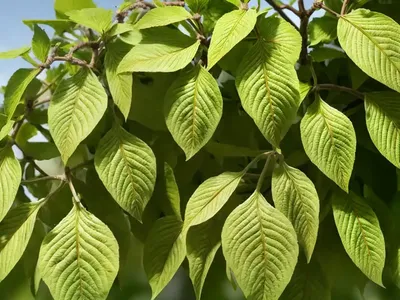
Beyond its blooming season, Aesculus x carnea ‘Briotii’ undergoes captivating seasonal transitions, with its foliage transitioning from vibrant green to warm autumn hues, contributing to the dynamic aesthetics of the tree throughout the year.
Historic Origins
The hybridization of Aesculus x carnea ‘Briotii’ intertwines the legacies of Aesculus hippocastanum and Aesculus pavia, amalgamating the distinct characteristics of these species to create a singularly remarkable ornamental tree.
Links to External Resources
- Royal Horticultural Society – Aesculus x carnea ‘Briotii’
- Missouri Botanical Garden – Red Horsechestnut
- University of Florida IFAS Extension – Aesculus x carnea ‘Briotii’ Fact Sheet
In conclusion, Aesculus x carnea ‘Briotii’ stands as a testament to the captivating intersection of botanical artistry and horticultural charm. Its resplendent red flowers, robust growth habits, and cultural significance render it a cornerstone of ornamental landscapes and an enduring source of fascination for plant enthusiasts. As we’ve traversed through the intricacies of this remarkable tree, I hope this guide has sparked a newfound appreciation for the allure and botanical legacy of Aesculus x carnea ‘Briotii’ and inspired further exploration of its enchanting world.