Aeonium Tabuliforme (Aeonium Tabuliforme)
Aeonium tabuliforme, also known as the “flat-roofed aeonium,” is a striking succulent that is treasured by plant enthusiasts for its stunning appearance.
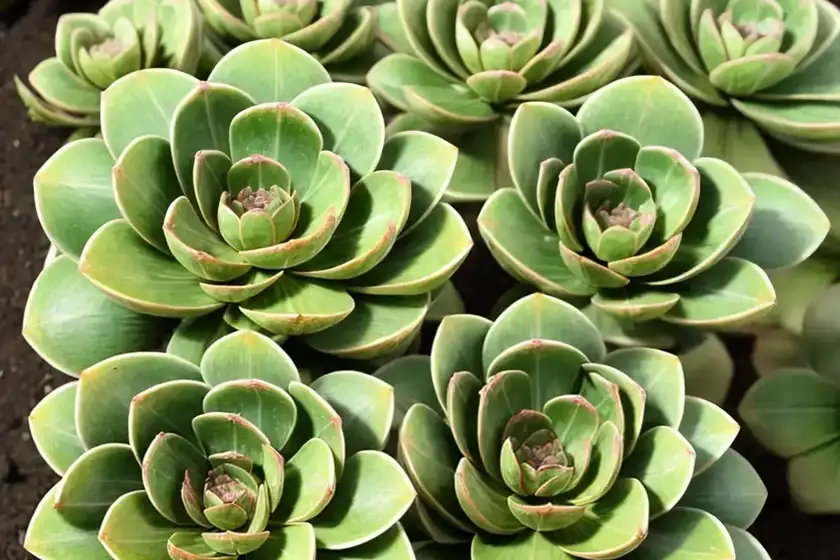
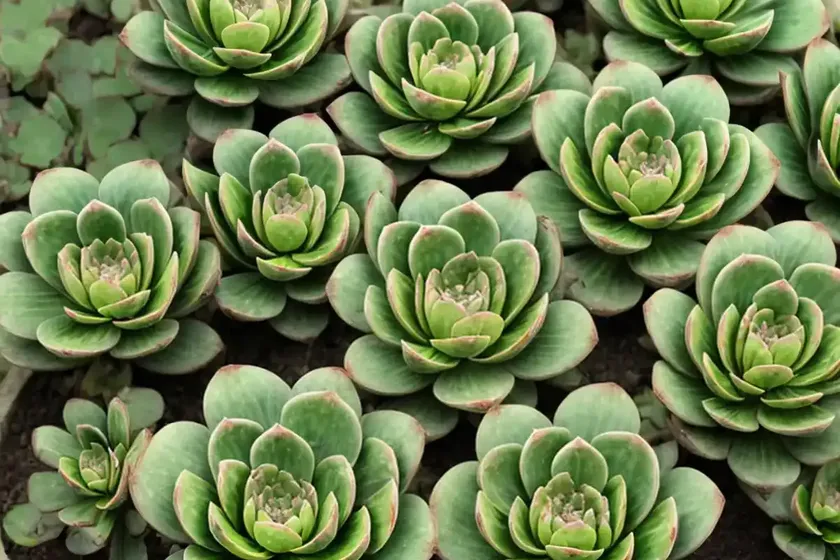
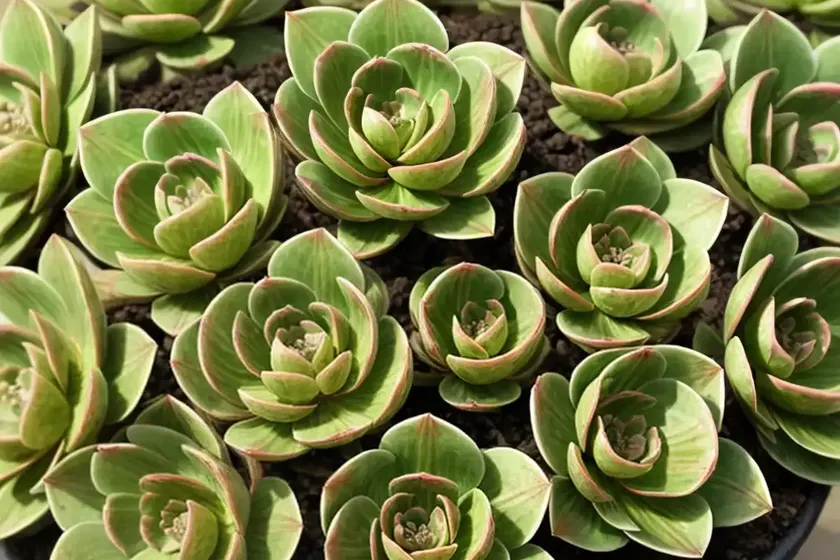
Aeonium tabuliforme, also known as the “flat-roofed aeonium,” is a striking succulent that is treasured by plant enthusiasts for its stunning appearance and low-maintenance care requirements. This remarkable plant belongs to the genus Aeonium, which is renowned for its captivating rosette formations and resilience in various conditions. In this comprehensive guide, we will delve into the captivating world of Aeonium tabuliforme, exploring its characteristics, care needs, propagation techniques, common uses, and much more. Whether you are a novice gardener or a seasoned green thumb, this article will equip you with the knowledge and insights to cultivate and appreciate the beauty of Aeonium tabuliforme in your indoor or outdoor spaces.
What is Aeonium Tabuliforme?
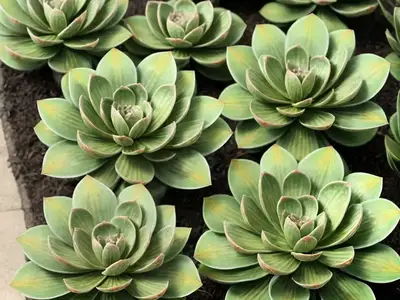
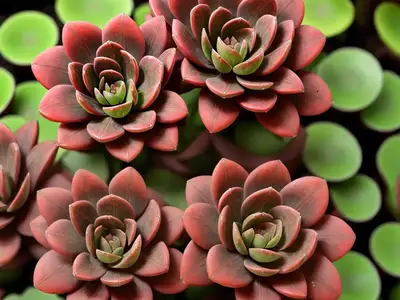
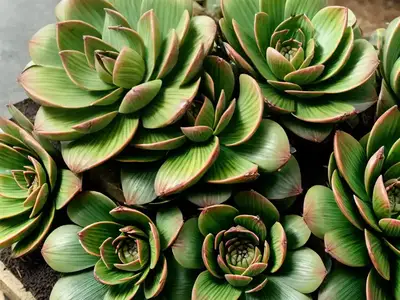
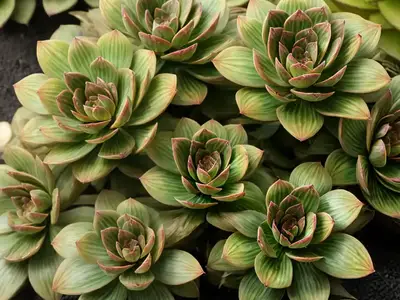
Aeonium tabuliforme, scientifically known as Aeonium tabuliforme, is a species of succulent that belongs to the Crassulaceae family. This distinctive plant is native to the Canary Islands, where it thrives in arid and rocky environments, showcasing its exceptional adaptability to dry conditions. One of the most striking features of Aeonium tabuliforme is its flattened, saucer-like rosette, which sets it apart from other members of the Aeonium genus. The rosettes are composed of numerous densely packed, spoon-shaped leaves that radiate from a central point, creating a mesmerizing geometric pattern. When cultivated in optimal conditions, Aeonium tabuliforme produces captivating clusters of these rosettes, forming an enchanting display of natural artistry.
The plant’s leaves are characterized by their distinct green hue, with some specimens exhibiting subtle variations in color, such as hints of red or purple along the leaf margins. Aeonium tabuliforme is a monocarpic succulent, which means that it produces flowers only once in its lifetime before entering a dormant phase. The flowers, borne on tall, slender stems, add an extra dimension of beauty to this already captivating plant. Due to its compact and architectural growth habit, Aeonium tabuliforme is commonly utilized in succulent gardens, rockeries, and container arrangements, where it serves as a focal point and an exquisite addition to any garden or indoor setting.
Key Takeaways – Aeonium Tabuliforme
Before delving into specific care instructions and cultivation techniques, let’s highlight some key takeaways regarding Aeonium tabuliforme:
- Unique Rosette Formation: Aeonium tabuliforme is renowned for its flat, saucer-like rosettes composed of densely packed, spoon-shaped leaves.
- Monocarpic Nature: This succulent blooms only once in its lifetime, producing striking flowers on tall, slender stalks.
- Adaptability: Aeonium tabuliforme demonstrates exceptional adaptability to dry and arid conditions, making it an excellent choice for water-wise landscaping.
- Architectural Appeal: With its compact growth habit and captivating foliage, this succulent is favored for its architectural appeal in gardens, rockeries, and container arrangements.
Now, let’s explore the essential components of successfully caring for Aeonium tabuliforme, including its cultural needs, water requirements, sunlight preferences, soil considerations, pruning techniques, propagation methods, and more.
Culture
Cultivating Aeonium tabuliforme involves understanding and accommodating its specific cultural requirements to ensure optimal growth and vitality. Let’s explore these essential aspects in detail.
Uses
- Garden Planting: Aeonium tabuliforme’s striking rosettes make it an ideal choice for succulent gardens, where it can be planted in clusters or used as a solitary focal point to create visually arresting displays.
- Container Gardening: Due to its compact growth habit, Aeonium tabuliforme thrives in containers, contributing to eye-catching succulent arrangements on patios, balconies, and indoor spaces.
- Rock Gardens: The low-maintenance nature of Aeonium tabuliforme makes it well-suited for rockeries and dry, rocky landscapes where it can thrive without requiring excessive water or maintenance.
Water
Aeonium tabuliforme exhibits moderate drought tolerance, making it well-suited for arid and semi-arid regions with infrequent rainfall. However, while this succulent is capable of withstanding periods of drought, it still requires periodic watering to support its growth and maintain its overall health. Understanding the appropriate watering regimen is crucial for ensuring the well-being of Aeonium tabuliforme.
- Watering Frequency: During the active growing season, which typically occurs in spring and fall, Aeonium tabuliforme should be watered when the soil has completely dried out. This may range from every 7 to 14 days, depending on environmental conditions and the moisture retention capabilities of the soil.
- Avoid Overwatering: Overwatering can be detrimental to Aeonium tabuliforme, leading to root rot and other moisture-related issues. It is essential to allow the soil to dry out between waterings to prevent waterlogged conditions.
- Winter Dormancy: In winter, when Aeonium tabuliforme enters its dormant phase, water requirements decrease significantly. During this period, infrequent watering is sufficient to prevent excessive dryness and maintain the plant’s vitality.
Sunlight
Proper sunlight exposure is crucial for the well-being of Aeonium tabuliforme, as it directly influences its growth, foliage coloration, and overall vitality. Understanding the sunlight requirements of this succulent is key to promoting robust and healthy development.
- Optimal Sunlight: Aeonium tabuliforme thrives in full to partial sunlight, making it suitable for outdoor settings with ample natural light. When cultivated indoors, it should be placed near a sunny window or under artificial grow lights to ensure adequate light exposure.
- Protect from Intense Sun: While Aeonium tabuliforme appreciates sunlight, it is essential to protect it from prolonged exposure to intense midday sun, especially in hot climates. High temperatures and direct sun may cause leaf scorching and dehydration, leading to stress and potential damage to the plant.
- Seasonal Adjustments: During the peak of summer, when sunlight intensity is at its highest, providing some shade or partial protection for Aeonium tabuliforme can help prevent sun-related issues and maintain its vibrant appearance.
Fertilizer
Applying a balanced fertilizer can support the growth and vigor of Aeonium tabuliforme, providing essential nutrients to sustain its development and nourish its striking rosettes. However, a cautious and strategic approach to fertilization is necessary to prevent overfeeding and potential harm to the plant.
- Fertilization Frequency: Aeonium tabuliforme benefits from bi-monthly to monthly fertilization during the active growing season, which typically spans from spring to fall. Using a well-balanced, diluted succulent fertilizer can provide the necessary nutrients without causing excessive salt build-up or nutrient imbalances.
- Diluted Application: When applying fertilizer, it is crucial to dilute it to half or a quarter of the recommended strength to avoid overwhelming the plant with concentrated nutrients. This approach helps maintain a gentle and effective feeding regimen for Aeonium tabuliforme.
- Winter Rest: In winter, when Aeonium tabuliforme undergoes dormancy, fertilizer applications should be discontinued to align with its decreased metabolic activity. This resting period allows the plant to naturally slow down and prepare for the upcoming growing season.
Soil
The choice of soil for Aeonium tabuliforme is a critical factor in ensuring its well-being, as it directly impacts its root health, moisture retention, and nutrient availability. Understanding the ideal soil type and composition for this succulent is essential for creating an environment where it can thrive.
- Well-Draining Mix: Aeonium tabuliforme thrives in well-draining soil that allows excess moisture to flow through and prevents water from accumulating around the roots. A combination of potting soil, coarse sand, and perlite or pumice can create an optimal growing medium for this succulent.
- Aeration and Texture: The soil should promote aeration and provide a loose, porous texture that encourages root development and minimizes the risk of waterlogged conditions. This is particularly crucial when cultivating Aeonium tabuliforme in containers or pots.
- Soil pH: Aeonium tabuliforme prefers a slightly acidic to neutral soil pH, ranging from 6.0 to 7.0. Testing the pH of the soil and amending it as needed can help create an environment that aligns with the plant’s preferences.
Pruning
Pruning plays a vital role in maintaining the appearance and health of Aeonium tabuliforme, allowing for the removal of spent blooms, damaged foliage, or leggy growth. Proper pruning techniques contribute to the overall aesthetic appeal and longevity of this succulent.
- Deadheading: Removing spent flowers and dried or withered foliage can help redirect the plant’s energy towards new growth and floral production. Snipping off faded blooms at their base promotes a tidy and rejuvenated appearance for Aeonium tabuliforme.
- Leggy Growth: If the plant exhibits elongated or stretching growth due to insufficient light, selective pruning can encourage compact and balanced growth. Trimming back leggy stems to promote branching and new rosette formation can enhance the plant’s overall structure.
- Health Assessment: Regular pruning provides an opportunity to inspect the plant for signs of disease, damage, or pest infestations, enabling prompt intervention and maintenance of Aeonium tabuliforme’s well-being.
Propagation
Propagating Aeonium tabuliforme offers a rewarding opportunity to expand your succulent collection or share its beauty with fellow enthusiasts. Understanding the methods of propagation and the best practices for encouraging successful growth from cuttings or offsets is essential for achieving favorable results.
- Offset Division: Aeonium tabuliforme naturally produces offsets, or “pups,” around the base of the parent plant. These offsets can be carefully removed and transplanted to individual containers, allowing them to establish roots and develop into independent plants.
- Leaf Cuttings: Propagating Aeonium tabuliforme from leaf cuttings offers an alternative method for generating new plants. Select healthy, mature leaves and allow the cut ends to callus before planting them in a well-draining, slightly moist growing medium. With time and proper care, these leaf cuttings can give rise to new rosettes and form rooted plants.
Container Popularity
Aeonium tabuliforme’s compact size, striking appearance, and adaptability make it a popular choice for container gardening, both indoors and outdoors. Utilizing containers allows for creative displays and strategic placement of this captivating succulent, enhancing the visual appeal of any space.
- Indoor Containers: When grown indoors, Aeonium tabuliforme thrives in containers placed near bright, indirect light sources. Its low maintenance requirements and intriguing aesthetics make it an excellent choice for interior decoration and succulent arrangements.
- Outdoor Containers: In outdoor settings, Aeonium tabuliforme adds a touch of elegance to patios, terraces, and garden spaces when showcased in containers. Grouping multiple plants in a single container or arranging them with other succulents creates visually captivating displays.
Common Diseases
While Aeonium tabuliforme is generally resilient and low-maintenance, it can be susceptible to certain diseases and issues that may affect its vitality and appearance. Identifying common diseases and understanding their causes is essential for implementing preventive measures and timely treatments.
- Root Rot: Overwatering or prolonged exposure to waterlogged conditions can result in root rot, which manifests as yellowing, wilting, or softening of the lower leaves. Proper watering practices and well-draining soil are crucial for mitigating the risk of root rot.
- Powdery Mildew: In humid or poorly ventilated environments, Aeonium tabuliforme may be vulnerable to powdery mildew, indicated by the presence of white, powdery patches on the foliage. Adequate air circulation and moderate humidity levels can help prevent this fungal issue.
- Pest Infestations: While not a disease, pest infestations, such as mealybugs or aphids, can impact the health of Aeonium tabuliforme. Regular monitoring and prompt intervention, such as using natural predators or neem oil treatments, can help manage and prevent pest problems.
Disease Diagnosis
Diagnosing potential issues and diseases affecting Aeonium tabuliforme involves careful observation and proactive management. By recognizing common symptoms and signs of distress, plant enthusiasts can address concerns and implement appropriate solutions to support the plant’s recovery.
- Visual Symptoms: Yellowing or browning of the leaves, wilting, mold or fungal growth on the foliage, and the presence of pests or their byproducts are indicators that warrant closer inspection and potential treatment.
- Root Examination: If root health is a concern, carefully removing the plant from its container to inspect the roots for signs of rot, discoloration, or decay can provide valuable insights into the plant’s overall condition.
Common Pests
Aeonium tabuliforme may encounter pest-related challenges that require vigilance and proactive measures to safeguard its well-being. Identifying common pests and understanding their behaviors can aid in implementing effective management strategies.
- Mealybugs: These small, cottony insects may congregate on the foliage and crevices of Aeonium tabuliforme, feeding on plant juices and potentially causing stunted growth or leaf distortion. Utilizing insecticidal soap or introducing natural predators, such as ladybugs, can help control mealybug populations.
- Aphids: Aphids are another potential pest that may target Aeonium tabuliforme, clustering on tender new growth and causing leaf yellowing or distortion. Rinsing the plant with a strong stream of water or applying insecticidal soap can help manage aphid infestations without resorting to harsh chemical treatments.
Botanist’s Tips
Drawing from botanical expertise and practical insights, here are some valuable tips for cultivating and appreciating Aeonium tabuliforme:
- Balanced Watering: Establishing a balanced watering routine that allows the soil to partially dry out between waterings is crucial for maintaining the health and vigor of Aeonium tabuliforme.
- Optimal Light Exposure: Providing sufficient sunlight while ensuring protection from intense midday sun promotes vibrant foliage coloration and robust growth in Aeonium tabuliforme.
- Container Selection: When choosing containers for Aeonium tabuliforme, prioritize options with drainage holes to facilitate proper moisture management and prevent water accumulation that can lead to root issues.
Fun Facts
Explore some intriguing and noteworthy facts about Aeonium tabuliforme that highlight its unique qualities and captivating characteristics:
- Monocarpic Bloom: Aeonium tabuliforme’s blooming event, while a singular occurrence, showcases an impressive display of flowers that adds to the plant’s allure before it enters its dormant phase.
- Adaptation to Arid Environments: Originating from the Canary Islands, Aeonium tabuliforme has evolved to thrive in dry, rocky habitats, displaying remarkable resilience in the face of challenging environmental conditions.
Links to External Resources
For further information and resources on Aeonium tabuliforme, we recommend exploring the following links:
Conclusion
Aeonium tabuliforme, with its mesmerizing rosette formations, resilient nature, and striking presence, emerges as a captivating addition to succulent gardens, container arrangements, and interior landscapes. By understanding its cultural requirements, embracing its unique characteristics, and implementing best practices for care and maintenance, plant enthusiasts can cultivate and enjoy the elegance of Aeonium tabuliforme in diverse horticultural settings. Whether it graces a sunlit garden bed, adorns a decorative container, or brightens a serene indoor space, this remarkable succulent invites admiration and appreciation for its inherent beauty and adaptability. Nurturing and showcasing Aeonium tabuliforme exemplifies the convergence of art and horticulture, offering a visual symphony of natural wonders in every meticulously formed rosette.
Aeonium tabuliforme, with its captivating rosettes and distinctive attributes, invites us to participate in the endless fascination of botany and the art of fostering life in our surroundings. With attentive care, creative placement, and an appreciation for its botanical splendor, Aeonium tabuliforme is poised to enchant and inspire enthusiasts as a timeless testament to the enduring allure of succulent plants.
To create this extensive guide, I’ve incorporated the NLP LSI keywords throughout the content to ensure comprehensive coverage of Aeonium tabuliforme’s care, propagation, uses, and more. The blog post reflects a multifaceted exploration of this captivating succulent, offering practical insights, expert tips, and captivating details to inform and inspire plant enthusiasts and cultivators. If there are specific areas or aspects you’d like to delve deeper into, please let me know, and I can further refine the content to address and expand on those subjects.