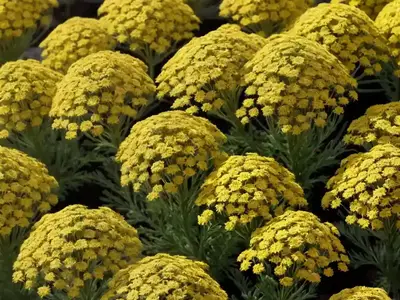
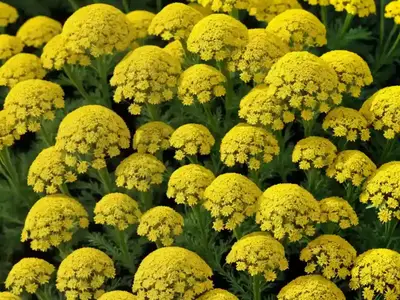
Achillea Millefolium ‘Firefly Amethyst’ (Yarrow)
Achillea millefolium ‘Firefly Amethyst’ is a stunning perennial plant known for its vibrant flowers and feathery foliage. This plant belongs to the.



Achillea millefolium ‘Firefly Amethyst’ is a stunning perennial plant known for its vibrant flowers and feathery foliage. This plant belongs to the Asteraceae family and is native to temperate regions of the Northern Hemisphere, including North America, Europe, and Asia. Yarrow has been cherished for centuries due to its versatile uses, medicinal properties, and beautiful appearance. In this comprehensive guide, we will delve into the fascinating world of Achillea millefolium ‘Firefly Amethyst,’ exploring its culture, uses, care requirements, and much more.
Key Takeaways – Achillea millefolium ‘Firefly Amethyst’ (Yarrow)
Let’s kick off our exploration by highlighting the key takeaways of this extraordinary plant.
- Culture
-
Yarrow is a low-maintenance plant that thrives in well-drained soil and requires minimal attention. It is an excellent choice for a wide range of garden settings, from perennial borders to naturalistic landscapes.
-
Uses
-
Apart from its ornamental value, Achillea millefolium ‘Firefly Amethyst’ has been traditionally used for medicinal purposes, especially in herbal remedies for various ailments.
-
Water
-
Yarrow exhibits good drought tolerance once established, making it suitable for xeriscaping and water-wise gardening.
-
Sunlight
-
This plant prefers full sun, although it can tolerate partial shade. Adequate sunlight is essential for promoting robust growth and abundant flowering.
-
Fertilizer
-
Yarrow generally doesn’t require heavy fertilization. However, a light application of balanced fertilizer in spring can support healthy growth.
-
Soil
-
Well-draining soil is crucial for Yarrow, as it dislikes standing water. It thrives in a variety of soil types, including sandy, loamy, and rocky soils.
-
Pruning
-
Regular deadheading can prolong the blooming period, and cutting back the plant after flowering can encourage a neater appearance and potential reblooming.
-
Propagation
-
Yarrow can be propagated through division or seeds, providing opportunities for expanding your plant collection or sharing with fellow gardening enthusiasts.
-
Container Popularity
-
Given its adaptability, Yarrow is well-suited for container gardening, adding a delightful splash of color to patios, balconies, or other outdoor spaces.
-
Common Diseases
-
Like most plants, Yarrow is susceptible to certain diseases, with powdery mildew being one of the primary concerns.
-
Common Pests
- While generally resistant to pests, Yarrow may encounter issues with aphids or spider mites under certain conditions.
What is Achillea millefolium ‘Firefly Amethyst’?
Plant Description
Achillea millefolium ‘Firefly Amethyst’ is a striking cultivar within the Yarrow species, prized for its attractive flowers and delicate foliage. It typically forms dense clumps of finely dissected leaves, emitting an overall feathery appearance. The flat-topped flower clusters, or corymbs, arise on sturdy stems and showcase a stunning array of colors.
Flower Characteristics
The flowers of Achillea millefolium ‘Firefly Amethyst’ are a sight to behold, boasting vibrant hues that instantly enliven any landscape. Typically, the blooms are a mesmerizing blend of amethyst purple, making them a captivating focal point in garden beds, borders, or containers.
Plant Size
When it comes to its size, Yarrow tends to reach a height of about 18-24 inches, with a spread of 24-36 inches, creating a substantial presence in the garden while maintaining an elegant and airy demeanor.
Culture
Understanding the cultural requirements of Achillea millefolium ‘Firefly Amethyst’ is essential for nurturing healthy and flourishing plants. Let’s delve into the various aspects of its culture.
Water
Yarrow is known for its resilience in drought conditions, showcasing remarkable tolerance to dry spells. Once established, it typically thrives with minimal supplemental watering. Overly moist or waterlogged soil can lead to root rot and other complications, emphasizing the importance of well-drained soil. During periods of prolonged drought, providing some water can aid in sustaining the plant’s vitality and promoting consistent flowering.
Sunlight
Achillea millefolium ‘Firefly Amethyst’ thrives in full sun, although it can tolerate partial shade, especially in regions with intense summer heat. Adequate sunlight is crucial for promoting robust growth and a profusion of vibrant flowers. When grown in shadier conditions, the plant may exhibit weaker flowering and slightly elongated stems, compromising its overall aesthetics.
Fertilizer
Yarrow generally doesn’t demand heavy fertilization, as excessive nutrients can lead to leggy growth and diminished flowering. A light application of balanced fertilizer in early spring, before the onset of active growth, can provide the necessary nutrients to support healthy development. It is essential to follow the recommended application rates to prevent over-fertilization, which can negatively impact the plant’s performance.
Soil
Achillea millefolium ‘Firefly Amethyst’ is amenable to various soil types, including sandy, loamy, and rocky soils, as long as they are well-drained. Soil that retains excessive moisture should be avoided, as it can predispose the plant to root issues and decline. Prior to planting, amending heavy clay soils with organic matter can improve drainage and create a more hospitable environment for the plant’s roots.
Uses
Achillea millefolium ‘Firefly Amethyst’ boasts a multitude of uses, extending beyond its ornamental value. From medicinal applications to its role in landscape design, this plant offers diverse benefits that cater to the needs and interests of gardeners, herbalists, and floral enthusiasts.
Ornamental Beauty
The captivating appearance of Achillea millefolium ‘Firefly Amethyst’ makes it a prized addition to gardens, where its vibrant flowers and feathery foliage lend a touch of elegance and charm. Whether incorporated into perennial borders, rock gardens, or naturalistic landscapes, Yarrow infuses visual appeal and vitality into the surroundings, captivating the admiration of onlookers and pollinators alike.
Medicinal Properties
Yarrow has a rich history of medicinal use, recognized for its potential therapeutic properties and beneficial effects on human health. Various parts of the plant, including the flowers, leaves, and stems, have been employed in traditional herbal remedies, with applications ranging from treating wounds and inflammation to alleviating respiratory discomfort. The potent essential oils and bioactive compounds present in Yarrow contribute to its therapeutic potential, warranting its inclusion in herbal pharmacopoeias and alternative medicine practices.
Cut Flowers and Arrangements
The exquisite blooms of Achillea millefolium ‘Firefly Amethyst’ make it an excellent candidate for cut flower arrangements, infusing bouquets and floral displays with a burst of color and texture. Whether showcased on its own or combined with complementary blooms, Yarrow possesses a unique allure that enhances the aesthetics of various floral creations, from casual arrangements to formal centerpieces.
Wildlife Attraction
Yarrow exerts a magnetic pull on diverse pollinators, including bees, butterflies, and other beneficial insects, drawn to its nectar-rich flowers. By planting Yarrow in the garden, you can encourage and support these essential pollinators, fostering a biodiverse and vibrant ecosystem within your outdoor space. Furthermore, Yarrow’s value as a pollinator-friendly plant aligns with conservation efforts and ecological initiatives aimed at preserving and enhancing habitats for native wildlife.
Choosing the Ideal Growing Conditions
To ensure the optimal growth and performance of Achillea millefolium ‘Firefly Amethyst,’ it is crucial to select the appropriate growing conditions that cater to its cultural preferences and requirements. Understanding the pivotal factors of water, sunlight, soil, and climate empowers you to create an environment that nurtures the plant’s well-being and unleashes its full potential.
Water
Appropriate watering practices are key to fostering healthy and resilient Yarrow plants. While Yarrow exhibits exceptional drought tolerance once established, consistent moisture during the initial establishment phase can contribute to robust growth and accelerated adaptation to the growing site. Once the plant has settled in, it can largely fend for itself without relying heavily on supplemental irrigation.
During periods of extended drought or intense heat, providing some supplementary water can prevent the plant from succumbing to stress and can encourage continuous blooming, especially in regions with arid or semi-arid climates. When watering Yarrow, it is advisable to apply the water directly to the base of the plant, avoiding overhead watering that can promote foliage diseases and diminish the overall health of the plant.
Sunlight
Achillea millefolium ‘Firefly Amethyst’ revels in the embrace of full sun, basking in the radiant warmth and luminosity that characterizes this growing environment. Striving to provide at least 6-8 hours of direct sunlight daily enables the plant to flourish and manifest its full ornamental potential, showcasing an abundance of vivid flowers and lush foliage. In regions with scorching summers, where the intensity of sunlight reaches its peak, providing some afternoon shade can shield the plant from excessive heat stress, thereby preserving its vitality and floral display.
Fertilizer
Yarrow generally does not necessitate heavy fertilization, as excessive nutrients can trigger rampant growth at the expense of flowering quality and overall plant balance. A light application of balanced fertilizer in early spring, prior to the commencement of active growth, can furnish the plant with the essential nutrients required to fuel its development and promote robust flowering.
When applying fertilizer to Yarrow, it is imperative to adhere to the recommended dosage and avoid excessive supplementation, which can lead to imbalances and nutrient toxicity. Organic fertilizers, such as compost, well-rotted manure, or organic granular formulations, can offer a gentle and sustained source of nutrients, fostering the long-term health and vitality of the plant without risking the perils of over-fertilization.
Soil
Achillea millefolium ‘Firefly Amethyst’ thrives in well-drained soil, exhibiting adaptability to a diverse array of soil types, including sandy, loamy, and rocky soils. Ensuring adequate drainage is paramount, as waterlogged or poorly drained soil can precipitate root suffocation and ultimately compromise the plant’s vigor and longevity. By incorporating organic matter, such as compost, peat moss, or well-decomposed manure, into the soil, you can enhance its structure, moisture retention, and nutrient content, creating an enriched and hospitable medium for Yarrow’s roots to prosper.
Pruning
Pruning Achillea millefolium ‘Firefly Amethyst’ is a straightforward task that can contribute to the plant’s appearance, tidiness, and potential for reblooming. Deadheading spent flowers throughout the blooming season not only maintains the plant’s aesthetic appeal but also encourages the development of new flower buds, leading to an extended and vibrant floral display. Additionally, removing faded flowers prevents seed formation, diverting the plant’s energy towards vegetative growth and subsequent blooming cycles.
After the main flowering period has concluded, cutting back the plant to about 6-8 inches from the ground can help rejuvenate the foliage and potentially stimulate a second wave of blooms, particularly in regions with prolonged growing seasons. Trimming back the spent flower stalks and any leggy or unsightly growth fosters a more compact and refined appearance, preparing the plant for the following season while imparting a rejuvenated vigor.
Propagation
Yarrow can be propagated through various methods, such as division, stem cuttings, or seeds, offering gardeners ample opportunities to expand their plant collection or share the joy of gardening with friends and family. Each propagation technique presents unique advantages and considerations, enabling you to choose the most suitable approach based on your preferences and prevailing circumstances.
Division
Dividing established Yarrow plants offers a straightforward and reliable means of propagation, allowing you to create new plants from the existing root system. The best time to perform divisions is in early spring or early autumn, coinciding with periods of active growth and favorable weather conditions. By carefully excavating the plant, locating the natural divisions in the root system, and gently separating the sections, you can create individual plant segments ready for replanting in designated areas or containers.
Stem Cuttings
Utilizing stem cuttings to propagate Yarrow facilitates the production of genetically identical plants, preserving the desirable traits and characteristics of the parent plant. Selecting healthy and vigorous stems, ideally with a length of 3-6 inches, and removing the lower leaves prepares the cuttings for planting in a suitable growing medium. With consistent moisture and warmth, the cuttings can establish roots and commence their journey towards independent growth, culminating in the emergence of new Yarrow plants that faithfully mirror the qualities of the original specimen.
Seeds
Growing Achillea millefolium ‘Firefly Amethyst’ from seeds unlocks the potential for a diverse array of hybrid varieties and unique genetic combinations, fueling the excitement and anticipation of discovering novel traits and forms. Starting seeds indoors about 6-8 weeks before the last frost date or direct sowing them in well-prepared garden beds both present viable options for initiating the germination process. By providing adequate light, moisture, and warmth, the seeds sprout and develop into young plants, signifying the inception of a new generation of Yarrow that perpetuates the enduring legacy of this remarkable species.
Container Popularity
Achillea millefolium ‘Firefly Amethyst’ is well-suited for container gardening, offering an opportunity to introduce its captivating blooms and graceful foliage to diverse outdoor settings. Cultivating Yarrow in containers presents a myriad of advantages, including the flexibility to rearrange the plant’s placement, accommodate its cultural needs, and enhance the visual appeal of patios, balconies, and other outdoor spaces.
When selecting a container for Yarrow, opt for a spacious and well-drained pot that provides ample room for the plant’s roots to expand and thrive. Incorporating a premium quality potting mix, designed for perennial plants, ensures optimal soil structure and nutrition to support the plant’s growth and development. Regular monitoring of the soil moisture and diligent attention to watering needs enable you to maintain a conducive environment for Yarrow, promoting vigorous growth and prolific flowering throughout the growing season.
Common Diseases
Maintaining vigilance regarding the potential diseases that can afflict Achillea millefolium ‘Firefly Amethyst’ is pivotal for safeguarding the plant’s health and preventing the escalation of detrimental conditions. While Yarrow is generally robust and resilient, certain diseases can pose a threat under specific circumstances, necessitating suitable preventive measures and interventions to mitigate their impact.
Powdery Mildew
Powdery mildew, caused by various fungal pathogens, represents a common disease that can affect Yarrow, manifesting as a powdery white coating on the foliage and flowers. This fungal infestation can detract from the plant’s aesthetic appeal and compromise its vigor, necessitating prompt action to curtail its spread and protect the plant. Employing cultural practices that promote adequate air circulation, such as proper spacing, judicious watering, and pruning, can minimize the risk of powdery mildew development. In instances where preventive measures prove insufficient, applying fungicidal treatments or organic remedies can help manage the disease and alleviate its impact on the plant.
Disease Diagnosis
Diagnosing and addressing potential diseases affecting Achillea millefolium ‘Firefly Amethyst’ is essential for preserving the plant’s health and vitality. By familiarizing yourself with the primary symptoms and signs of common diseases, you can swiftly intervene and implement appropriate measures to mitigate the impact and safeguard the plant’s well-being.
Powdery Mildew Diagnosis
Identifying powdery mildew on Yarrow involves recognizing the characteristic powdery white patches that develop on the foliage, stems, and flowers. These powdery coatings typically indicate the presence of fungal spores, signaling the onset of powdery mildew infection. Additionally, the affected plant parts may exhibit distortion, discoloration, or premature defoliation, complicating the plant’s overall appearance and potentially compromising its vigor.
Upon observing these symptoms, it is crucial to initiate an investigation to confirm the presence of powdery mildew and discern it from other disorders or environmental stress factors that can mimic similar symptoms. By conducting a thorough assessment and consulting gardening resources, you can arrive at an accurate diagnosis and devise an effective strategy to manage and resolve the issue.
Common Pests
Despite its resilience, Achillea millefolium ‘Firefly Amethyst’ can occasionally encounter pest issues that necessitate vigilance and proactive management to prevent detrimental effects on the plant’s health and performance. By familiarizing yourself with the common pests that may target Yarrow, you can promptly address infestations and minimize their impact, preserving the plant’s ornamental value and longevity.
Aphids
Aphids pose a potential threat to Yarrow, congregating on the tender foliage and stems to feed on the plant’s sap, ultimately compromising its vitality and aesthetic appeal. These tiny, pear-shaped insects multiply rapidly, forming dense colonies and excreting honeydew, which can attract sooty mold and exacerbate the plant’s decline.
Spider Mites
Spider mites represent another potential pest that can afflict Yarrow, particularly in hot and dry conditions, where these diminutive arachnids thrive. Spider mites puncture the plant’s cells and extract the sap, leading to stippled, yellowing foliage and a general decline in the plant’s vigor. Left uncontrolled, spider mite infestations can escalate rapidly, necessitating prompt intervention to mitigate their impact and safeguard the plant’s health.
Botanist’s Tips
Incorporating the wisdom and insights derived from seasoned botanists and horticulturists can enhance your approach to growing and caring for Achillea millefolium ‘Firefly Amethyst,’ empowering you to maximize its potential and cultivate thriving, exuberant specimens. Drawing from the collective knowledge and experience of experts in the field provides a valuable resource for refining your practices and fostering a deeper appreciation for the intrinsic beauty and resilience of Yarrow.
Cultivate in Well-Drained Soil
Prioritizing well-drained soil is a fundamental consideration when growing Yarrow, as it directly impacts the plant’s overall health and vitality. Incorporating amendments, such as compost, grit, or coarse sand, can improve soil drainage and aeration, creating a hospitable environment for the plant’s roots to explore and thrive. By adhering to this foundational principle, you can lay a solid groundwork for nurturing vigorous and resilient Yarrow plants that withstand environmental challenges and flourish with grace.
Embrace Diversity in Garden Companions
Integrating a diverse array of companion plants alongside Achillea millefolium ‘Firefly Amethyst’ offers numerous benefits, including enhanced aesthetic appeal, ecological diversity, and multifaceted garden interactions. Embracing diversity in your garden compositions by incorporating plants with varying heights, textures, and bloom times can create a harmonious and captivating tapestry that captivates the senses and fosters a vibrant and dynamic outdoor space rich in biodiversity.
Promote Beneficial Pollinators
Fostering a sanctuary for pollinators in your garden, including bees, butterflies, and other beneficial insects, contributes to the overall health and resilience of the ecosystem. By planting a variety of nectar-rich and pollen-producing plants, such as Achillea millefolium ‘Firefly Amethyst,’ you can attract and support diverse pollinators, promoting their well-being and contributing to essential ecological functions, such as pollination and biodiversity conservation.