Achillea Millefolium ‘Firefly Peach Sky’ (Yarrow)
Achillea millefolium ‘Firefly Peach Sky’, commonly known as Yarrow, is a stunning perennial plant known for its delicate and vibrant flowers. This plant.



Achillea millefolium ‘Firefly Peach Sky’, commonly known as Yarrow, is a stunning perennial plant known for its delicate and vibrant flowers. This plant belongs to the Asteraceae family and is cherished for its ornamental value as well as its various practical uses. In this comprehensive guide, we will explore the culture, uses, care, and fascinating facts about this beautiful flowering plant.
Key Takeaways – Achillea millefolium ‘Firefly Peach Sky’ (Yarrow)
Below are the key takeaways for Achillea millefolium ‘Firefly Peach Sky’ (Yarrow) that we will delve into in detail throughout this guide:
- Culture
- Uses
- Water
- Sunlight
- Fertilizer
- Soil
- Pruning
- Propagation
- Container Popularity
- Container Common Diseases
- Disease Diagnosis
- Common Pests
- Botanist’s Tips
- Fun Facts
- Links to External Resources
About the Achillea millefolium ‘Firefly Peach Sky’ (Yarrow)
Description and Characteristics
Achillea millefolium ‘Firefly Peach Sky’, commonly known as Yarrow, is an herbaceous flowering plant that is native to regions of Europe and Asia. The plant’s botanical name, Achillea millefolium, is derived from the Greek hero Achilles, who is said to have used yarrow to heal soldiers’ wounds during the Trojan War.
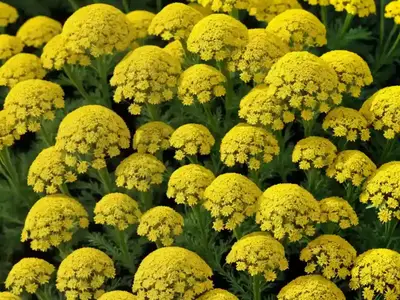
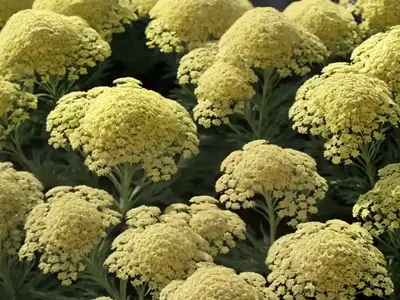
The ‘Firefly Peach Sky’ variety of Yarrow is particularly notable for its stunning peach-toned flowers that contrast with its fern-like, aromatic foliage. The plant typically reaches a height of 18-24 inches and spreads to about 20-24 inches, making it a delightful addition to gardens and landscapes.
Flowering and Pollinator Attraction
Yarrow produces flat-topped clusters of tiny flowers that are highly attractive to pollinators such as bees and butterflies. The blooms of ‘Firefly Peach Sky’ Yarrow make it an excellent choice for pollinator-friendly gardens and landscapes, contributing to biodiversity and the overall health of ecosystems.
Medicinal and Herbal Significance
In addition to its ornamental value, Yarrow has been valued for its medicinal properties for centuries. It is known for its anti-inflammatory, antiseptic, and astringent qualities, and is traditionally used for various herbal remedies. The plant’s leaves and flowers have been utilized in teas, tinctures, and topical treatments for their healing benefits.
Culture
Achillea millefolium ‘Firefly Peach Sky’ has a rich cultural significance and has been cultivated for various purposes throughout history. Here are some cultural aspects of this beautiful plant:
-
Historical Significance: Yarrow has a long history of use in traditional medicine and folklore. It has been revered for its healing properties and was utilized in various rituals and practices by ancient civilizations.
-
Symbolism: Yarrow is associated with traits such as healing, protection, and divination in different cultures. It has been used in rituals and ceremonies for purposes ranging from love divination to warding off evil spirits.
-
Art and Literature: Yarrow has also found its place in art and literature, appearing in paintings, poems, and stories as a symbol of healing and resilience.
Uses
Ornamental Use
One of the primary uses of Achillea millefolium ‘Firefly Peach Sky’ is its ornamental value. The plant’s exquisite flowers and feathery foliage make it a desirable addition to gardens, borders, and naturalistic landscapes. It adds color, texture, and visual interest to outdoor spaces, creating a charming and enchanting ambiance.
Medicinal and Herbal Applications
Yarrow has been valued for its medicinal properties and is used in herbal medicine for various purposes. It is known for its ability to aid in wound healing, reduce inflammation, and alleviate certain ailments. The plant’s leaves and flowers are used to make infusions, tinctures, and salves that are believed to have therapeutic effects.
Dried Flower Arrangements
The blooms of Achillea millefolium ‘Firefly Peach Sky’ can be dried and used in floral arrangements, adding a touch of delicate beauty to dried flower compositions. The dried flowers retain their color and form, making them a versatile and enduring decorative element in floral crafts.
Pollinator Gardens
Yarrow is a valuable addition to pollinator gardens, where it attracts bees, butterflies, and other beneficial insects. By incorporating Yarrow into garden designs, individuals can support local pollinator populations and contribute to the conservation of vital pollinating species.
Water
Watering Needs
Achillea millefolium ‘Firefly Peach Sky’ generally thrives in well-drained soil and exhibits good drought tolerance once established. When it comes to watering, the following guidelines are recommended:
-
Establishment Phase: During the initial establishment period after planting, it’s crucial to provide regular watering to ensure that the plant’s roots develop and acclimate to their new environment.
-
Established Plants: Once the plant is established, it typically requires minimal supplemental watering, as it can withstand periods of dryness. However, during prolonged droughts, providing some additional water can help maintain the plant’s vigor and flowering performance.
-
Avoid Overwatering: Yarrow is sensitive to overly wet conditions, so it’s important to avoid overwatering, especially in heavy or poorly drained soils.
Sunlight
Sun Exposure
Achillea millefolium ‘Firefly Peach Sky’ thrives in full sun to partial shade, displaying the best growth and flowering performance when provided with ample sunlight. The following points highlight the plant’s sunlight requirements:
-
Full Sun: Yarrow generally prefers full sun exposure, which refers to at least 6-8 hours of direct sunlight per day. In sunny locations, the plant tends to develop sturdy stems, abundant flowers, and a compact growth habit.
-
Partial Shade: While Yarrow prefers full sun, it can also tolerate partial shade, especially in regions with intense heat. In partial shade, the plant may exhibit slightly elongated growth and reduced flowering compared to plants grown in full sun.
-
Optimal Positioning: When selecting a planting site, choosing a location with adequate sunlight exposure is crucial to ensuring the plant’s health and performance.
Fertilizer
Fertilization Techniques
Proper fertilization can contribute to the healthy growth and abundant flowering of Achillea millefolium ‘Firefly Peach Sky’. These guidelines can help optimize the plant’s nutrition and vitality:
-
Balanced Fertilizer: Yarrow generally benefits from a balanced, all-purpose fertilizer applied in early spring, as new growth emerges. A granular or liquid fertilizer with an N-P-K ratio of 10-10-10 or similar can provide the necessary nutrients for vigorous growth and prolific flowering.
-
Avoid Excessive Fertilization: While Yarrow can benefit from supplemental feeding, excessive fertilization should be avoided, as it can lead to overly lush growth, reduced flower production, and increased susceptibility to lodging or flopping.
-
Organic Options: Organic fertilizers, such as compost, well-rotted manure, or natural-based plant food, can be used to nourish Yarrow without relying on synthetic chemicals, promoting sustainable gardening practices.
Soil
Soil Requirements
Achillea millefolium ‘Firefly Peach Sky’ thrives in well-drained, moderately fertile soil and demonstrates adaptability to various soil types. When it comes to soil conditions, the following considerations are important:
-
Well-Drained Soil: Yarrow prefers soil that drains well and does not become waterlogged, as excessive moisture can lead to root rot and other issues. Amending heavy or compacted soils with organic matter can improve drainage and create a more favorable growing environment.
-
Moderate Fertility: While Yarrow is adaptable to different soil fertility levels, moderately fertile soil with good nutrient availability is conducive to the plant’s healthy growth and floral abundance. Adding organic amendments or slow-release fertilizers can enhance soil fertility.
-
pH Tolerance: Yarrow tolerates a wide pH range, thriving in slightly acidic to slightly alkaline soil conditions. The plant is generally adaptable to different soil pH levels, making it suitable for a variety of garden settings.
Pruning
Pruning Methods
Pruning plays a role in maintaining the attractive appearance and vigor of Achillea millefolium ‘Firefly Peach Sky’. Proper pruning practices can help manage the plant’s growth and enhance its overall performance:
-
Deadheading: Removing faded flowers through deadheading encourages the continuous production of new blooms and prevents the plant from expending energy on seed formation. Deadheading also promotes a tidy and well-groomed appearance.
-
Mid-Season Pruning: In midsummer, conducting a light shearing or selective pruning can help rejuvenate the plant and stimulate a fresh flush of growth and flowers. Trimming back overly leggy or spent stems can revitalize the plant’s aesthetic and floral presentation.
-
Overwinter Pruning: In late fall or early spring, performing a thorough clean-up by removing any remaining dead foliage and stems can contribute to the plant’s overall health and readiness for the upcoming growing season.
Propagation
Plant Propagation Methods
Propagation allows for the multiplication of Achillea millefolium ‘Firefly Peach Sky’, enabling the expansion of its presence in gardens and landscapes. The following propagation methods can be employed to propagate new plants:
-
Division: Yarrow can be propagated through division, where clumps of the plant are carefully separated into individual sections, each containing roots and shoots. Division is typically conducted in early spring or fall, and the divided segments can be replanted to establish new plants.
-
Softwood Cuttings: Taking softwood cuttings from young, actively growing Yarrow stems and rooting them in a suitable growing medium offers a reliable method for producing new plants. Softwood cuttings are best taken in late spring to early summer when the plant’s growth is vigorous.
-
Seed Starting: Yarrow seeds can be sown indoors or directly in the garden, following the appropriate planting guidelines. Starting seeds indoors allows for controlled germination conditions, while direct sowing can be carried out in prepared seedbeds or planting areas.
Container Popularity
Achillea millefolium ‘Firefly Peach Sky’ is well-suited for container cultivation, offering various advantages and creative possibilities for gardeners and plant enthusiasts. Here are some key considerations regarding its popularity in containers:
-
Versatile Design Element: Yarrow serves as a versatile and charming addition to container gardens, where its vibrant flowers and lush foliage can be showcased in vibrant plant compositions and arrangements.
-
Space Optimization: Container cultivation allows individuals with limited outdoor space to incorporate Yarrow into their gardens, patios, or balconies, maximizing the use of available areas to enjoy the plant’s beauty and benefits.
-
Portability and Flexibility: Containers provide the flexibility to position Yarrow in optimal sunlight conditions and easily relocate the plant as needed to accommodate changing environmental or design preferences.
Container Common Diseases
Disease Prevention in Containers
While Yarrow is relatively resistant to diseases, certain preventive measures can be implemented to maintain a healthy growing environment for container-grown plants:
-
Sterile Growing Medium: Using a well-draining, sterile growing medium when planting Yarrow in containers can reduce the risk of soil-borne pathogens and promote favorable root health.
-
Adequate Air Circulation: Ensuring proper air circulation around container-grown Yarrow can help minimize the incidence of fungal diseases and prevent excessive humidity that may foster pathogen development.
-
Water Management: Practicing proper watering techniques, such as applying water at the base of the plant and avoiding foliar wetting, can contribute to disease prevention by reducing moisture-related issues.
Disease Diagnosis
Common Diseases and Symptoms
Though Yarrow is generally resistant to diseases, it can occasionally encounter certain issues that may affect its health and appearance. Understanding common diseases and their symptoms is essential for timely intervention and management:
Powdery Mildew
-
Symptoms: Powdery mildew appears as a white, powdery coating on the plant’s leaves and stems. It can hinder photosynthesis and detract from the plant’s aesthetic appeal.
-
Management: Improving air circulation, avoiding overhead watering, and utilizing fungicidal treatments as needed can help address powdery mildew concerns.
Crown Rot
-
Symptoms: Crown rot manifests as rotting or browning of the plant’s crown and lower stem areas. It is often associated with excess soil moisture and poor drainage.
-
Management: Adjusting watering practices, improving soil drainage, and removing affected plant parts can aid in managing crown rot and preventing its spread.
Rust
-
Symptoms: Rust shows up as orange or rusty-colored specks or lesions on the foliage, leading to weakened growth and potential defoliation.
-
Management: Pruning and disposing of infected plant material, promoting good air circulation, and using appropriate fungicides can help control and prevent rust issues.
Common Pests
Pest Control Measures
While Yarrow is generally resistant to pest infestations, it can occasionally attract certain pests that may require attention and management. Here are some common pests and control measures:
Aphids
-
Identification: Aphids are small, soft-bodied insects that may appear in various colors, such as green, black, or pink. They tend to cluster on the undersides of leaves and feed on plant sap.
-
Control: Using natural predators, such as ladybugs or lacewings, releasing a strong stream of water to dislodge aphids from the plant, or applying insecticidal soap can help control aphid populations.
Spider Mites
-
Identification: Spider mites are tiny pests that feed on plant sap, often causing stippling or webbing on leaf surfaces and reducing the plant’s vigor.
-
Control: Regularly spraying the plant with water to deter spider mites, using neem oil or insecticidal soap, and maintaining a humid environment to discourage mite activity can aid in managing spider mite infestations.
Flea Beetles
-
Identification: Flea beetles are small, jumping insects that can cause tiny holes or pits in the plant’s foliage, compromising its overall health and appearance.
-
Control: Employing physical barriers, such as row covers, applying insecticidal sprays, or using beneficial nematodes, can help mitigate flea beetle damage and protect Yarrow plants.
Botanist’s Tips
As a plant scientist, I would like to share some valuable tips for cultivating and enjoying Achillea millefolium ‘Firefly Peach Sky’ to its fullest potential:
-
Site Selection: When choosing a location for Yarrow, opt for well-drained soil and ample sunlight to promote robust growth and prolific flowering.
-
Establishment Care: During the plant’s initial establishment, provide consistent moisture and monitor its progress to ensure successful acclimation.
-
Maintenance Pruning: Incorporate regular deadheading and mid-season pruning to maintain the plant’s appearance and encourage continuous flowering.
-
Beneficial Companions: Pair Yarrow with companion plants that enhance its visual appeal and attract pollinators, such as lavender, Russian sage, or echinacea.
-
Harvesting for Use: When harvesting Yarrow for medicinal or decorative purposes, gather the plant parts in the morning when their essential oils are most concentrated.
Fun Facts
To further appreciate the distinctiveness of Achillea millefolium ‘Firefly Peach Sky’ (Yarrow), here are some fascinating and noteworthy facts about this captivating plant:
-
Historical Legend: Yarrow holds deep historical significance and is associated with numerous legends and folklore dating back to ancient times.
-
Native Habitat: Yarrow is native to regions of Europe and Asia, where it grows in diverse habitats ranging from meadows and grasslands to forest edges and disturbed areas.
-
Butterfly Magnet: The abundant nectar of Yarrow flowers attracts butterflies, making it a delightful addition to butterfly gardens and wildlife-friendly landscapes.
-
Culinary Applications: Yarrow has culinary uses, with its young leaves and flowers being utilized in herbal teas and as a flavoring agent in various dishes and beverages.
-
Traditional Uses: Throughout history, Yarrow has been employed for its healing properties in traditional medicine, serving as a versatile and valuable herb.
Links to External Resources
For further exploration and information about Achillea millefolium ‘Firefly Peach Sky’ and related topics, consider these valuable external resources:
-
Royal Horticultural Society (RHS) – The RHS website offers comprehensive guidance on plant cultivation, care instructions, and species-specific information, including Yarrow varieties.
-
National Gardening Association – The NGA provides a wealth of resources, articles, and forums dedicated to gardening, plant care, and horticultural knowledge.
-
United States Department of Agriculture (USDA) Plant Hardiness Zone Map – Accessing the USDA Plant Hardiness Zone Map helps determine the appropriate planting zones for Yarrow and other garden plants based on climatic conditions.
-
American Society for the Prevention of Cruelty to Animals (ASPCA) – List of Plants Toxic to Pets – For pet owners, consulting the ASPCA’s list of plants toxic to pets aids in ensuring the safety of animals around Yarrow and other garden plants.
-
The Herb Society of America – The Herb Society of America offers extensive resources on culinary and medicinal herbs, including Yarrow, for those interested in herbal remedies and aromatic plants.
In conclusion, Achillea millefolium ‘Firefly Peach Sky’ (Yarrow) exemplifies a beautiful and versatile plant with ornamental, medicinal, and ecological significance. By embracing its cultural heritage, understanding its care requirements, and appreciating its diverse uses, individuals can cultivate and enjoy the enchanting qualities of this captivating plant in their gardens and landscapes. Whether adorning flower beds, attracting pollinators, or serving as a herbal ally, the allure of Yarrow extends far and wide, making it a beloved addition to horticultural traditions and natural environments.
Please note that the information provided in this guide is intended for educational and informational purposes and is not a substitute for professional botanical or medical advice. Individual plant care and cultivation practices may vary based on specific environmental and regional factors.