Achillea Millefolium ‘Lilac Beauty’ (Yarrow)
Achillea millefolium, commonly known as yarrow, is a versatile and popular perennial plant that is valued for its tolerance to various growing conditions.

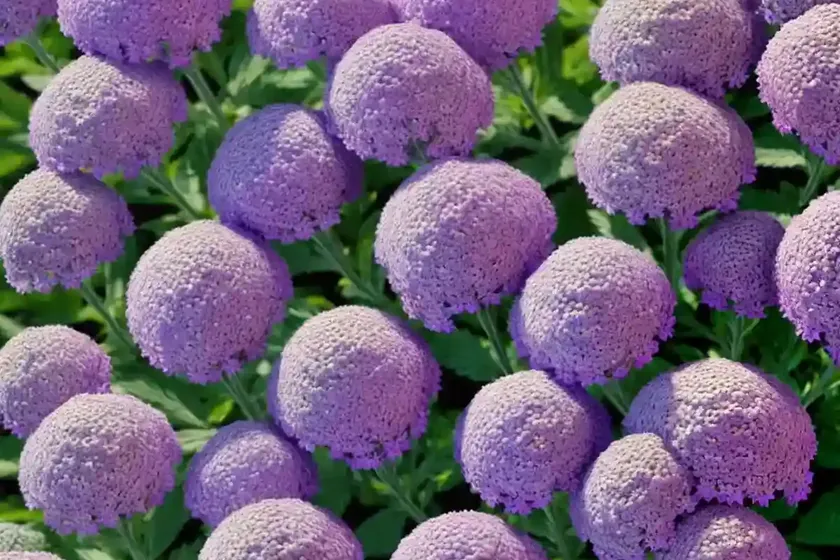
Achillea millefolium, commonly known as yarrow, is a versatile and popular perennial plant that is valued for its tolerance to various growing conditions, attractive flowers, and numerous applications in gardens and landscapes. Among its many cultivars, the ‘Lilac Beauty’ variety stands out for its delicate lilac-colored flowers, making it a sought-after addition to gardens and natural landscapes. In this comprehensive guide, we will explore the diverse aspects of Achillea millefolium ‘Lilac Beauty’, from its characteristics and cultural requirements to its uses, maintenance, and benefits.
What is Achillea millefolium ‘Lilac Beauty’?
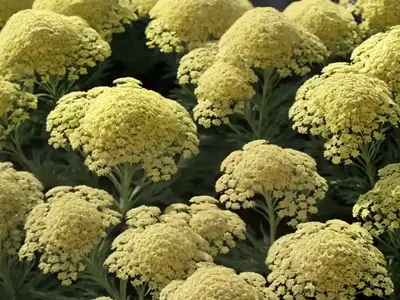
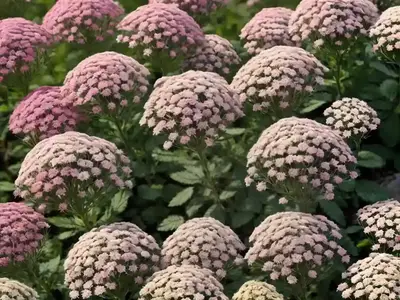
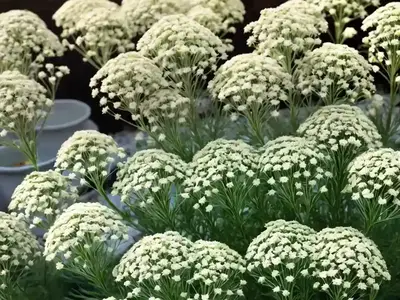
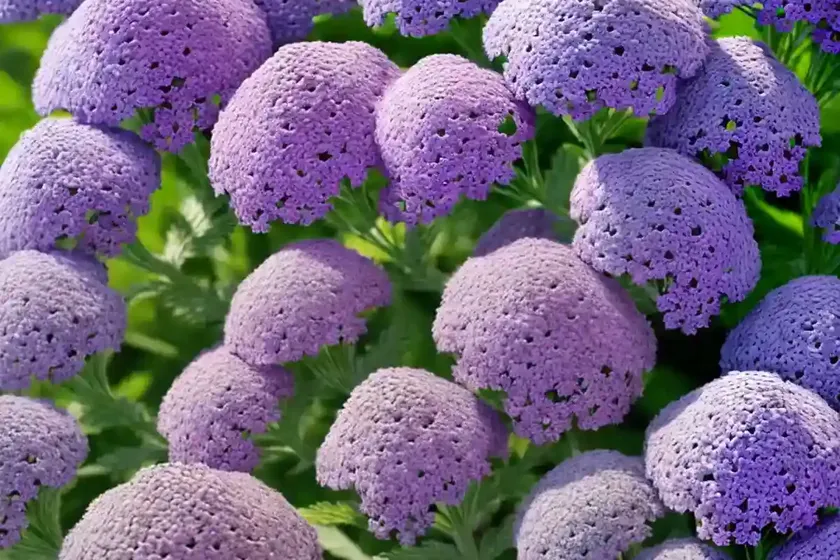
Achillea millefolium ‘Lilac Beauty’ is a cultivar of the yarrow plant, known for its finely-divided, fern-like leaves and clusters of tiny, fragrant flowers that bloom in shades of lilac. As a member of the Asteraceae family, this perennial herbaceous plant is native to temperate regions of the Northern Hemisphere and is known for its hardiness and adaptability. With its delicate appearance and tolerance to various growing conditions, ‘Lilac Beauty’ has earned a cherished spot in gardens, landscapes, and herbal medicine practices.
Key Takeaways
Achillea millefolium ‘Lilac Beauty’
As we delve into the world of Achillea millefolium ‘Lilac Beauty’, we will cover a wide range of topics to provide a comprehensive understanding of this plant. From its cultural requirements to its uses, maintenance, and ecological benefits, we aim to equip readers with the knowledge needed to cultivate, appreciate, and maximize the potential of this enchanting yarrow variety.
Culture
Understanding the cultural requirements of Achillea millefolium ‘Lilac Beauty’ is essential for successful cultivation. This includes considerations related to water, sunlight, fertilizer, soil, and pruning. By meeting its specific needs, gardeners can ensure the optimal growth and performance of this yarrow cultivar.
Uses
The versatile uses of Achillea millefolium ‘Lilac Beauty’ extend beyond ornamental purposes to encompass medicinal, culinary, and ecological applications. Exploring its diverse uses illuminates the multifaceted value of this plant in various contexts and underscores its significance in the natural world.
Common Diseases and Pests
Recognizing the common diseases and pests that affect Achillea millefolium ‘Lilac Beauty’ is crucial for effective management and preservation of plant health. By identifying and addressing potential issues, gardeners can safeguard the vitality and longevity of this yarrow variety.
Botanist’s Tips
Insights from botanists offer valuable guidance and expertise in understanding, caring for, and utilizing Achillea millefolium ‘Lilac Beauty’. By incorporating specialized knowledge, enthusiasts can enhance their appreciation and stewardship of this captivating plant.
Fun Facts
Discovering intriguing and lesser-known facts about Achillea millefolium ‘Lilac Beauty’ reveals the fascinating characteristics, history, and ecological connections of this yarrow cultivar. Engaging with fun facts deepens the connection to this plant and enriches the overall experience of cultivating and enjoying it.
With these key takeaways in mind, let’s embark on an immersive exploration of Achillea millefolium ‘Lilac Beauty’, uncovering its nuances and celebrating its significance in the botanical realm.
Achillea millefolium ‘Lilac Beauty’: Description
Plant Family and Origins
Achillea millefolium ‘Lilac Beauty’ belongs to the Asteraceae family, commonly referred to as the aster, daisy, or sunflower family. This plant family is notable for its diverse array of flowering plants, encompassing numerous genera and species with wide-ranging ecological and horticultural significance.
The genus Achillea, to which Achillea millefolium belongs, includes several species of yarrow known for their finely dissected leaves and flat-topped clusters of flowers. The species name “millefolium” is derived from Latin, translating to “thousand leaves”, effectively capturing the intricate and feathery appearance of the plant’s foliage.
Morphological Characteristics
Achillea millefolium ‘Lilac Beauty’ exhibits distinctive morphological traits that contribute to its visual appeal and ecological adaptations. The following features offer insights into the appearance and structure of this yarrow cultivar:
-
Leaves: The leaves of Achillea millefolium ‘Lilac Beauty’ are finely divided, creating a feathery and delicate texture. The leaf segments are narrow and numerous, giving rise to the common name “thousand-leaf yarrow” or “thousand-leaf clover”.
-
Flowers: The flowers of ‘Lilac Beauty’ yarrow are arranged in dense, flattened clusters known as corymbs. Each individual flower is small and composed of numerous tiny florets, resulting in an overall appearance of abundant and intricate floral displays. The lilac-colored blooms are a signature feature of this cultivar, imbuing it with a distinct charm and beauty.
-
Root System: Beneath the soil surface, Achillea millefolium ‘Lilac Beauty’ develops a fibrous root system that enables efficient nutrient uptake and moisture absorption. This adaptive root architecture contributes to the plant’s resilience and capacity to thrive in diverse growing conditions.
Yarrow Plant Varieties
In addition to Achillea millefolium ‘Lilac Beauty’, the broader species of Achillea millefolium encompasses an array of varieties and cultivars with varying flower colors, sizes, and growth habits. Some notable yarrow varieties include:
-
Achillea millefolium ‘Paprika’: Characterized by vibrant red flowers, ‘Paprika’ yarrow offers a bold and striking visual impact in garden settings. Its compact growth habit and extended bloom time further enhance its appeal.
-
Achillea millefolium ‘Terra Cotta’: With warm, terracotta-hued flowers, this yarrow variety exudes a rich and earthy aesthetic. Its resilience and drought tolerance make it well-suited for arid and xeriscaped landscapes.
-
Achillea millefolium ‘Apple Blossom’: Boasting delicate, pastel pink flowers, ‘Apple Blossom’ yarrow introduces a soft and ethereal presence to garden compositions. Its graceful appearance and compatibility with pollinators make it a valuable addition to diverse planting schemes.
These variations in flower color and form among yarrow cultivars exemplify the diversity and adaptability within the Achillea millefolium species.
Growing Achillea millefolium
Water
Achillea millefolium ‘Lilac Beauty’ exhibits a notable tolerance to drought conditions, making it well-suited for water-wise gardening and landscapes with limited irrigation. While established plants can endure periods of low moisture, consistent watering during the initial establishment phase is beneficial for promoting robust root development and overall vitality. Deep, infrequent watering is advisable to encourage a strong and resilient root system, enabling the plant to withstand periods of water scarcity.
Sunlight
Ample sunlight is essential for the optimal growth and flowering of Achillea millefolium ‘Lilac Beauty’. This yarrow cultivar thrives in full sun conditions, requiring a minimum of 6-8 hours of direct sunlight daily. Exposure to sunlight facilitates vigorous growth, promotes abundant flowering, and enhances the overall aesthetic appeal of the plant. In regions with intense heat, providing partial afternoon shade may help prevent excessive stress on the plant during peak summer months.
Fertilizer
Achillea millefolium ‘Lilac Beauty’ generally thrives in nutrient-poor soils and does not require frequent fertilization. Excessive soil fertility can lead to vigorous vegetative growth at the expense of floral abundance, compromising the plant’s ornamental value. In most cases, incorporating organic matter such as well-aged compost into the soil during initial planting is sufficient to provide the necessary nutrients for sustained growth. Synthetic fertilizers can be sparingly applied if soil deficiencies are evident, but a balanced approach is crucial to avoid excessive nutrient enrichment.
Soil
The soil requirements of Achillea millefolium ‘Lilac Beauty’ align with its adaptable nature and preference for well-drained, moderately fertile substrates. Sandy or loamy soils with good drainage characteristics are conducive to the healthy development of yarrow plants. Soil pH ranging from slightly acidic to slightly alkaline (pH 6.0-7.5) is suitable for ‘Lilac Beauty’, ensuring optimal nutrient availability and root function. Amendments such as perlite and organic matter can be incorporated to enhance soil structure and moisture retention, particularly in coarse or compacted soils.
Yarrow ‘Lilac Beauty’ Characteristics
Achillea millefolium ‘Lilac Beauty’ possesses distinct characteristics that contribute to its appeal and utility in various horticultural and ecological contexts. Understanding these traits provides valuable insights into the unique attributes and potential applications of this yarrow cultivar.
-
Flower Color: The delicate lilac-colored flowers of ‘Lilac Beauty’ yarrow are a defining feature that distinguishes it from other yarrow varieties. The soft and ethereal hue of the blooms lends a charming and whimsical quality to garden landscapes and floral arrangements.
-
Foliage Texture: The finely dissected leaves of Achillea millefolium ‘Lilac Beauty’ contribute to its overall texture and visual interest. The feathery foliage creates a dynamic contrast with coarser or broader-leaved plants, enhancing the diversity and intricacy of planting compositions.
-
Compact Growth Habit: ‘Lilac Beauty’ yarrow typically exhibits a relatively compact growth habit, forming mounded clumps of foliage that serve as attractive ground covers or edging plants. This growth habit lends itself well to mixed borders, rock gardens, and container plantings.
-
Fragrance: The flowers of Achillea millefolium ‘Lilac Beauty’ emit a mild, aromatic fragrance, adding a sensory dimension to outdoor spaces and encouraging pollinator activity. The subtle scent contributes to the overall allure of this yarrow variety, particularly in garden settings.
-
Wildlife Attractant: As a nectar source for butterflies, bees, and other pollinators, Achillea millefolium ‘Lilac Beauty’ supports biodiversity and ecological balance within natural and cultivated landscapes. Its contribution to wildlife habitat enhancement underscores its ecological significance.
Achillea millefolium ‘Lilac Beauty’ Uses
Medicinal Properties
Achillea millefolium ‘Lilac Beauty’ shares the medicinal benefits attributed to its species, with historical and contemporary uses in herbal medicine and traditional healing practices. The following are some of the medicinal properties associated with yarrow:
-
Wound Healing: Yarrow possesses astringent and antiseptic properties, making it valuable in the treatment of minor cuts, bruises, and wounds. Compresses, salves, or washes prepared from yarrow leaves and flowers aid in promoting clotting and disinfecting injured skin.
-
Anti-inflammatory Effects: Yarrow is known for its anti-inflammatory qualities, which are leveraged in treating conditions such as rheumatoid arthritis, muscle soreness, and inflamed joints. Preparations like teas, tinctures, or poultices provide relief from localized inflammation and discomfort.
-
Digestive Aid: The consumption of yarrow-infused teas or tinctures is believed to support digestive health by stimulating appetite, alleviating indigestion, and minimizing gastrointestinal discomfort. Yarrow’s bitter principles contribute to its digestive tonic properties.
Culinary Uses
While not as widely utilized in culinary applications as in herbal medicine, yarrow has historical associations with food and beverages. The following culinary uses of yarrow exemplify its adaptability and versatility in gastronomic contexts:
-
Flavoring Agent: Yarrow leaves and flowers impart a mildly bitter and herbaceous flavor, which can be incorporated into salads, soups, and herbal infusions for added complexity and nuance. Their aromatic qualities contribute to the culinary diversity of infused oils and vinegars.
-
Brewing Ingredient: Yarrow historically played a role in brewing, particularly in ales and gruits. Its bittering and aromatic characteristics have been valued in traditional and historical beer recipes, adding distinctiveness to fermented beverages.
While the culinary uses of yarrow are not as widespread as its medicinal applications, its potential in diverse culinary creations reflects its multifaceted nature.
Landscape Uses
Achillea millefolium ‘Lilac Beauty’ fulfills several roles in landscape design and horticultural applications, offering both ornamental and ecological benefits. The following are key landscape uses of this yarrow variety:
-
Pollinator Gardens: As a nectar-rich plant, ‘Lilac Beauty’ yarrow contributes to pollinator gardens and wildlife-friendly landscapes, supporting the needs of bees, butterflies, and other beneficial insects. Its bloom clusters provide abundant floral resources during the flowering season, enhancing the ecological value of garden spaces.
-
Mixed Borders and Perennial Beds: The compact growth habit and attractive flowers of Achillea millefolium ‘Lilac Beauty’ make it a valuable component of mixed borders and perennial planting schemes. Its compatibility with a wide range of companion plants and its adaptability to various soil types contribute to its versatility in garden designs.
By harnessing the diverse uses of Achillea millefolium ‘Lilac Beauty’, gardeners and landscape enthusiasts can integrate this yarrow variety into multifaceted roles, realizing its potential in the realms of health, cuisine, and ecological stewardship.
Yarrow ‘Lilac Beauty’ Pruning Guide
Pruning Techniques
Pruning plays a crucial role in maintaining the vigor, aesthetics, and longevity of Achillea millefolium ‘Lilac Beauty’. Employing appropriate pruning techniques at different stages of growth ensures the continuous health and beauty of this yarrow cultivar. The following pruning guidelines are conducive to effective management of ‘Lilac Beauty’ yarrow:
-
Deadheading: Regular deadheading of spent blooms promotes extended flowering and discourages self-seeding, thereby contributing to the overall tidiness and flowering capacity of the plant. Snipping faded flower heads down to the nearest set of leaves or buds encourages the development of new blooms.
-
Division: Over time, clumps of Achillea millefolium ‘Lilac Beauty’ may become congested or exhibit declining vigor. Division, a form of rejuvenation pruning, involves lifting and dividing the plant into smaller sections, typically every 3-4 years. This practice revitalizes the plant, stimulates new growth, and prevents overcrowding.
-
Stem Pruning: In late fall or early spring, cutting back the stems of Achillea millefolium ‘Lilac Beauty’ to ground level or several inches above facilitates rejuvenation and prepares the plant for a fresh growth cycle. This practice aids in maintaining the compactness and rejuvenating the vitality of the plant.
By integrating these pruning techniques into the care regimen of Achillea millefolium ‘Lilac Beauty’, gardeners can ensure its sustained health, flowering performance, and aesthetic appeal.
Achillea millefolium ‘Lilac Beauty’ Propagation
Propagation Methods
The propagation of Achillea millefolium ‘Lilac Beauty’ offers opportunities to expand its presence in garden settings and to share its beauty with other enthusiasts. Several propagation methods enable the multiplication and dissemination of this yarrow variety, including the following approaches:
-
Division: Division involves separating established clumps of ‘Lilac Beauty’ yarrow into smaller sections, each containing viable roots and shoots. This straightforward method is typically performed in early spring or early fall and facilitates the rapid establishment of new plants.
-
Seed Propagation: Collecting and sowing seeds from Achillea millefolium ‘Lilac Beauty’ opens avenues for growing new generations of this yarrow variety. Seed propagation allows for genetic diversity and may result in novel variations in flower color or form, enriching the genetic pool of ‘Lilac Beauty’ yarrow.
-
Stem Cuttings: Using stem cuttings from healthy, actively growing plants, particularly during the spring and summer seasons, enables the vegetative propagation of Achillea millefolium ‘Lilac Beauty’. Rooting hormone may be applied to expedite the development of roots on the cuttings, facilitating successful establishment.
Container Propagation
Achillea millefolium ‘Lilac Beauty’ can also be propagated in containers, offering flexibility and convenience in managing the growth and spread of this yarrow cultivar. Container propagation involves the following steps:
-
Selecting Containers: Choose well-draining and appropriately sized containers to accommodate the propagation of ‘Lilac Beauty’ yarrow. Utilize containers with drainage holes to prevent waterlogging and ensure optimal root health.
-
Potting Mix: Prepare a well-draining potting mix composed of a blend of peat, perlite, and coarse sand. This substrate facilitates the establishment of roots and minimizes the risk of waterlogged conditions.
-
Planting and Care: Plant division sections, stem cuttings, or seedlings in the containers, ensuring proper placement and firming the soil around the roots. Provide adequate watering and suitable light exposure to support the growth and establishment of propagated ‘Lilac Beauty’ yarrow.
By propagating Achillea millefolium ‘Lilac Beauty’ using these methods, gardeners can enrich their gardening endeavors and contribute to the proliferation of this captivating yarrow variety.
Yarrow ‘Lilac Beauty’ Medicinal Properties
Achillea millefolium ‘Lilac Beauty’ possesses a range of medicinal properties that align with the broader therapeutic attributes of the Achillea millefolium species. Incorporating the medicinal potential of ‘Lilac Beauty’ yarrow supports the exploration of holistic health practices and natural remedies. The following medicinal properties of this yarrow variety exemplify its traditional and contemporary uses:
-
Anti-Inflammatory Effects: Yarrow, including Achillea millefolium ‘Lilac Beauty’, is recognized for its anti-inflammatory properties, which can be harnessed in alleviating inflammatory conditions and promoting overall well-being. Its potential as a natural anti-inflammatory agent merits consideration in herbal medicine formulations and health-supporting protocols.
-
Wound Healing Abilities: The wound-healing properties of yarrow are attributed to its coagulant and antiseptic qualities, which contribute to the expedited closure and disinfection of minor wounds and abrasions. Harnessing these benefits enhances the utility of Achillea millefolium ‘Lilac Beauty’ in natural first aid and skincare applications.
-
Digestive Support: Yarrow has a historical association with digestive health, aiding in digestion, reducing indigestion, and promoting overall gastrointestinal well-being. Preparations such as teas, tinctures, or infused oils leverage yarrow’s digestive tonic qualities, providing holistic support.
By recognizing and respecting the medicinal properties of Achillea millefolium ‘Lilac Beauty’, individuals can engage with this yarrow variety in holistic health practices and wellness approaches, complementing its ornamental presence with meaningful therapeutic connections.
Achillea millefolium ‘Lilac Beauty’ in Landscaping
Drought Tolerance
Achillea millefolium ‘Lilac Beauty’ exhibits considerable drought tolerance, enabling it to withstand arid and dry conditions with