Achillea Millefolium ‘Firefly Sunshine’ (Yarrow)
In this blog post, we will dive into the world of Achillea millefolium ‘Firefly Sunshine’ commonly known as Yarrow. As a plant scientist, I am excited to.
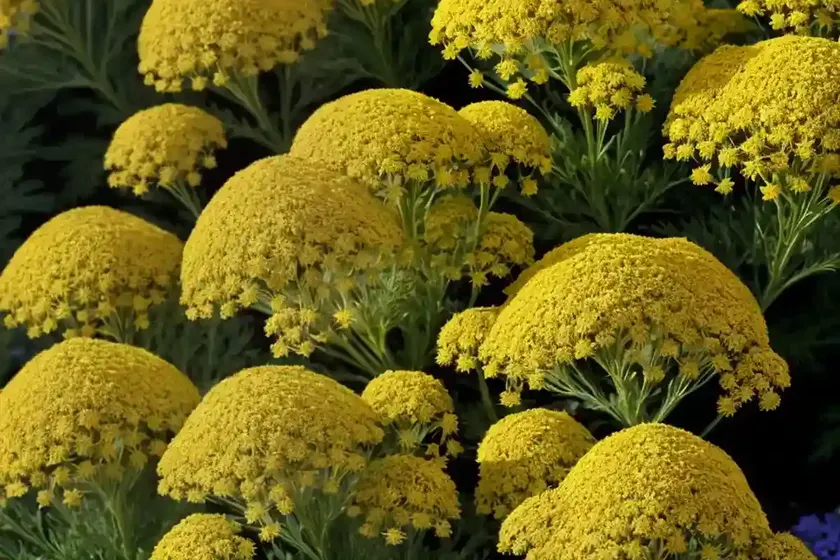
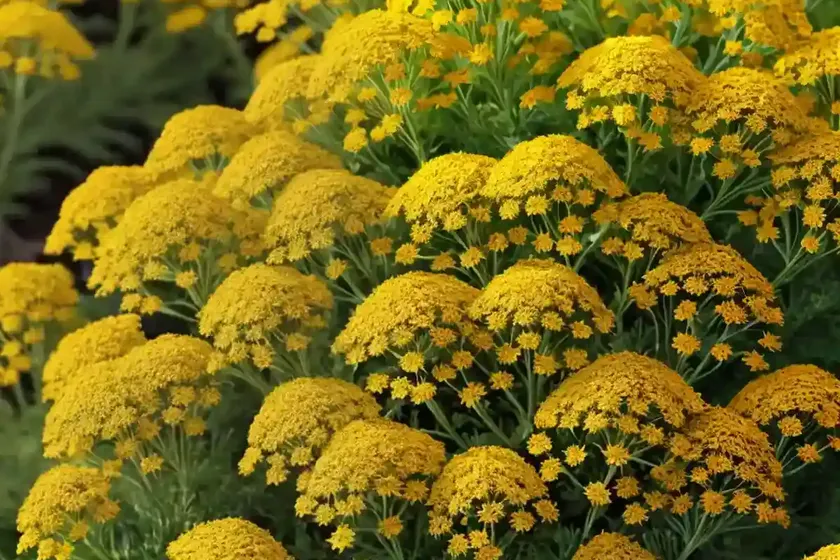
In this blog post, we will dive into the world of Achillea millefolium ‘Firefly Sunshine’ commonly known as Yarrow. As a plant scientist, I am excited to share with you the key takeaways, culture, uses, care tips, and interesting facts about this fascinating plant species.
What is Achillea millefolium ‘Firefly Sunshine’ (Yarrow)?
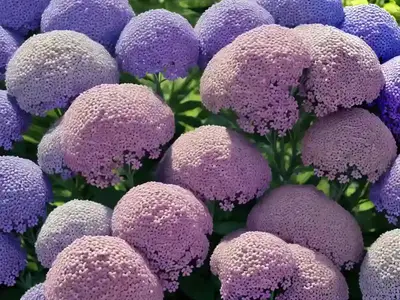
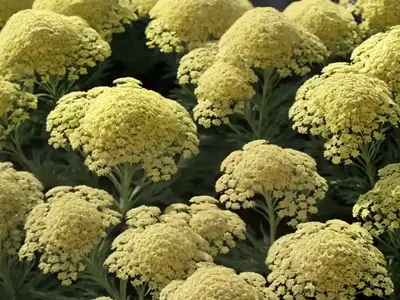
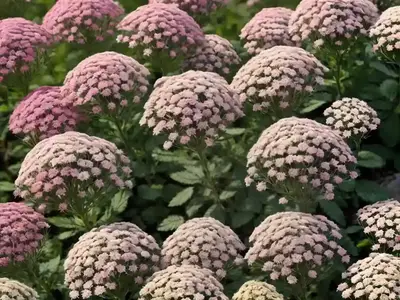
‘Achillea millefolium’ or Yarrow is a popular, hardy, herbaceous perennial plant that is native to temperate regions of the Northern Hemisphere, such as Europe and North America. It belongs to the Asteraceae family and is characterized by its finely dissected, aromatic foliage and flat-topped clusters of flowers that come in a variety of colors including white, yellow, pink, and red.
Plant Name: “Achillea millefolium ‘Firefly Sunshine’ (Yarrow)”
- Scientific Name: Achillea millefolium ‘Firefly Sunshine’
- Common Name: Yarrow
- Family: Asteraceae
- Origin: Native to temperate regions of the Northern Hemisphere
Now, let’s delve into the key aspects of this plant and understand its culture, uses, and essential care requirements.
Key Takeaways – Achillea millefolium ‘Firefly Sunshine’ (Yarrow)
Culture
Uses
- Medicinal purposes
- Ornamental garden plant
- Landscape design
Care
- Water: Moderate
- Sunlight: Full sun to part shade
- Soil: Well-draining
- Fertilizer: Low-nutrient
- Pruning: Regular deadheading of spent flowers
Propagation
- Division
- Seed propagation
Container Popularity
- Suitable for container gardening
Common Diseases
- Powdery mildew
- Rust
- Botrytis blight
Common Pests
- Aphids
- Spider mites
Fun Facts
- Yarrow has a long history of medicinal use, including its role as a styptic for wounds on the battlefield.
Now that we have an overview, let’s explore each aspect in more detail.
Water
Yarrow plants have moderate water needs and are relatively drought-tolerant once established. It is crucial to allow the soil to dry out between watering sessions to prevent waterlogged conditions, which can lead to root rot. In general, it is recommended to water Yarrow deeply but infrequently, especially during hot, dry periods.
Yarrow Plant Water Needs
- Watering Frequency: Moderate
- Drought Tolerance: High
- Preferable Watering Method: Deep but infrequent watering
- Signs of Overwatering: Wilting, yellowing leaves
Sunlight
Yarrow thrives in full sun to part shade conditions. However, to ensure optimal flowering and overall plant vigor, it is preferable to provide them with at least six hours of direct sunlight per day.
Yarrow Plant Sun Exposure
- Sunlight Requirements: Full sun to part shade
- Optimal Sun Exposure: At least 6 hours of direct sunlight per day
- Tolerance to Shade: Moderate
Fertilizer
Yarrow is a resilient plant that generally thrives in low-nutrient conditions. Excessive fertilization can lead to leggy growth and reduced flowering. Therefore, it is best to apply a balanced, slow-release fertilizer sparingly in the spring to support healthy growth and bloom production.
Yarrow Plant Fertilizer
- Nutrient Requirement: Low
- Fertilizer Type: Balanced, slow-release
- Application Time: Spring
Soil
Well-draining soil is essential for Yarrow plants as they are susceptible to root rot in waterlogged conditions. A sandy or loamy soil with good drainage capabilities is ideal for growing Yarrow. Additionally, maintaining slightly alkaline to neutral soil pH levels (6.0-7.5) is beneficial for their growth and overall health.
Yarrow Plant Soil Requirements
- Soil Type: Well-draining, sandy or loamy
- pH Range: Slightly alkaline to neutral (6.0-7.5)
- Soil Moisture: Well-draining
Pruning
Regular deadheading of spent flowers not only promotes continuous blooming but also prevents Yarrow from self-seeding excessively. This practice also helps in maintaining a tidy and attractive appearance of the plant throughout the growing season.
Yarrow Plant Pruning
- Pruning Type: Deadheading of spent flowers
- Benefits: Encourages continuous flowering, prevents self-seeding, maintains plant appearance
Propagation
Yarrow can be propagated through both seed and division methods. While division is typically done in early spring or fall, seed propagation can be carried out in the fall or early spring.
Yarrow Plant Propagation
- Methods: Division, Seed propagation
- Best Time for Division: Early spring or fall
- Best Time for Seed Propagation: Fall or early spring
Container Popularity
Yarrow is well-suited for container gardening, making it a versatile plant for those with limited garden space. When grown in containers, it is important to ensure adequate drainage and provide regular watering as per the plant’s needs.
Yarrow Plant Container Gardening
- Suitability: Well-suited for container gardening
- Container Size: At least 12 inches in diameter
- Drainage: Essential
- Watering: Regular, based on plant needs
Common Diseases
Yarrow plants are generally resistant to diseases; however, they can be affected by fungal issues such as powdery mildew, rust, and botrytis blight. Providing proper air circulation by spacing plants appropriately and avoiding overhead watering can help prevent these diseases.
Yarrow Plant Common Diseases
- Powdery Mildew
- Symptoms: Powdery, white fungal growth on leaves
- Prevention: Proper air circulation, fungal treatments if necessary
- Rust
- Symptoms: Orange or rust-colored spots on leaves
- Prevention: Avoiding overhead watering, space plants for air circulation
- Botrytis Blight
- Symptoms: Grayish-brown fungal growth on flowers and stems
- Prevention: Adequate spacing, avoiding overhead watering
Common Pests
While Yarrow is relatively resistant to pests, it can occasionally face challenges from aphids and spider mites. Regular inspection of the plants and appropriate pest management strategies can effectively control these pests.
Yarrow Plant Common Pests
- Aphids
- Identification: Small, soft-bodied insects on plant foliage
- Control: Insecticidal soap, neem oil
- Spider Mites
- Identification: Fine webbing and stippling on leaves
- Control: Spraying with water, predatory mites
Botanist’s Tips
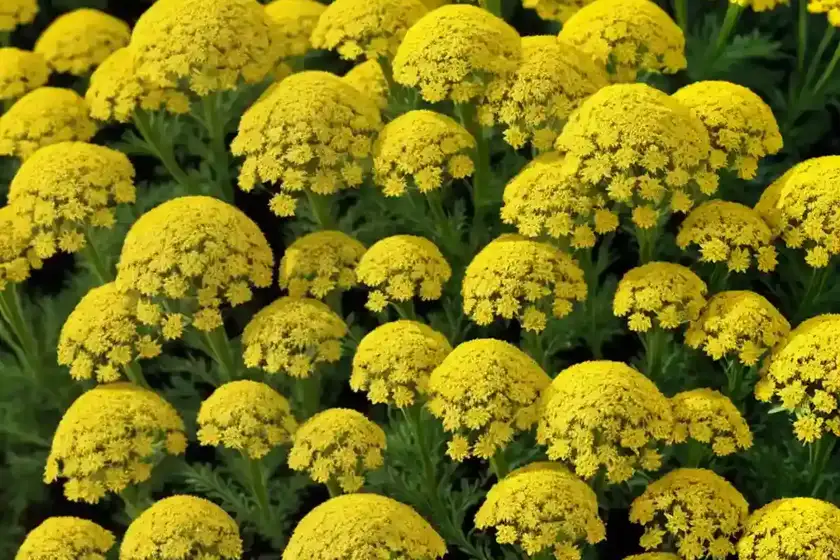
- Selecting the right cultivar is key to achieving the desired color and growth habit in Yarrow plants. Varieties such as ‘Firefly Sunshine’ offer vibrant yellow blooms and a compact growth habit.
- Yarrow’s ability to attract beneficial insects and pollinators makes it an excellent addition to pollinator gardens and naturalistic landscapes.
- In medicinal use, Yarrow has been traditionally valued for its astringent and healing properties, and it is important to note that its medicinal use should be approached with proper knowledge and caution.
Fun Facts
- Yarrow has a rich history in traditional medicine. It was used in ancient times to treat wounds, and its botanical name, Achillea, is derived from the Greek warrior Achilles, who is said to have used Yarrow to heal soldiers’ wounds during the Trojan War.
- Yarrow’s finely dissected foliage and flat-topped flower clusters make it a favorite among pollinators, including bees and butterflies. Its nectar-rich flowers are a valuable source of food for these beneficial insects.
Now that we have explored the essential aspects of Yarrow, let’s understand its significance through the following external resources and further expand our knowledge on this fascinating plant species.
Links to External Resources
- Achillea millefolium ‘Firefly Sunshine’ – Missouri Botanical Garden
- Yarrow: A Versatile and Durable Perennial – University of Illinois Extension
- Medicinal Uses of Yarrow – Herbal Academy
With the information shared in this blog post, I hope you have gained valuable insights into the world of Achillea millefolium ‘Firefly Sunshine’ (Yarrow), its culture, uses, and essential care requirements. By incorporating this versatile plant into our gardens and landscapes, we can appreciate its beauty, resilience, and the ecological benefits it offers.
In the next section, I will further expand on the recommended sources of this plant, and on various considerations and techniques for the care of ‘Achillea millefolium ‘Firefly Sunshine’ (Yarrow)’.
References
- RHS. Achillea: https://www.rhs.org.uk/advice/profile?PID=242
- University of Wisconsin-Madison. Achillea millefolium: https://hort.extension.wisc.edu/articles/yarrow-achillea-millefolium/
- North Carolina State University. Yarrow: https://plants.ces.ncsu.edu/plants/achillea-millefolium/
- Royal Botanic Gardens, Kew. Achillea millefolium: https://www.kew.org/science/plants-fungi/achillea-millefolium-yarrow