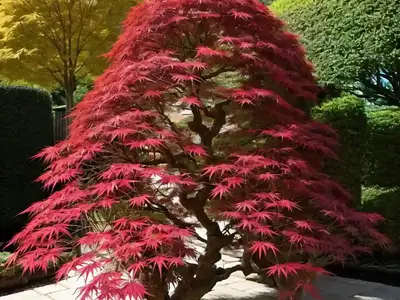
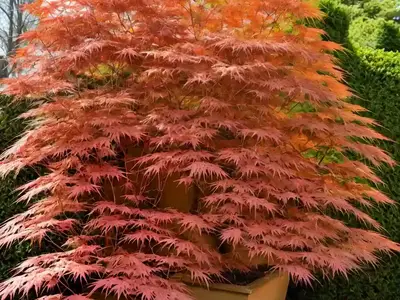
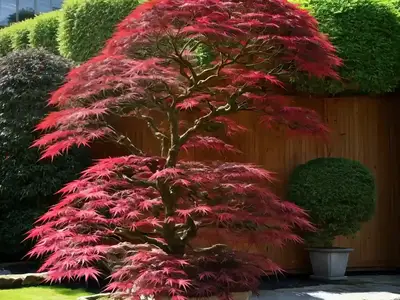
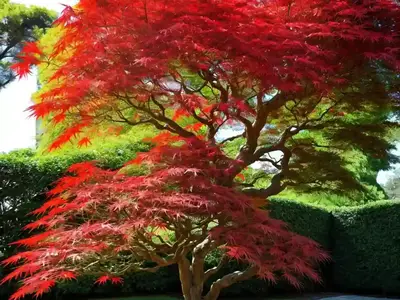
Acer Palmatum ‘Osakazuki’ (Japanese Maple)
Acer palmatum ‘Osakazuki’ is a stunning and highly prized cultivar of Japanese Maple, renowned for its remarkable beauty and striking foliage. This.
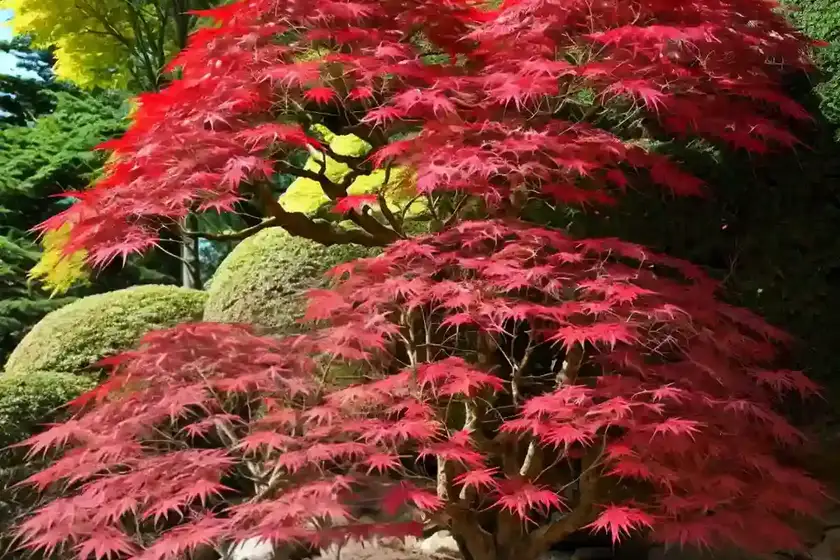
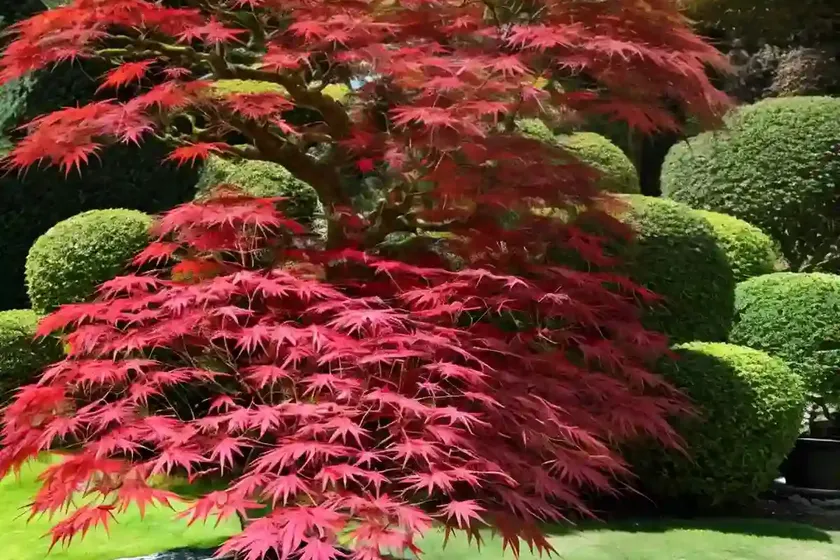
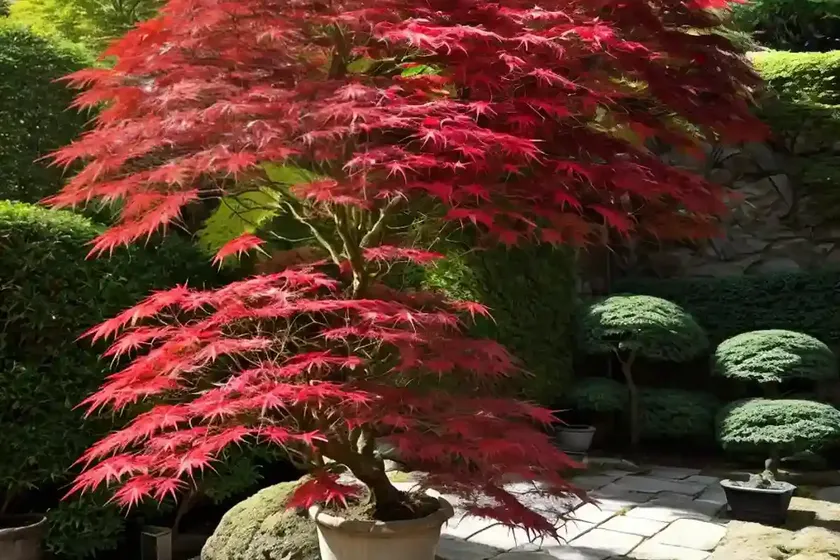
Acer palmatum ‘Osakazuki’ is a stunning and highly prized cultivar of Japanese Maple, renowned for its remarkable beauty and striking foliage. This ornamental tree is celebrated for its delicate leaves, vibrant autumn colors, and graceful form, making it a popular choice for gardeners and landscapers around the world. In this comprehensive guide, we will delve into the various aspects of nurturing and caring for Acer palmatum ‘Osakazuki’, encompassing its cultural requirements, uses, propagation, common diseases, and much more.
Key Takeaways – Acer palmatum ‘Osakazuki’ (Japanese Maple)
Before we delve into the finer details, here is an overview of the key takeaways about the Acer palmatum ‘Osakazuki’:
-
Scientific Name: Acer palmatum ‘Osakazuki’
-
Common Name: Japanese Maple ‘Osakazuki’
-
Characteristics: This cultivar is known for its wide, palmate leaves that turn from a rich green in spring and summer to vibrant shades of crimson and scarlet in the fall.
-
Growing Conditions: Acer palmatum ‘Osakazuki’ thrives in well-draining, slightly acidic soil, and prefers partial shade to protect its foliage from scorching.
-
Pruning: Regular maintenance pruning is essential to maintain its shape and promote healthy growth.
-
Propagation: Propagating ‘Osakazuki’ Japanese Maple can be done through various methods such as seed propagation, grafting, or layering.
-
Common Pests and Diseases: It may be susceptible to specific pests and diseases, requiring vigilance and appropriate measures for protection.
The cultural requirements of Acer palmatum ‘Osakazuki’ are pivotal for ensuring its optimal growth and exceptional ornamental display. From soil and sunlight preferences to watering and fertilization needs, understanding the cultural aspects is fundamental.
Uses
The Acer palmatum ‘Osakazuki’ is extensively utilized for its aesthetic appeal and landscaping versatility. Its uses include:
-
Ornamental Tree: ‘Osakazuki’ Japanese Maple serves as a visually striking focal point in gardens and landscapes, especially during the autumn months when its foliage transitions to vibrant hues.
-
Japanese Gardens: It is commonly featured in traditional Japanese gardens, adding an authentic touch with its graceful foliage and elegant form.
-
Bonsai: This cultivar is well-suited for bonsai cultivation, owing to its compact size and intricate foliage.
-
Landscape Enhancement: ‘Osakazuki’ Japanese Maple is frequently incorporated into landscape design to add color, texture, and visual interest.
Proper watering is crucial for the health and vitality of Acer palmatum ‘Osakazuki’. While it is essential to ensure an adequate supply of moisture, overwatering can lead to root rot and other detrimental issues.
-
Watering Needs: The Japanese Maple ‘Osakazuki’ thrives in moist, well-draining soil, and requires consistent watering during dry spells, especially in the summer months.
-
Mulching: Applying a layer of organic mulch around the base of the tree helps retain soil moisture and regulates temperature, benefiting the overall health of the plant.
-
Avoid Waterlogging: To prevent waterlogging, it is imperative to ensure proper drainage to prevent water from accumulating around the roots.
The sunlight requirements of Acer palmatum ‘Osakazuki’ play a pivotal role in its overall health and vigor. Proper exposure to sunlight impacts the foliage color, growth rate, and resilience of the tree.
-
Partial Shade: ‘Osakazuki’ Japanese Maple thrives in locations with dappled or partial shade, particularly during the intense midday sun.
-
Protection from Harsh Sunlight: Protecting the tree from long durations of direct sunlight helps preserve the delicate foliage and prevents leaf scorch.
-
Morning Sun: A location with morning sun and afternoon shade often provides an ideal balance for the cultivation of ‘Osakazuki’ Japanese Maple.
Strategic fertilization is essential for promoting the growth and vibrancy of Acer palmatum ‘Osakazuki’, ensuring the availability of essential nutrients for its development and resilience.
-
Balanced Fertilizer: Utilize a balanced, slow-release fertilizer specially formulated for ornamental trees, applying it in accordance with the manufacturer’s guidelines.
-
Spring Fertilization: Applying a granular, slow-release fertilizer in early spring supports the tree’s growth as it emerges from dormancy.
-
Moderation: Avoid excessive fertilization or applying fertilizer too close to the trunk to prevent root burn and other potential issues.
The soil composition and quality significantly influence the growth, health, and appearance of Acer palmatum ‘Osakazuki’. Providing suitable soil conditions is pivotal for the tree’s well-being.
-
Drainage: Well-draining soil is essential to prevent waterlogging and root rot. Sandy loam or loamy soil with good drainage is preferable.
-
Acidity: Japanese Maple ‘Osakazuki’ thrives in slightly acidic soil with a pH range between 5.5 to 6.5. Amending the soil with organic matter can enhance its acidity.
-
Mulching: Applying organic mulch around the base of the tree not only retains moisture but also enriches the soil as it decomposes.
Effective pruning is integral for shaping, maintaining, and enhancing the aesthetic appeal of Acer palmatum ‘Osakazuki’, ensuring its long-term health and vigor.
-
Formative Pruning: Conduct formative pruning during the early years to establish a well-balanced and robust framework for the tree.
-
Maintenance Pruning: Regular pruning of dead or diseased branches, as well as those that congest the canopy, promotes air circulation and overall tree health.
-
Timing: Prune ‘Osakazuki’ Japanese Maple during the dormant season to minimize stress and allow for optimal healing.
The propagation of Acer palmatum ‘Osakazuki’ can be accomplished through various methods, each with its own unique advantages and considerations.
Methods of Propagation
-
Seed Propagation: Propagating from seeds allows for genetic diversity but may take several years for the new plants to mature.
-
Grafting: Grafting onto suitable rootstock enables the replication of specific traits and characteristics of the desired cultivar.
-
Layering: Air layering or simple layering can be employed to propagate ‘Osakazuki’ Japanese Maple, utilizing the tree’s natural ability to form roots from branches.
Acer palmatum ‘Osakazuki’ is appreciated for its adaptability to container cultivation, allowing it to thrive in various settings, from small patios to urban gardens.
-
Urban Landscapes: Its suitability for container cultivation makes ‘Osakazuki’ Japanese Maple well-suited for urban landscapes and small outdoor spaces.
-
Versatility: Cultivating this cultivar in containers provides flexibility, allowing for easy repositioning and customization of the outdoor environment.
-
Aesthetic Appeal: ‘Osakazuki’ Japanese Maple in containers adds a touch of elegance and visual allure to patios, balconies, and other outdoor settings.
Despite the advantages of container cultivation, Acer palmatum ‘Osakazuki’ may still be susceptible to specific diseases that can affect its health and appearance.
-
Root Rot: Overwatering or inadequate drainage in containers can lead to root rot, potentially compromising the tree’s vitality.
-
Fungal Infections: Certain fungi may thrive in the warm and moist conditions of containerized plants, necessitating vigilance and appropriate care.
-
Pest Infestations: Inadequate soil moisture or compromised root health can make containerized ‘Osakazuki’ Japanese Maples more vulnerable to pest attacks.
Diagnosing and addressing diseases promptly is crucial for safeguarding the health and longevity of Acer palmatum ‘Osakazuki’.
-
Symptom Observation: Regularly inspect the foliage, branches, and the overall appearance of the tree for any abnormal signs or symptoms.
-
Professional Consultation: If uncertain about a specific disease or its management, seeking guidance from a certified arborist or horticulturist can facilitate accurate diagnosis and treatment.
-
Timely Intervention: Swift and appropriate intervention, such as targeted fungicidal treatments or pruning of affected areas, can mitigate the impact of diseases.
‘Osakazuki’ Japanese Maple may encounter various pests that can compromise its growth and aesthetics, necessitating proactive measures for prevention and control.
Common Pests
-
Aphids: These sap-sucking insects can cause foliage distortion and discoloration if left unchecked.
-
Scale Insects: Scale insects can infest the tree, forming protective shells on the bark and weakening the plant.
-
Caterpillars: Certain caterpillar species may feed on the leaves of ‘Osakazuki’ Japanese Maple, potentially defoliating the tree if the infestation is severe.
As a plant scientist, I have several invaluable tips for cultivating and maintaining Acer palmatum ‘Osakazuki’ to ensure its optimal growth and stunning visual impact.
Botanist’s Tips
1. Soil Amendments: Enhance the soil with organic matter such as well-rotted compost or leaf mold to improve its texture and fertility.
2. Mulching: Apply a layer of mulch around the base of the tree to conserve moisture, suppress weeds, and protect the roots from temperature extremes.
3. Seasonal Care: Tailor your care routine to the specific seasonal requirements of ‘Osakazuki’ Japanese Maple, providing adequate winter protection and summer hydration.
4. Integrated Pest Management: Embrace environmentally friendly pest control methods to manage pest populations and prevent the overuse of chemical solutions.
5. Vigilance: Regularly monitor the tree for any signs of stress, disease, or pest activity, intervening promptly when necessary to mitigate potential issues.
-
The name “Osakazuki” translates to “Autumn Brilliance” in Japanese, reflecting the spectacular fall color display of this Japanese Maple cultivar.
-
The delicate, palmate leaves of Acer palmatum ‘Osakazuki’ are highly esteemed in traditional Japanese art and culture, serving as an enduring motif for inspiration and contemplation.
-
This cultivar is renowned for its exquisite and intricate branching structure, often highlighted during the dormant season in winter landscapes.
-
‘Osakazuki’ Japanese Maples are raised as prized specimens in bonsai cultivation, where meticulous care and training result in miniaturized yet majestic representations of this elegant tree.
Now that we have explored the myriad facets of Acer palmatum ‘Osakazuki’, ranging from its cultural requirements to propagation methods and pest management, it is evident that this cultivar holds a special place in the realm of ornamental trees. Its unparalleled beauty, versatile uses, and cultural significance make it a cherished addition to gardens, landscapes, and collections worldwide.
Links to External Resources
For further information on Acer palmatum ‘Osakazuki’ and its cultivation, the following external resources offer valuable insights and guidance:
- The American Conifer Society (ACS)
- Royal Horticultural Society (RHS) – Japanese Maples
- University of Florida IFAS Extension – Japanese Maple Cultivars
- The Morton Arboretum – Growing Japanese Maples
In conclusion, Acer palmatum ‘Osakazuki’ stands as a botanical treasure, captivating the hearts and imaginations of enthusiasts and admirers with its timeless allure and distinct character. Its enduring legacy and ornamental prowess make it an iconic symbol of natural beauty and horticultural excellence.