Acer Palmatum ‘Eddisbury’ (Coral Bark Maple)
As a plant scientist with a passion for ornamental plants, one of the most captivating and beloved trees in the world of gardening is the Acer palmatum.



As a plant scientist with a passion for ornamental plants, one of the most captivating and beloved trees in the world of gardening is the Acer palmatum ‘Eddisbury,’ commonly known as the Coral Bark Maple. This exquisite tree, native to Japan, is cherished for its stunning coral-red bark and delicate foliage, making it a prized addition to landscapes and gardens. In this comprehensive guide, we will explore the captivating characteristics of the Acer palmatum ‘Eddisbury,’ its cultivation and care, as well as its significance in horticulture and landscaping.
What is Acer palmatum ‘Eddisbury’ (Coral Bark Maple)?
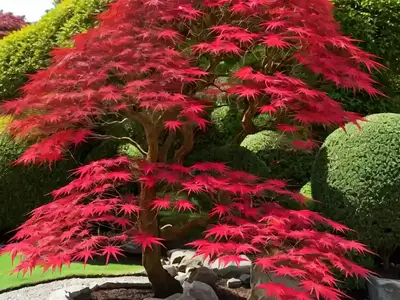
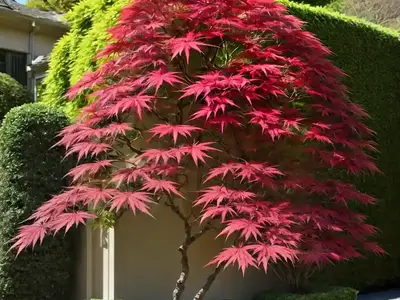
Acer palmatum ‘Eddisbury’ is a cultivar of the Acer palmatum, a species of maple native to Japan, Korea, and China. It is a deciduous, small, multi-stemmed tree that belongs to the family Aceraceae. The ‘Eddisbury’ cultivar is renowned for its striking coral-red bark, which is particularly prominent in the winter months, adding a burst of color to the landscape when many other plants are dormant. In addition to its vibrant bark, ‘Eddisbury’ also boasts beautiful green foliage that turns shades of yellow, orange, and red in the autumn, creating a breathtaking display of fall colors.
This cultivar is often referred to by several common names, including Coral Bark Maple, Coral Bark Japanese Maple, or simply Japanese Maple ‘Eddisbury.’ It has gained popularity among gardeners and landscapers for its ornamental value, adding aesthetic appeal to gardens, parks, and urban landscapes.
Key Takeaways – Acer palmatum ‘Eddisbury’ (Coral Bark Maple)
Before delving into the specific details regarding the cultivation and care of Acer palmatum ‘Eddisbury,’ let’s outline the key takeaways about this enchanting ornamental tree:
- Plant Name: Acer palmatum ‘Eddisbury’ (Coral Bark Maple)
- Other Common Names: Coral Bark Japanese Maple, Japanese Maple ‘Eddisbury’
- Family: Aceraceae
- Native to: Japan, Korea, and China
- Characteristics: Striking coral-red bark, delicate green foliage turning to yellow, orange, and red in autumn
- Uses: Ornamental tree for gardens, parks, and urban landscapes
- Distinct Feature: Vivid bark color that intensifies in winter
- Popularity: Widely favored for its aesthetic appeal and seasonal charm
Now that we have a brief overview of the Acer palmatum ‘Eddisbury,’ let’s delve deeper into the details of cultivating and caring for this captivating tree to help you make the most of its ornamental potential in your outdoor spaces.
Culture of Acer palmatum ‘Eddisbury’ (Coral Bark Maple)
Cultivating and caring for Acer palmatum ‘Eddisbury’ involves understanding its specific requirements for water, sunlight, soil, and maintenance practices. Proper cultural practices are essential to ensure the health, vigor, and ornamental appeal of this charismatic tree. Let’s explore the cultural aspects of growing and nurturing the Coral Bark Maple.
Water
-
Watering Needs: Acer palmatum ‘Eddisbury’ generally requires regular watering, especially during the growing season. It is essential to keep the soil consistently moist but not waterlogged, particularly during hot and dry periods. Adequate moisture is crucial for the healthy growth of the tree and to support its lush foliage and vibrant bark color.
-
Watering Frequency: While the exact frequency of watering may vary depending on factors such as climate, soil type, and rainfall, a general guideline is to provide the tree with approximately 1 inch of water per week, either through rainfall or supplemental irrigation. During periods of drought, it is important to monitor the soil moisture and adjust the watering schedule accordingly to prevent stress on the tree.
Sunlight
-
Sun Exposure: Acer palmatum ‘Eddisbury’ thrives in locations with partial shade to full sun. When choosing a planting site for the tree, it is advisable to select an area that receives dappled sunlight or partial shade, especially in regions with hot summers. However, in cooler climates, the tree can tolerate full sun exposure.
-
Sunlight Preferences: Providing the Coral Bark Maple with adequate sunlight is crucial for promoting healthy growth, vibrant foliage, and enhancing the intensity of its signature coral-red bark. Balanced exposure to sunlight contributes to the overall vigor and ornamental appeal of the tree.
Fertilizer
-
Nutrient Requirements: Like many ornamental trees, Acer palmatum ‘Eddisbury’ benefits from regular fertilization to support its growth and ensure an abundant display of foliage and bark color. A balanced, slow-release fertilizer formulated for acid-loving plants is suitable for the Coral Bark Maple. The fertilizer should provide essential nutrients such as nitrogen, phosphorus, and potassium, as well as micronutrients.
-
Fertilization Schedule: It is advisable to apply fertilizer in early spring before the onset of new growth, following the manufacturer’s recommended application rates. Additionally, a second application in early summer may further support the tree’s nutritional needs, promoting robust foliage and bark development.
Soil
-
Soil Type: Acer palmatum ‘Eddisbury’ thrives in well-draining, moisture-retentive, and slightly acidic soil. A loamy or sandy loam soil with good fertility and organic matter content is ideal for promoting healthy root development and overall tree vigor. While the tree can adapt to various soil types, it is important to avoid waterlogged or excessively compacted soils, as they can lead to root suffocation and reduced growth.
-
Soil pH: The ideal soil pH for the Coral Bark Maple ranges from 5.5 to 6.5, reflecting its preference for slightly acidic growing conditions. Testing the soil pH and making amendments as needed can help create an optimal environment for the tree to thrive and showcase its ornamental attributes.
Pruning Acer palmatum ‘Eddisbury’ (Coral Bark Maple)
Pruning is an essential aspect of caring for Acer palmatum ‘Eddisbury,’ contributing to its overall health, aesthetics, and structural integrity. Proper pruning practices help manage the tree’s growth, shape its canopy, and remove any damaged or diseased branches. Additionally, selective pruning can enhance the visibility of the tree’s vibrant coral-red bark and accentuate its ornamental appeal. Here are some key considerations for pruning the Coral Bark Maple:
-
Pruning Timing: The best time to prune Acer palmatum ‘Eddisbury’ is during the dormant season, typically in late winter to early spring before the onset of new growth. Pruning during this period minimizes stress on the tree and allows for optimal wound healing.
-
Branch Maintenance: Regularly inspect the tree for dead, damaged, or crossing branches, and promptly remove them to maintain a healthy and well-structured canopy. Thinning out overcrowded branches can also improve air circulation and light penetration within the canopy, promoting overall tree health.
-
Enhancing Bark Display: To showcase the vibrant coral-red bark of the Acer palmatum ‘Eddisbury,’ selectively prune and remove lower branches or any obstructing growth that may obscure the visual impact of the trunk and stem bark. This practice helps highlight the tree’s distinct aesthetic feature, particularly during the winter months.
-
Caution: When pruning the Coral Bark Maple, it is important to use sharp, sterile pruning tools to make clean cuts and minimize the risk of damage or disease transmission. Additionally, avoiding over-pruning and excessive canopy reduction is crucial to maintain the tree’s natural form and vitality.
Propagation of Acer palmatum ‘Eddisbury’ (Coral Bark Maple)
Propagating Acer palmatum ‘Eddisbury’ allows for the expansion of its presence in gardens and landscapes, offering an opportunity to cultivate new trees from established specimens. There are several methods of propagating the Coral Bark Maple, each with its own advantages and considerations. Let’s explore some common propagation techniques for Acer palmatum ‘Eddisbury’:
-
Seed Propagation: Propagating Acer palmatum ‘Eddisbury’ from seeds is one of the traditional methods of obtaining new trees. However, it is important to note that seeds may not produce offspring with identical characteristics to the parent tree, and the process requires patience as the trees grown from seeds may take several years to reach maturity and exhibit their full ornamental traits.
-
Cutting Propagation: Taking semi-hardwood cuttings from the current season’s growth offers a reliable method for propagating the Coral Bark Maple. Select healthy, disease-free branches and prepare cuttings with a node or leaf joint, which can be rooted in a suitable growing medium under controlled conditions. This method allows for the production of genetically identical clones of the parent tree while expediting the establishment of new plants.
-
Grafting and Budding: Grafting Acer palmatum ‘Eddisbury’ onto rootstock or using budding techniques can be an effective way to propagate the desired traits of the cultivar. Grafting involves joining a scion (a piece of desired cultivar) with a compatible rootstock, while budding involves inserting a bud from the desired cultivar onto the rootstock. These methods offer precise control over the characteristics of the propagated trees and are commonly employed in commercial propagation and horticultural practices.
-
Considerations: Regardless of the propagation method chosen, it is important to provide optimal growing conditions, moisture, and care for the young plants to ensure their successful establishment. Patience and attention to detail are key factors in the propagation process, ultimately leading to the production of new Acer palmatum ‘Eddisbury’ trees with the desired ornamental attributes.
Acer palmatum ‘Eddisbury’ in Containers
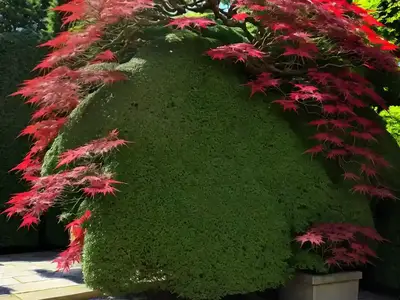
Acer palmatum ‘Eddisbury’ possesses exceptional ornamental value and is well-suited for cultivation in containers, making it an ideal choice for patio gardens, urban landscapes, and small outdoor spaces. When grown in containers, the Coral Bark Maple offers versatility and the opportunity to showcase its vibrant foliage and stunning bark color in various settings. Here are some considerations for growing and caring for Acer palmatum ‘Eddisbury’ in containers:
-
Container Selection: Choose a large container with adequate drainage holes to provide ample space for the tree’s root system to develop. Ensure that the container is made of durable, weather-resistant material and is suitable for outdoor use.
-
Growing Medium: Select a high-quality, well-draining potting mix designed for trees and shrubs. The growing medium should offer good aeration, moisture retention, and nutrient content to support the growth and vigor of the Coral Bark Maple.
-
Watering and Fertilization: Container-grown Acer palmatum ‘Eddisbury’ may require more frequent watering compared to trees planted in the ground. It is important to monitor the moisture level in the growing medium and provide regular watering to keep the soil consistently moist. Additionally, periodic fertilization during the growing season can help maintain the tree’s nutritional needs and promote healthy growth.
-
Container Placement: Position the container in a location that receives dappled sunlight or partial shade, especially in regions with intense summer heat. Adequate sunlight is essential for the tree’s overall health and the development of its vibrant foliage and bark color.
-
Winter Protection: In regions with harsh winters, provide winter protection for container-grown Acer palmatum ‘Eddisbury’ to shield the tree from freezing temperatures and drying winds. Insulating the container or placing it in a sheltered location can help safeguard the tree during the cold season.
Cultivating Acer palmatum ‘Eddisbury’ in containers not only offers flexibility in landscape design but also allows for the creation of captivating focal points in outdoor living spaces, enhancing the visual allure of patios, balconies, and garden settings.
Popularity of Acer palmatum ‘Eddisbury’ (Coral Bark Maple)
The Acer palmatum ‘Eddisbury,’ with its captivating coral-red bark and vibrant foliage, has captured the admiration of gardeners, horticulturists, and landscape enthusiasts worldwide. Its popularity stems from its remarkable ornamental attributes, seasonal charm, and adaptability to diverse garden settings. Whether as a standalone specimen, a focal point in a landscape composition, or a container-grown accent, the Coral Bark Maple continues to enthrall and inspire individuals with an appreciation for the beauty of nature.
The widespread popularity of Acer palmatum ‘Eddisbury’ is evident in its frequent incorporation into residential gardens, public parks, botanical collections, and commercial landscapes. Its striking bark color, graceful form, and array of seasonal transformations have positioned it as a cherished icon in the realm of ornamental trees, enriching outdoor environments and evoking a sense of natural elegance.
Common Diseases and Pest Management for Acer palmatum ‘Eddisbury’ (Coral Bark Maple)
As with many ornamental trees, Acer palmatum ‘Eddisbury’ is susceptible to certain diseases and pest infestations that can affect its health and ornamental appeal. Understanding and effectively managing these challenges is crucial to maintaining the vitality and aesthetic allure of the Coral Bark Maple in garden and landscape settings. Let’s explore common diseases, their diagnosis, and pest management strategies for Acer palmatum ‘Eddisbury’:
Disease Diagnosis
-
Anthracnose: Anthracnose is a fungal disease that can affect the foliage of Acer palmatum ‘Eddisbury,’ causing spots, discoloration, and premature leaf drop. Symptoms may include irregularly shaped lesions on the leaves, often accompanied by dark margins or concentric rings. Maintaining good air circulation, practicing proper sanitation, and applying fungicidal treatments can help manage anthracnose.
-
Verticillium Wilt: Verticillium wilt is a soil-borne fungal disease that can cause wilting, yellowing, and dieback in the branches and foliage of the Coral Bark Maple. Infected trees may exhibit scorched or discolored leaves, stunted growth, and overall decline. Implementing cultural practices to promote tree vigor, such as proper watering, mulching, and avoiding stress on the tree, can help reduce the risk of Verticillium wilt.
-
Powdery Mildew: Powdery mildew is a common fungal disease that forms a powdery, white coating on the leaves of Acer palmatum ‘Eddisbury,’ affecting their appearance and vitality. Infected foliage may become distorted, and the overall aesthetic appeal of the tree can be compromised. Proper air circulation, adequate spacing between plants, and the application of fungicidal treatments can aid in managing powdery mildew.
Common Pests
-
Aphids: Aphids are small, sap-feeding insects that can infest the foliage and young shoots of the Coral Bark Maple, causing distortion and curling of the leaves. In addition to direct damage, aphids can also excrete honeydew, leading to the development of sooty mold on the foliage. Monitoring for aphid infestations, encouraging natural predators, and using insecticidal treatments as necessary can help control their populations.
-
Scale Insects: Scale insects are commonly found on the twigs and branches of Acer palmatum ‘Eddisbury,’ where they feed on sap and excrete honeydew. The presence of scale insects can lead to weakened growth, yellowing of foliage, and the eventual decline of the tree. Using horticultural oil sprays or systemic insecticides can aid in managing scale infestations and preserving the tree’s health.
-
Japanese Beetles: Japanese beetles can pose a threat to the foliage of the Coral Bark Maple, feeding on the leaves and causing skeletonization or defoliation. Their presence can diminish the ornamental appeal of the tree and compromise its overall vigor. Employing physical removal, beetle traps, or insecticidal control methods can help mitigate the impact of Japanese beetles on the Acer palmatum ‘Eddisbury.’
Understanding the symptoms, preventive measures, and targeted treatments for common diseases and pests associated with Acer palmatum ‘Eddisbury’ is crucial for safeguarding the tree’s well-being and preserving its ornamental value in garden and landscape settings.
Botanist’s Tips for Growing Acer palmatum ‘Eddisbury’ (Coral Bark Maple)
As a plant scientist with a keen interest in ornamental trees, I have compiled a set of valuable tips for growing and caring for Acer palmatum ‘Eddisbury’ based on my expertise and experience in horticulture. These botanist’s tips aim to provide practical guidance and insights for enthusiasts seeking to cultivate and appreciate the beauty of the Coral Bark Maple in their outdoor spaces:
Botanist’s Tips
-
Selecting the Planting Site: When choosing a location for planting Acer palmatum ‘Eddisbury,’ consider its preferences for dappled sunlight, well-draining soil, and protection from harsh winds. Assess the site’s microclimate and topography to ensure optimal growing conditions for the tree.
-
Mulching Practices: Apply a layer of organic mulch around the base of the tree to conserve moisture, regulate soil temperature, and inhibit weed growth. Mulching also contributes to the enrichment of the soil and provides a neat, uniform appearance in the landscape.
-
Observing Seasonal Changes: Take note of the tree’s seasonal transformations, from the emergence of fresh spring foliage to the vivid display of fall colors. Appreciating and documenting these changes can deepen your connection with the tree and foster a greater understanding of its natural rhythms.
-
Monitoring Soil Moisture: Regularly assess the moisture level in the soil, especially during periods of drought or intense heat. Adjust the watering frequency based on environmental conditions to ensure the adequate hydration of Acer palmatum ‘Eddisbury’ throughout the growing season.
-
Supporting Winter Resilience: Prepare the tree for the winter season by applying a layer of mulch around the base, wrapping the trunk with burlap or tree guards to protect the bark, and considering supplemental watering during dry winter spells. These measures can help enhance the Coral Bark Maple’s resilience to cold and ensure its health during the dormant period.
-
Integrated Pest and Disease Management: Implement an integrated approach to pest and disease management by promoting cultural practices that support tree vigor, monitoring for early signs of infestations or infections, and utilizing targeted control methods with minimal environmental impact.
-
Appreciating Bark Characteristics: Take time to admire the captivating bark of Acer palmatum ‘Eddisbury’ and observe how its color intensity, texture, and visual impact change with the shifting light and seasonal transitions. Embracing the tree’s unique aesthetic features can enhance the enjoyment of its presence in the landscape.
By incorporating these botanist’s tips into your cultivation and care practices for Acer palmatum ‘Eddisbury,’ you can foster a deeper connection with the Coral Bark Maple and create an environment where its ornamental allure thrives year-round.
Fun Facts about Acer palmatum ‘Eddisbury’ (Coral Bark Maple)
To further enrich your appreciation for Acer palmatum ‘Eddisbury’ and its charismatic presence in garden and landscape settings, here are some captivating fun facts that illuminate the unique attributes and cultural significance of the Coral Bark Maple:
Fun Facts
-
The vibrant coral-red bark of Acer palmatum ‘Eddisbury’ intensifies in color during the winter months, creating a striking contrast against the surrounding wintry landscape.
-
The delicate and intricate foliage of ‘Eddisbury’ turns from shades of green to a stunning palette of yellow, orange, and red in the autumn, offering a mesmerizing display of fall colors.
-
The Coral Bark Maple is renowned for its graceful, multi-stemmed growth habit, which contributes to its overall elegance and ornamental appeal as a landscape specimen.
-
In Japanese culture, the Acer palmatum holds symbolic significance