Acer Palmatum ‘Atropurpureum’ (Japanese Maple)
Acer palmatum ‘Atropurpureum’, commonly known as the Japanese Maple, is a stunning and popular deciduous shrub or small tree that is widely cultivated for.
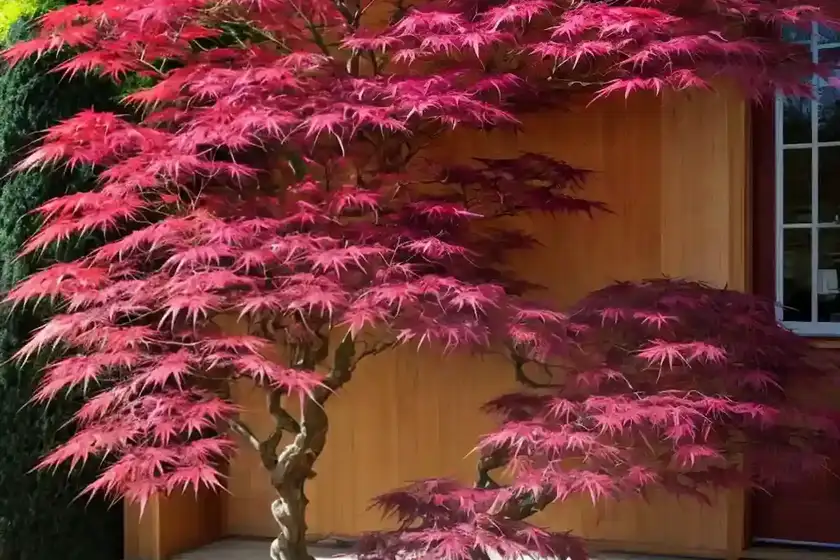
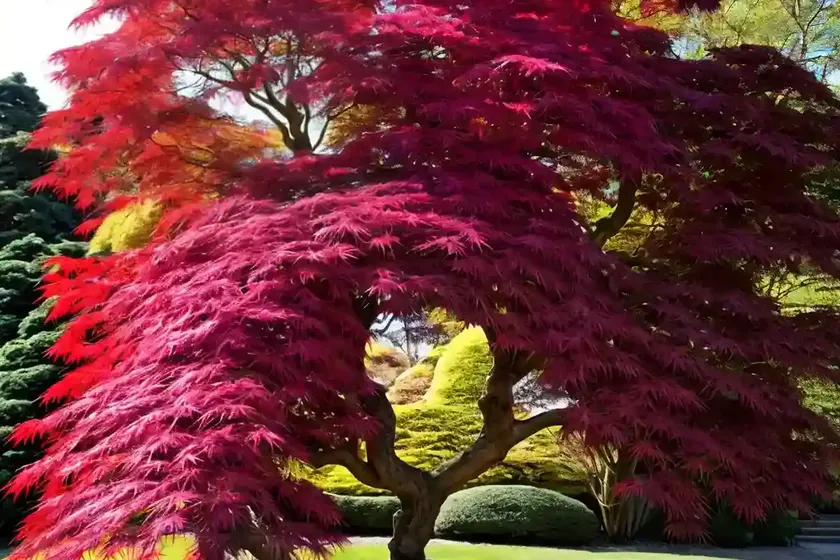
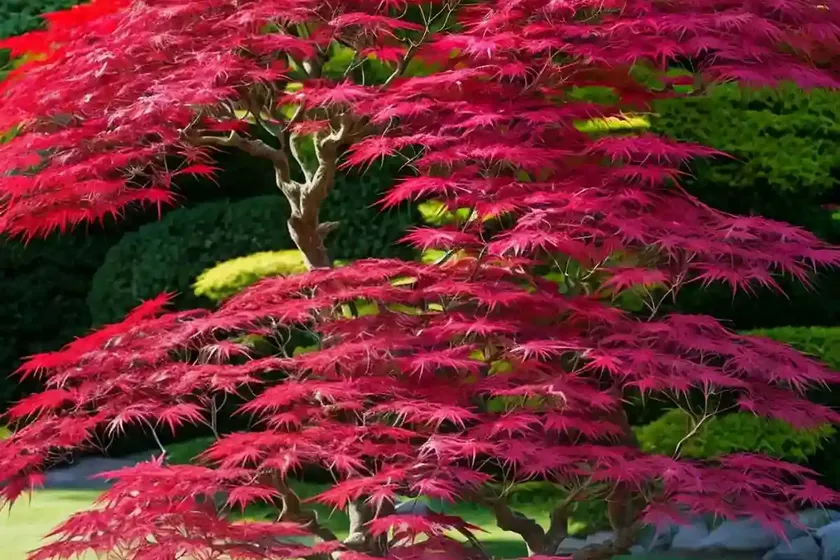
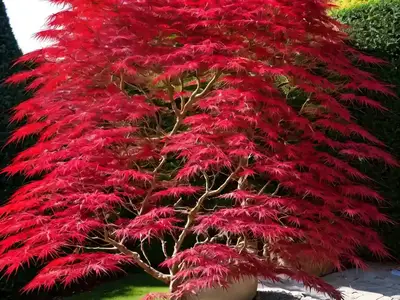
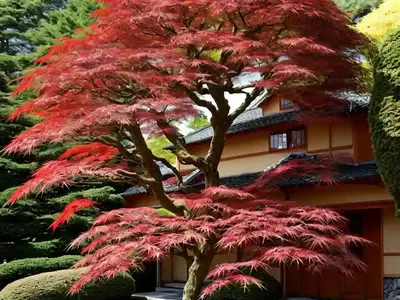
Acer palmatum ‘Atropurpureum’, commonly known as the Japanese Maple, is a stunning and popular deciduous shrub or small tree that is widely cultivated for its outstanding ornamental features. This plant is a part of the Sapindaceae family and is native to Japan and Korea. The ‘Atropurpureum’ variety is especially prized for its rich, deep red or purple foliage, making it a sought-after addition to landscapes and gardens.
Key Takeaways – Acer palmatum ‘Atropurpureum’ (Japanese Maple)
Before delving into the specifics of caring for Acer palmatum ‘Atropurpureum’, let’s briefly touch upon the essential characteristics and preferences of this striking plant.
- Botanical Name: Acer palmatum ‘Atropurpureum’
- Common Name: Japanese Maple
- Plant Type: Deciduous shrub or small tree
- Foliage: Deep red or purple
- Hardiness Zones: 5-8
- Mature Height: 15-25 feet
- Mature Spread: 15-20 feet
- Growth Rate: Slow
Culture
The cultural requirements of Acer palmatum ‘Atropurpureum’ play a crucial role in its overall health and appearance. Understanding and providing for these needs is essential for successfully growing and maintaining this plant.
Uses
The Japanese Maple ‘Atropurpureum’ is primarily used for ornamental purposes in gardens, parks, and landscapes. Its stunning foliage provides a vivid display of color, particularly in the autumn season.
Water
Proper watering is vital for the health and vigor of Japanese Maples. While specific watering needs can vary based on environmental factors, soil conditions, and overall plant health, it is essential to ensure consistent moisture, especially during periods of drought.
- Newly Planted Trees: Ensure the soil is consistently moist, but not waterlogged, especially during the first growing season.
- Established Trees: Deep, thorough watering during dry spells is crucial. Mulching can help to retain soil moisture and regulate temperature.
Sunlight
Adequate sunlight is essential for the growth and development of Acer palmatum ‘Atropurpureum’. However, the intensity and duration of sunlight can impact its foliage color and overall vitality.
- Ideal Conditions: Partial shade to full sun, with protection from harsh afternoon sun.
- Foliage Color: Full sun exposure often enhances the red or purple hues of the leaves.
Fertilizer
Feeding Japanese Maples with a balanced and appropriate fertilizer can support healthy growth and vibrant foliage.
- Fertilization Schedule: Apply a slow-release, balanced fertilizer in early spring before new growth appears. Refrain from over-fertilizing, as this can lead to excessive foliage at the expense of the plant’s vigor.
Soil
The soil composition significantly influences the growth and well-being of Acer palmatum ‘Atropurpureum’.
- Preferred Soil: Well-draining, slightly acidic soil rich in organic matter.
- Mulching: Applying a layer of organic mulch around the base of the tree can help to conserve soil moisture, regulate temperature, and suppress weed growth.
Pruning
Pruning is an essential aspect of Japanese Maple care, contributing to its overall shape, form, and health.
- Pruning Time: Late winter to early spring, before new growth emerges.
- Objectives: Remove dead or damaged branches, improve air circulation, and maintain the desired size and shape of the tree.
- Caution: Avoid heavy pruning during the growing season, as this can stress the plant and compromise its health.
Propagation
While Acer palmatum ‘Atropurpureum’ is primarily commercially propagated through grafting, home gardeners may explore propagation through seeds or softwood cuttings.
Container Popularity
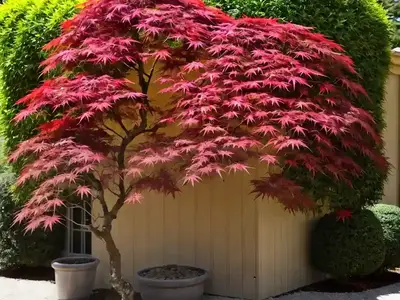
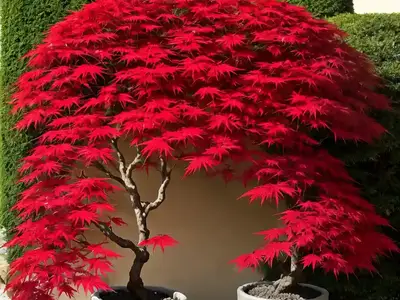
Japanese Maples, including the ‘Atropurpureum’ variety, are well-suited for container gardening, enabling individuals with limited garden space to enjoy the beauty of these plants on patios, balconies, and other compact areas.
- Container Selection: Choose a large container with adequate drainage holes to support healthy root development.
- Soil: Use a well-draining potting mix, preferably with slightly acidic pH.
- Watering: Container-grown Japanese Maples may require more frequent watering, especially during hot and dry periods.
Common Diseases
Acer palmatum ‘Atropurpureum’ is susceptible to certain diseases that may impact its overall health and appearance.
Disease DiagnosisFamiliarizing oneself with common diseases and their symptoms is crucial for timely diagnosis and appropriate intervention.
- Anthracnose: Characterized by brown spots and irregularly shaped lesions on the leaves, often exacerbated by damp and humid conditions.
- Verticillium Wilt: Symptoms include wilting, yellowing, and browning of foliage, often leading to branch dieback.
Common Pests
The Japanese Maple ‘Atropurpureum’ may encounter pest infestations that can compromise its health and aesthetics.
Botanist’s Tips Fun Facts