Acer Palmatum ‘Chitose-Yama’ (Japanese Maple)
What is Acer palmatum ‘Chitose-Yama’? Acer palmatum ‘Chitose-Yama’, commonly known as the Japanese Maple ‘Chitose-Yama’, is a beautiful and highly-prized.
What is Acer palmatum ‘Chitose-Yama’?
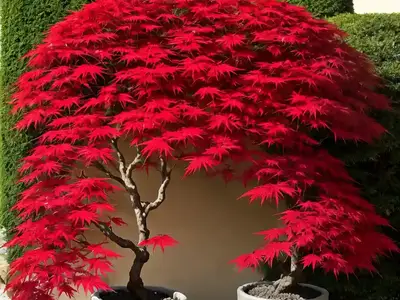
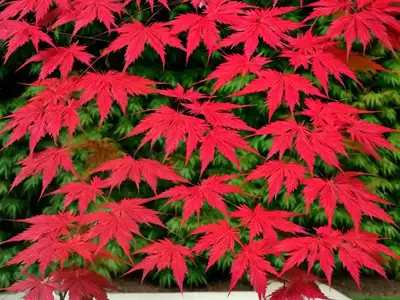
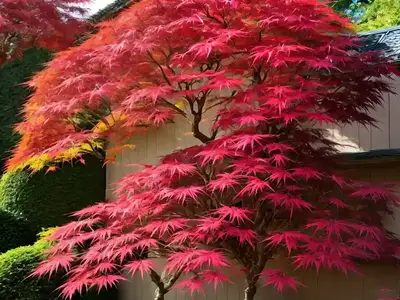
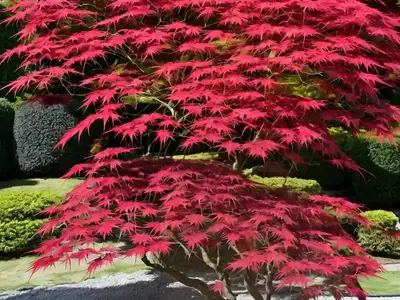
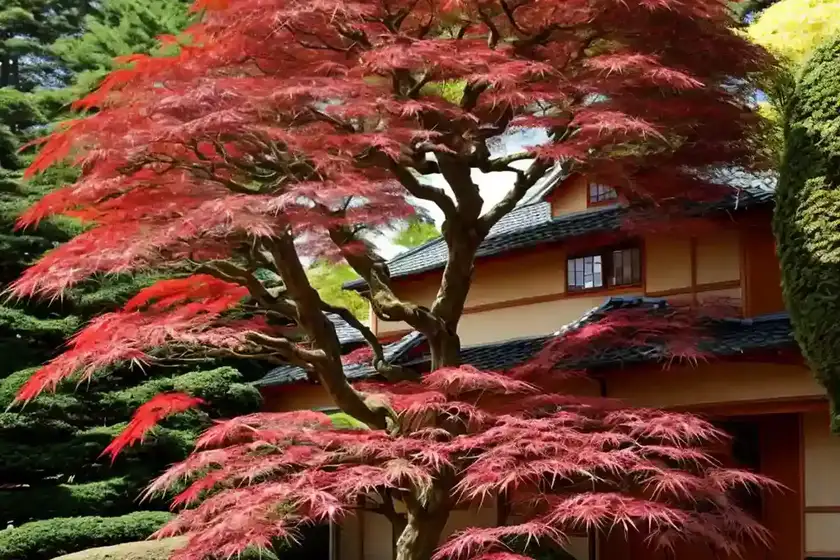
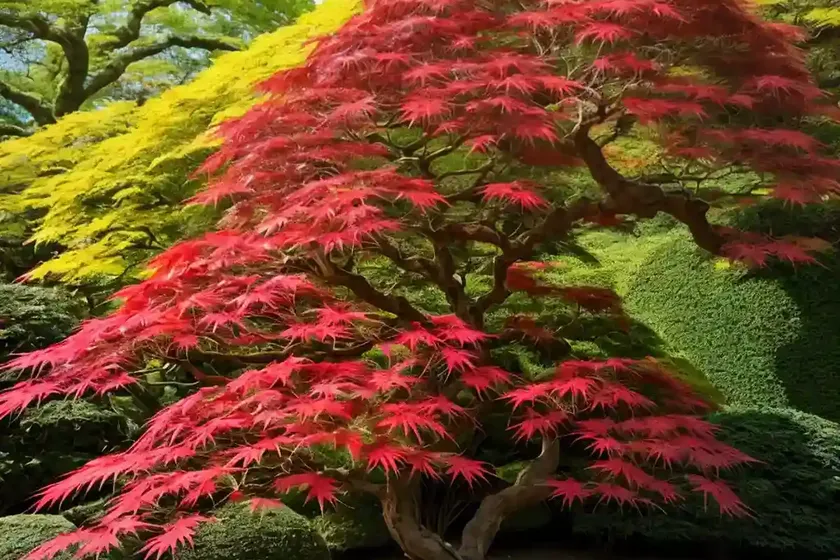
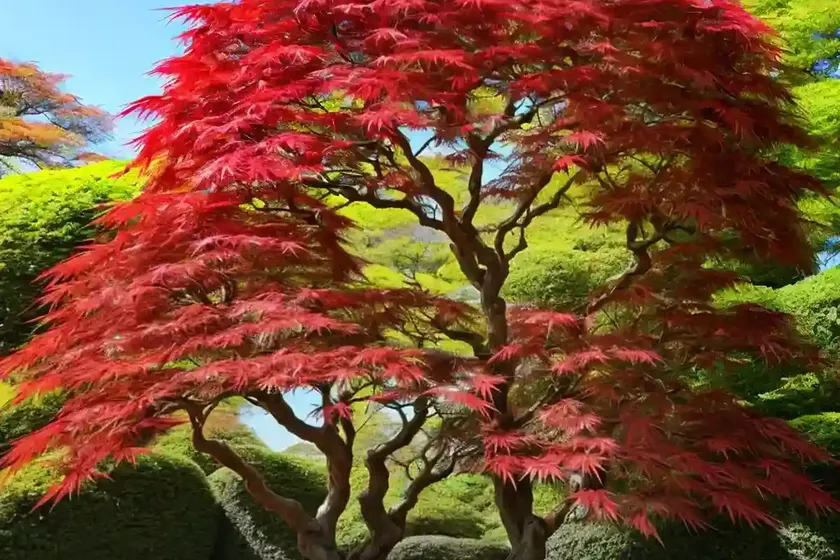
Acer palmatum ‘Chitose-Yama’, commonly known as the Japanese Maple ‘Chitose-Yama’, is a beautiful and highly-prized cultivar of the Acer palmatum species. This stunning tree is cherished for its graceful, delicate leaves and striking seasonal color changes, and is widely popular among gardeners, landscapers, and bonsai enthusiasts.
Key Takeaways – Acer palmatum ‘Chitose-Yama’ (Japanese Maple)
Before we delve into the specifics of caring for the Acer palmatum ‘Chitose-Yama’, let’s take a moment to understand the key points about this exquisite plant:
- Scientific Name: Acer palmatum ‘Chitose-Yama’
- Common Name: Japanese Maple ‘Chitose-Yama’
- Plant Type: Deciduous tree
- Mature Height: 8-10 feet
- Mature Spread: 6-8 feet
- Growth Rate: Slow to moderate
- USDA Hardiness Zones: 5-8
Culture
Uses
The Acer palmatum ‘Chitose-Yama’ is widely used for:
- Landscaping: It is an excellent choice for featuring in gardens, particularly in smaller spaces, where its compact form and vibrant foliage can add a touch of elegance and beauty.
- Container Planting: Due to its moderate size, ‘Chitose-Yama’ is well-suited for container planting, making it a popular choice for patios, decks, and in Asian-inspired garden designs.
- Bonsai: Its naturally delicate structure and small, palmate leaves make it a favored species for bonsai cultivation, with its intricate branch structure and striking autumn coloration.
Water
The Japanese Maple ‘Chitose-Yama’ has moderate water needs. It thrives best when the soil is evenly moist but well-draining. During periods of extended drought, it’s essential to ensure that the tree receives sufficient water to maintain its health and vigor.
Sunlight
This cultivar thrives in partial shade to full sun. In hotter regions, it benefits from some protection from the intense afternoon sun. Placing the tree in dappled shade or providing shelter during excessively hot periods can prevent leaf scorch and keep the plant looking its best.
Fertilizer
When it comes to feeding your Acer palmatum ‘Chitose-Yama’, it’s best to use a balanced, slow-release fertilizer in spring. Applying a well-balanced fertilizer specifically formulated for ornamental trees can help maintain the tree’s vigor and promote healthy growth and stunning leaf coloration.
Soil
The Chitose-Yama Japanese Maple prefers slightly acidic, well-draining soil. A rich, organic soil that retains moisture without becoming waterlogged is ideal for ensuring the tree’s optimal growth and health.
Pruning
Regular, light pruning will help maintain the Acer palmatum ‘Chitose-Yama’s elegant form and promote good air circulation within the canopy. It is generally best to prune this tree during the dormant season to minimize stress and to allow the wounds to heal quickly.
Propagation
This beautiful Japanese Maple cultivar can be propagated from softwood or hardwood cuttings, though softwood cuttings are generally more successful. Propagation by seed is possible but is not recommended, given the variability in characteristics that can result from seed propagation.
Container Popularity
Due to its relatively compact size and stunning visual appeal, the Acer palmatum ‘Chitose-Yama’ is highly favored for container planting. Its graceful form, striking foliage, and slow growth rate make it a perfect candidate for bringing a touch of elegance to patios, balconies, and small outdoor spaces.
Container Common Diseases and Pest Control
When grown in containers, Chitose-Yama Japanese Maple may be vulnerable to specific diseases and pests, including root rot, aphids, and scale insects. Regular monitoring and appropriate pest control measures can help prevent and manage these issues, ensuring that the tree remains healthy and robust.
Botanist’s Tips
For optimal growth and health of the Acer palmatum ‘Chitose-Yama’, consider the following tips from expert botanists:
- Mulching: Applying a layer of organic mulch around the tree’s base can help retain soil moisture and provide essential nutrients as it decomposes.
- Watering: Regular deep watering during dry periods will promote robust root development and overall tree health.
- Fertilization: Using a specially formulated, balanced fertilizer with a slow-release mechanism can provide the necessary nutrients for healthy growth.
Fun Facts
- The name ‘Chitose-Yama’ translates to “Thousand Year Mountain” in Japanese, reflecting the longevity and beauty associated with this exquisite tree.
- The striking foliage of the Acer palmatum ‘Chitose-Yama’ transforms through various shades of red, orange, and yellow during the autumn season, creating a stunning visual display.
Links to External Resources
For further information and resources on the Acer palmatum ‘Chitose-Yama’, consider exploring the following external links:
- The Royal Horticultural Society – An authoritative source for gardening and planting information, including details on caring for Japanese Maple cultivars such as ‘Chitose-Yama’.
- University Cooperative Extension Services – A helpful resource for accessing research-based information and guidance on plant care, including tips specific to the Acer palmatum ‘Chitose-Yama’.
- American Bonsai Society – A valuable hub for bonsai enthusiasts, offering insights into cultivating and caring for Japanese Maples, including ‘Chitose-Yama’ as a popular bonsai specimen.
In conclusion, the Acer palmatum ‘Chitose-Yama’, or Japanese Maple ‘Chitose-Yama’, is a captivating tree renowned for its delicate leaves, vibrant seasonal color changes, and graceful form. With the right care and attention to its specific needs, this stunning cultivar can thrive in garden settings, containers, and even as a prized bonsai specimen. Incorporating the beauty of the ‘Chitose-Yama’ into your outdoor space can bring a touch of elegance and visual appeal to any landscape.