Acer Palmatum ‘Crimson Queen’ (Laceleaf Japanese Maple)
The Acer palmatum ‘Crimson Queen’ is a stunning and graceful ornamental tree that belongs to the family Aceraceae. As a laceleaf Japanese Maple, the.
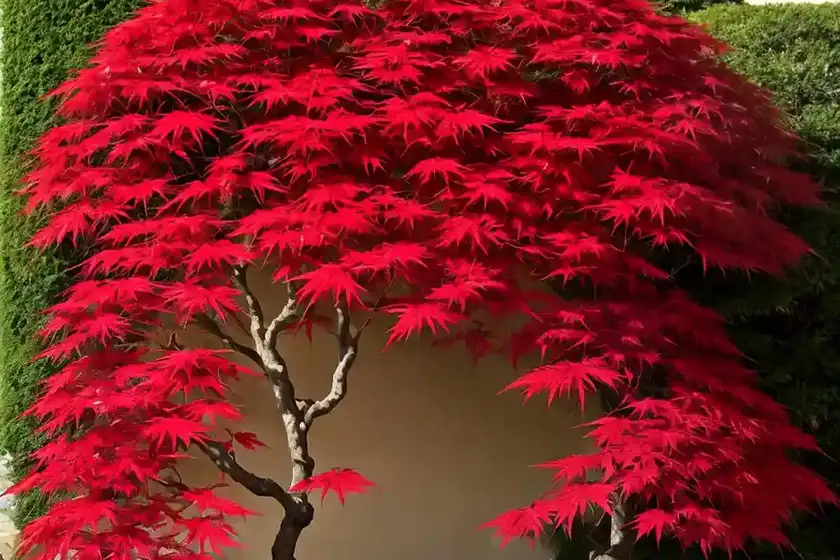
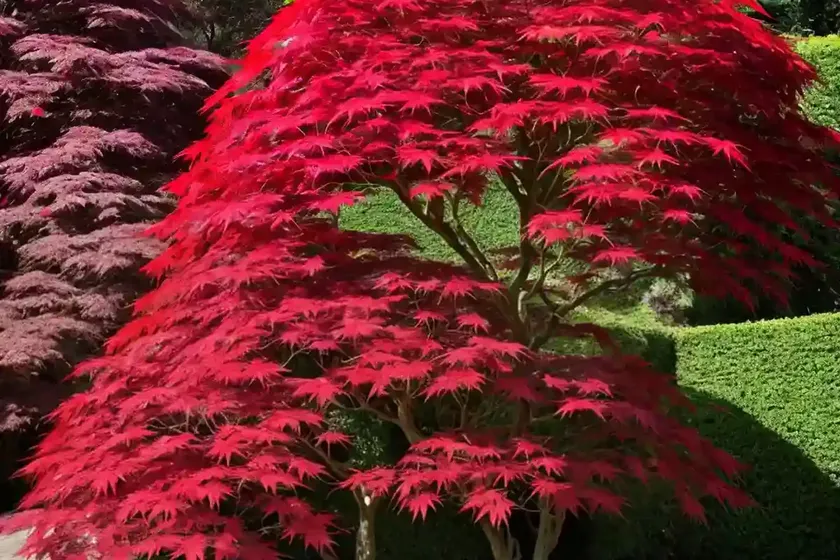
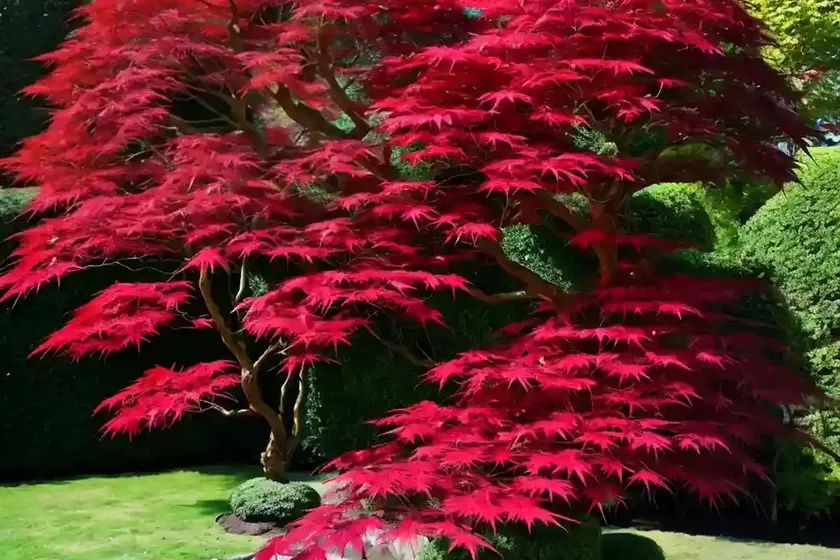
The Acer palmatum ‘Crimson Queen’ is a stunning and graceful ornamental tree that belongs to the family Aceraceae. As a laceleaf Japanese Maple, the ‘Crimson Queen’ variety is admired for its delicate and intricately lobed leaves, and its vibrant and intense crimson-red color during the autumn season. It’s a popular choice for gardeners and landscaping enthusiasts due to its unique beauty and versatility. In this comprehensive guide, we’ll explore everything you need to know about the Acer palmatum ‘Crimson Queen’, from its description and care to its landscape uses and fun facts.
Acer palmatum ‘Crimson Queen’ Description
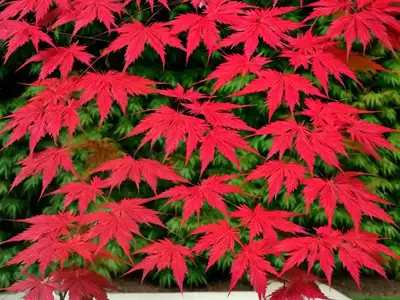
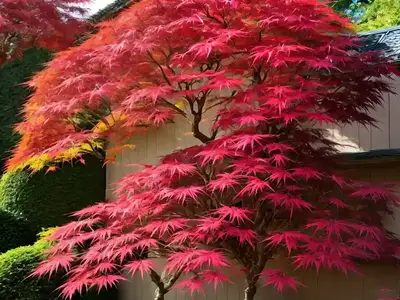
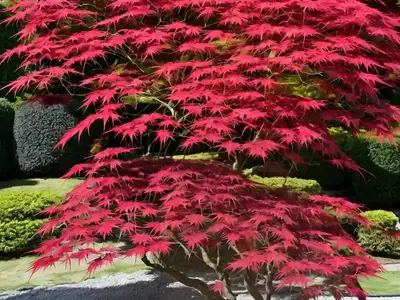
The ‘Crimson Queen’ is a cultivar of the Acer palmatum species, which is commonly known as the Japanese Maple. It is a deciduous tree that typically grows to a height of 8-10 feet and spreads out to a width of 10-12 feet, showcasing an elegant weeping form. The laceleaf foliage of the ‘Crimson Queen’ is deeply divided, creating a delicate and lacy appearance that adds a touch of sophistication to any landscape. During the spring and summer, the leaves exhibit a rich burgundy color, which transforms into a striking crimson hue in the fall.
Key Takeaways
Fun Facts
In the sections that follow, we will delve deeper into each of these aspects, providing comprehensive insights and tips for enthusiasts and gardening aficionados who wish to cultivate and care for the Acer palmatum ‘Crimson Queen’ in their own outdoor spaces.
Links to External Resources
Stay tuned as we explore the enchanting world of the Acer palmatum ‘Crimson Queen’ and uncover the secrets to successfully nurturing and showcasing this exquisite variety in your garden or landscape.
Part 1: Acer palmatum ‘Crimson Queen’ Care and Maintenance
How to Grow Acer palmatum ‘Crimson Queen’
The Acer palmatum ‘Crimson Queen’ thrives in moderate climates and is best suited for hardiness zones 5-8. When planning for its growth, it’s essential to select a site with the right conditions to support the tree’s needs. Here’s a breakdown of factors to consider when aiming to grow a healthy and vibrant ‘Crimson Queen’ Japanese Maple:
-
Soil Requirements: The ideal soil for ‘Crimson Queen’ Japanese Maple is well-drained, slightly acidic, and rich in organic matter. If your soil is heavy or compacted, amending it with compost or peat moss can improve its quality and ensure proper drainage.
-
Sunlight Preferences: While the Japanese Maple can tolerate full sun locations in cooler regions, it generally thrives in partial shade. In hotter climates, providing afternoon shade can help the tree avoid stress and scorching of its delicate foliage.
-
Watering Needs: Adequate soil moisture is crucial for the health of the ‘Crimson Queen’ Maple. Ensure the tree receives regular watering, especially during dry spells. However, it’s essential to avoid overwatering, as excessively wet soil can lead to root rot and other complications.
-
Fertilizing Schedule: Feeding the ‘Crimson Queen’ in spring before new growth emerges and again in mid-summer with a balanced, slow-release fertilizer can support its healthy development and vibrant foliage.
With the right care and attention, the ‘Crimson Queen’ Japanese Maple will reward you with its captivating beauty and graceful presence in your outdoor space.
Laceleaf Japanese Maple Pruning
Proper pruning is essential for maintaining the health and beauty of the ‘Crimson Queen’ Japanese Maple. However, unlike many other types of trees, the laceleaf variety requires minimal pruning. When pruning this delicate tree, keep the following tips in mind:
-
Timing: It’s best to prune the ‘Crimson Queen’ in late winter or early spring while it is still dormant. This timing helps prevent the onset of sap bleeding and reduces stress on the tree.
-
Pruning Techniques: Focus on removing any dead, damaged, or crossing branches. Additionally, selective thinning can help enhance the ‘Crimson Queen’s’ elegant form and structure.
-
Leaf Pruning: While not crucial for the tree’s health, some gardeners may choose to thin out the foliage to enhance the laceleaf effect. This should be done with care to avoid excessive stress on the tree.
By following these pruning guidelines, you can ensure that your ‘Crimson Queen’ Japanese Maple maintains its graceful form and remains an exquisite feature in your garden or landscape.
Acer palmatum ‘Crimson Queen’ Size and Growth Rate
The ‘Crimson Queen’ Japanese Maple is known for its slow to moderate growth rate. When properly cared for, it can reach a height of 8-10 feet and spread out to a width of 10-12 feet at maturity. Understanding the expected size and growth pattern of the ‘Crimson Queen’ is crucial when planning its placement in your outdoor space.
Acer palmatum ‘Crimson Queen’ Sunlight Requirements
The ‘Crimson Queen’ Japanese Maple exhibits a preference for partial shade to full sun, particularly in regions with cooler climates. However, in warmer areas, providing some shade from intense afternoon sun can help protect the tree from heat stress and maintain the vibrant coloration of its delicate foliage.
Japanese Maple Tree Care Tips
To ensure the well-being and exuberance of your ‘Crimson Queen’ Japanese Maple, consider the following care tips:
-
Mulching: Apply a layer of organic mulch around the base of the tree to help retain moisture, suppress weeds, and protect the shallow root system. However, take care to keep the mulch a few inches away from the tree trunk to prevent potential issues with moisture and pests.
-
Watering Schedule: While the ‘Crimson Queen’ prefers consistently moist soil, it’s essential to strike a balance and avoid overwatering. Checking the soil moisture regularly and adjusting your watering schedule based on the weather and seasonal changes can help prevent water-related stress on the tree.
-
Winter Care: In colder climates, consider protecting your ‘Crimson Queen’ from harsh winter conditions. A layer of mulch around the base of the tree and burlap wrapping can help insulate the delicate branches and preserve the tree’s vitality during the winter months.
By incorporating these care tips into your gardening routine, you can ensure the ‘Crimson Queen’ Japanese Maple thrives and continues to enchant with its graceful foliage and seasonal color transformations.
Part 2: Acer palmatum ‘Crimson Queen’ Disease and Pest Management
Acer palmatum ‘Crimson Queen’ Diseases
While the ‘Crimson Queen’ Japanese Maple is a relatively low-maintenance tree, it is not immune to certain diseases that can impact its health and appearance. Understanding these potential issues and being vigilant about disease management can help safeguard the vitality of your tree. Here are some common diseases that may affect the ‘Crimson Queen’ Japanese Maple:
Leaf Scorch
Leaf scorch is a condition where the edges of the tree’s leaves turn brown and dry out. It is often caused by environmental stressors such as excessive sunlight, heat, or drought. To prevent leaf scorch, provide adequate shade and moisture to the ‘Crimson Queen’, especially during periods of high temperatures.
Verticillium Wilt
Verticillium wilt is a fungal disease that can affect Japanese Maples, leading to wilting, leaf discoloration, and overall decline in the tree’s health. While there is no cure for verticillium wilt, maintaining the tree’s overall vigor through proper care and nutrition can help it withstand the impact of the disease.
Anthracnose
Anthracnose is a fungal disease that causes dark, sunken lesions on the leaves of the ‘Crimson Queen’. To manage anthracnose, practice good sanitation by promptly removing and disposing of affected leaves. Additionally, ensure that the tree has proper air circulation and avoid overhead watering to prevent the spread of the fungus.
By monitoring the health of your ‘Crimson Queen’ Japanese Maple and taking proactive measures to address any signs of disease, you can help protect this elegant tree from common ailments and ensure its longevity in your landscape.
Laceleaf Japanese Maple Common Pests
In addition to diseases, the ‘Crimson Queen’ Japanese Maple may be vulnerable to certain pests that can impact its growth and appearance. Keeping an eye out for these common pests and implementing suitable pest management strategies can help maintain the tree’s health and vitality. Some pests that may affect the ‘Crimson Queen’ include:
Aphids
Aphids are small, sap-sucking insects that can cluster on the new growth of the ‘Crimson Queen’ Japanese Maple, causing leaf distortion and a sticky residue known as honeydew. Applying insecticidal soap or horticultural oil can help control aphid populations and protect the tree from damage.
Scale Insects
Scale insects are known for their protective outer coverings and their ability to infest the stems and foliage of the ‘Crimson Queen’, leading to stunted growth and yellowing of leaves. Using natural predators, such as ladybugs, or horticultural oil sprays can assist in managing scale infestations.
Caterpillars
Caterpillars, particularly those of the fall webworm, can consume the foliage of the ‘Crimson Queen’ Japanese Maple, leading to defoliation and reduced vigor. Physical removal of the caterpillars and their webs, along with the use of biological insecticides, can help protect the tree from extensive damage.
By staying informed about the potential pests that may affect your ‘Crimson Queen’ Japanese Maple and being proactive about pest control measures, you can safeguard the tree’s well-being and preserve its captivating beauty in your outdoor space.
Part 3: Acer palmatum ‘Crimson Queen’ Landscape Uses and Design Ideas
Laceleaf Japanese Maple Varieties: Landscape Specimen
The graceful and vibrant presence of the ‘Crimson Queen’ Japanese Maple makes it an exceptional choice for a landscape specimen, commanding attention and adding a touch of elegance to any outdoor setting. Here are some ways you can incorporate the ‘Crimson Queen’ into your landscape design:
-
Focal Point Tree: Plant the ‘Crimson Queen’ as a focal point in a garden bed or manicured lawn, where its weeping form and fiery foliage can stand out and create visual interest.
-
Accent Planting: Use the ‘Crimson Queen’ as an accent plant in a mixed border or alongside other ornamental trees and shrubs, adding depth and color contrast to the landscape.
-
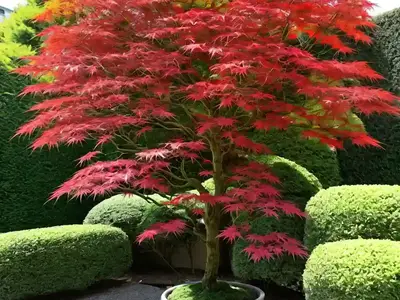
Container Gardening: Pot the ‘Crimson Queen’ in a decorative container and place it strategically on a patio, deck, or terrace to introduce a stunning element of nature to your outdoor living space.
Laceleaf Japanese Maple Companion Plants
When planning the landscape around your ‘Crimson Queen’ Japanese Maple, consider selecting companion plants that complement its unique characteristics and support its growth requirements. Here are some suitable companion plants to consider:
-
Hostas: The lush foliage of hostas can create a beautiful contrast with the delicate leaves of the ‘Crimson Queen’, especially in shady areas of the landscape.
-
Ferns: Graceful and shade-loving ferns can enhance the woodland feel around the ‘Crimson Queen’ and provide a natural underplanting option.
-
Heucheras: Coral bells, with their colorful foliage and low-growing habit, can serve as an attractive ground cover beneath the ‘Crimson Queen’ Japanese Maple.
By choosing companion plants thoughtfully, you can create a harmonious and visually appealing landscape that showcases the beauty of the ‘Crimson Queen’ and contributes to the overall aesthetic of your outdoor environment.
Acer palmatum ‘Crimson Queen’ Fall Color and Pruning Tips
One of the most captivating features of the ‘Crimson Queen’ Japanese Maple is its intense and vibrant fall color display. As the weather cools and the days shorten, the laceleaf foliage transitions to a rich crimson hue, painting the landscape with a tapestry of warm and inviting tones. To accentuate and maintain the ‘Crimson Queen’s’ fall color, consider the following pruning tips:
-
Fall Pruning: While it’s generally best to refrain from heavy pruning in the fall, removing any dead or diseased branches and performing light maintenance can help the ‘Crimson Queen’ maintain its health and visual appeal during the autumn season.
-
Leaf Color Variations: Pay attention to the range of colors displayed by the ‘Crimson Queen’ Japanese Maple leaves during the fall. Each tree has its unique nuances, and the interplay of reds, oranges, and golds can create a stunning spectacle in the landscape.
By integrating the fall color of the ‘Crimson Queen’ Japanese Maple into your landscape design and employing prudent pruning practices, you can maximize the visual impact of this graceful tree during the autumn months and create a warm and inviting outdoor environment.
Part 4: Acer palmatum ‘Crimson Queen’ Container Gardening and Interior Uses
Acer palmatum ‘Crimson Queen’ Container Gardening
One of the versatile qualities of the ‘Crimson Queen’ Japanese Maple is its suitability for container gardening. Whether you have a compact outdoor space, such as a patio or balcony, or wish to add a unique focal point to your garden, potting the ‘Crimson Queen’ in a decorative container can offer several advantages:
-
Versatility: The ‘Crimson Queen’ can thrive in a container, allowing you to showcase its beauty in various locations, such as patios, decks, or garden borders.
-
Portability: Container-grown ‘Crimson Queen’ Japanese Maples can be easily moved to different areas of your outdoor space, providing flexibility in your landscape design.
-
Space Saving: Ideal for small gardens or urban environments,