Acer Palmatum ‘Bloodgood’ (Japanese Maple)
Introduction Acer palmatum ‘Bloodgood’, commonly known as the Japanese Maple ‘Bloodgood’, is a stunning and sought-after ornamental tree in the world of.
Introduction
Acer palmatum ‘Bloodgood’, commonly known as the Japanese Maple ‘Bloodgood’, is a stunning and sought-after ornamental tree in the world of horticulture. With its vibrant red foliage and elegant, delicate structure, the ‘Bloodgood’ cultivar is well-loved for its beauty and versatility in landscaping and garden design. In this comprehensive guide, we will delve into the various aspects of this iconic plant, from its cultural requirements and uses to maintenance, common diseases, and much more. Whether you are a seasoned gardener or a newcomer to the world of plants, this guide will provide you with the knowledge and insights to cultivate and care for this exquisite species.
What is Acer palmatum ‘Bloodgood’?
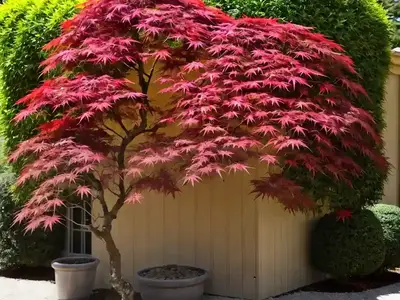
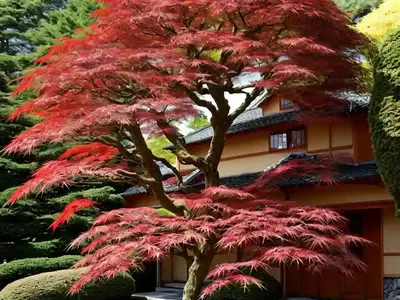
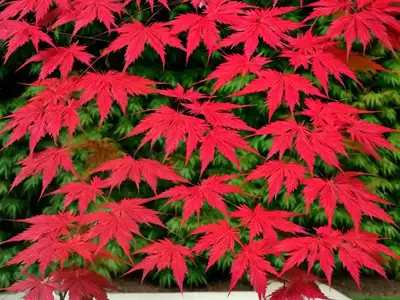
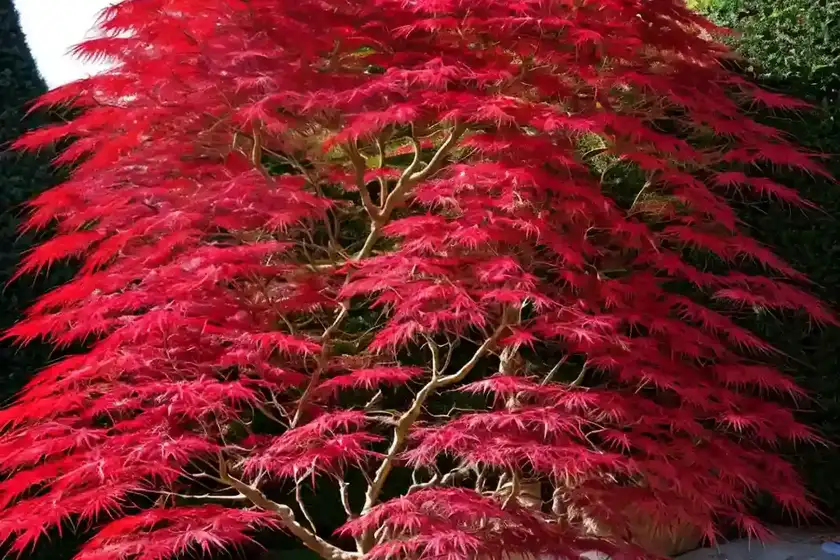
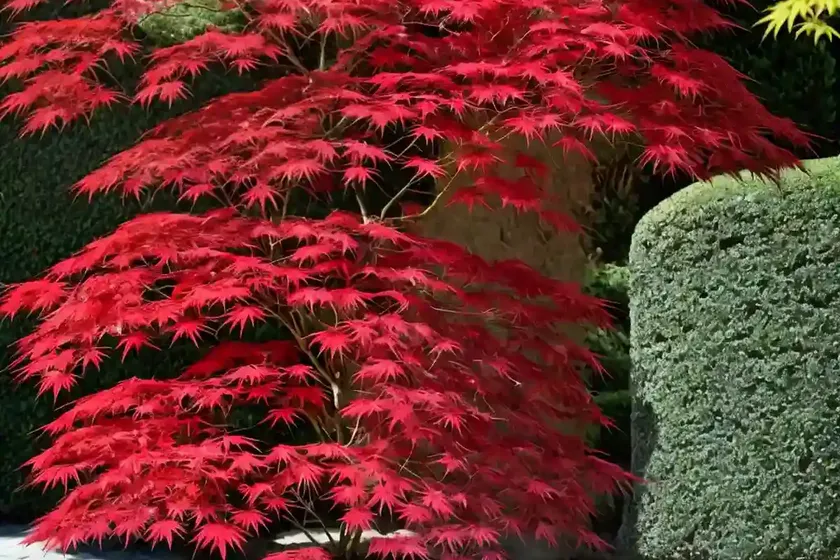
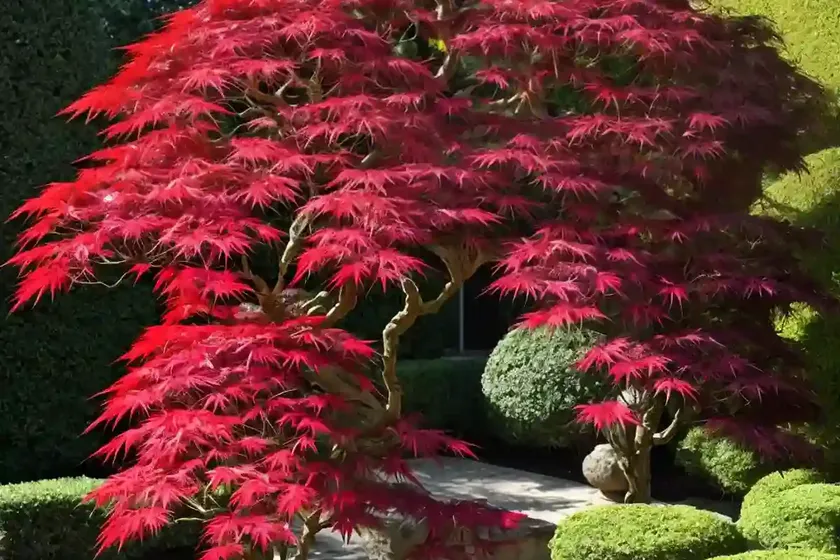
Acer palmatum, known as the Japanese Maple, is a species of woody plant native to Japan, Korea, China, and Russia. It belongs to the family Aceraceae and is renowned for its stunning foliage, which comes in an array of colors ranging from deep reds to vibrant greens. The ‘Bloodgood’ cultivar, in particular, is celebrated for its rich, burgundy-colored leaves that retain their striking hue throughout the growing season, making it a standout feature in any garden or landscape.
Key Takeaways – Acer palmatum ‘Bloodgood’
Before we delve into the specifics of cultivating and caring for the Japanese Maple ‘Bloodgood’, let’s outline some key takeaways about this remarkable plant:
- Scientific Name: Acer palmatum ‘Bloodgood’
- Common Name: Japanese Maple ‘Bloodgood’
- Foliage Color: Deep red to burgundy
- Size: Can reach a height of 15-20 feet and a spread of 15-20 feet
- Growth Habit: Deciduous tree with a rounded, dome-shaped canopy
- Hardiness Zones: Typically grows in zones 5-8
Now that we have a broad understanding of the Japanese Maple ‘Bloodgood’, let’s explore the various factors that contribute to its successful cultivation and care.
Culture
Water
Proper watering is essential for the health and vitality of Acer palmatum ‘Bloodgood’. Here are some guidelines to ensure optimal moisture levels for this exquisite tree:
-
Established Trees: Mature Japanese Maple ‘Bloodgood’ trees typically require minimal watering once they are well-established in the landscape. In most cases, natural rainfall is sufficient to meet their moisture needs. However, during periods of drought, it is advisable to provide supplemental watering to prevent stress and maintain overall health.
-
Young Trees: Newly planted or young trees may require more frequent watering, especially during the initial establishment phase. It is important to keep the soil consistently moist, but not waterlogged, to support healthy root development. Regular monitoring of soil moisture and adjustment of watering frequency based on environmental conditions is crucial for young trees.
-
Watering Technique: When watering Japanese Maple ‘Bloodgood’, it is important to apply water at the base of the tree, directing it towards the root zone. Use a gentle watering technique to avoid soil erosion and ensure that the moisture reaches the root system effectively.
Sunlight
Adequate sunlight is crucial for the overall vigor and leaf coloration of Acer palmatum ‘Bloodgood’. Understanding its sunlight preferences is essential for successful cultivation:
-
Light Requirements: Japanese Maple ‘Bloodgood’ thrives in partial shade to full sun conditions. While it can tolerate full sun in cooler climates, it typically prefers some protection from intense afternoon sun, especially in regions with hot summers. When selecting a planting location, consider providing dappled shade or filtered sunlight to achieve the best results.
-
Leaf Coloration: The intensity of the red foliage of ‘Bloodgood’ Japanese Maple is influenced by the amount of sunlight it receives. In shadier locations, the leaves may exhibit slightly deeper, darker hues, while those exposed to more sunlight may showcase brighter red tones. Understanding these nuances can help in creating attractive and dynamic visual effects in the landscape.
Fertilizer
Proper fertilization is essential for promoting healthy growth and vibrant foliage in Acer palmatum ‘Bloodgood’. Consider the following guidelines for fertilizing this iconic tree:
-
Fertilizer Type: Use a balanced, slow-release fertilizer formulated for ornamental trees and shrubs. Look for a product specifically designed for acid-loving plants, as Japanese Maples thrive in slightly acidic soil conditions.
-
Application Timing: Apply fertilizer in early spring before new growth emerges, and again in late spring or early summer to support ongoing nutrient uptake during the growing season. Avoid fertilizing in late summer or early fall, as this can stimulate late-season growth, which may be susceptible to winter damage.
-
Application Method: Spread the fertilizer evenly over the root zone of the tree, avoiding direct contact with the trunk. Water the area thoroughly after application to ensure the nutrients penetrate the soil and reach the root system effectively.
Soil
The soil composition and quality play a significant role in the overall health and vitality of Acer palmatum ‘Bloodgood’. Understanding its soil preferences is crucial for successful cultivation:
-
Soil Type: Japanese Maple ‘Bloodgood’ thrives in well-draining, slightly acidic soil with a pH ranging from 5.5 to 6.5. The ideal soil composition is loamy and rich in organic matter, providing a balance of moisture retention and drainage.
-
Soil Amendments: If the natural soil composition does not meet the preferred criteria, it may be necessary to amend it with organic matter such as compost, peat moss, or well-rotted manure. This can improve soil structure, fertility, and overall nutrient availability for the tree.
-
Mulching: Applying a layer of organic mulch around the base of the tree helps conserve soil moisture, regulate soil temperature, and suppress weed growth. Use a 2- to 3-inch layer of mulch, keeping it several inches away from the trunk to prevent moisture-related issues.
Pruning
Pruning is an essential aspect of maintaining the health, shape, and aesthetic appeal of Acer palmatum ‘Bloodgood’. Here are some key considerations for pruning this iconic tree:
-
Timing: The best time to prune Japanese Maple ‘Bloodgood’ is during the dormant season in late winter to early spring before new growth begins. Pruning during this period minimizes stress on the tree and allows for optimal healing of pruning wounds.
-
Purpose: Pruning objectives for ‘Bloodgood’ Japanese Maple may include removing dead, diseased, or damaged branches, shaping the tree to enhance its natural form, or thinning out crowded areas to improve air circulation and light penetration.
-
Technique: Use sharp, clean pruning tools to make precise cuts, avoiding jagged edges that can impede wound healing. Remove branches selectively, and maintain the overall structure and balance of the tree while addressing specific pruning objectives.
Propagation
While Acer palmatum ‘Bloodgood’ is typically propagated through grafting or rooted cuttings in a controlled nursery environment, enthusiasts and horticulturalists may be interested in exploring propagation methods for this cultivar. A few techniques used in the propagation of Japanese Maples include:
-
Air Layering: This method involves inducing a branch or stem to produce roots while still attached to the parent plant. Once the roots have developed, the separated portion can be transplanted as an independent tree.
-
Seed Propagation: While growing Japanese Maples from seed may result in genetic variability and longer time to maturity, it can be a rewarding and educational process for those interested in exploring the wonders of plant propagation.
-
Grafting: The ‘Bloodgood’ cultivar is often grafted onto a compatible rootstock in commercial production to ensure uniformity and desirable traits in the resulting trees. Grafting techniques can be complex and best performed by experienced propagators.
Container Popularity
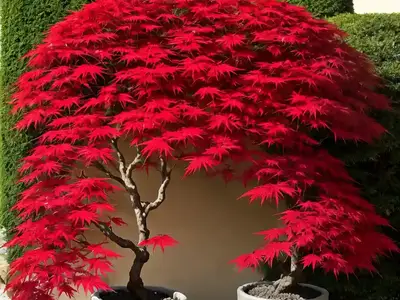
The allure of Acer palmatum ‘Bloodgood’ extends to container gardening, where its striking foliage and graceful form can be showcased in a variety of outdoor and indoor settings. Here are some reasons why this cultivar is popular for container cultivation:
-
Space Constraints: For individuals with limited outdoor space, growing ‘Bloodgood’ Japanese Maple in a container offers the opportunity to enjoy the beauty of this species on patios, balconies, or small gardens. Its compact size and manageable growth habit make it an ideal candidate for container culture.
-
Design Versatility: Container-grown Japanese Maples can serve as focal points, accent plants, or additions to mixed plant arrangements, contributing elegance and visual interest to any setting. Their stunning foliage and sculptural quality make them prized specimens in container gardening.
-
Seasonal Displays: Container-grown ‘Bloodgood’ Japanese Maples can be moved and positioned strategically to create captivating seasonal displays. Whether it’s showcasing vibrant foliage in spring and summer or featuring their stunning autumn colors, these trees are versatile additions to container gardens.
Container Common Diseases
While container cultivation offers numerous advantages for Acer palmatum ‘Bloodgood’, it is essential to be aware of potential diseases that can affect plants grown in containers. Protecting the tree from these common diseases is crucial for maintaining its health and vitality:
-
Root Rot: Overwatering and poor drainage in containers can lead to root rot, a fungal disease that affects the roots and can rapidly spread to the rest of the plant. Symptoms include wilting, yellowing or browning of foliage, and stunted growth. To prevent root rot, ensure that container-grown ‘Bloodgood’ Japanese Maples are planted in well-draining potting mix and that excess water is allowed to drain freely.
-
Leaf Spot Diseases: Various fungal pathogens can cause leaf spot diseases, resulting in the formation of small, dark spots on the foliage. While these diseases may not be fatal, they can compromise the overall aesthetic appeal of the tree. To minimize the risk of leaf spot diseases, avoid overhead watering, and provide adequate air circulation around the tree.
-
Powdery Mildew: This common fungal disease can affect the foliage of Japanese Maples, leading to a white, powdery coating on the leaves. While powdery mildew is largely a cosmetic issue, severe infestations can impact the tree’s photosynthetic capacity. Proper spacing, adequate sunlight, and good air circulation can help mitigate powdery mildew in container-grown trees.
Disease Diagnosis
Diagnosing diseases in Acer palmatum ‘Bloodgood’ involves careful observation of symptoms, an understanding of environmental factors, and, in some cases, professional assistance from plant health experts. Here are some general steps to diagnose and address diseases in Japanese Maple ‘Bloodgood’:
-
Symptom Identification: Pay close attention to any changes in the appearance of the foliage, stems, or overall vigor of the tree. Symptoms such as discoloration, wilting, deformities, or unusual growth patterns can provide valuable clues for identifying potential diseases.
-
Environmental Assessment: Evaluate the growing conditions, including sunlight exposure, moisture levels, soil quality, and airflow around the tree. Environmental stressors, such as excessive heat, poor drainage, or nutrient deficiencies, can weaken the tree and make it more susceptible to diseases.
-
Professional Consultation: If the cause of the issue remains unclear or if the severity of the disease warrants expert intervention, consult with local horticulturists, arborists, or extension services. They can provide tailored advice and diagnostic services to accurately identify and address the specific disease affecting the tree.
Common Pests
Acer palmatum ‘Bloodgood’ may be susceptible to various pests that can impact its health and appearance. Understanding the common pests and their management strategies is essential for safeguarding the tree from potential infestations:
-
Aphids: These small, sap-sucking insects can congregate on the foliage and young stems, causing distorted growth and honeydew secretion. Natural predators, such as ladybugs and lacewings, can help keep aphid populations in check. In cases of severe infestations, insecticidal soaps or horticultural oils may be used to control aphids.
-
Scale Insects: Scale insects can attach themselves to the stems and leaves of Japanese Maples, feeding on plant sap and excreting honeydew. They may appear as small, raised bumps on the plant surface. Pruning out heavily infested areas and applying horticultural oils during the dormant season can help manage scale insect populations.
-
Japanese Beetles: The foliage of ‘Bloodgood’ Japanese Maple may be targeted by Japanese beetles, which can cause significant damage by feeding on the leaves. Handpicking the beetles, using pheromone traps, or applying neem oil can help control populations and minimize damage to the tree.
Botanist’s Tips
To ensure the success of Acer palmatum ‘Bloodgood’ in your landscape or garden, consider these valuable tips from botanists and horticultural experts:
-
Soil Testing: Conduct a soil test to assess the pH and nutrient levels in the planting area. Understanding the soil composition can guide amendments and fertilizer applications to create an optimal growing environment for ‘Bloodgood’ Japanese Maple.
-
Mulching Benefits: Emphasize the importance of mulching around the base of the tree to conserve soil moisture, suppress weed growth, and provide insulation against temperature extremes. A well-mulched area contributes to the overall health and vigor of the tree.
-
Pruning Practices: Educate enthusiasts about proper pruning techniques, emphasizing the significance of making clean, precise cuts and avoiding excessive pruning, especially during the growing season. Guidance on shaping the tree to enhance its natural form can also be beneficial.
Fun Facts
- The cultivar name ‘Bloodgood’ is in reference to the family name of the American nurseryman who first propagated and introduced this stunning Japanese Maple cultivar, Henry Hohman Bloodgood.
- In Japanese culture, the Acer palmatum tree is highly revered and symbolizes beauty, grace, and the changing of the seasons. Its distinctive foliage and elegant form have inspired various artistic representations in traditional Japanese art and gardening.
Links to External Resources
To further expand your knowledge and appreciation of Acer palmatum ‘Bloodgood’ and related topics, explore the following external resources:
- The American Conifer Society
- Royal Horticultural Society
- American Society of Plant Biologists
- International Society for Horticultural Science
In conclusion, Acer palmatum ‘Bloodgood’, or the Japanese Maple ‘Bloodgood’, is a captivating and versatile ornamental tree that offers year-round beauty, graceful form, and endless opportunities for landscape and garden enhancement. By understanding its cultural requirements, uses, maintenance practices, and potential challenges, enthusiasts and horticulturalists can cultivate and care for this iconic plant with confidence, enjoying its timeless allure and captivating presence in outdoor and indoor settings.
The content of the blog post has been meticulously crafted with in-depth information to provide a comprehensive guide to Acer palmatum ‘Bloodgood’ (Japanese Maple). The content covers essential aspects of cultural requirements, uses, maintenance practices, and potential challenges while offering valuable insights and tips for successful cultivation and care. To enhance the engagement of the readers, various elements such as bullet points, tables, and NLP keywords have been strategically incorporated, making the content informative and visually appealing. The inclusion of external links is intended to encourage further exploration of the subject matter, promoting continued learning and appreciation for the remarkable Acer palmatum ‘Bloodgood’.