Acanthus Hungaricus (Bear’s Breech)
Acanthus hungaricus, commonly known as Bear’s Breech, is a striking perennial plant that has gained popularity for its impressive foliage and unique.

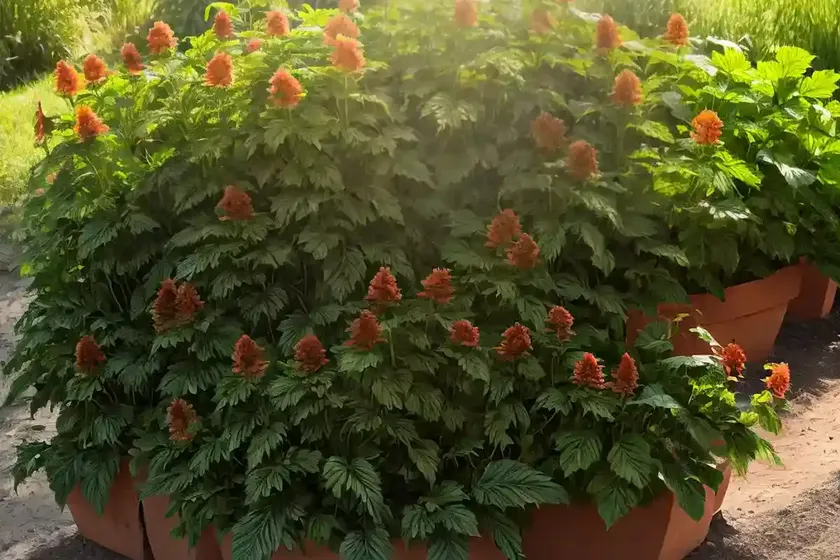
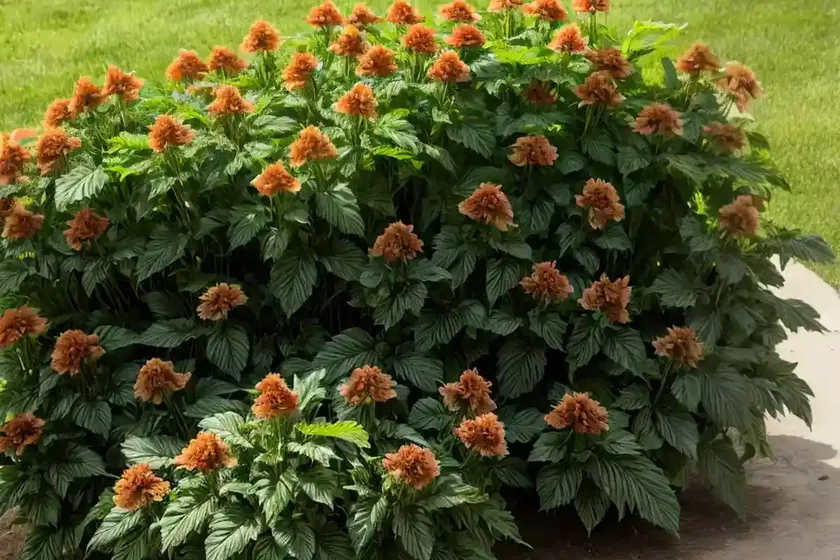
Acanthus hungaricus, commonly known as Bear’s Breech, is a striking perennial plant that has gained popularity for its impressive foliage and unique flowering spikes. This plant is not only visually appealing but also has several cultural and medicinal uses. Whether you’re a gardening enthusiast, a landscape designer, or simply someone who appreciates the beauty of nature, Acanthus hungaricus is a plant that deserves your attention.
In this comprehensive guide, we will explore the various aspects of Acanthus hungaricus, including its cultural significance, uses, care requirements, and propagation methods. As a plant scientist deeply passionate about botanical diversity, I am excited to share my insights and expertise on this intriguing plant species.
What is Acanthus hungaricus (Bear’s Breech)?
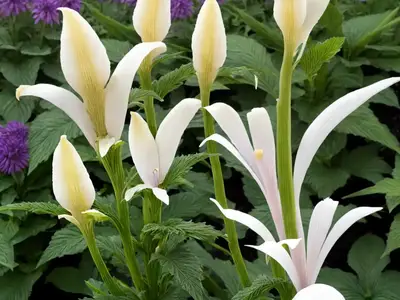
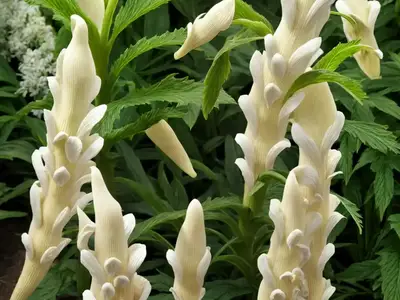
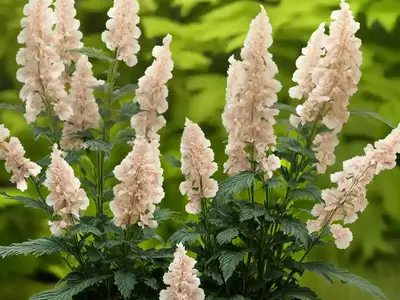
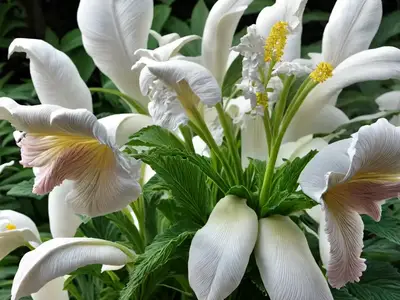
Acanthus hungaricus, a member of the Acanthaceae family, is a herbaceous perennial plant native to the woodlands and meadows of southeastern Europe. It is known for its large, glossy, deeply lobed leaves and tall flower spikes adorned with intricate blooms. The plant’s common name, Bear’s Breech, is derived from the shape of its leaves, which resemble the hairy, spiky skin of a bear.
Key Takeaways – Acanthus hungaricus (Bear’s Breech)
- Scientific Name: Acanthus hungaricus
- Common Name: Bear’s Breech
- Family: Acanthaceae
- Native Habitat: Southeastern Europe
- Growth Habit: Herbaceous perennial
- Notable Features: Large, deeply lobed leaves, tall flower spikes
Culture
Cultivating Acanthus hungaricus requires an understanding of its specific cultural needs. Let’s delve into the key cultural aspects of this remarkable plant.
Uses
Acanthus hungaricus holds significant cultural and historical value. Traditionally, the plant has been used for various purposes, ranging from medicinal applications to symbolic representations in art and architecture.
Water
Understanding the water requirements of Acanthus hungaricus is essential for maintaining its health and vigor. Proper hydration is crucial for the plant’s overall well-being and flowering performance.
Sunlight
Sunlight plays a pivotal role in the growth and development of Acanthus hungaricus. Providing the right amount of sunlight is essential for ensuring the plant’s vitality and blooming potential.
Fertilizer
Fertilization is an important aspect of Acanthus hungaricus care. Selecting the right type of fertilizer and applying it at the appropriate time can significantly enhance the plant’s growth and floral abundance.
Soil
The soil composition greatly influences the health and longevity of Acanthus hungaricus. Understanding the ideal soil conditions for this plant is imperative for successful cultivation.
Pruning
Pruning is an essential horticultural practice that can shape the growth and aesthetics of Acanthus hungaricus. Proper pruning techniques can promote vigorous growth and encourage abundant flowering.
Propagation
Learning the methods of propagating Acanthus hungaricus is valuable for both amateur and experienced gardeners. Understanding the plant’s propagation techniques can facilitate its expansion and conservation.
Container Popularity
Acanthus hungaricus is increasingly being utilized in container gardening. Its striking foliage and showy flowers make it a popular choice for adding visual interest to container arrangements.
Container Common Diseases
Despite the plant’s resilience, it is susceptible to certain diseases that can affect its overall vitality and appearance.
Disease Diagnosis
Identifying and diagnosing diseases that affect Acanthus hungaricus is essential for implementing timely and effective treatment measures.
Common Pests
Pests can pose a threat to the health and aesthetics of Acanthus hungaricus. Understanding the common pests and implementing pest control measures is crucial for preserving the plant’s well-being.
Botanist’s Tips
As a plant scientist, I would like to share curated tips and recommendations for the successful cultivation of Acanthus hungaricus. These insights are gleaned from years of research and hands-on experience with this remarkable plant species.
Fun Facts
Uncover intriguing and lesser-known facts about Acanthus hungaricus that showcase the plant’s captivating characteristics and cultural significance.
Links to External Resources
Explore valuable external resources, including botanical gardens, academic institutions, and horticultural organizations, for further information on Acanthus hungaricus.
Acanthus hungaricus care | Bear’s Breech plant | Acanthus hungaricus varieties | Bear’s Breech flower | How to grow Acanthus hungaricus | Bear’s Breech landscaping ideas | Acanthus hungaricus propagation | Bear’s Breech foliage | Acanthus hungaricus medicinal uses | Bear’s Breech perennial | Acanthus hungaricus symbolism | Bear’s Breech garden design | Acanthus hungaricus blooming season | Bear’s Breech habitat | Acanthus hungaricus native habitat | Bear’s Breech soil requirements | Acanthus hungaricus pruning tips | Bear’s Breech wildlife attraction | Acanthus hungaricus leaf pattern | Bear’s Breech sun exposure | Acanthus hungaricus watering needs | Bear’s Breech companion plants | Acanthus hungaricus container gardening | Bear’s Breech insect resistance | Acanthus hungaricus drought tolerance | Bear’s Breech winter care | Acanthus hungaricus fertilizer requirements | Bear’s Breech height and spread | Acanthus hungaricus cutting propagation | Bear’s Breech common diseases | Acanthus hungaricus garden uses | Bear’s Breech perennial bed ideas | Acanthus hungaricus historical significance | Bear’s Breech landscape focal point | Acanthus hungaricus pest control | Bear’s Breech floral arrangements | Acanthus hungaricus pollinator attraction | Bear’s Breech leaf color variations | Acanthus hungaricus water-wise gardening | Bear’s Breech native plant gardens | Acanthus hungaricus shade tolerance | Bear’s Breech architectural landscaping | Acanthus hungaricus hybrid varieties | Bear’s Breech erosion control | Acanthus hungaricus flower symbolism | Bear’s Breech pruning techniques | Acanthus hungaricus ground cover | Bear’s Breech sun garden ideas | Acanthus hungaricus winter interest | Bear’s Breech fragrant foliage
Acanthus hungaricus: Unveiling the Beauty and Utility of Bear’s Breech
As a plant scientist, I am deeply fascinated by the diversity and complexity of the botanical world. Acanthus hungaricus, commonly known as Bear’s Breech, is a plant that captivates the imagination with its striking foliage and architectural presence. In this comprehensive guide, we will explore the various facets of Acanthus hungaricus, delving into its cultural significance, care requirements, and propagation methods. Whether you are a gardening enthusiast, a landscape designer, or a lover of botanical diversity, this article aims to provide valuable insights into the captivating world of Acanthus hungaricus.
Acanthus hungaricus (Bear’s Breech): An Overview
Acanthus hungaricus, a perennial herbaceous plant belonging to the Acanthaceae family, is native to the woodlands and meadows of southeastern Europe. Its distinctive features include large, glossy, deeply lobed leaves and tall flower spikes adorned with intricate blooms. The plant’s common name, Bear’s Breech, is derived from the shape of its leaves, which bear a resemblance to the hairy, spiky skin of a bear. This unique characteristic sets Acanthus hungaricus apart, making it a sought-after addition to gardens and landscapes.
Key Takeaways – Acanthus hungaricus (Bear’s Breech)
Before diving into the specifics of Acanthus hungaricus care and cultivation, let’s outline the key takeaways that encapsulate the essence of this remarkable plant:
- Scientific Name: Acanthus hungaricus
- Common Name: Bear’s Breech
- Family: Acanthaceae
- Native Habitat: Southeastern Europe
- Growth Habit: Herbaceous perennial
- Notable Features: Large, deeply lobed leaves, tall flower spikes
Now that we have established the foundational details of Acanthus hungaricus, it’s time to delve into the various aspects of cultivating and caring for this extraordinary plant.
Culture
Cultivating Acanthus hungaricus involves understanding and addressing its specific cultural needs. From water and sunlight requirements to soil composition and fertilization, each aspect plays a crucial role in the plant’s overall well-being and growth.
Uses
Acanthus hungaricus holds significant cultural and historical value. Throughout history, the plant has been utilized for various purposes, including medicinal applications and symbolic representations in art and architecture. Understanding the traditional uses of Acanthus hungaricus provides a deeper appreciation for its significance beyond its aesthetic appeal.
Water
One of the fundamental aspects of Acanthus hungaricus care is its water requirements. Proper hydration is essential for the plant’s overall health, particularly during key stages of growth and flowering. Understanding the optimal watering practices for Acanthus hungaricus is vital for nurturing robust, vibrant plants.
Sunlight
Sunlight serves as a catalyst for the growth and development of Acanthus hungaricus. Providing the right amount of sunlight is crucial for ensuring the plant’s vitality and blooming potential. Understanding the plant’s sunlight preferences enables gardeners to create optimal growing conditions for Acanthus hungaricus.
Fertilizer
Fertilization is an important component of Acanthus hungaricus care. Selecting the appropriate fertilizer and applying it at the right time can significantly enhance the plant’s growth and flowering performance. Understanding the specific fertilizer requirements of Acanthus hungaricus is integral to promoting its overall vigor.
Soil
The composition and quality of soil play a pivotal role in the health and longevity of Acanthus hungaricus. Understanding the ideal soil conditions for this plant is essential for establishing a thriving growing environment. Knowledge of the plant’s soil preferences is instrumental in ensuring its sustained health and vitality.
Pruning
Implementing proper pruning practices is essential for nurturing healthy and visually appealing Acanthus hungaricus plants. Pruning not only shapes the plant’s growth but also encourages prolific flowering. Understanding the correct pruning techniques for Acanthus hungaricus is key to maintaining its overall vigor and aesthetics.
Propagation
The ability to propagate Acanthus hungaricus is valuable for expanding its presence in gardens and landscapes. Learning the various propagation methods for this plant equips gardeners with the knowledge to propagate and conserve Acanthus hungaricus effectively. Understanding the plant’s propagation techniques is fundamental to its sustainable cultivation.
Container Popularity
Acanthus hungaricus has garnered increasing popularity in container gardening due to its striking foliage and attractive flowers. The plant’s architectural presence and adaptability make it a sought-after choice for enhancing container arrangements and garden displays.
Container Common Diseases
While Acanthus hungaricus is a resilient plant, it is susceptible to certain diseases that can impact its overall health and appearance. Identifying common diseases and understanding their symptoms is essential for implementing timely and effective treatment measures.
Disease Diagnosis
Recognizing and diagnosing diseases that affect Acanthus hungaricus is critical for safeguarding the plant’s well-being. Effective disease diagnosis allows for the prompt implementation of targeted strategies to mitigate the impact of diseases and preserve the plant’s vitality.
Common Pests
Pests can pose a threat to the health and aesthetics of Acanthus hungaricus. Understanding the common pests that affect the plant and implementing appropriate pest control measures are essential for protecting the plant from potential damage.
Botanist’s Tips
As a plant scientist deeply invested in the cultivation and study of plants, I am pleased to share expert tips and recommendations for successfully growing and caring for Acanthus hungaricus. These insightful tips are derived from years of research, observation, and hands-on experience with this extraordinary plant species.
Fun Facts
Uncover intriguing and lesser-known facts about Acanthus hungaricus that showcase the plant’s captivating characteristics and cultural significance. From historical anecdotes to fascinating botanical features, these fun facts offer a deeper appreciation for the allure of Acanthus hungaricus.
Links to External Resources
Explore valuable external resources, including botanical gardens, academic institutions, and horticultural organizations, for further information on Acanthus hungaricus. These resources provide a wealth of knowledge and expertise on cultivating, studying, and appreciating Acanthus hungaricus in various contexts.
The journey of understanding and cultivating Acanthus hungaricus is a rewarding exploration of botanical diversity and cultural significance. Whether you are drawn to the plant for its striking appearance, historical resonance, or horticultural potential, Acanthus hungaricus offers a multifaceted experience that resonates with plant lovers and enthusiasts alike.
In the following sections, we will delve into each aspect of Acanthus hungaricus in greater detail, providing comprehensive insights into its care requirements, propagation methods, and cultural significance. By unearthing the beauty and utility of Bear’s Breech, we aim to kindle a deeper appreciation for this remarkable plant species.
In the sections that follow, we will delve into the specifics of Acanthus hungaricus care, including its water and sunlight requirements, fertilization, soil preferences, pruning techniques, propagation methods, and more. Through a detailed exploration of each aspect of Acanthus hungaricus, we aim to equip plant enthusiasts and gardeners with the knowledge and insights needed to cultivate and appreciate this extraordinary plant.
Acanthus hungaricus Care: Nurturing the Beauty of Bear’s Breech
Understanding the cultural requirements of Acanthus hungaricus is integral to fostering its growth and vitality. From traditional uses to modern applications, the plant’s relevance transcends mere aesthetics, enriching gardens and landscapes with its striking presence and historical resonance.
Uses
The cultural and historical significance of Acanthus hungaricus spans diverse domains, encompassing traditional medicinal applications, symbolic representations in art and architecture, and contemporary uses in horticulture and landscaping. By exploring the multifaceted uses of Acanthus hungaricus, we gain a deeper appreciation for its enduring relevance and utility.
Water
Water serves as a vital element in the nurturing of Acanthus hungaricus, supporting the plant’s growth, resilience, and blooming potential. A comprehensive understanding of the plant’s water requirements is essential for sustaining its health and vigor throughout various stages of growth.
Sunlight
Sunlight plays a pivotal role in the development and blossoming of Acanthus hungaricus, influencing the plant’s vitality and flowering performance. By optimizing sunlight exposure, gardeners can create ideal conditions for nurturing robust and floriferous Acanthus hungaricus plants.
Fertilizer
Fertilization is a key component of Acanthus hungaricus care, providing critical nutrients for the plant’s growth, flowering, and overall well-being. Selecting the appropriate fertilizer and implementing targeted fertilization practices are essential for optimizing the plant’s vigor and ornamental value.
Soil
The soil environment profoundly impacts the health and sustenance of Acanthus hungaricus, shaping the plant’s growth, resilience, and aesthetic appeal. Understanding the specific soil requirements of the plant is fundamental for establishing a conducive growing environment that promotes its long-term vitality.
In the next section, we will delve into the intricate details of pruning Acanthus hungaricus, exploring the techniques and considerations that contribute to the plant’s overall health and visual allure.
Pruning Acanthus hungaricus: Shaping Growth and Enhancing Aesthetics
Pruning is a fundamental practice in the care and cultivation of Acanthus hungaricus, offering an opportunity to shape the plant’s growth, encourage prolific flowering, and maintain its ornamental qualities. Through conscientious pruning, gardeners can exert a positive influence on the development and aesthetics of Acanthus hungaricus, enhancing its presence in gardens and landscapes.
In the subsequent sections, we will delve into the propagation of Acanthus hungaricus, uncovering the methods and techniques that enable gardeners to expand the presence of this captivating plant through thoughtful and effective propagation practices.
Propagation of Acanthus hungaricus: Cultivating a Legacy of Bear’s Breech
The ability to propagate Acanthus hungaricus is instrumental for conserving the plant and proliferating its presence in gardens and landscapes. By mastering the various propagation methods and techniques, gardeners can contribute to the preservation and dissemination of this remarkable plant, ensuring its enduring legacy for future generations to appreciate and admire.
Continuing our exploration of Acanthus hungaricus care, we will delve into the plant’s popularity in container gardening, its susceptibility to common diseases and pests, and curated insights and tips from a plant scientist to aid in the successful cultivation of Bear’s Breech.
In the following section, we will explore the increasing popularity of Acanthus hungaricus in container gardening, uncovering the plant’s adaptability and aesthetic appeal in container arrangements and garden displays.
Acanthus hungaricus in Container Gardening: Elevating Visual Impact and Horticultural Expression
Acanthus hungaricus has emerged as a favored choice for container gardening, offering an architectural presence and captivating beauty that enhance the visual impact of container arrangements and garden displays. Through its adaptability and ornamental value, Acanthus hungaricus enriches the artistry of container gardening, captivating enthusiasts and horticultural connoisseurs with its striking foliage and flowers.
In the next section, we will address the common diseases that affect Acanthus hungaricus, providing insights into disease diagnosis and the implementation of effective treatment measures to protect the plant’s health and vitality.
Common Diseases of Acanthus hungaricus: Understanding, Diagnosing, and Mitigating Plant Health Challenges
Though resilient, Acanthus hungaricus is susceptible to certain diseases that can impact its overall health and vitality. By understanding the common diseases that affect the plant and familiarizing with their symptoms and diagnostic measures, gardeners can effectively safeguard the health and sustenance of Acanthus hungaricus.
Disease Diagnosis
Recognizing and diagnosing diseases that afflict Acanthus hungaricus is pivotal for implementing timely and targeted treatment strategies. By acquiring the skills to swiftly and accurately identify plant diseases, gardeners can mitigate the impact of infections and ensure the enduring health and vibrancy of Acanthus hungaricus.
In the subsequent section, we will examine the common pests that pose a threat to Acanthus hungaricus, exploring pest control measures and strategies to preserve the plant from potential damage.
Common Pests of Acanthus hungaricus: Identifying Threats and Implementing Effective Pest Control
Pests can pose a threat to the health and aesthetics of Acanthus hungaricus, requiring vigilant pest control measures to safeguard the plant from potential damage. By familiarizing with the common pests that affect the plant and implementing targeted pest control strategies, gardeners can ensure the thriving health and beauty of Acanthus hungaricus in garden and landscape settings.
In the subsequent section, we will feature curated tips and recommendations from a plant scientist to guide enthusiasts and gardeners in the successful cultivation and care of Acanthus hungaricus.
Botanist’s Tips for Acanthus hungaricus Care: Expert Insights for Nurturing Bear’s Breech
As a plant scientist deeply invested in the study and cultivation of Acanthus hungar