Acanthus Mollis ‘Rue Ledan’ (Bear’s Breech)
Acanthus mollis ‘Rue Ledan’, commonly known as Bear’s Breech, is a stunning perennial plant that has been cherished for centuries for its ornamental.
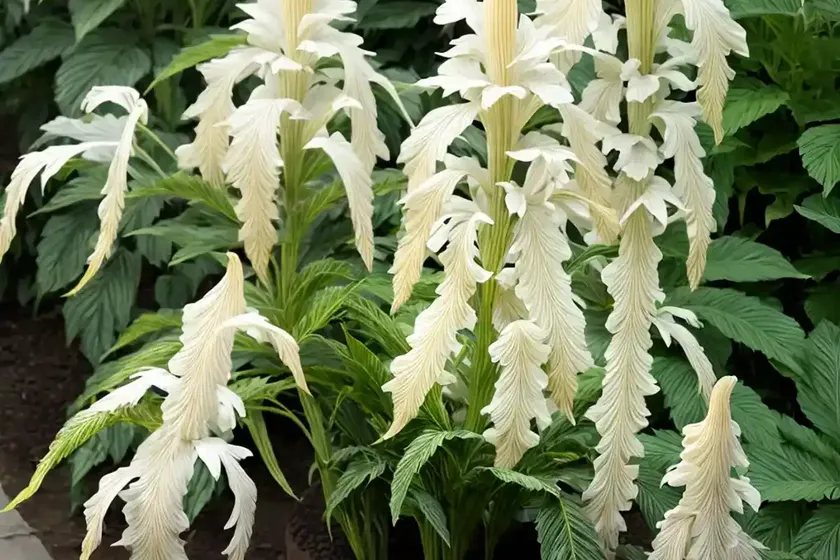
Acanthus mollis ‘Rue Ledan’, commonly known as Bear’s Breech, is a stunning perennial plant that has been cherished for centuries for its ornamental foliage and architectural presence in gardens. This shade-loving plant is a favorite among gardeners and landscapers for its lush, deeply lobed leaves and tall flower spikes. In this comprehensive guide, we will explore the various aspects of Acanthus mollis ‘Rue Ledan’, from its cultural requirements to its uses in landscape design.
What is Acanthus mollis ‘Rue Ledan’ (Bear’s Breech)?
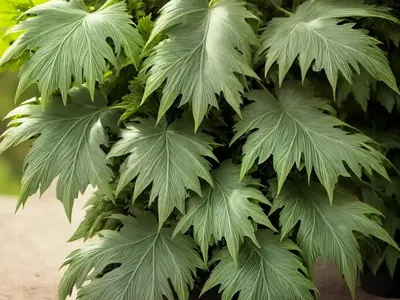
Acanthus mollis ‘Rue Ledan’ is a member of the Acanthaceae family and is native to the Mediterranean region. It is characterized by its large, glossy, dark green leaves with deeply cut, sharp-toothed margins. The plant forms clumps of foliage that can reach a height of 3 to 4 feet, with an equal spread, creating a bold and dramatic presence in the garden.
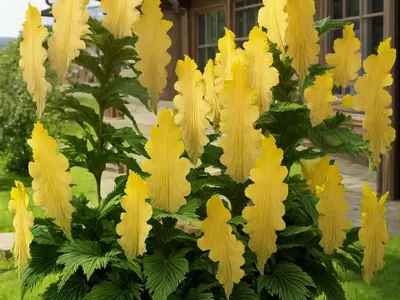
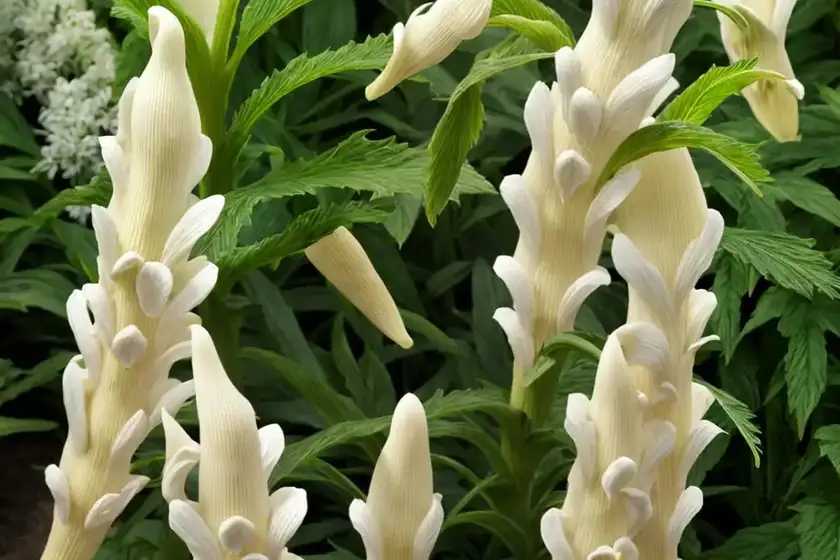
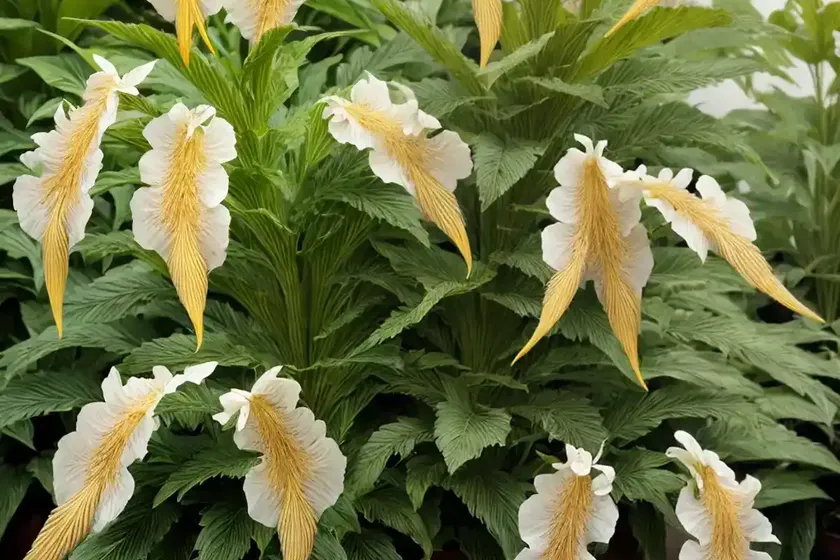
The most striking feature of Acanthus mollis ‘Rue Ledan’ is its tall flower spikes, which emerge in summer and are adorned with hooded, pinkish-purple blooms. The intricate, architectural form of the flowers adds an elegant touch to the plant, making it a popular choice for adding vertical interest to garden borders and beds.
The name “Bear’s Breech” is derived from the shape and texture of the plant’s leaves, which are said to resemble the furry, spiky foliage of a bear’s hind legs. This unique characteristic, along with its historical significance and folklore, has contributed to the enduring popularity of Acanthus mollis ‘Rue Ledan’ in gardens and landscapes around the world.
Key Takeaways – Acanthus mollis ‘Rue Ledan’ (Bear’s Breech)
Before delving into the specifics of how to care for and cultivate Acanthus mollis ‘Rue Ledan’, let’s summarize the key takeaways about this remarkable plant:
- Plant Name: Acanthus mollis ‘Rue Ledan’ (Bear’s Breech)
- Family: Acanthaceae
- Common Names: Bear’s Breech, Oyster Plant
- Type: Perennial
- Hardiness Zone: 6-9
- Sunlight: Partial to full shade
- Watering: Moderate
- Soil: Well-draining, fertile soil
- Height: 3-4 feet
- Spread: 3-4 feet
- Flowering Season: Summer
- Uses: Shade gardens, borders, containers, cut flowers
- Special Features: Ornamental foliage, tall flower spikes
Now that we have a general overview of Acanthus mollis ‘Rue Ledan’, let’s explore the specific cultural requirements and care guidelines for this captivating plant.
Culture
Sunlight
Acanthus mollis ‘Rue Ledan’ thrives in partial to full shade, making it an excellent choice for shady or woodland gardens. However, it can tolerate some morning sun or dappled sunlight, especially in cooler climates. Avoid planting it in locations with intense, direct sunlight, as this can scorch the leaves and compromise the overall health of the plant.
Water
When it comes to watering, Acanthus mollis ‘Rue Ledan’ prefers consistently moist soil. However, it is essential to ensure that the soil is well-draining to prevent waterlogged conditions, which can lead to root rot. During hot, dry periods, regular watering is crucial to keep the soil evenly moist, especially for newly established plants.
Soil
The ideal soil for Acanthus mollis ‘Rue Ledan’ is rich, fertile, and well-draining. It thrives in loamy soil with a slightly acidic to neutral pH. Amending the soil with organic matter such as compost or well-rotted manure can improve its texture and fertility, providing an optimal growing medium for the plants.
Fertilizer
To support healthy growth and flowering, it is beneficial to fertilize Acanthus mollis ‘Rue Ledan’ in spring with a balanced, all-purpose fertilizer. A slow-release fertilizer or a top dressing of compost can provide the necessary nutrients to sustain the plant throughout the growing season. Avoid excessive nitrogen, as it can promote lush foliage at the expense of flower production.
Uses
In Gardens and Landscapes
Acanthus mollis ‘Rue Ledan’ is a versatile plant that lends itself to various uses in gardens and landscapes:
- Shade Gardens: Its preference for shade makes it an excellent choice for adding interest to shaded areas of the garden.
- Borders: The bold foliage and striking flower spikes make Acanthus mollis ‘Rue Ledan’ an attractive border plant, providing a lush backdrop to other garden perennials.
- Containers: Due to its upright growth habit, Acanthus mollis ‘Rue Ledan’ can be grown in large containers or planters, adding a touch of elegance to patios and outdoor living spaces.
- Cut Flowers: The tall flower spikes make beautiful additions to floral arrangements, bringing a touch of the garden indoors.
As Ground Cover
While Acanthus mollis ‘Rue Ledan’ may not be a traditional ground cover plant, its sprawling habit and dense foliage can effectively suppress weeds and provide coverage in shaded areas of the garden. When planted en masse, it can create a lush carpet of greenery, adding texture and visual interest to the landscape.
Pruning
Pruning Acanthus mollis ‘Rue Ledan’ is relatively minimal, primarily focusing on the removal of dead or damaged foliage and spent flower spikes. In late winter or early spring, trim back any remaining old flower spikes to promote new growth and maintain the plant’s overall tidy appearance. Additionally, trimming back any overly vigorous growth can help manage the size of the plant and prevent it from encroaching on other garden inhabitants.
Propagation
Acanthus mollis ‘Rue Ledan’ can be propagated through division or by taking root cuttings. Division is typically carried out in early spring, as new growth begins to emerge. Here’s a simple guide to propagating Acanthus mollis ‘Rue Ledan’ through division:
- Carefully dig up the plant, ensuring that you include a generous portion of the root system.
- Gently separate the rooted sections, ensuring that each division has a healthy portion of roots and several growing points.
- Replant the divisions in prepared soil, water them well, and provide appropriate care as they establish themselves in their new location.
Alternatively, root cuttings can be taken in late winter or early spring:
- Select healthy, young shoots and cut them into sections, each approximately 3-4 inches in length.
- Dip the cut ends in a rooting hormone to encourage the development of roots.
- Plant the cuttings in a well-draining potting mix, ensuring that the nodes are covered and the top portion is above the soil line.
- Keep the cuttings consistently moist and provide them with indirect light until they develop roots and establish themselves.
Container Popularity
Acanthus mollis ‘Rue Ledan’ is a popular choice for container gardening, particularly in areas where garden space is limited or where gardeners want to create impactful focal points on patios or balconies. When grown in containers, this plant’s striking foliage and tall flower spikes can add an architectural element to outdoor spaces, enhancing the visual appeal of the area.
Common Diseases
Despite being relatively low-maintenance, Acanthus mollis ‘Rue Ledan’ is susceptible to a few common diseases that can impact its health and vigor. Some of the typical diseases to watch out for include:
- Powdery Mildew: A fungal disease that manifests as a powdery, white coating on the leaves, affecting the plant’s aesthetics and potentially reducing its vigor.
- Leaf Spot: This fungal disease presents as dark, water-soaked spots on the leaves, potentially leading to defoliation and weakening of the plant.
Preventing these diseases through proper cultural practices, such as providing adequate air circulation and spacing between plants, as well as avoiding overhead watering, can help reduce the risk of infection.
Disease Diagnosis
Diagnosing diseases in Acanthus mollis ‘Rue Ledan’ involves careful observation of the plant’s foliage and overall appearance. Look for any abnormal discoloration, spotting, or unusual growth patterns on the leaves and stems. Additionally, monitor the plant for signs of wilting, stunted growth, or any visible presence of fungal or powdery growth on the foliage. If you suspect that your plant may be affected by a disease, it is advisable to consult with a local extension office or a plant health specialist for a proper diagnosis and treatment recommendations.
Common Pests
Acanthus mollis ‘Rue Ledan’ is generally resistant to most pests, making it a low-maintenance addition to the garden. However, certain pests may occasionally pose a threat to the plant’s health and vitality. Some of the common pests to be mindful of include:
- Aphids: These tiny, sap-sucking insects can distort the growth of new leaves and buds, potentially causing reduced vigor and stunted growth in affected plants.
- Snails and Slugs: These nocturnal pests can feed on the foliage of Acanthus mollis ‘Rue Ledan’, causing unsightly damage and compromising the overall aesthetic appeal of the plant.
Vigilant monitoring and prompt intervention, such as handpicking or using eco-friendly pest control methods, can help manage pest infestations and protect the plant from significant damage.
Botanist’s Tips
To ensure the successful cultivation and care of Acanthus mollis ‘Rue Ledan’, consider the following tips from botanists and experienced gardeners:
- Site Selection: Choose a sheltered location with partial to full shade and well-draining soil to provide optimal growing conditions for the plant.
- Mulching: Apply a layer of organic mulch around the base of Acanthus mollis ‘Rue Ledan’ to conserve soil moisture, suppress weeds, and regulate soil temperature.
- Support: In windy locations, consider providing support for the tall flower spikes to prevent damage and ensure their upright growth.
- Winter Protection: In colder climates, apply a layer of mulch or protective covering over the root zone of the plant to safeguard it from freezing temperatures and frost damage.
Fun Facts
- The name “Acanthus” is derived from the Greek word “akantha,” which means thorn or spine, in reference to the plant’s spiky appearance.
- Acanthus leaves have been used as motifs in architecture and art since ancient times, especially in ancient Greek and Roman designs.
- In Greek mythology, the Acanthus plant is associated with the goddess Artemis and is featured in the design of the Corinthian column capital.
Links to External Resources
For further information on Acanthus mollis ‘Rue Ledan’ (Bear’s Breech) and related topics, here are some valuable resources to explore:
- Royal Horticultural Society: Acanthus – RHS Acanthus Guide
- Missouri Botanical Garden: Acanthus mollis – MOBOT Acanthus Profile
- American Society for the Prevention of Cruelty to Plants (ASPCP): Bear’s Breech Care Tips – ASPCP Bear’s Breech Care
- The Acanthus in Art and Architecture – Acanthus in Art and Architecture
In conclusion, Acanthus mollis ‘Rue Ledan’ (Bear’s Breech) is a captivating and versatile plant that adds a touch of elegance to gardens and landscapes with its ornamental foliage and striking flower spikes. By understanding its cultural requirements, uses, and potential challenges, gardeners can cultivate and enjoy this timeless perennial in their own outdoor spaces. Whether used as a shade-loving border plant, a striking container specimen, or an architectural element in garden designs, Acanthus mollis ‘Rue Ledan’ continues to enchant and inspire with its enduring beauty and historical significance in horticulture and design.