Acanthus Spinosus (Armed Bear’s Breech)
Acanthus spinosus, commonly known as Armed Bear’s Breech, is a striking perennial plant that belongs to the Acanthaceae family. This species is native to.
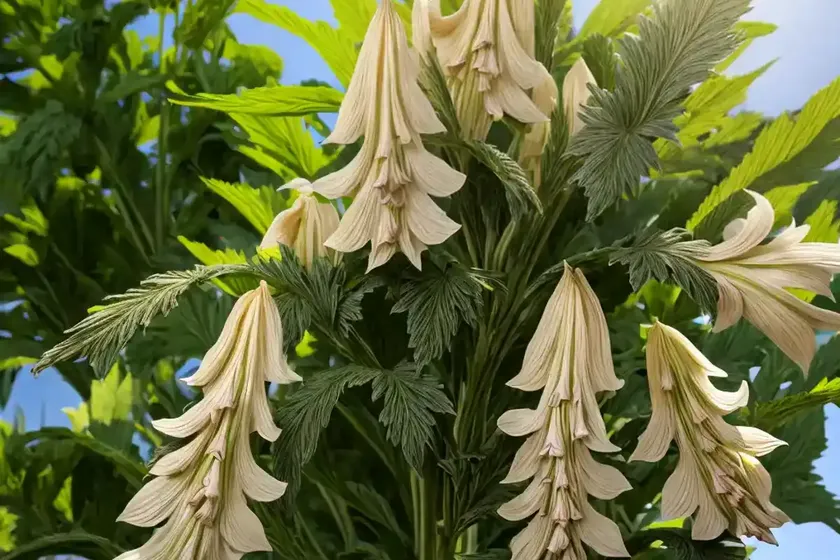
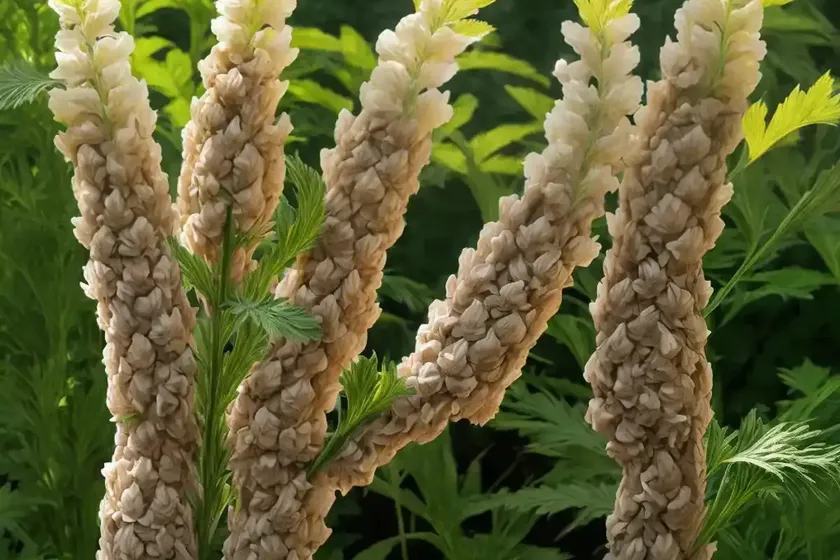
Acanthus spinosus, commonly known as Armed Bear’s Breech, is a striking perennial plant that belongs to the Acanthaceae family. This species is native to the Mediterranean region and has been cultivated for centuries due to its ornamental and medicinal properties. In this comprehensive guide, we will explore the key characteristics of Acanthus spinosus, its cultural requirements, its uses in gardens, and various other aspects that make it a fascinating subject for plant enthusiasts and gardeners.
What is Acanthus spinosus (Armed Bear’s Breech)?
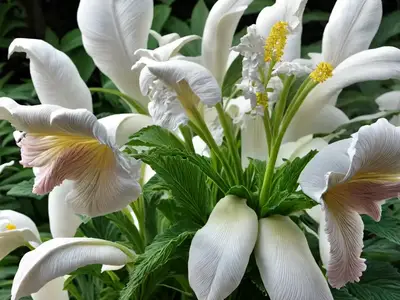
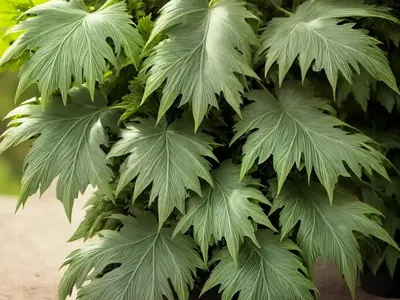
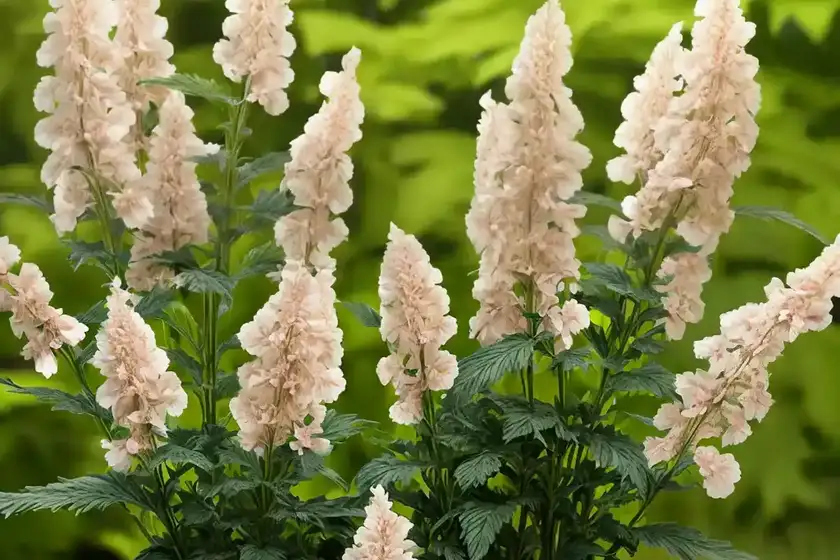
Acanthus spinosus is a robust, herbaceous perennial plant that is renowned for its deeply lobed, glossy green leaves and tall, elegant flower spikes. This species is characterized by its spiky, ornamental bracts and is often used to add architectural interest to gardens and landscapes. The common name “Armed Bear’s Breech” refers to the sharp spines present on the plant’s leaves, resembling the claws of a bear.
Acanthus spinosus is a hardy and low-maintenance plant, making it a popular choice for both novice and experienced gardeners. Its ability to thrive in various conditions, coupled with its ornamental appeal, has contributed to its widespread popularity in garden settings.
Key Takeaways – Acanthus spinosus (Armed Bear’s Breech)
Before delving into the specifics of Acanthus spinosus care, it’s important to understand the essential characteristics and uses of this plant. Here are some key takeaways:
- Botanical Name: Acanthus spinosus
- Common Name: Armed Bear’s Breech
- Family: Acanthaceae
- Native Region: Mediterranean
- Growth Habit: Herbaceous perennial
- Foliage: Deeply lobed, glossy green leaves with spines
- Flowers: Tall spikes with spiky, ornamental bracts
- Cultural Uses: Ornamental gardens, landscaping, medicinal applications
In the following sections, we will explore the cultural requirements, uses, and maintenance tips for Acanthus spinosus, providing valuable insights for those aiming to incorporate this captivating plant into their outdoor spaces.
Cultural Requirements
Understanding the cultural requirements of Acanthus spinosus is crucial for successfully cultivating and maintaining this plant. From sunlight and water needs to soil preferences and pruning techniques, each aspect plays a significant role in supporting the optimal growth and development of Armed Bear’s Breech. Let’s explore each of these requirements in detail.
Sunlight
Acanthus spinosus thrives in a position that receives ample sunlight, although it can tolerate partial shade. Ideally, it should be planted in a location that offers at least 6-8 hours of direct sunlight per day. In areas with scorching summer temperatures, providing some afternoon shade can prevent the foliage from becoming stressed or scorched. When selecting a planting site, consider the sunlight requirements and the potential for exposure to extreme heat, especially in warmer climates.
Water
Moderate to regular watering is essential for the optimal growth of Acanthus spinosus. While this plant can withstand periods of drought once established, it prefers consistently moist, well-draining soil. Adequate irrigation is especially important during the hot summer months to prevent the soil from drying out completely. However, it is crucial to avoid waterlogged conditions, as excessive moisture can lead to root rot and other issues. Striking a balance between allowing the soil to dry out slightly between waterings and avoiding prolonged dry spells is key to supporting the plant’s health.
Soil
Acanthus spinosus thrives in fertile, loamy soil with good drainage. It is important to ensure that the soil is rich in organic matter and has a slightly acidic to neutral pH level. Amending the planting area with well-composted organic material can improve soil structure and nutrient content, providing an optimal growing environment for this species. Additionally, incorporating a layer of mulch around the base of the plant can help retain soil moisture, regulate soil temperature, and suppress weed growth.
When it comes to soil texture, Acanthus spinosus shows good adaptability to various soil types, including clay, sandy, and loamy soils. However, it is essential to avoid soils that are excessively compacted or prone to waterlogging, as these conditions can hinder root development and overall plant vigor.
Fertilizer
Providing Acanthus spinosus with a balanced, slow-release fertilizer can promote healthy growth and abundant flowering. A general-purpose, granular fertilizer with an NPK ratio of 10-10-10 or similar can be applied in spring as new growth begins. Alternatively, incorporating well-rotted organic matter into the soil during the planting phase can serve as a natural source of nutrients for the plant. It is important to follow the recommended application rates for the specific fertilizer used, as over-fertilization can lead to excessive foliage growth at the expense of flowering.
In addition to regular fertilization, periodic top-dressing with compost or well-rotted manure can further enrich the soil and sustain the plant’s vigor over time. Care should be taken to avoid direct contact between the fertilizer and the plant’s foliage, as this can cause leaf burn and other adverse effects.
Pruning
Pruning Acanthus spinosus is relatively straightforward and primarily involves the removal of spent flower spikes and damaged foliage. This practice not only maintains the plant’s tidy appearance but also encourages the development of new growth and subsequent blooms. In late fall or early spring, any dead or yellowing foliage can be trimmed back to improve overall aesthetics and prevent the accumulation of debris around the base of the plant.
When deadheading the flower spikes, it is recommended to trim them back to just above a set of healthy leaves or buds. This helps redirect the plant’s energy towards producing new growth rather than setting seeds, ultimately prolonging the flowering period and enhancing the plant’s visual appeal.
Propagation
Acanthus spinosus can be propagated through various methods, including division, seed sowing, and stem cuttings. Each approach offers unique advantages and may be suitable for different situations or preferences. Understanding the propagation techniques for Armed Bear’s Breech can empower gardeners to expand their plantings, share specimens with others, and rejuvenate mature clumps when necessary. Let’s explore the propagation methods for Acanthus spinosus in detail.
Division
Division is a common and effective method for propagating Acanthus spinosus, particularly when rejuvenating overcrowded or declining clumps. This process involves carefully separating the root mass of a mature plant into smaller sections, each of which contains viable roots and shoots. Division is typically carried out in early spring before new growth emerges, allowing the divided sections to establish themselves during the growing season.
To propagate Acanthus spinosus through division:
- Begin by preparing the new planting sites in advance, ensuring that the soil is well-prepared and the locations receive adequate sunlight or shade, as per the plant’s requirements.
- Gently dig up the mature Acanthus spinosus plant, being mindful of the root system and minimizing damage to the roots and foliage.
- Using a sharp, clean tool, such as a garden spade or knife, carefully divide the root mass into smaller sections, ensuring that each division has several healthy shoots and an adequate root system.
- Plant the divided sections promptly at the same depth as the original plant, firming the soil around the roots and watering thoroughly to settle the soil.
- Provide appropriate care and maintenance to the newly propagated plants, including regular watering and protection from extreme weather conditions.
Division not only facilitates the propagation of Acanthus spinosus but also rejuvenates the parent plant by reducing overcrowding and enhancing overall vigor.
Seed Sowing
Seed propagation offers an alternative approach to increase the population of Acanthus spinosus, allowing for genetic diversity and the potential for new variations. Collecting and sowing seeds from mature plants can be an engaging and rewarding way to propagate this species, though it requires patience and careful attention to the germination process. When working with seeds, it is important to provide optimal conditions to support successful germination and subsequent growth.
To propagate Acanthus spinosus through seed sowing:
- Harvest mature seeds from the plant’s seed pods when they have ripened and begun to dry. Ensure that the seeds are fully mature and viable before collecting them for propagation.
- Prepare a well-draining seed-raising mix in trays or pots, lightly pressing the mix to create a level surface for sowing the seeds.
- Sow the Acanthus spinosus seeds evenly across the surface of the seed-raising mix, lightly covering them with a thin layer of the mix or fine sand.
- Water the seeded trays gently, ensuring that the moisture penetrates the soil without causing displacement of the seeds. Place the trays in a warm, bright location, such as a greenhouse or sunny windowsill, to facilitate germination.
- Monitor the moisture levels and provide adequate ventilation to prevent the buildup of excess humidity, which can lead to fungal issues.
As the seeds germinate and the seedlings develop, it is important to gradually acclimate them to outdoor conditions before transplanting them into the garden. This process, known as hardening off, prepares the seedlings for the transition from a controlled environment to the challenges of the outdoor setting.
Stem Cuttings
Propagation by stem cuttings offers a reliable method for generating new Acanthus spinosus plants and preserving specific traits from the parent plant. When selecting stem cuttings for propagation, it is essential to choose healthy, non-flowering shoots and provide suitable conditions for rooting and establishment. By following proper techniques and providing attentive care, gardeners can successfully propagate Acanthus spinosus through stem cuttings.
To propagate Acanthus spinosus through stem cuttings:
- Identify healthy, non-flowering stems on the parent plant, selecting sections that are free from disease, damage, or pests.
- Use a sharp and sterile pair of pruners or scissors to take cuttings that are 4-6 inches long, making each cut just below a leaf node or junction. Remove any excess foliage from the lower portion of the cutting to minimize moisture loss and encourage rooting.
- Optionally, dip the severed end of the cutting in a rooting hormone powder to promote the development of roots, tapping off any excess hormone before planting the cutting.
- Insert the stem cuttings into a well-draining propagation medium, such as a mixture of perlite and peat moss or a specialized propagation mix. Firm the medium around the base of the cuttings to provide stability and encourage contact between the stem and the rooting medium.
- Place the planted cuttings in a warm, humid environment with indirect light, ensuring that the medium remains consistently moist but not waterlogged. Monitoring humidity levels and providing intermittent misting or a transparent cover can create a conducive environment for root development.
As the cuttings begin to root and exhibit new growth, they can be gradually transitioned to larger containers or outdoor planting sites, where they can continue to establish themselves and contribute to the diversity of Acanthus spinosus plantings.
Container Popularity
Acanthus spinosus is well-suited for container cultivation, offering versatility and ornamental value in various outdoor settings. Planting Armed Bear’s Breech in containers can allow gardeners to showcase its distinctive foliage and flowers on patios, balconies, and other confined spaces where garden beds may be limited. Additionally, containers provide the opportunity to create focal points, emphasize architectural features, and easily move the plants to more sheltered locations during extreme weather conditions.
When selecting containers for Acanthus spinosus, it is important to consider the following factors:
- Size: Choose a container that offers ample space for the plant’s roots to spread and grow. A container with a diameter of approximately 18-24 inches and a depth of at least 12-16 inches can accommodate a mature Acanthus spinosus plant.
- Drainage: Ensure that the containers have adequate drainage holes to prevent waterlogging and maintain proper soil moisture levels. Elevating the containers on pot feet or placing them on a layer of gravel can further facilitate drainage and aeration.
- Material: Select containers made of durable, weather-resistant materials, such as terracotta, fiberglass, or high-grade plastic. These materials should withstand outdoor exposure and provide insulation against extreme temperatures.
- Soil: Use a well-draining potting mix that is suitable for perennial plants and contains organic matter to support the plant’s growth. It is important to avoid compaction and to refresh the soil periodically to replenish nutrients.
Cultivating Acanthus spinosus in containers offers the flexibility to experiment with placement, design compositions, and explore various settings, including urban gardens, patios, rooftop terraces, and courtyard landscapes. When creating container displays with Armed Bear’s Breech, consider incorporating complementary plants, such as trailing vines, flowering annuals, or foliage accents, to enhance visual interest and create harmonious combinations.
Common Diseases
Acanthus spinosus, like many other plants, can be susceptible to certain diseases and disorders that can compromise its health and appearance. Recognizing the symptoms of common diseases and understanding preventive measures can help mitigate the impact of these issues and support the overall well-being of the plant. By implementing good cultural practices and vigilantly monitoring the plant’s condition, it is possible to minimize the risk of disease and promote a thriving Acanthus spinosus specimen.
Disease Diagnosis
Some of the common diseases that may affect Acanthus spinosus include:
- Fungal Leaf Spot: This condition is characterized by the development of small, dark spots on the plant’s leaves, often surrounded by a yellow halo. Fungal leaf spot can be caused by various pathogens and is favored by excess moisture, poor air circulation, and compromised plant vigor.
- Powdery Mildew: Powdery mildew manifests as a powdery white coating on the surfaces of leaves and stems, leading to distorted growth and reduced photosynthetic function. High humidity and crowded planting conditions can create favorable environments for powdery mildew development.
- Root Rot: Root rot, caused by soil-borne pathogens such as Phytophthora or Fusarium, can lead to the deterioration of the plant’s root system and subsequent decline in overall health. Prolonged waterlogging, poorly drained soil, and over-watering can contribute to the onset of root rot.
In addition to these specific diseases, Acanthus spinosus may also be susceptible to pests and environmental stressors, all of which can impact its resilience and vitality.
Common Pests
Several pests may pose a threat to Acanthus spinosus, leading to damage and potential decline if left unaddressed. Some of the common pests that may affect this plant include:
- Aphids: Small, sap-sucking insects that congregate on new growth and tender shoot tips, leading to distorted growth and the transmission of viral diseases.
- Spider Mites: These tiny arachnids feed on the undersides of leaves, causing stippling, yellowing, and eventual defoliation. Spider mite infestations often coincide with dry, dusty conditions and can be challenging to control.
- Slugs and Snails: These mollusks are known for their voracious appetite for plant foliage, particularly in moist, shaded areas. Their feeding activity can result in unsightly foliage damage and reduced plant vigor.
Preventing and managing pest infestations and diseases involves a proactive approach that integrates cultural practices, vigilant monitoring, and targeted interventions. By maintaining good hygiene, optimizing growing conditions, and promptly addressing signs of stress or damage, gardeners can help fortify Acanthus spinosus against potential threats.
Botanist’s Tips
Best Companions for Acanthus spinosus
Selecting suitable companions for Acanthus spinosus can enhance its visual impact, provide beneficial ecological interactions, and create harmonious planting combinations. When choosing plants to grow alongside Armed Bear’s Breech, consider factors such as complementary colors, contrasting textures, and shared cultural requirements. Here are some plants that make excellent companions for Acanthus spinosus:
- Lavender (Lavandula spp.): The fragrant blooms and silvery foliage of lavender plants complement the architectural form of Acanthus spinosus, creating a visually appealing combination. Both plants thrive in sunny locations with well-draining soil, making them compatible partners in garden settings.
- Salvia (Salvia spp.): Salvia species, with their diverse flower colors and long blooming periods, can provide a vibrant contrast to the deep green foliage of Acanthus spinosus. Their drought tolerance and attractiveness to pollinators further contribute to their suitability as companions in the garden.
- Echinops (Echinops spp.): The spherical, steel-blue flower heads of Echinops species create an intriguing counterpoint to the spiky bracts of Acanthus spinosus, forming a visually engaging pairing. Both plants can thrive in well-drained, sunny locations and contribute to a dynamic garden composition.
By carefully selecting and arranging companion plants, gardeners can develop cohesive planting schemes that optimize the ornamental and ecological value of Acanthus spinosus.
Acanthus spinosus Medicinal Uses
In addition to its ornamental appeal, Acanthus spinosus has a history of medicinal use in traditional systems of healing. Various parts of the plant, including the leaves and roots, have been employed for their potential therapeutic properties. While the medicinal uses of Acanthus spinosus are primarily based on historical accounts and traditional practices, they offer insights into the cultural significance and traditional knowledge associated with this species.
Some of the potential medicinal uses of Acanthus spinosus include:
- Anti-inflammatory Properties: Certain preparations derived from Acanthus spinosus have been utilized for their purported anti-inflammatory effects, with applications in managing conditions related to inflammation and discomfort.
- Diuretic Effects: Infusions or decoctions made from specific parts of the plant are said to exhibit diuretic properties, potentially supporting kidney function and urinary health.
- Wound Healing: Acanthus spinosus has been historically linked to wound healing and skin-related applications, with preparations applied topically to promote recovery and alleviate skin irritations.
It is important to note that the medicinal uses of Acanthus spinosus are not extensively studied or substantiated by contemporary scientific research. As with any plant-based remedies, consulting with qualified healthcare professionals and exercising caution is essential when considering the potential medicinal applications of Acanthus spinosus.
Acanthus spinosus for Wildlife Gardens
Acanthus spinosus can contribute to the biodiversity and ecological value of wildlife gardens, providing resources for pollinators and other beneficial organisms. The distinctive flowers and foliage of Armed Bear’s Breech can attract a variety of pollinators, including bees, butterflies, and certain species of beetles. By incorporating Acanthus spinosus into wildlife-friendly plantings, gardeners can support pollinator populations and create habitats that nurture diverse fauna.
In addition to supporting pollinators, the architectural form and dense foliage of Acanthus spinosus can offer shelter and nesting sites for small wildlife, such as birds and beneficial insects. When situated in a suitable habitat, this species can contribute to the overall resilience and ecological balance of wildlife gardens, enriching the landscape with both visual interest and functional ecological interactions.
Fun Facts
- The botanical name “Acanthus” is derived from the Greek word “akantha,”