Acanthus Mollis ‘Morning’s Candle’ (Bear’s Breech)
Plants have long been revered for their beauty, diversity, and ecological significance. Among the vast array of botanical wonders, Acanthus mollis.
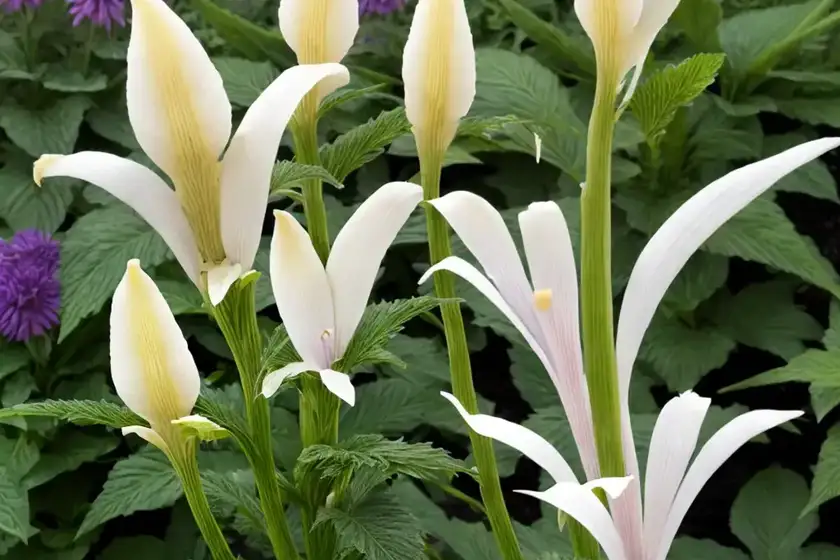
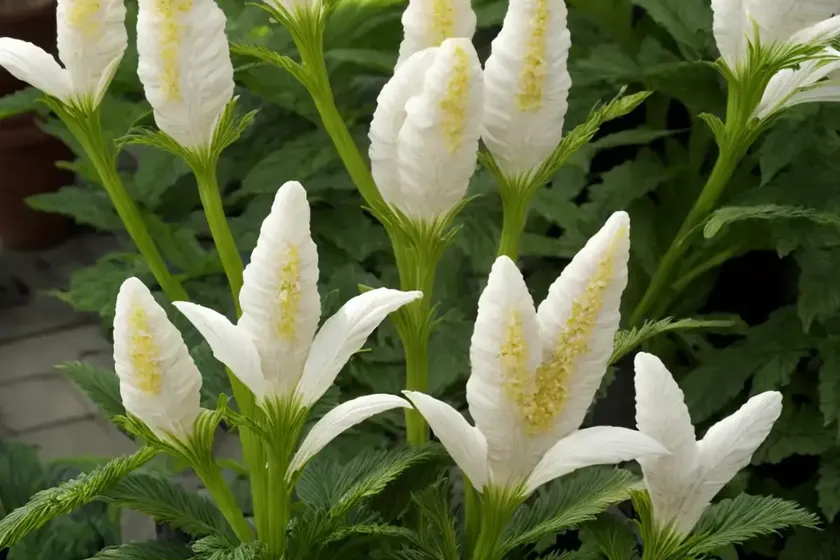
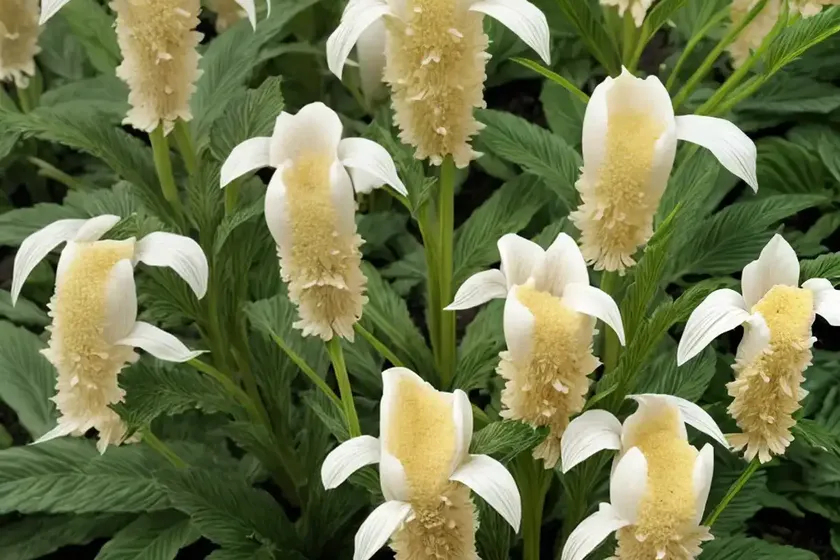
Plants have long been revered for their beauty, diversity, and ecological significance. Among the vast array of botanical wonders, Acanthus mollis ‘Morning’s Candle’ (Bear’s Breech) stands out as a magnificent example of the captivating world of plant life. In this comprehensive guide, we will delve into the mesmerizing characteristics, cultivation techniques, and the numerous applications of Acanthus mollis ‘Morning’s Candle’. From its origins and habitat to its role in landscape design and natural pest control, we will explore every facet of this botanical gem.
What is Acanthus Mollis ‘Morning’s Candle’?
Acanthus Mollis Description
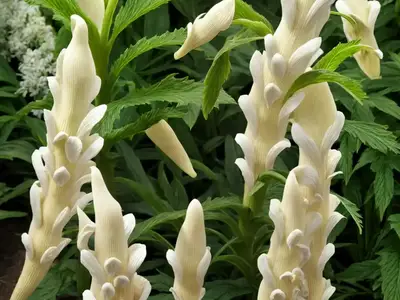
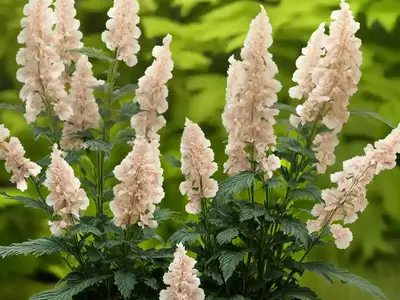
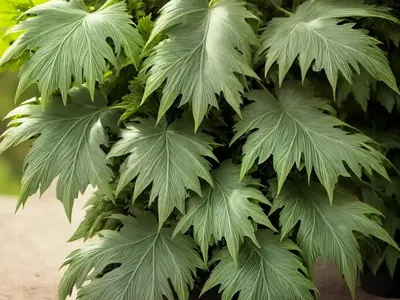
Acanthus mollis, commonly known as Bear’s Breech, is a herbaceous perennial hailing from the Mediterranean region. Belonging to the Acanthaceae family, it is characterized by its large, glossy, dark green foliage and stunning floral spikes that add a touch of elegance to any garden or landscape. ‘Morning’s Candle’ is a specific cultivar renowned for its striking upright flower spikes, which emerge in early summer and can reach impressive heights, creating a dramatic visual impact. The architectural structure of the plant makes it a popular choice for both formal and informal garden settings.
Key Takeaways – Acanthus Mollis ‘Morning’s Candle’ (Bear’s Breech)
Before delving into the intricacies of Bear’s Breech cultivation, let’s briefly overview the key factors influencing its growth and maintenance.
Culture
- Botanical Name: Acanthus Mollis ‘Morning’s Candle’
- Common Name: Bear’s Breech
- Family: Acanthaceae
- Type: Herbaceous Perennial
Uses
- Landscape: A striking addition to borders, woodland gardens, and architectural landscapes
- Medicinal: Historically used for its medicinal properties
Water
- Landscape Water Requirement: Moderate to regular watering
- Container Water Requirement: Keep soil consistently moist, but not waterlogged
Sunlight
- Sun Exposure: Full sun to partial shade
- Container Growing: Best in partial shade
Fertilizer
- Fertilization: Apply a balanced, slow-release fertilizer in spring
Soil
- Soil Type: Well-draining, rich, and fertile soil
- pH: Neutral to slightly alkaline (6.5-7.5)
Pruning
- Pruning: Remove spent flower spikes to encourage prolonged blooming
- Grooming: Trim back any tattered or yellowing leaves for a tidy appearance
Propagation
- Propagation: Seed sowing, division of rhizomes
Container Popularity
- Container Gardening: Well-suited for large containers, particularly in shaded areas
Common Diseases
- Diseases: Susceptible to powdery mildew and leaf spot
Disease Diagnosis
- Symptoms: White powdery coating on leaves, brown or black spots on foliage
Common Pests
- Pests: Aphids, snails, slugs
Botanist’s Tips
- Tips for Success: Provide adequate support for tall flower spikes to prevent drooping
- Winter Care: Mulch around the base of the plant for added protection in colder climates
- Companion Plants: Pair with low-growing perennials to create stunning visual contrasts
Fun Facts
- Historical Significance: Acanthus leaves have been used as a motif in architecture and design since ancient times, most notably in the Corinthian order of classical columns
Now, let’s embark on an in-depth journey through each aspect of ‘Morning’s Candle’ cultivation, exploring its cultural significance, ecological role, and practical applications in gardening and landscaping.
Acanthus Mollis ‘Morning’s Candle’ (Bear’s Breech) Cultivation
Acanthus mollis ‘Morning’s Candle’, with its breathtaking foliage and enchanting flower spikes, has captured the hearts of gardeners and horticultural enthusiasts around the world. Its successful cultivation and maintenance rely on a deep understanding of its specific requirements and growth patterns. By gaining insights into its habitat, care needs, and environmental preferences, we can unlock the full potential of this extraordinary plant.
Acanthus Mollis ‘Morning’s Candle’ Origin
Acanthus mollis is native to the Mediterranean region, where it thrives in the mild, temperate climates characteristic of its original habitat. The species has adapted to a wide range of soil types and environmental conditions, imparting it with a remarkable resilience that lends itself well to diverse cultivation settings.
Bear’s Breech Characteristics
The distinctive features of ‘Morning’s Candle’ Acanthus mollis set it apart as a unique and captivating addition to any garden or landscape. Here are the key characteristics that define this exceptional plant:
- Foliage: Large, glossy dark green leaves with deeply lobed margins, providing a lush and textural backdrop
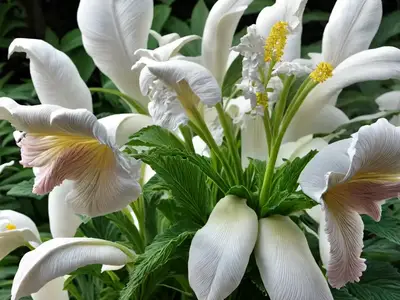
- Flowers: Tall, upright flower spikes adorned with delicate, pale lavender to white blossoms, creating a stunning architectural display
- Size: Can reach a mature height of 3 to 4 feet with a spread of 2 to 3 feet, making it an impactful presence in any planting scheme
- Habit: Clump-forming, with a bushy and substantial growth habit
Acanthus Mollis ‘Morning’s Candle’ Growth
Understanding the growth patterns and habits of Acanthus mollis ‘Morning’s Candle’ is pivotal for creating an optimal environment that allows the plant to flourish. Here are key points to consider regarding its growth requirements:
- Growth Rate: Moderate to fast
- Establishment: Requires a settling-in period after planting before achieving optimal growth and flowering
- Seasonal Growth: Shows robust growth in spring and early summer, followed by a transition to a more subdued growth phase in the later part of the year
Bear’s Breech Planting Guide
To ensure the successful establishment and ongoing vitality of ‘Morning’s Candle’ Acanthus mollis, it is essential to follow a well-informed planting guide. From the initial site selection to the post-planting care, each step plays a crucial role in promoting the health and vigor of this impressive perennial.
Morning’s Candle Acanthus Mollis Uses
The versatility of Acanthus mollis ‘Morning’s Candle’ extends beyond its ornamental display, encompassing various practical and aesthetic applications in both natural and designed settings. Some common uses include:
- Landscape Focal Point: Its commanding presence and architectural allure make it an ideal candidate for focal points within garden beds and borders
- Woodland Gardens: Thrives in partial shade, making it suitable for woodland-themed plantings
- Pollinator Attraction: Attracts bees, butterflies, and other beneficial pollinators, contributing to the ecological richness of the garden
Bear’s Breech Habitat
Understanding the natural habitat of Acanthus mollis provides valuable insights into its requirements, preferences, and potential ecological interactions. The species’ native environment offers clues to its adaptability and suitability for various landscape contexts.
- Natural Habitat: Woodland edges, hedgerows, and open forests in the Mediterranean region
- Climate Tolerance: Well-adapted to moderate, maritime climates with mild winters and warm, dry summers
Acanthus Mollis ‘Morning’s Candle’ Maintenance
Cultivating and maintaining Acanthus mollis ‘Morning’s Candle’ requires a comprehensive approach encompassing watering, fertilization, pruning, and disease and pest management. By adhering to best practices, we can foster the optimal health and aesthetic appeal of this exceptional perennial.
Morning’s Candle Acanthus Mollis Pruning Tips
Pruning plays a critical role in shaping the growth and flowering of Acanthus mollis ‘Morning’s Candle’, ensuring a tidy and visually appealing appearance throughout the growing season. Here are essential pruning tips to guide your maintenance practices:
- Deadheading Spent Blooms: Remove faded flower spikes to encourage continuous blooming and prevent seed formation
- Grooming: Trim back any discolored or tattered leaves to maintain a neat and vibrant foliage display
- Fall Pruning: In late fall or early winter, cut back the entire plant to ground level to rejuvenate and promote vigorous growth in the following season
Bear’s Breech Disease Prevention
While Acanthus mollis ‘Morning’s Candle’ is generally resilient, it can be susceptible to certain diseases, requiring proactive measures to ensure its health and vitality. Disease prevention strategies include:
- Powdery Mildew Control: Ensure proper air circulation and spacing to minimize humidity around the foliage
- Avoid Overhead Watering: Water at the base of the plant to reduce moisture on the leaves, decreasing the risk of fungal diseases
Acanthus Mollis ‘Morning’s Candle’ Container Gardening
The adaptable nature of Acanthus mollis makes it well-suited for container gardening, providing an opportunity to showcase its captivating beauty in smaller-scale settings. When growing ‘Morning’s Candle’ in containers, consider the following recommendations for optimal success:
- Container Size: Select a large, deep container to accommodate the plant’s substantial root system
- Soil and Drainage: Use a well-draining, high-quality potting mix to ensure proper moisture management and root health
- Sunlight: Position the container in partial shade, especially in regions with intense sun exposure
Acanthus Mollis ‘Morning’s Candle’ Interaction with Wildlife and Ecosystems
The role of ‘Morning’s Candle’ Acanthus mollis extends beyond its ornamental and practical applications to its interactions with wildlife and its potential contribution to local ecosystems. By examining its wildlife attraction, pollinator support, and ecological significance, we gain a deeper appreciation of the plant’s multifaceted impact.
Wildlife Attraction
Acanthus mollis ‘Morning’s Candle’ serves as a valuable resource for various wildlife species, contributing to the overall biodiversity and ecological balance within its habitat. Its role in wildlife attraction includes:
- Pollinator Support: Draws bees, butterflies, and hummingbirds with its nectar-rich flowers, supporting pollination and fostering a vibrant garden ecosystem
- Shelter and Foraging: The dense foliage provides shelter for small animals and insects, enhancing the garden’s ecological value
Acanthus Mollis ‘Morning’s Candle’ Landscape Design Ideas
In landscape design, Acanthus mollis ‘Morning’s Candle’ offers a myriad of creative possibilities, enriching outdoor spaces with its striking visual allure and textural intrigue. Some design ideas incorporating ‘Morning’s Candle’ Bear’s Breech include:
- Architectural Focal Points: Strategically place Acanthus mollis in key locations to serve as bold focal points and accent features within garden designs
- Contrast and Complement: Pair with contrasting textures, sizes, and colors to create captivating visual compositions within planting schemes
- Naturalistic Plantings: Integrate ‘Morning’s Candle’ into naturalistic or cottage garden designs, embracing its wildflower aesthetic and structural elegance
Bear’s Breech: Challenges and Solutions
As with any plant, Acanthus mollis ‘Morning’s Candle’ may face challenges such as pests, diseases, and environmental stressors. By identifying common issues and implementing targeted solutions, we can ensure the long-term health and vitality of this exceptional perennial.
Bear’s Breech Pest Control
Pests can pose a threat to the well-being of ‘Morning’s Candle’ Acanthus mollis, necessitating proactive pest control measures to mitigate potential damage. Common pests to watch for include:
- Aphids: Monitor for aphid infestations, and employ natural controls or targeted treatments as needed
- Slugs and Snails: Use physical barriers, organic deterrents, or diatomaceous earth to protect the plant from slug and snail feeding
Acanthus Mollis ‘Morning’s Candle’ Water Requirements
Optimal watering practices are essential for maintaining the health and vigor of Acanthus mollis ‘Morning’s Candle’, especially during its establishment phase and periods of prolonged dryness. The key considerations for meeting its water requirements include:
- Moderate and Consistent Watering: Provide moderate, evenly distributed watering during the growing season to support healthy growth and flowering
- Avoid Waterlogging: Ensure adequate drainage to prevent waterlogged soil, which can lead to root rot and other moisture-related issues
Morning’s Candle Acanthus Mollis Soil Preferences
Acanthus mollis thrives in well-draining, fertile soil, making it essential to adhere to suitable soil practices for optimal growth and performance. Addressing its soil preferences involves:
- Soil Composition: Select or amend soil to ensure adequate drainage, incorporating organic matter to enhance fertility and structure
- Avoid Compaction: Mitigate soil compaction through proper mulching and cultivation practices, promoting a healthy root environment
Acanthus Mollis ‘Morning’s Candle’: An Enduring Presence in the Garden
As we conclude our exploration of Acanthus mollis ‘Morning’s Candle’ (Bear’s Breech), we recognize the enduring beauty, resilience, and ecological significance of this magnificent plant. From its Mediterranean origins to its role in contemporary landscape design, ‘Morning’s Candle’ continues to captivate and inspire gardeners and nature enthusiasts worldwide.
In embracing the holistic realm of botany and horticulture, we uncover the profound interconnections between plants, wildlife, ecosystems, and human culture. Through the cultivation and stewardship of remarkable species like Acanthus mollis, we participate in the tapestry of natural beauty and biodiversity, enriching our lives and the world around us.
We invite you to further explore the captivating world of Acanthus mollis ‘Morning’s Candle’ (Bear’s Breech), gaining firsthand experiences with its grace and charm. As you embark on your botanical journey, may the allure of ‘Morning’s Candle’ Acanthus mollis kindle a deep appreciation for the boundless wonders of the plant kingdom and the intricate tapestry of life that it sustains.
References
- Royal Horticultural Society. (n.d.). Acanthus mollis. https://www.rhs.org.uk/Plants/171/acanthus-mollis/Details
- Missouri Botanical Garden. (n.d.). Acanthus mollis. http://www.missouribotanicalgarden.org/PlantFinder/PlantFinderDetails.aspx?taxonid=252793&isprofile=0&
- University of Florida IFAS Extension. (2021). Acanthus Mollis Bear’s Breech. https://gardeningsolutions.ifas.ufl.edu/plants/ornamentals/acanthus-mollis.html
- American Society for the Prevention of Cruelty to Animals. (n.d.). Bear’s Breech. https://www.aspca.org/pet-care/animal-poison-control/toxic-and-non-toxic-plants/bears-breech