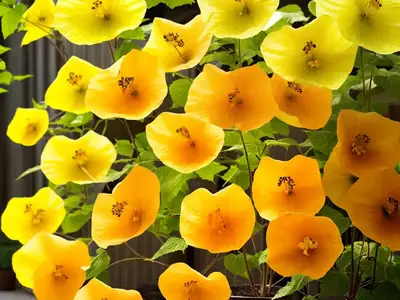
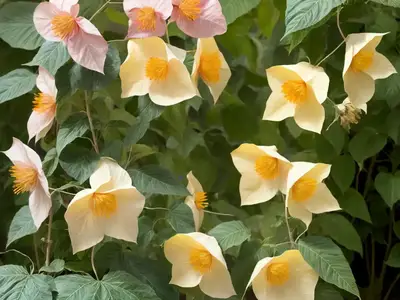
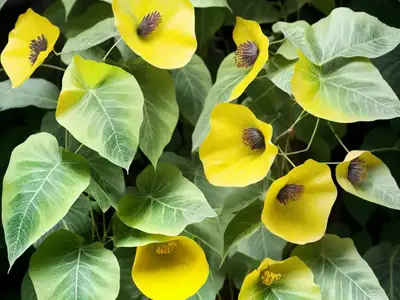
Abutilon ‘Lucky Lantern Tangerine’ (Flowering Maple)
Abutilon ‘Lucky Lantern Tangerine’, commonly known as the Flowering Maple, is a stunning and versatile plant that has gained popularity among home.
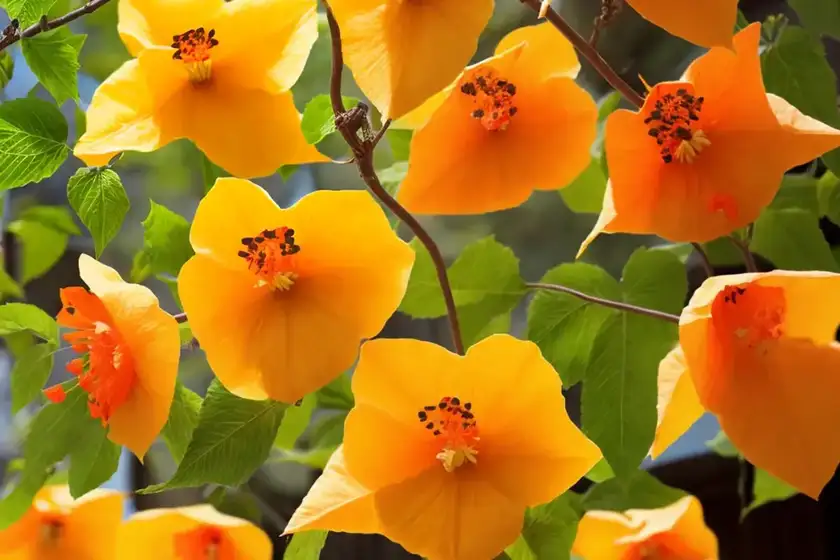
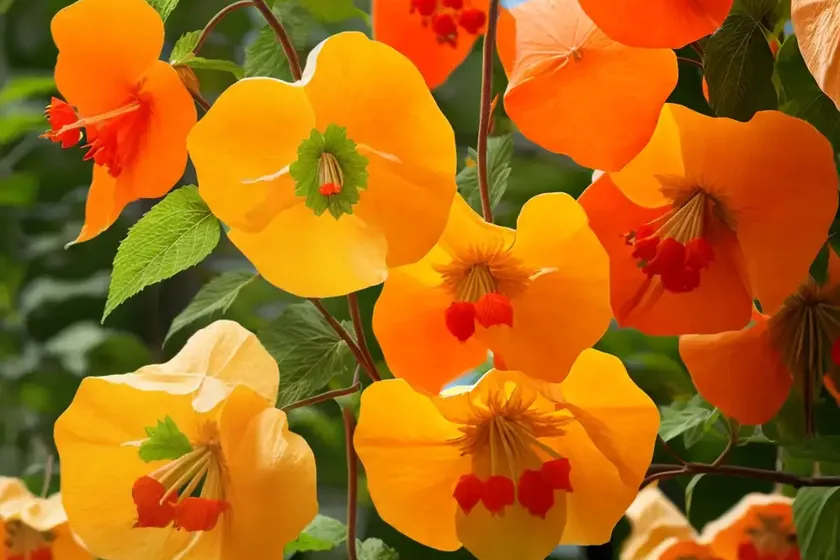
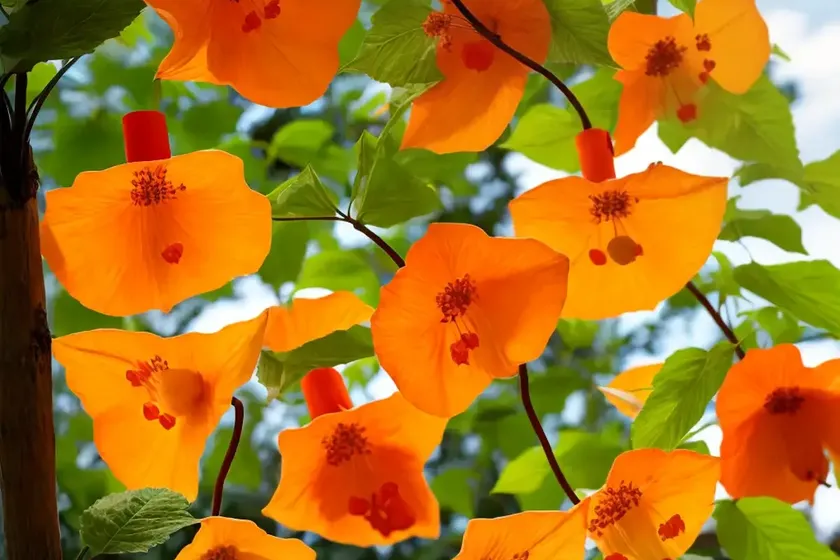
Abutilon ‘Lucky Lantern Tangerine’, commonly known as the Flowering Maple, is a stunning and versatile plant that has gained popularity among home gardeners and landscape enthusiasts. In this comprehensive guide, we will explore the culture, uses, care tips, and maintenance of this captivating plant. Whether you are an experienced plant enthusiast or a beginner looking to add a touch of elegance to your indoor or outdoor space, this guide will provide you with valuable insights into the world of Abutilon ‘Lucky Lantern Tangerine’ care.
What is Abutilon ‘Lucky Lantern Tangerine’?
Abutilon, a genus of flowering plants in the mallow family Malvaceae, is commonly referred to as flowering maple due to the resemblance of its leaves to those of a maple tree. The ‘Lucky Lantern Tangerine’ variety of Abutilon is celebrated for its vibrant tangerine-colored blossoms that add a pop of color to any setting. This stunning plant is native to subtropical and tropical regions, where it thrives in warm and humid environments.
The Abutilon ‘Lucky Lantern Tangerine’ is cherished for its ornamental value and is often cultivated for its striking flowers, which are reminiscent of small lanterns swaying in the breeze. Its elegant, pendulous blooms make it a favorite for container gardening, landscapes, and indoor decor.
Key Takeaways – Abutilon ‘Lucky Lantern Tangerine’ (Flowering Maple)
Before delving into the specifics of Abutilon ‘Lucky Lantern Tangerine’ care and maintenance, let’s highlight some key takeaways that will guide our exploration of this exquisite plant.
Culture
- Abutilon ‘Lucky Lantern Tangerine’ is a tropical plant that thrives in warm and humid environments.
- It is often grown for its decorative flowers, which come in vibrant tangerine hues.
Uses
- This variety of Abutilon is commonly used for ornamental purposes, adding a touch of elegance to both indoor and outdoor settings.
- It is popular for container gardening, landscapes, and as an indoor decorative plant.
Water
- Proper watering is essential for the health and vitality of Abutilon ‘Lucky Lantern Tangerine’.
- Maintaining moderate soil moisture levels is crucial to prevent water stress or waterlogging.
Sunlight
- The ‘Lucky Lantern Tangerine’ plant benefits from bright, indirect sunlight and partial shade.
- It thrives in well-lit areas without direct exposure to intense sunlight.
Fertilizer
- Regular fertilization is key to promoting healthy growth and abundant flowering in Abutilon ‘Lucky Lantern Tangerine’.
- A balanced, water-soluble fertilizer can provide the necessary nutrients for its growth.
Soil
- Well-draining, nutrient-rich soil is essential for the cultivation of Abutilon ‘Lucky Lantern Tangerine’.
- A slightly acidic to neutral pH soil is favorable for its overall health and development.
Pruning
- Pruning helps maintain the shape of the plant and encourages new growth and flowering.
- Regular pruning of dead or damaged branches is recommended for its overall well-being.
Propagation
- Abutilon ‘Lucky Lantern Tangerine’ can be propagated through stem cuttings, making it possible to create new plants from existing ones.
Container Popularity
- Its compact size and ornamental appeal make Abutilon ‘Lucky Lantern Tangerine’ a popular choice for container gardening, both indoors and outdoors.
Common Diseases
- Preventing and managing plant diseases, such as leaf spot and powdery mildew, is crucial for the health of Abutilon ‘Lucky Lantern Tangerine’.
Disease Diagnosis
- Early detection and prompt treatment are essential for effectively managing any potential diseases that may affect the plant.
Common Pests
- Vigilance against common pests, such as aphids and whiteflies, is important to protect the plant from infestations.
Botanist’s Tips
- Valuable insights and expert recommendations from botanists can help optimize the care and maintenance of Abutilon ‘Lucky Lantern Tangerine’.
Fun Facts
- Discover interesting and captivating facts about the Abutilon ‘Lucky Lantern Tangerine’ that add to its allure.
Links to External Resources
- Access additional resources and information to further enhance your understanding and appreciation of Abutilon ‘Lucky Lantern Tangerine’.
Plant Name: “Abutilon ‘Lucky Lantern Tangerine’ (Flowering Maple)”
Let’s take a deep dive into the aspects of Abutilon ‘Lucky Lantern Tangerine’ care and maintenance, addressing the specific keywords provided for our comprehensive exploration.
Abutilon flowering maple
The Abutilon, or flowering maple, is a charming and versatile plant known for its colorful and pendulous flowers. A member of the mallow family, this plant brings a touch of elegance to any garden or indoor space.
Lucky Lantern Tangerine plant
The ‘Lucky Lantern Tangerine’ variety of Abutilon is celebrated for its vibrant tangerine-colored blossoms that add a pop of color to any setting. Its ornamental value and compact size make it a popular choice for various gardening applications.
Abutilon plant care tips
Effective care tips can contribute to the health and vitality of Abutilon ‘Lucky Lantern Tangerine’, ensuring that it thrives and produces abundant flowers. From watering to sunlight requirements, proper care is essential for its well-being.
Abutilon indoor plant
As an indoor plant, Abutilon ‘Lucky Lantern Tangerine’ adds a splash of color and elegance to interior spaces. Its compact size and ornamental appeal make it a popular choice for indoor gardening and decorative purposes.
Lucky Lantern Tangerine care instructions
Providing the right care and maintenance is crucial for the successful cultivation of the ‘Lucky Lantern Tangerine’ variety of Abutilon. Following specific care instructions can contribute to its overall health and flowering.
Abutilon ‘Lucky Lantern Tangerine’ varieties
Explore the various varieties of Abutilon, each offering distinctive characteristics and visual appeal. From different flower colors to growth habits, the ‘Lucky Lantern Tangerine’ is just one of the captivating varieties available.
Abutilon tropical plant
Given its origin in tropical regions, Abutilon ‘Lucky Lantern Tangerine’ thrives in warm and humid environments. Understanding its tropical nature is essential for providing the ideal growing conditions.
Abutilon ‘Lucky Lantern Tangerine’ flower
The flowers of Abutilon ‘Lucky Lantern Tangerine’ are its defining feature, boasting vibrant tangerine hues that capture attention in any setting. Understanding the flowering patterns and characteristics enhances the appreciation of this captivating plant.
Best soil for Abutilon
The selection of the right soil is crucial for the overall health and growth of Abutilon ‘Lucky Lantern Tangerine’. Optimal soil conditions promote healthy root development and flowering.
Abutilon ‘Lucky Lantern Tangerine’ propagation
Discover the methods of propagating Abutilon ‘Lucky Lantern Tangerine’, allowing for the creation of new plants from existing ones. Understanding propagation techniques offers opportunities for expanding your plant collection.
Abutilon Plant Care Guide
Watering
Proper watering is essential for the health and vitality of Abutilon ‘Lucky Lantern Tangerine’. Consistent and moderate soil moisture levels should be maintained to prevent water stress or waterlogging. When watering, it is important to ensure that the soil is moist but not waterlogged. Soggy soil can lead to root rot, while overly dry soil can stress the plant.
Sunlight Requirements
The ‘Lucky Lantern Tangerine’ plant benefits from bright, indirect sunlight and partial shade. Positioning it in well-lit areas without direct exposure to intense sunlight supports its healthy growth and flowering. Indoors, placing it near a window that receives ample indirect light can be favorable.
Fertilizer Needs
Regular fertilization is key to promoting healthy growth and abundant flowering in Abutilon ‘Lucky Lantern Tangerine’. A balanced, water-soluble fertilizer can provide the necessary nutrients for its growth. During the growing season, which typically spans from spring to early fall, a general-purpose liquid fertilizer can be applied every 4-6 weeks. It is important to follow the manufacturer’s instructions when fertilizing the plant to prevent over-fertilization, which can damage the plant.
Soil Preferences
Well-draining, nutrient-rich soil is essential for the cultivation of Abutilon ‘Lucky Lantern Tangerine’. A mix of peat moss, perlite, and organic compost can create a suitable growing medium that supports healthy root development and overall plant vigor. The soil should have a slightly acidic to neutral pH, typically ranging between 6.0 and 7.0, to provide an optimal environment for the plant’s growth.
Pruning Techniques
Pruning is an important aspect of Abutilon ‘Lucky Lantern Tangerine’ care, as it helps maintain the shape of the plant and encourages new growth and flowering. Regular pruning of dead or damaged branches is recommended to promote the overall well-being of the plant. Additionally, removing spent flowers can encourage the plant to produce new blooms. When pruning, the use of clean and sharp gardening shears is advisable to minimize the risk of damage to the plant.
Propagation Methods
Abutilon ‘Lucky Lantern Tangerine’ can be propagated through stem cuttings. To propagate the plant, select a healthy stem and carefully remove a cutting that is approximately 4-6 inches long. Remove the lower leaves from the cutting and place it in a pot filled with a well-draining, moist propagation medium. Keep the cutting in a warm and humid environment, and roots should develop within a few weeks. Once the roots are well-established, the new plant can be transitioned to a larger pot or the outdoor garden.
Watering Schedule
Establishing a consistent watering schedule is beneficial for the maintenance of Abutilon ‘Lucky Lantern Tangerine’. During the growing season, it is important to water the plant when the top inch of the soil feels dry to the touch. In winter, when the plant may experience reduced growth, the watering frequency should be adjusted to prevent overwatering. Observing the plant’s response to watering can help fine-tune the watering schedule to meet its specific needs.
Sunlight Requirements
Properly meeting the sunlight requirements of Abutilon ‘Lucky Lantern Tangerine’ is crucial for its overall health and flowering. It thrives in well-lit areas with bright, indirect sunlight and partial shade. While it enjoys ample light, it is important to protect it from direct exposure to intense sunlight, which can cause leaf scorching and heat stress.
Seasonal Care
Adapting the care routine to the changing seasons is essential for the well-being of Abutilon ‘Lucky Lantern Tangerine’. Monitoring its watering, fertilization, and environmental conditions in response to seasonal changes can help optimize its growth and flowering. During the transition to the winter season, for example, it is important to reduce watering and avoid fertilization to align with the plant’s natural growth patterns.
Abutilon Plant Health and Maintenance
Common Problems
Understanding the common problems that may affect Abutilon ‘Lucky Lantern Tangerine’ enables proactive management to maintain its health and vigor. Issues such as leaf spot, powdery mildew, and spider mites can impact the plant, necessitating prompt intervention and appropriate treatment. Early detection and timely action are essential for effectively addressing these issues.
Disease Prevention and Management
Preventing and managing plant diseases is crucial for the health of Abutilon ‘Lucky Lantern Tangerine’. Providing adequate air circulation, avoiding overwatering, and monitoring for signs of disease help reduce the risk of infections. In the event of disease development, proper diagnosis and targeted treatment approaches can help mitigate the impact on the plant’s health.
Pest Control
Vigilance against common pests, including aphids, whiteflies, and spider mites, is important to protect Abutilon ‘Lucky Lantern Tangerine’ from infestations. Regularly inspecting the plant for signs of pest activity, such as yellowing leaves or webbing, allows for early intervention and the implementation of appropriate pest control measures. Natural and organic pest control methods can be employed to minimize the use of chemical treatments.
Air-Purifying Qualities
In addition to its ornamental value, Abutilon ‘Lucky Lantern Tangerine’ exhibits air-purifying qualities that contribute to a healthier indoor environment. Its foliage can help filter out certain air pollutants, providing a dual benefit of aesthetic appeal and potential air quality improvement.
Temperature Tolerance
Abutilon ‘Lucky Lantern Tangerine’ exhibits good temperature tolerance within its preferred range, thriving in warm and mild conditions. It is important to protect the plant from temperature extremes, including frost and freezing temperatures, as they can cause damage to the plant’s foliage and overall health.
Humidity Needs
Given its tropical origins, Abutilon ‘Lucky Lantern Tangerine’ benefits from moderate to high humidity levels. Indoor plants may benefit from increased humidity, which can be provided through the use of humidifiers or by placing the plant on a tray filled with pebbles and water. Maintaining appropriate humidity levels supports the plant’s growth and overall well-being.
Additional Insights and Botanist’s Tips
Growth Habits
Understanding the growth habits of Abutilon ‘Lucky Lantern Tangerine’ provides insights into its development and care requirements. This plant typically exhibits an upright, bushy growth habit, making it well-suited for container gardening and ornamental landscapes. Regular pruning can help maintain its compact and attractive form.
Flowering Period
The flowering period of Abutilon ‘Lucky Lantern Tangerine’ spans from late spring to fall, with the plant producing an abundance of tangerine-colored blooms during this time. Providing optimal care, including proper watering, fertilization, and sunlight exposure, can encourage prolific flowering and enhance the aesthetic appeal of the plant.
Potting Tips
When potting or repotting Abutilon ‘Lucky Lantern Tangerine’, it is important to choose a container that provides adequate drainage and accommodates the plant’s root system. Selecting a well-draining potting mix and ensuring proper drainage in the container can support the plant’s health and prevent issues associated with waterlogged soil.
Companion Plants
In both indoor and outdoor settings, Abutilon ‘Lucky Lantern Tangerine’ can be complemented by suitable companion plants that enhance its visual impact and create harmonious arrangements. Considering plants with compatible care requirements and complementary colors can result in captivating and well-balanced garden designs.
Landscape Uses
Abutilon ‘Lucky Lantern Tangerine’ brings visual interest and a touch of elegance to landscape settings. Its compact size, ornamental flowers, and bushy growth habit make it a versatile choice for borders, mixed plantings, and focal points in garden landscapes. Understanding its landscape uses can help integrate the plant seamlessly into diverse outdoor settings.
Natural Habitat
The natural habitat of Abutilon ‘Lucky Lantern Tangerine’ encompasses subtropical and tropical regions, where it thrives in warm, humid, and sheltered environments. Insights into its native habitat can inform the creation of ideal growing conditions that mirror its preferred natural environment.
Toxicity Information
As with many ornamental plants, it is important to be aware of the potential toxicity of Abutilon ‘Lucky Lantern Tangerine’ to pets and humans. While it is generally considered to have low toxicity, it is advisable to take precautions to prevent ingestion of its foliage or flowers, especially by pets and small children.
Fun Facts
- The genus name “Abutilon” is derived from the Arabic word “aubutilun,” which refers to a mallow-like plant.
- The flowers of Abutilon ‘Lucky Lantern Tangerine’ are bell-shaped and dangle gracefully from the plant, resembling delicate lanterns.
- In addition to its vibrant tangerine variety, Abutilon exhibits a wide range of flower colors, including shades of red, pink, yellow, and white.
- The Flowering Maple is a member of the mallow family (Malvaceae), which includes other popular ornamental plants such as hibiscus and lavatera.
- Abutilon ‘Lucky Lantern Tangerine’ is known for attracting pollinators, including butterflies and hummingbirds, with its nectar-rich flowers.
Links to External Resources
To expand your knowledge and explore additional insights into Abutilon ‘Lucky Lantern Tangerine’ care, the following external resources are recommended:
- Royal Horticultural Society – Abutilon
- University of Florida – Abutilon lucky lantern tangerine
- The Spruce – Growing Flowering Maple Indoors
In conclusion, the Abutilon ‘Lucky Lantern Tangerine’ (Flowering Maple) represents a captivating and versatile plant that enhances both indoor and outdoor settings with its vibrant flowers and ornamental foliage. By understanding its unique cultural requirements, providing proper care, and addressing potential challenges effectively, you can cultivate and enjoy the beauty of this exquisite plant in your home or garden.
Would you like to see similar content about other plants or gardening topics? Let us know your preferences, and we’ll be delighted to craft more informative and engaging guides for you!