Abutilon Megapotamicum (Trailing Abutilon)
Abutilon megapotamicum, commonly known as Trailing Abutilon, is a beautiful and versatile plant that is cherished for its ornamental characteristics and.
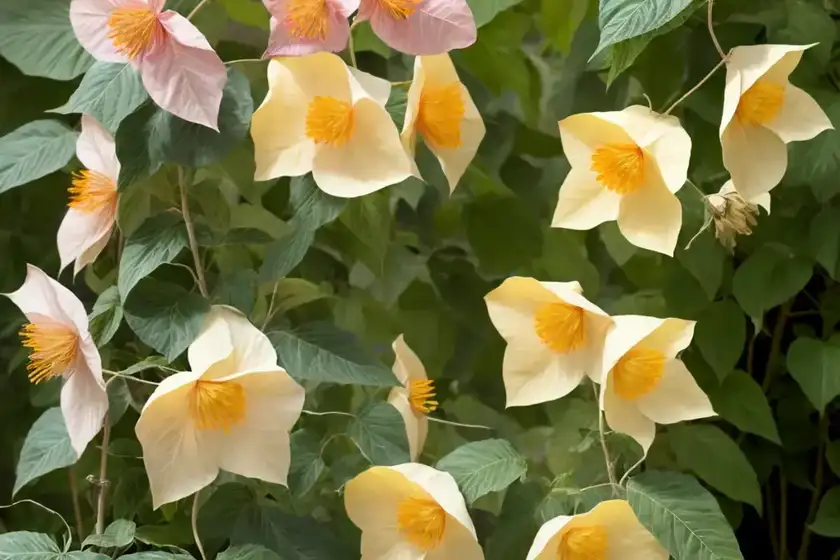
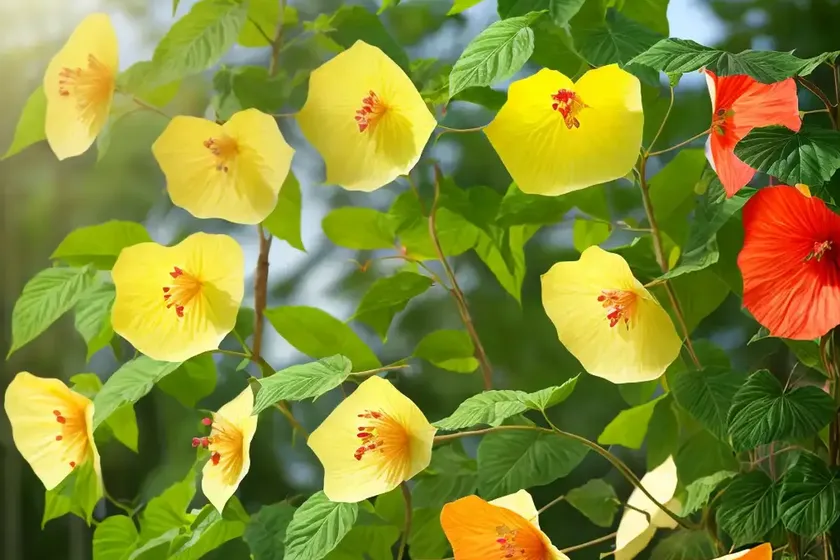
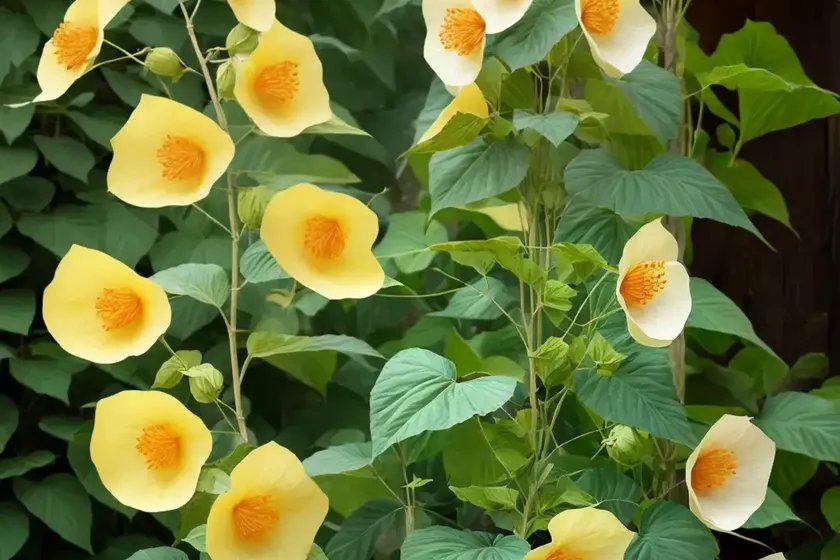
Abutilon megapotamicum, commonly known as Trailing Abutilon, is a beautiful and versatile plant that is cherished for its ornamental characteristics and ease of care. As a plant scientist with a passion for horticulture, I have had the opportunity to explore the intricacies of cultivating and caring for this stunning species. In this extensive guide, I will delve into the various aspects of Abutilon megapotamicum, from its cultural requirements to its potential uses, common diseases, and practical propagation techniques.
What is Abutilon megapotamicum (Trailing Abutilon)?
Abutilon megapotamicum is a member of the Malvaceae family, which includes over 200 species of flowering plants. Native to South America, particularly in Argentina, Brazil, and Uruguay, Trailing Abutilon is revered for its delicate, pendulous flowers that bloom prolifically, adding a touch of elegance to any garden or landscape. This evergreen shrub, with its trailing or climbing growth habit, has garnered attention for its adaptability and resilience in various environmental conditions.
Key Takeaways – Abutilon megapotamicum (Trailing Abutilon)
Before diving into the specifics of caring for Abutilon megapotamicum, let’s highlight some key takeaways that will serve as a helpful reference throughout this comprehensive guide. Here are the primary points we will cover:
Culture
- Habitat and native range
- Growth habits
- Climatic requirements
- Seasonal changes
- Ornamental features
Uses
- Landscape uses
- Medicinal uses
- Wildlife benefits
- Decorative uses
Water
- Watering needs
- Water retention abilities
- Water-wise gardening
Sunlight
- Light requirements
- Sun/shade preferences
Fertilizer
- Fertilizer requirements
Soil
- Soil preferences
- Soil amendments
Pruning
- Pruning techniques
- Pruning requirements
Propagation
- Propagation methods
- Planting tips
Container
- Container gardening
- Indoor cultivation
Popularity
- Garden design ideas
Common Diseases
- Disease prevention
- Disease diagnosis
Common Pests
- Garden pests
Botanist’s Tips
- Gardening tips
- Maintenance tips
Fun Facts
- Interesting insights
Links to External Resources
- Additional sources
Now that we have a clear outline of what to expect, let’s embark on a fascinating journey through the world of Abutilon megapotamicum.
Culture
Habitat and Native Range
Trailing Abutilon thrives in its native South American habitat, where it is often found in subtropical and temperate regions. Its natural range includes Argentina, Brazil, and Uruguay, where it can be seen adorning the landscape with its vibrant blooms. The plant has also been successfully cultivated in various other regions, owing to its adaptability to different climates.
Growth Habits
One of the distinguishing features of Abutilon megapotamicum is its trailing or climbing growth habit. This characteristic makes it an excellent choice for cascading over walls, hanging baskets, or garden borders. The elegant, drooping branches laden with blossoms create a visually captivating display, adding a touch of charm to any setting.
Climatic Requirements
Trailing Abutilon is well-suited to subtropical and temperate climates, where it basks in moderate temperatures and ample sunlight. It can tolerate a range of temperatures, but it tends to thrive in conditions that mimic its native habitat. It is important to provide protection from frost in colder climates.
Seasonal Changes
The plant exhibits seasonal changes, particularly in its blooming patterns and foliage density. In warmer climates, it may bloom more consistently throughout the year, whereas in cooler regions, the blooming season may be more concentrated in specific months. Additionally, foliage may undergo subtle changes in response to seasonal variations.
Ornamental Features
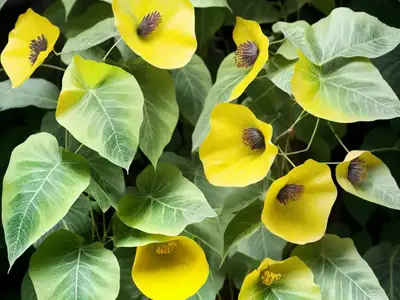
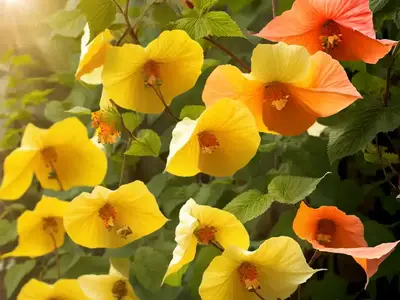
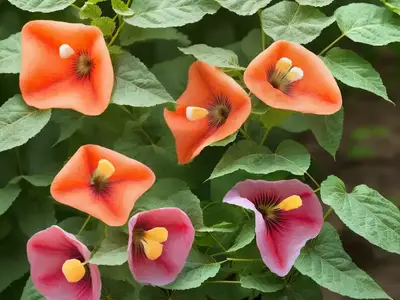
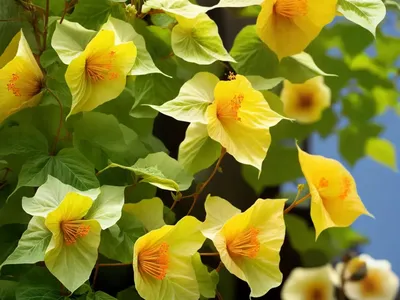
The most notable ornamental feature of Abutilon megapotamicum is its dainty, bell-shaped flowers that dangle delicately from the branches. The flowers come in a range of colors, including shades of red, yellow, and orange, adding a splash of vibrancy to the surroundings. The foliage is also attractive, with its deep green color and serrated edges, contributing to the plant’s overall visual appeal.
Uses
Landscape Uses
Trailing Abutilon is a popular choice for landscaping due to its graceful appearance and versatility. It can be utilized as a ground cover, trailing over retaining walls or slopes, or as a border plant, providing a soft, flowing effect. Its ability to thrive in containers also makes it suitable for balcony gardens, patios, and courtyard spaces.
Medicinal Uses
In addition to its ornamental value, certain parts of Abutilon megapotamicum have been used in traditional medicine for their purported medicinal properties. However, it is important to exercise caution and seek guidance from healthcare professionals before using any plant for medicinal purposes.
Wildlife Benefits
The nectar-rich flowers of Trailing Abutilon attract pollinators such as bees, butterflies, and hummingbirds, contributing to the overall biodiversity of the garden or landscape. By providing a source of sustenance for these invaluable pollinators, the plant plays a role in supporting local ecosystems.
Decorative Uses
With its charming flowers and elegant foliage, Abutilon megapotamicum is well-suited for decorative purposes both indoors and outdoors. It can be used in floral arrangements, adding a touch of natural beauty to interior spaces. Outdoors, it lends itself to creating visually stunning displays in gardens, patios, and other outdoor settings.
Water
Watering Needs
Trailing Abutilon generally thrives in well-drained soil and benefits from regular watering, particularly during periods of active growth. The soil should be kept consistently moist, but not waterlogged, to support healthy root development and overall plant vigor.
Water Retention Abilities
The plant possesses moderate water retention abilities, allowing it to withstand brief periods of drought once established. However, prolonged drought can impact its blooming patterns and overall health, making it important to monitor and maintain adequate soil moisture levels.
Water-Wise Gardening
In regions prone to water scarcity, Trailing Abutilon can be incorporated into water-wise gardening practices by selecting appropriate watering methods, such as drip irrigation, and utilizing organic mulches to conserve soil moisture. This promotes sustainable cultivation while ensuring the plant’s water needs are met.
Sunlight
Light Requirements
Trailing Abutilon thrives in full to partial sunlight, displaying optimal growth and flowering when exposed to adequate light. It is important to provide the plant with sufficient sunlight to support its photosynthetic processes and overall development.
Sun/Shade Preferences
While the plant favors abundant sunlight, it can also tolerate periods of shade, particularly in hotter climates where partial shade may offer protection from intense midday sun. However, prolonged lack of sunlight may impact its flowering and overall vigor, necessitating a balance between light exposure and shade.
Fertilizer
Fertilizer Requirements
Abutilon megapotamicum benefits from regular fertilization to promote healthy growth and blooming. A balanced, slow-release fertilizer formulated for flowering plants can be applied during the growing season, following the manufacturer’s recommendations for dosage and frequency. This provides essential nutrients to support the plant’s nutritional needs.
Soil
Soil Preferences
Trailing Abutilon thrives in well-drained, fertile soil with a slightly acidic to neutral pH. Soil that retains moisture without becoming waterlogged is ideal for supporting the plant’s root system. It is important to ensure good soil structure and nutrient content to facilitate robust growth and blooming.
Soil Amendments
In instances where the native soil is deficient in essential nutrients, organic amendments such as compost or well-decomposed manure can be incorporated to enrich the soil and improve its fertility. This helps create an optimal growing environment for Abutilon megapotamicum, ensuring it receives the necessary nutrition for healthy development.
Pruning
Pruning Techniques
Pruning plays a crucial role in maintaining the health and shape of Trailing Abutilon. Regular pruning helps remove dead or overgrown branches, encourages new growth, and enhances the plant’s overall appearance. It is important to use clean, sharp pruning tools to minimize damage and ensure precise cuts.
Pruning Requirements
Pruning of Abutilon megapotamicum can be performed during the dormant season or after the blooming period to shape the plant and remove any damaged or diseased portions. Light pruning may also be carried out throughout the year to manage the plant’s size and density, promoting a tidy and well-maintained appearance.
Propagation
Propagation Methods
Trailing Abutilon can be propagated through several methods, including:
- Seeds: Propagation from seeds can be carried out, although it may take some time for the plants to reach maturity and start blooming.
- Cuttings: Stem cuttings can be taken from healthy, established plants and rooted to produce new specimens with identical traits.
- Layering: Air layering or ground layering can also be employed as propagation techniques, allowing for the development of rooted offshoots while still attached to the parent plant.
Planting Tips
When propagating by cuttings or layering, it is important to use well-draining propagation media and provide suitable environmental conditions, including humidity and warmth, to support root establishment. Proper care and attention during the propagation process can increase the likelihood of successful plant development.
Container
Container Gardening
Trailing Abutilon is an excellent choice for container gardening, making it well-suited for patio spaces, balconies, and other confined areas. It can be grown in hanging baskets or decorative containers, adding vertical interest and vibrant color to compact outdoor settings.
Indoor Cultivation
For individuals with limited outdoor space, Trailing Abutilon can be cultivated indoors with adequate light and proper ventilation. Choosing a suitable container and providing optimal growing conditions enables the plant to thrive as an attractive indoor ornamental.
Popularity
Trailing Abutilon continues to gain popularity among gardeners and landscape enthusiasts due to its aesthetic appeal, low-maintenance requirements, and adaptability to a range of growing conditions. Its ability to flourish in containers further enhances its appeal, making it a favored choice for urban and suburban gardeners.
Common Diseases
Disease Prevention
To mitigate the risk of diseases, it is important to provide proper cultural care, including regular watering, adequate sunlight, and appropriate fertilization. Additionally, ensuring good air circulation around the plant and maintaining optimal growing conditions can contribute to disease prevention.
Disease Diagnosis
Common diseases that may affect Abutilon megapotamicum include leaf spot, powdery mildew, and rust. Regular monitoring of the plant for any signs of discoloration, lesions, or unusual growth can aid in early disease detection, allowing for prompt intervention and management.
Common Pests
Garden Pests
Trailing Abutilon may be susceptible to pest infestations from aphids, spider mites, and whiteflies, among others. Vigilant observation and proactive pest management measures, such as the use of organic insecticidal soaps or horticultural oils, can help control pest populations and protect the plant from damage.
Botanist’s Tips
Gardening Tips
When cultivating Abutilon megapotamicum, consider the following tips to ensure optimal plant care:
- Provide well-drained soil and adequate moisture for healthy growth.
- Monitor for pests and diseases, intervening promptly if any issues arise.
- Implement regular pruning to maintain the plant’s shape and manage its size.
- Choose appropriate containers and provide sufficient light for successful container gardening.
Maintenance Tips
Regular maintenance, including watering, fertilization, and pruning, plays a vital role in supporting the health and longevity of Trailing Abutilon. By staying attentive to its ongoing care needs, gardeners can nurture thriving specimens that contribute to a vibrant and visually appealing landscape.
Fun Facts
- The genus name Abutilon is derived from the Arabic word abu tilun, which translates to “father of the shoe,” in reference to the plant’s unique seed pods.
- Trailing Abutilon is also known by other common names, such as Brazilian Bell Flower and Flowering Maple, reflecting its diverse cultural associations and visual similarities to other plant species.
- Some varieties of Abutilon megapotamicum showcase variegated foliage, adding an extra dimension of interest to the plant’s aesthetics.
Links to External Resources
For further information about Abutilon megapotamicum and related topics, consider exploring the following resources:
- The American Hibiscus Society
- Royal Horticultural Society (RHS)
- Missouri Botanical Garden
- The Plant List
- University of Florida IFAS Extension
As we conclude this comprehensive plant care guide, I hope that you have gained valuable insights into the captivating world of Abutilon megapotamicum. Whether you are a seasoned gardener or a gardening enthusiast eager to explore new plant varieties, Trailing Abutilon offers an array of ornamental and practical benefits, making it a delightful addition to any horticultural endeavor.
Remember to embrace the joy of gardening and the wonder of nature as you embark on your own journey with Trailing Abutilon, and may your cultivation efforts yield flourishing and resplendent displays of this enchanting plant species. Happy gardening!