Abutilon Pictum ‘Thompsonii’ (Painted Abutilon)
Abutilon pictum ‘Thompsonii,’ commonly known as Painted Abutilon, is a striking ornamental plant that has garnered attention for its beautiful and vibrant.
Abutilon pictum ‘Thompsonii,’ commonly known as Painted Abutilon, is a striking ornamental plant that has garnered attention for its beautiful and vibrant appearance. As a plant scientist deeply fascinated by the diverse world of botanical wonders, I am thrilled to delve into the intricacies of this visually appealing and culturally significant plant. In this comprehensive guide, we will explore the various facets of Abutilon pictum ‘Thompsonii,’ including its cultural significance, uses, care requirements, propagation techniques, as well as common diseases and pests that may affect it. Furthermore, we will unravel botanist’s tips, fun facts, and provide links to external resources for a more in-depth understanding of this remarkable plant.
What is Abutilon Pictum ‘Thompsonii’ (Painted Abutilon)?
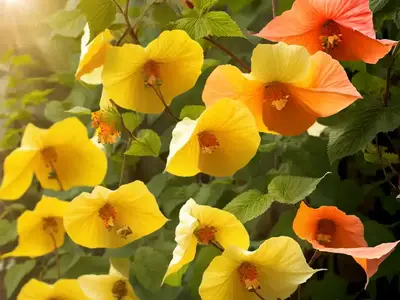
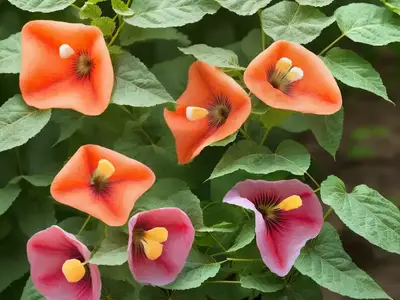
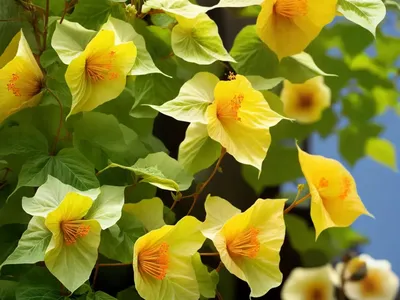
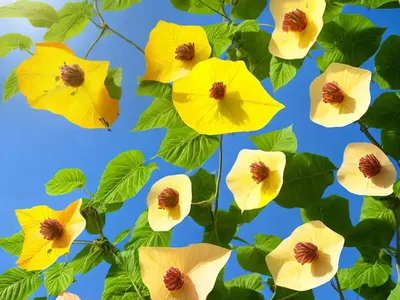
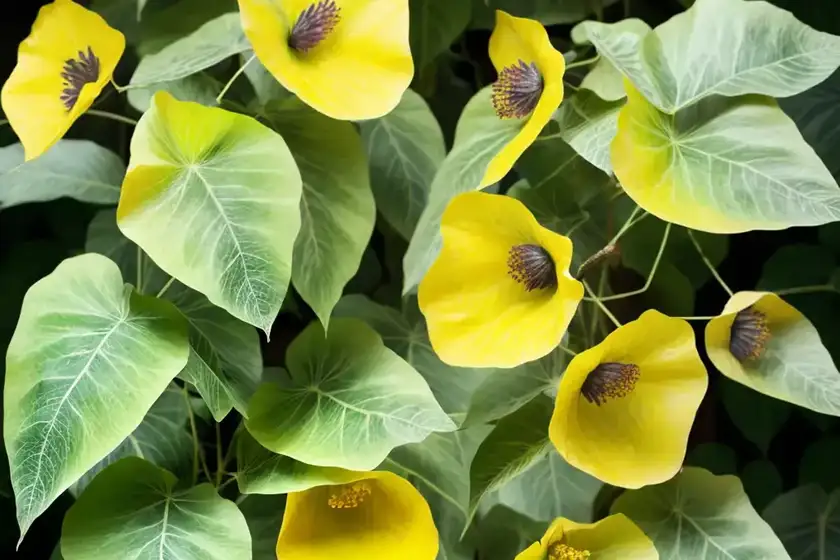
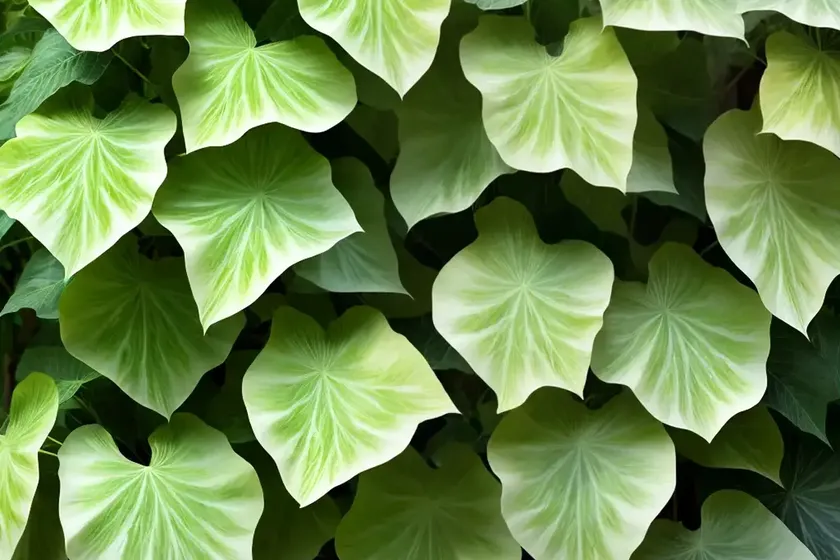
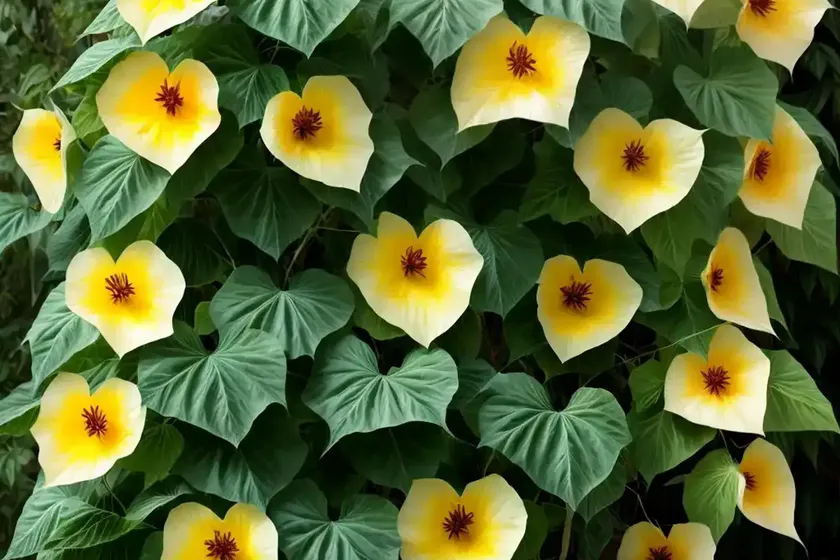
Abutilon pictum ‘Thompsonii’ is a member of the Malvaceae family, which is native to Brazil. This evergreen shrub is characterized by its stunning variegated foliage and bell-shaped, pendulous flowers. The leaves of Abutilon pictum ‘Thompsonii’ exhibit a captivating blend of green and yellow hues, creating a striking visual spectacle in any garden or landscape.
Key Takeaways – Abutilon Pictum ‘Thompsonii’
- Scientific Name: Abutilon pictum ‘Thompsonii’
- Common Names: Painted Abutilon, Thompson’s flowering maple
- Family: Malvaceae
- Native Habitat: Brazil
- Key Features: Variegated foliage, bell-shaped flowers
- Cultural Significance: Ornamental plant, landscaping, traditional uses
- Growth Habit: Evergreen shrub
- Flowering Season: Spring to fall
Now that we have acquainted ourselves with the basics of Abutilon pictum ‘Thompsonii,’ let’s delve into its cultural significance, uses, and key care requirements.
Culture
Uses
Abutilon pictum ‘Thompsonii’ is primarily cultivated for its ornamental value. The variegated foliage and vibrant flowers make it a coveted choice for landscaping, gardens, and as a potted plant. In addition to its visual appeal, certain traditional uses of Abutilon species have been reported. However, it is important to note that any potential medicinal uses should be approached with caution and validated through reputable sources before utilization.
Water
Proper watering is crucial for the health and vitality of Abutilon pictum ‘Thompsonii.’ While it is important to maintain consistent moisture, overwatering should be avoided, as it can lead to root rot and other moisture-related issues. It is recommended to allow the soil to dry slightly between waterings, while ensuring that the plant does not experience prolonged periods of drought.
Sunlight
Painted Abutilon thrives in partial to full sunlight. When grown in a garden or landscape, it is advisable to provide it with a location that receives adequate sunlight for a significant portion of the day. In regions with intense summer heat, partial shade during the hottest part of the day may be beneficial to prevent leaf scorch and maintain overall plant health.
Fertilizer
A balanced, slow-release fertilizer formulated for flowering shrubs can promote healthy growth and prolific blooming in Abutilon pictum ‘Thompsonii.’ It is advisable to fertilize the plant during the active growing season, following the manufacturer’s recommendations for application rates and frequency.
Soil
Well-draining, nutrient-rich soil is essential for the successful cultivation of Abutilon pictum ‘Thompsonii.’ A loamy, fertile soil with good drainage capabilities is ideal for this ornamental shrub. Additionally, organic amendments can be incorporated into the soil to improve its structure and fertility.
Pruning
Pruning plays a pivotal role in maintaining the desired shape, size, and overall health of Abutilon pictum ‘Thompsonii.’ Regular pruning can help remove dead or damaged branches, promote bushier growth, and enhance flowering. It is advisable to prune the plant in late winter or early spring to stimulate new growth and ensure a tidy appearance.
Propagation
Abutilon pictum ‘Thompsonii’ can be propagated through various methods, including:
- Seed Propagation: Propagating from seeds can be a rewarding but time-consuming process. Sowing seeds in a well-draining potting mix and providing optimal conditions for germination can yield new plants.
- Stem Cuttings: Taking stem cuttings from healthy, established plants and rooting them in a suitable growing medium is a popular method of propagation for Abutilon pictum ‘Thompsonii.’
Container Popularity
The ornamental allure of Abutilon pictum ‘Thompsonii’ makes it a favored choice for container gardening. Its compact growth habit and vibrant foliage make it a stunning addition to patios, balconies, and indoor spaces. When grown in containers, it is essential to provide adequate support and ensure proper drainage to maintain the plant’s health and vigor.
Common Diseases
Like many plants, Abutilon pictum ‘Thompsonii’ is susceptible to certain diseases and physiological disorders that may impact its growth and appearance. Common diseases that may affect this ornamental shrub include:
- Powdery Mildew: A common fungal disease that manifests as white, powdery patches on the leaves, stems, and flowers.
- Leaf Spot: This fungal disease causes dark, irregular spots on the leaves, potentially leading to leaf drop and reduced plant vigor.
- Root Rot: Overly wet or waterlogged soil can lead to root rot, causing decline and wilting in affected plants.
Disease Diagnosis
Early detection and accurate diagnosis of plant diseases are crucial for implementing effective treatment and management strategies. Symptoms such as abnormal leaf discoloration, wilting, or the presence of unusual growths should prompt a thorough inspection and potential consultation with a plant health specialist or extension service.
Common Pests
In addition to diseases, Abutilon pictum ‘Thompsonii’ may be susceptible to infestations by various pests, including:
- Aphids: Small, sap-feeding insects that can congregate on the undersides of leaves and tender stems, causing stunted growth and honeydew production.
- Spider Mites: These tiny arachnids can inflict damage by piercing leaf tissues and extracting sap, leading to stippling, leaf discoloration, and webbing in severe infestations.
- Whiteflies: Whitefly infestations can lead to leaf yellowing, reduced vigor, and the development of sticky honeydew on the foliage.
Botanist’s Tips
- Regular monitoring: Keeping a close eye on the plant’s growth, appearance, and any signs of stress or pest/disease infestations can aid in early intervention and maintenance.
- Balanced nutrition: Providing the plant with a balanced fertilizer and addressing any nutrient deficiencies can bolster its resilience and overall health.
- Prudent watering: Avoiding both waterlogged and excessively dry conditions is crucial for promoting optimal growth and flowering in Abutilon pictum ‘Thompsonii.’
Fun Facts
- The variegated foliage of Abutilon pictum ‘Thompsonii’ exhibits striking coloration, adding to its visual appeal and desirability as an ornamental plant.
- The bell-shaped flowers of the Painted Abutilon are a source of fascination for pollinators, including bees and hummingbirds, making it a valuable addition to wildlife-friendly gardens.
Links to External Resources
For those seeking a deeper understanding of Abutilon pictum ‘Thompsonii’ and its cultivation, the following resources provide valuable insights:
- Royal Horticultural Society – Abutilon Pictum ‘Thompsonii’
- Missouri Botanical Garden – Abutilon Pictum
- University of Florida IFAS Extension – Abutilon Production Guide
In conclusion, Abutilon pictum ‘Thompsonii’ stands out as a captivating ornamental plant with its variegated foliage, bell-shaped flowers, and cultural significance. By understanding and addressing its specific cultural requirements, potential diseases, and propagation techniques, plant enthusiasts can cultivate and appreciate the visual allure and ecological contributions of this remarkable species. Whether adorning a garden, landscape, or indoor space, the Painted Abutilon continues to captivate and inspire with its natural beauty and horticultural significance.