Abutilon ‘Lucky Lantern White’ (Flowering Maple)
Abutilon ‘Lucky Lantern White’ is a beautiful and versatile plant that belongs to the mallow family, Malvaceae. Commonly known as Flowering Maple, this.
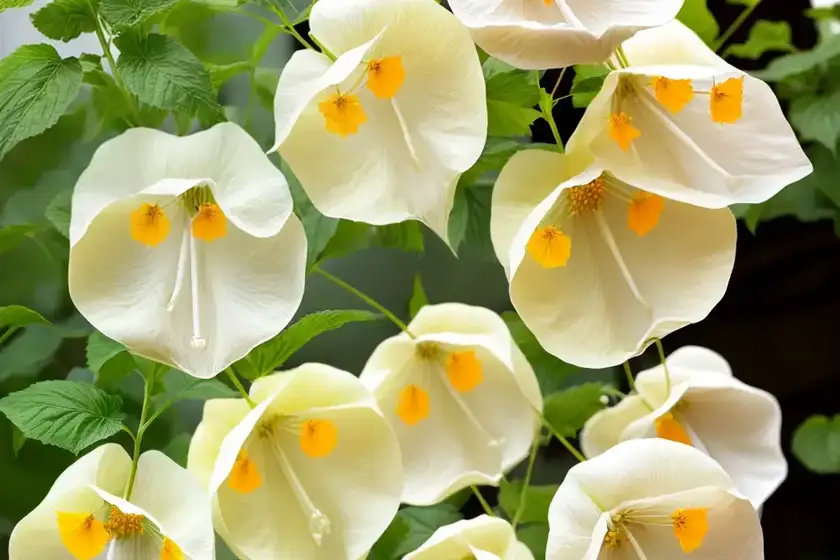
Abutilon ‘Lucky Lantern White’ is a beautiful and versatile plant that belongs to the mallow family, Malvaceae. Commonly known as Flowering Maple, this plant is prized for its elegant white flowers and attractive foliage. It is a popular choice for both indoor and outdoor gardening, adding a touch of timeless beauty to any space. In this comprehensive guide, we will explore the various aspects of caring for and growing the Abutilon ‘Lucky Lantern White’ plant, including its cultural requirements, uses, propagation, common pests and diseases, and much more.
What is Abutilon ‘Lucky Lantern White’ (Flowering Maple)?
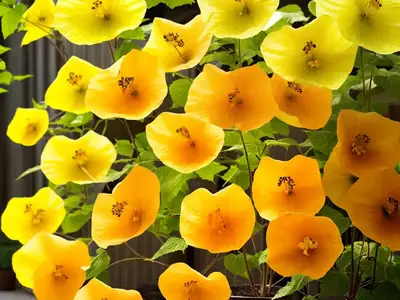
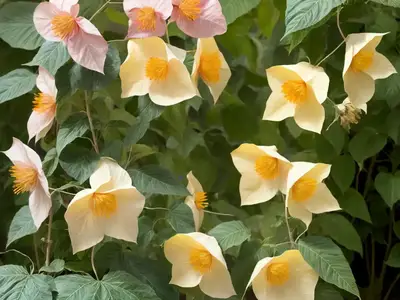
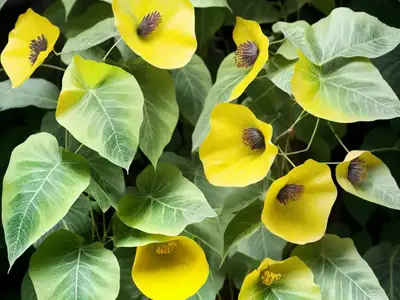
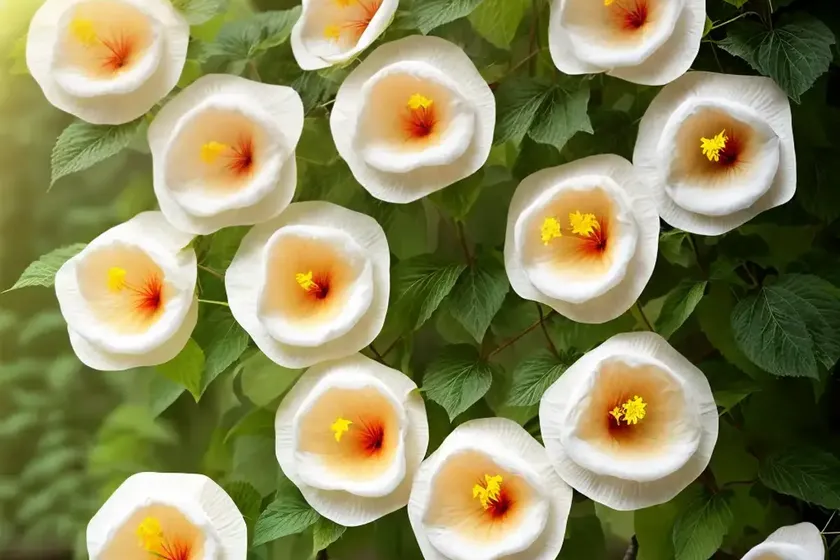
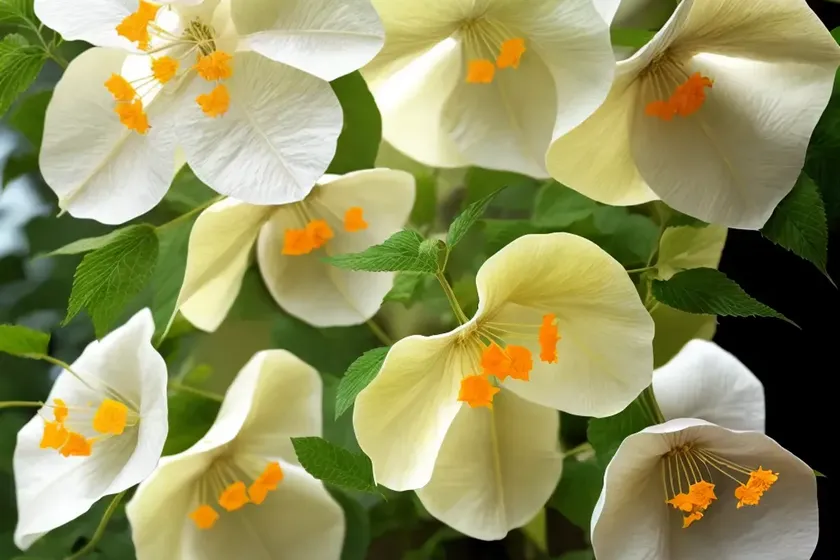
Abutilon ‘Lucky Lantern White’ is a cultivar of the Abutilon species, which encompasses over 200 species of flowering plants. Known for their bell-shaped, pendulous flowers, these plants are commonly referred to as “Flowering Maples” due to the resemblance of their leaves to those of maple trees. The ‘Lucky Lantern White’ variety is particularly renowned for its striking white blossoms, which contrast beautifully against the plant’s deep green foliage.
This compact shrub typically reaches a height of about 2 to 3 feet, making it an excellent choice for both indoor and outdoor cultivation. Its versatility and adaptability make it a favorite among plant enthusiasts, as it can be grown in containers, used as a garden border plant, or incorporated into mixed plantings to add a touch of elegance and charm.
Key Takeaways – Abutilon ‘Lucky Lantern White’ (Flowering Maple)
Before delving into the specifics of caring for Abutilon ‘Lucky Lantern White’, let’s take a quick look at the key takeaways of this delightful flowering plant:
- Abutilon ‘Lucky Lantern White’ is a compact shrub known for its bell-shaped, white flowers and maple-like leaves.
- It is a versatile plant suitable for both indoor and outdoor cultivation.
- This variety is characterized by its low maintenance requirements, making it an ideal choice for novice gardeners.
- ‘Lucky Lantern White’ can be propagated through cuttings, allowing for easy expansion of your plant collection.
- It is relatively resistant to pests and diseases, further adding to its appeal as a fuss-free plant.
Now that we have a brief overview of the Abutilon ‘Lucky Lantern White’ plant, let’s delve into the detailed aspects of its cultural requirements, uses, propagation, and management.
Culture
The culture of Abutilon ‘Lucky Lantern White’ encompasses various factors such as water requirements, sunlight exposure, fertilizer needs, soil preferences, and pruning practices. Understanding the cultural needs of this plant is crucial for ensuring its optimal growth and flowering potential.
Uses
The Abutilon ‘Lucky Lantern White’ plant offers a myriad of uses, both in indoor and outdoor settings. Some common uses of this versatile plant include:
-
Indoor Plant: When grown in containers, ‘Lucky Lantern White’ serves as a charming addition to indoor spaces, adding a touch of elegance and natural beauty. Its compact size makes it suitable for tabletops, shelves, or as a hanging plant, creating a visually appealing display.
-
Garden Borders: In outdoor gardens, this plant can be used to delineate borders, creating a soft and delicate edge to flower beds or pathways. Its white flowers provide a lovely contrast against the lush greenery of other plants.
-
Mixed Plantings: The ‘Lucky Lantern White’ variety can be incorporated into mixed plantings to add an element of grace and sophistication. When combined with other flowering plants or ornamental foliage, it contributes to the overall aesthetic appeal of the garden.
-
Container Gardening: Due to its compact nature, this plant is well-suited for container gardening. It can be grown in pots, containers, or hanging baskets, allowing for versatile placement options in outdoor patios, balconies, or even indoor spaces.
Understanding the diverse uses of Abutilon ‘Lucky Lantern White’ enables gardeners to explore creative ways of incorporating this plant into their living spaces, thereby enhancing the overall visual appeal of their surroundings.
Water
Proper watering is essential for the health and vitality of Abutilon ‘Lucky Lantern White’. While this plant is moderately drought-tolerant once established, it is important to provide regular and consistent moisture, particularly during the growing season and warmer months.
Watering Tips:
-
Frequency: Water the plant regularly, aiming to keep the soil consistently moist but not waterlogged. Allow the top inch of the soil to dry out slightly between waterings.
-
Avoid Waterlogging: Ensure proper drainage in the growing container or planting area to prevent waterlogging, which can lead to root rot and other complications.
-
Monitor Seasonal Needs: Adjust the watering frequency based on seasonal changes and environmental conditions. During hot, dry periods, the plant may require more frequent watering.
By adhering to appropriate watering practices, gardeners can promote healthy growth and blooming in their Abutilon ‘Lucky Lantern White’ plants, ensuring the long-term vitality of the species.
Sunlight
In terms of sunlight requirements, Abutilon ‘Lucky Lantern White’ thrives in bright, indirect light. While it can tolerate some direct sunlight, particularly during the morning hours, it generally prefers filtered light to prevent leaf scorching and stress.
Sunlight Guidelines:
-
Indoor Placement: When grown as an indoor plant, place ‘Lucky Lantern White’ in a location that receives bright, indirect light, such as near a north or east-facing window. Protect it from intense afternoon sun to avoid leaf damage.
-
Outdoor Cultivation: When cultivated outdoors, provide the plant with partial shade, especially in regions with hot, intense sunlight. An area with dappled sunlight or filtered shade is ideal for promoting healthy growth and flowering.
By ensuring appropriate sunlight exposure, gardeners can optimize the photosynthetic activities of the plant, thereby supporting its overall vigor and floral display.
Fertilizer
Fertilization is an integral aspect of caring for Abutilon ‘Lucky Lantern White’, as it provides essential nutrients that contribute to robust growth and abundant flowering. Selecting a suitable fertilizer and applying it at the right intervals are critical for maintaining the plant’s health and vitality.
Fertilization Guidelines:
-
Balanced Fertilizer: Use a balanced, water-soluble fertilizer with an N-P-K ratio of 10-10-10 or similar. This provides a good mix of nitrogen, phosphorus, and potassium to support overall plant growth and flower production.
-
Frequency: Apply the fertilizer every 4-6 weeks during the growing season, typically from spring to early fall. Cease fertilization during the winter months when the plant undergoes a period of reduced growth.
-
Dilution and Application: Dilute the fertilizer according to the manufacturer’s instructions and apply it to moist soil to prevent root burn. If using a slow-release fertilizer, follow the recommended application guidelines for long-lasting nutrition.
By adhering to a regular fertilization schedule and selecting appropriate products, gardeners can provide Abutilon ‘Lucky Lantern White’ with the essential nutrients it requires for healthy development and prolific flowering.
Soil
The choice of soil is pivotal in ensuring the well-being of Abutilon ‘Lucky Lantern White’ plants. Optimal soil conditions contribute to good drainage, aeration, and nutrient retention, all of which are essential for fostering healthy root development and overall plant vitality.
Soil Considerations:
-
Well-Draining Mix: Use a well-draining, lightweight potting mix for container-grown plants. Look for mixes formulated specifically for flowering plants or those with good aeration properties.
-
Organic Matter: Incorporate organic matter such as compost or peat moss into the soil to improve its moisture retention and nutrient content. This enhances the overall quality of the growing medium.
-
pH Range: Aim for a slightly acidic to neutral pH range (6.0-7.0) in the soil, as this supports optimal nutrient uptake by the plant’s roots. Conduct periodic pH testing to monitor and adjust the soil acidity as needed.
By selecting an appropriate soil mix and maintaining favorable soil conditions, gardeners can provide a conducive growing environment for their Abutilon ‘Lucky Lantern White’ plants, thereby supporting their overall health and performance.
Pruning
Pruning is an essential aspect of maintaining the shape, size, and health of Abutilon ‘Lucky Lantern White’ plants. Regular pruning helps to remove spent blooms, control the plant’s size, and promote bushy growth, ultimately enhancing the plant’s aesthetic appeal.
Pruning Practices:
-
Deadheading: Remove spent flowers regularly to encourage continuous blooming and prevent the formation of seed pods. This redirects the plant’s energy towards new growth and flowering.
-
Size Control: Trim or prune the plant as needed to maintain the desired size and shape. This is particularly important for container-grown plants to prevent overcrowding and maintain an attractive form.
-
Renewal Pruning: Periodically perform rejuvenation or renewal pruning by cutting back older, woody stems to promote fresh growth and rejuvenate the plant’s appearance.
By incorporating regular pruning into the plant care routine, gardeners can refine the visual appeal of their Abutilon ‘Lucky Lantern White’ plants while encouraging vigorous growth and prolific flowering.
Propagation
The propagation of Abutilon ‘Lucky Lantern White’ allows gardeners to expand their plant collection and share the beauty of this variety with others. While the plant can be propagated through various means, stem cuttings are commonly used to establish new plants.
Stem Cutting Propagation:
-
Selecting Cuttings: Choose healthy, non-flowering stems for propagation. Cut 4-6 inches of stem, ensuring that it includes several leaf nodes, which are the points from which new roots will emerge.
-
Preparation: Remove the lower leaves from the cutting, leaving 2-3 sets of leaves at the top to fuel the growth of the new plant. Dip the cut end in a rooting hormone powder to expedite root development.
-
Planting: Insert the prepared cuttings into a well-draining potting mix, ensuring that at least 1-2 nodes are buried beneath the soil. Water the cuttings gently and place them in a warm, bright location with indirect sunlight.
-
Root Development: Over the course of a few weeks, the cuttings will produce new roots. Keep the soil consistently moist but not waterlogged during this period to support root growth.
-
Transplanting: Once the cuttings have established healthy root systems, they can be transplanted into individual pots or the desired outdoor location for further growth and development.
By following these propagation steps, gardeners can successfully propagate new Abutilon ‘Lucky Lantern White’ plants, allowing them to share the beauty of this variety with friends and fellow gardening enthusiasts.
Container Popularity
Abutilon ‘Lucky Lantern White’ is highly popular as a container plant due to its compact size, elegant appearance, and low maintenance requirements. When grown in containers, it can be positioned in a variety of indoor and outdoor settings, showcasing its graceful white flowers and attractive foliage.
Benefits of Container Cultivation:
-
Versatility: The compact size of the plant makes it ideal for container gardening, offering flexibility in placement and allowing it to thrive in limited spaces.
-
Indoor Display: When grown in containers, ‘Lucky Lantern White’ serves as an enchanting indoor plant, adding a touch of natural beauty to living spaces.
-
Outdoor Accents: Containers of ‘Lucky Lantern White’ can be strategically placed in outdoor patios, balconies, or garden landscapes to create focal points and visual interest.
-
Easy Maintenance: Container cultivation facilitates easy maintenance and care, making it an attractive choice for busy gardeners or those with limited gardening experience.
By embracing container cultivation, gardeners can harness the versatility and appeal of Abutilon ‘Lucky Lantern White’, utilizing it to enrich the visual landscape of both indoor and outdoor environments.
Common Diseases
While Abutilon ‘Lucky Lantern White’ is generally resilient against many diseases, several common issues may affect the plant under certain conditions. Being familiar with these diseases and their symptoms enables gardeners to promptly address any problems that may arise.
Common Diseases:
-
Powdery Mildew: This fungal disease presents as a powdery, white substance on the leaves and stems, often caused by high humidity and poor air circulation.
-
Root Rot: Overly wet and waterlogged soil can lead to root rot, which is characterized by wilting foliage, poor growth, and a foul odor emanating from the roots.
-
Leaf Spot: Circular, dark spots on the leaves may indicate the presence of leaf spot, which is often caused by fungal or bacterial pathogens.
-
Botrytis Blight: This gray mold disease affects flowers and leaves, leading to a decay of affected tissues. It thrives in humid conditions and can result from overhead watering or excessive moisture.
Disease Diagnosis
To accurately diagnose and address diseases in Abutilon ‘Lucky Lantern White’, it is important to closely observe the plant and its symptoms. Early detection and intervention can prevent the spread of diseases and minimize their impact on the overall health of the plant.
Diagnosis Steps:
-
Visual Inspection: Regularly inspect the foliage, stems, and flowers for any signs of discoloration, spotting, or unusual patterns.
-
Symptom Identification: Learn to recognize common disease symptoms, such as powdery coatings, leaf discoloration, or wilting, in order to pinpoint the issue affecting the plant.
-
Consulting Resources: Refer to plant disease guides and resources to compare symptoms and gain insights into potential disease culprits and suitable treatment options.
By familiarizing themselves with common diseases and mastering disease diagnosis techniques, gardeners can effectively safeguard their Abutilon ‘Lucky Lantern White’ plants against potential disease threats.
Common Pests
While Abutilon ‘Lucky Lantern White’ is generally resistant to many pests, certain insects can pose a threat to the plant and may require intervention to prevent damage and ensure its continued well-being.
Common Pests:
-
Aphids: These small, sap-sucking insects can cluster on the undersides of leaves, causing damage and transmitting diseases.
-
Spider Mites: Tiny, spider-like pests can afflict the plant, causing webbing and stippling on the foliage, particularly under dry and dusty conditions.
-
Whiteflies: Whiteflies are small, white insects that congregate on the undersides of leaves and can cause weakening of the plant through sap removal.
-
Mealybugs: These soft-bodied insects excrete a sticky substance and can cluster on the foliage, leading to stunted growth and reduced vigor in the plant.
Botanist’s Tips
To ensure the successful cultivation and flourishing of Abutilon ‘Lucky Lantern White’, here are some expert tips and recommendations from botanists and plant enthusiasts:
-
Healthy Growing Environment: Provide the plant with a consistently moist, well-draining growing medium and ample sunlight to support healthy growth and flowering.
-
Regular Inspection: Perform regular checks for signs of pests, diseases, or nutrient deficiencies to promptly address any issues and maintain the plant’s well-being.
-
Pruning Management: Incorporate regular pruning to maintain the plant’s shape, control its size, and promote a compact, bushy growth habit.
-
Quality Fertilization: Select a balanced, water-soluble fertilizer and apply it at the recommended intervals to supply the plant with essential nutrients for optimal growth and flowering.
-
Careful Watering: Ensure the plant receives sufficient moisture, particularly during the growing season, while avoiding waterlogging or prolonged dry periods.
By following these botanical insights and suggestions, gardeners can cultivate thriving Abutilon ‘Lucky Lantern White’ plants and enjoy their captivating beauty to the fullest.
Fun Facts
As we explore the world of Abutilon ‘Lucky Lantern White’, here are a few intriguing and fun facts about this charming flowering maple:
-
Global Appeal: Abutilon ‘Lucky Lantern White’ is coveted by gardeners around the world for its timeless beauty and graceful presence in both indoor and outdoor settings.
-
Cultural Significance: The flower symbolism of white often represents purity, innocence, and elegance, making ‘Lucky Lantern White’ an emblem of grace and refinement.
-
Historical Roots: The genus Abutilon has a rich historical background, with some species having medicinal uses in traditional herbal remedies and cultural practices in various regions.
-
Pollinator Magnet: The bell-shaped flowers of Abutilon ‘Lucky Lantern White’ serve as enticing nectar sources for pollinators such as bees and butterflies, contributing to the ecological diversity of the garden environment.
-
Hybridization Innovations: The development of the ‘Lucky Lantern’ series, including the ‘Lucky Lantern White’ variety, exemplifies the progress in hybridization efforts to create captivating, low-maintenance flowering plant options for gardeners.
These fun facts add depth to the allure of Abutilon ‘Lucky Lantern White’, further enhancing the appreciation for this delightful flowering maple.
Links to External Resources
For further information, tips, and resources related to Abutilon ‘Lucky Lantern White’ and other flowering maples, consider exploring the following external links:
-
Royal Horticultural Society (RHS) – Abutilon ‘Lucky Lantern White’ Plant Profile
-
Missouri Botanical Garden – Abutilon ‘Lucky Lantern White’ Care Guide
-
University of Florida IFAS Extension – Flowering Maple (Abutilon) Growing Guide
-
Penn State Extension – Abutilon ‘Lucky Lantern White’ Planting and Care Tips
-
American Society for the Prevention of Cruelty to Animals (ASPCA) – Toxic and Non-Toxic Plant List
These external resources provide valuable insights, care recommendations, and in-depth plant profiles to further enrich your knowledge and expertise in cultivating Abutilon ‘Lucky Lantern White’ and other related species.
In conclusion, Abutilon ‘Lucky Lantern White’ stands as a captivating, low-maintenance flowering plant that embodies timeless grace and elegance. Its versatility, resilience, and visual appeal make it a treasured addition to both indoor and outdoor landscapes, offering opportunities for creative expression and botanical appreciation. By embracing the guidelines and recommendations outlined in this comprehensive guide, gardeners can cultivate thriving ‘Lucky Lantern White’ plants and relish the enduring beauty they bestow upon their living spaces.
As we celebrate the allure of Abutilon ‘Lucky Lantern White’, let us continue to explore the wondrous diversity of flowering maples and expand our botanical horizons, embracing the artistry and serenity they bring into our lives.
Remember, in the world of plants, every leaf holds a story, and every flower whispers a tale of beauty and resilience.
The above content provides a comprehensive guide to Abutilon ‘Lucky Lantern White’ (Flowering Maple) as specified