Abies Alba (European Silver Fir)
Abies alba, commonly known as the European Silver Fir, is an impressive and widely distributed coniferous tree that holds significant cultural, ecological.
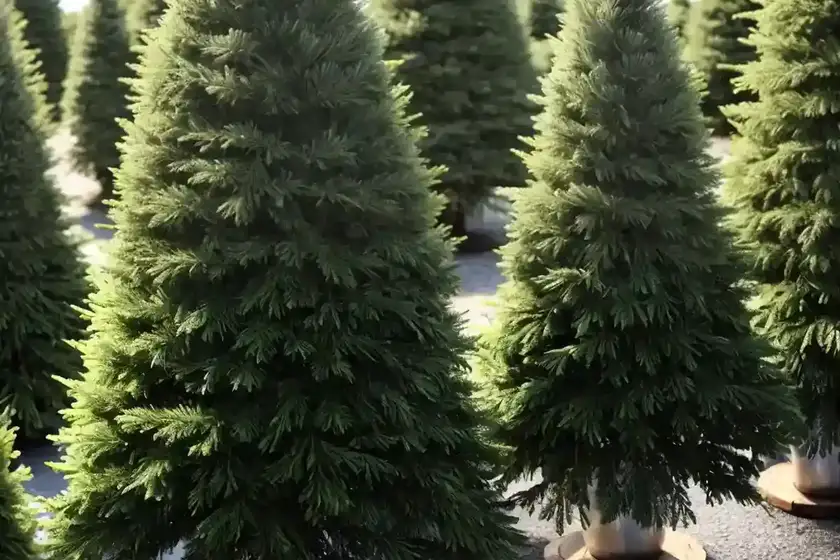
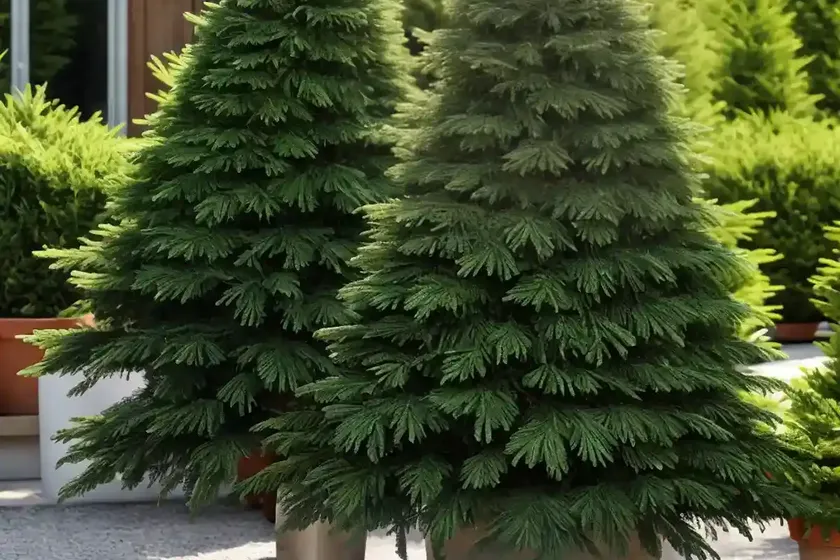
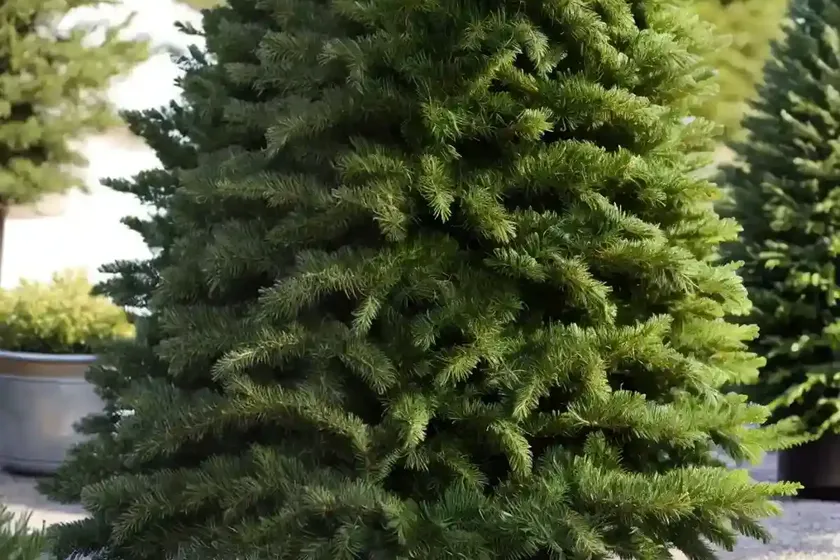
Abies alba, commonly known as the European Silver Fir, is an impressive and widely distributed coniferous tree that holds significant cultural, ecological, and economic value. Its scientific name, Abies alba, is derived from the Latin word “albus,” meaning white, which alludes to the tree’s striking silvery-white bark. This blog post delves into the various aspects of the European Silver Fir, including its cultural significance, ecological role, growth requirements, and much more.
Key Takeaways – Abies alba (European Silver Fir)
Before we explore the detailed aspects of Abies alba, let’s provide a quick overview of the key takeaways for this magnificent tree.
- Common Name: European Silver Fir
- Scientific Name: Abies alba
- Type: Evergreen tree
- Ecological Role: Coniferous tree, vital in forest ecosystems
- Habitat: Native to European forests
- Cultural Significance: Holds importance in folklore, traditional medicine, and timber industry
- Growth: Requires well-drained soil, adequate sunlight, and moderate watering
- Conservation Status: Considered a species of least concern
- Uses: Timber, ornamental purposes, medicinal properties
With these key takeaways in mind, let’s delve into the various aspects of Abies alba, from its cultural significance to its propagation and common diseases.
What is Abies alba (European Silver Fir)?
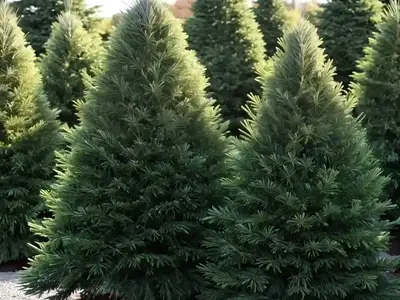
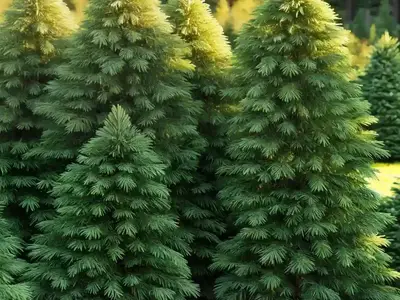
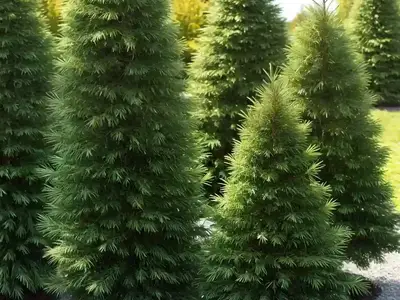
Abies alba, a member of the Pinaceae family, is a majestic coniferous species that typically grows to heights ranging from 40 to 60 meters (130 to 200 feet) with a straight trunk and a broadly conical crown. The tree’s needles are flat and glossy green on the upper surface, with two white bands of stomata on the underside, contributing to its distinct silvery appearance.
Abies alba Characteristics
Here are some key characteristics of Abies alba that set it apart from other tree species:
- Crown: Broadly conical
- Needles: Glossy green with white bands of stomata underneath
- Bark: Silver-grey and smooth when young, becoming rough and fissured with age
- Cones: Cylindrical, upright, and purplish when young, turning brown as they mature
- Habit: Evergreen
The European Silver Fir is an integral part of forest ecosystems, providing habitat for diverse wildlife and contributing to the structural diversity of forests. Its dense foliage and tall stature make it a valuable component of European forest vegetation.
Abies alba Habitat and Distribution
Abies alba is indigenous to the mountainous regions of Central and Southern Europe, where it thrives in a range of altitudes and soil types. The species is particularly abundant in the Carpathian and Alps mountain ranges, where it forms extensive pure and mixed stands.
The European Silver Fir demonstrates remarkable adaptability and can flourish in various ecological niches, from deep, fertile soils to more sparse and rocky terrains. Its distribution across Europe further underscores its ecological and environmental significance.
Abies alba Growth and Reproduction
The growth and reproduction of Abies alba play a crucial role in maintaining the species’ presence in its native habitats. Key factors influencing its growth include climate, soil conditions, and availability of sunlight and water.
Abies alba exhibits a moderate growth rate and typically starts producing cones at the age of 30 to 40 years. The species relies on wind pollination for reproduction, and its seeds are disseminated over long distances by wind and animals.
Culture
Cultural Significance of Abies alba
The European Silver Fir holds profound cultural significance across its native range, featuring in folklore, traditional medicine, and various cultural practices. Its majestic appearance and longevity have inspired numerous myths and legends, often associating the tree with resilience and wisdom.
In traditional medicine, various parts of the European Silver Fir, including its resin and needle extracts, have been utilized for their purported medicinal properties. Additionally, the timber obtained from Abies alba has been prized for its strength and durability, making it a valuable material for construction, furniture-making, and other applications.
Importance in Folklore and Traditions
Throughout history, the European Silver Fir has been revered as a symbol of strength and endurance. In many European cultures, the tree is associated with stories of protection and longevity, often depicted as a guardian of the forests and a harbinger of good fortune.
In some regions, the aromatic qualities of Abies alba have been integrated into traditional rituals and festive celebrations, with its branches and cones used to decorate homes during seasonal festivities. This cultural reverence for the European Silver Fir reflects the deep-rooted connection between communities and their natural surroundings.
Uses
Utilization of Abies alba
The European Silver Fir serves a multitude of practical purposes, from its timber and ornamental value to its applications in traditional medicine and essential oil production.
Timber
One of the most significant uses of Abies alba is its timber, which is highly valued for its strength, workability, and resilience to decay. The wood is used in construction, carpentry, and paper production, and is particularly sought after for its attractive grain patterns and natural luster.
Ornamental Purposes
In horticulture, Abies alba is cultivated for its ornamental appeal, with its elegant form and striking foliage making it a popular choice for landscaping and garden adornment. The tree’s majestic presence and distinct coloration contribute to its visual appeal, making it a sought-after addition to parks, arboretums, and private estates.
Medicinal Properties
Certain constituents of Abies alba, such as its resin and needle extracts, have been traditionally used for their purported medicinal benefits. The tree’s resin, for example, has been employed in topical ointments and salves due to its antiseptic and anti-inflammatory properties.
Essential Oil and Resin Production
The aromatic compounds present in Abies alba have led to the extraction of essential oils and resins from the tree. These products find applications in perfumery, aromatherapy, and the manufacturing of fragrance and flavoring agents.
Ecological Value
Beyond its commercial and cultural uses, the European Silver Fir plays a vital ecological role. As a foundational species in forest ecosystems, it provides habitat and sustenance for diverse flora and fauna, contributing to the overall biodiversity and resilience of forested landscapes.
Growth Requirements
Water
Abies alba has a moderate water requirement and thrives in well-drained soils. Although the species demonstrates some tolerance to drought conditions, consistent watering during dry spells is essential, particularly for young saplings and newly planted specimens. Adequate soil moisture helps maintain the tree’s vigor and overall health, ensuring optimal growth and resilience to environmental stressors.
Sunlight
While the European Silver Fir can tolerate partial shade, it thrives in locations that offer ample sunlight. Full sun exposure facilitates robust growth and the development of dense foliage, enhancing the tree’s ornamental and ecological value. When selecting a planting site, it is advisable to choose a location that receives several hours of direct sunlight each day to promote the healthy establishment of Abies alba.
Fertilizer
Appropriate fertilization can contribute to the vigor and vitality of Abies alba, particularly in instances where the soil lacks essential nutrients. When fertilizing the tree, it is crucial to use a balanced, slow-release fertilizer designed for use with coniferous species. This helps prevent excessive growth spurts and reduces the risk of nutrient leaching, promoting steady, sustained growth and minimizing the tree’s susceptibility to stressors.
Soil
Abies alba thrives in well-drained, acidic soils with a slightly acidic to neutral pH range. The tree is sensitive to waterlogged conditions, and as such, it is essential to avoid planting it in areas prone to waterlogging or soil compaction. When transplanting or establishing the European Silver Fir, it is advisable to amend the soil with organic matter to improve its nutrient content and drainage properties, creating a favorable environment for healthy root development.
Pruning
Proper pruning is a crucial aspect of maintaining the health and aesthetic appeal of Abies alba. Pruning can be undertaken to remove dead or diseased branches, improve structure, and manage the tree’s size and shape. It is essential to approach pruning with caution, focusing on the selective removal of specific branches while preserving the tree’s natural form and integrity.
When pruning Abies alba, it is important to adhere to the following principles:
- Timing: Pruning is best performed in late winter to early spring before the onset of new growth.
- Techniques: Employ proper pruning techniques, such as making clean cuts to minimize damage and promote rapid wound healing.
- Equipment: Use sharp, clean pruning tools to prevent the transmission of diseases and ensure precise, effective cuts.
Pruning practices for Abies alba should be conducted with care and consideration for the tree’s growth habits and overall health, ensuring that the tree remains vigorous and visually appealing.
Propagation
The propagation of Abies alba can be achieved through various methods, including seed propagation, cutting propagation, and grafting. Each technique offers distinct advantages and challenges, catering to different propagation objectives and resource availability.
Seed Propagation
Seed propagation is a widely employed method for propagating Abies alba, particularly for large-scale forestry and reforestation initiatives. The process involves collecting mature cones containing viable seeds, extracting the seeds, and sowing them in a suitable growing medium. The germination of Abies alba seeds can be enhanced by stratifying them for a specified period, simulating natural conditions that trigger the seeds to sprout.
Cutting Propagation
Cutting propagation, while less commonly practiced for Abies alba, can be utilized to produce genetically identical clones of selected trees. This method involves rooting cuttings taken from mature branches of the tree, promoting the development of new root systems and subsequently establishing them as independent plants.
Grafting
Grafting presents an alternative propagation method that enables the incorporation of desirable characteristics, such as disease resistance or growth vigor, into young Abies alba plants. By joining a scion from a selected tree onto a compatible rootstock, grafting offers a means of perpetuating specific traits and accelerating the production of high-quality specimens.
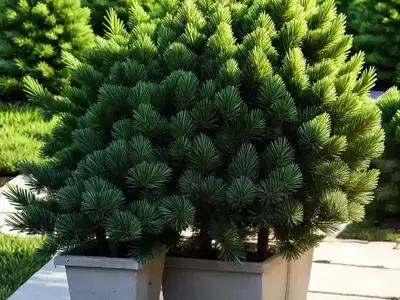
Container Popularity
Abies alba’s ornamental appeal and moderate growth habits make it well-suited for container cultivation in garden settings and urban landscapes. The ability to thrive in confined spaces and its low maintenance requirements contribute to the tree’s popularity as a container plant, making it a favored choice for balcony gardens, patios, and smaller outdoor environments.
When cultivating Abies alba in containers, it is important to consider the following factors to ensure the successful growth of the tree:
- Container Size: Select a sufficiently large container that accommodates the tree’s root system and allows for adequate root development.
- Drainage: Ensure the container has proper drainage holes to prevent waterlogging and root rot.
- Soil Mix: Utilize a well-draining growing medium formulated for container plants to provide optimal growing conditions.
- Watering: Monitor the soil moisture regularly and water the tree as needed to maintain adequate hydration.
By meeting the tree’s growth requirements and providing suitable care, Abies alba can thrive in containers, adding a touch of elegance and greenery to smaller outdoor spaces.
Common Diseases
Disease Diagnosis in Abies alba
Like any plant species, Abies alba is susceptible to various diseases and pathogens that can compromise its health and vitality. Accurate diagnosis of potential diseases is crucial for implementing effective management strategies and preserving the well-being of the tree.
Signs of disease in Abies alba may include:
- Needle Discoloration: Yellowing or browning of needles
- Stunted Growth: Reduced vigor and growth rate
- Conspicuous Lesions: Presence of cankers or lesions on branches or trunk
- Premature Needle Drop: Abnormal shedding of needles, especially outside the typical seasonal patterns
- Fungal Growth: Visible fungal fruiting bodies on the tree’s surface
Upon observing these symptoms, it is essential to promptly investigate the underlying causes and seek professional guidance if necessary to accurately identify and address potential diseases.
Common Pests
Pest Management for Abies alba
In addition to diseases, Abies alba is vulnerable to attacks from various pests, including insects and mites that can affect the tree’s health and aesthetics. Vigilant monitoring and proactive pest management measures can help mitigate the impact of these pests and safeguard the well-being of the European Silver Fir.
Common pests that may affect Abies alba include:
- Adelgids: Small, aphid-like insects that feed on the tree’s sap, causing stunted growth and distorted needles
- Spider Mites: Microscopic arachnids that infest the tree, leading to stippled, discolored foliage and diminished vigor
- Sawfly Larvae: Larval stages of sawflies that may defoliate the tree if present in significant numbers
- Weevils: Beetles that feed on the bark and foliage, potentially causing extensive damage if left unchecked
Implementing integrated pest management practices, including regular monitoring, targeted interventions, and the use of beneficial predators, can help mitigate the impact of pests on Abies alba and ensure the tree’s long-term health.
Botanist’s Tips for Abies alba Care
In the cultivation and preservation of Abies alba, a few key tips can help ensure the successful growth and well-being of this magnificent tree:
- Site Selection: Choose a planting site that offers well-drained soil, ample sunlight, and sufficient space for the tree’s mature size.
- Watering: Maintain consistent soil moisture, particularly during periods of drought, to support the tree’s growth and resilience.
- Mulching: Apply a layer of organic mulch around the base of the tree to conserve soil moisture and regulate soil temperature.
- Monitoring: Regularly inspect the tree for signs of disease, pest infestations, and other potential stressors, intervening promptly as needed.
- Pruning: Engage in strategic pruning to enhance the tree’s form, remove dead or diseased branches, and promote healthy growth.
By adhering to these guidelines and staying attentive to the tree’s needs, enthusiasts and arborists can contribute to the preservation and cultivation of Abies alba, fostering a greener, more vibrant natural environment.
Fun Facts about Abies alba
To conclude our exploration of Abies alba, here are a few intriguing and delightful facts about this remarkable coniferous species:
- The resin of Abies alba has a rich history of applications in traditional medicine, featuring prominently in the formulation of salves and ointments.
- The European Silver Fir is known for its exceptional longevity, with some individual trees reaching ages exceeding 500 years.
- Abies alba holds symbolic significance in various cultures, often associated with concepts of resilience, protection, and wisdom.
- The tree’s distinctive coloration and elegant form make it a sought-after addition to parks, botanical gardens, and arboretums worldwide.
- Abies alba contributes to the ecological well-being of forest ecosystems by providing habitat, food, and structural diversity for diverse wildlife species.
Links to External Resources
To delve deeper into the world of Abies alba and broaden your understanding of this fascinating tree, consider exploring the following external resources:
- European Silver Fir – Forests and Climate Change
- Traditional Uses of Abies alba in Folk Medicine
- Timber Properties and Utilization of Abies alba
- Botanical Illustrations and Taxonomic Information
We hope these resources serve as valuable references for further exploration and insight into the captivating world of Abies alba.
In conclusion, Abies alba, the European Silver Fir, stands as a testament to the enduring beauty and ecological significance of coniferous trees. Whether gracing the slopes of European mountains or enhancing urban landscapes with its ornamental allure, this remarkable species continues to inspire admiration, appreciation, and stewardship.
In this blog post, we have extensively discussed various aspects of Abies alba (European Silver Fir), from its cultural significance and ornamental appeal to its growth requirements and ecological value. The provided information caters to enthusiasts, researchers, and cultivators alike, offering a comprehensive exploration of the European Silver Fir and its multifaceted significance. Whether you are an arborist, a horticulturalist, or simply an admirer of the natural world, the enduring allure of Abies alba invites us to delve deeper into its captivating realm and celebrate its remarkable attributes.