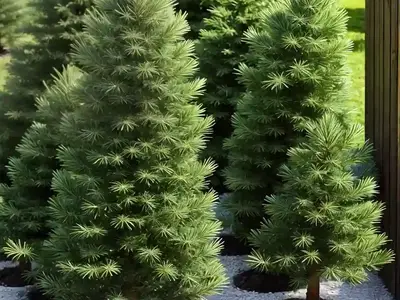
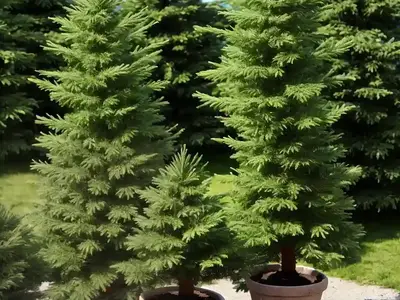
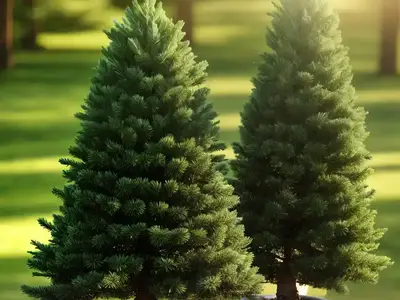
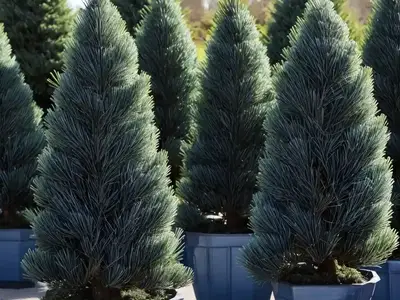
Abies Nordmanniana (Nordmann Fir)
Introduction to Abies nordmanniana (Nordmann Fir) Abies nordmanniana, commonly known as Nordmann Fir or simply Norway Fir, is an iconic evergreen conifer.
Introduction to Abies nordmanniana (Nordmann Fir)
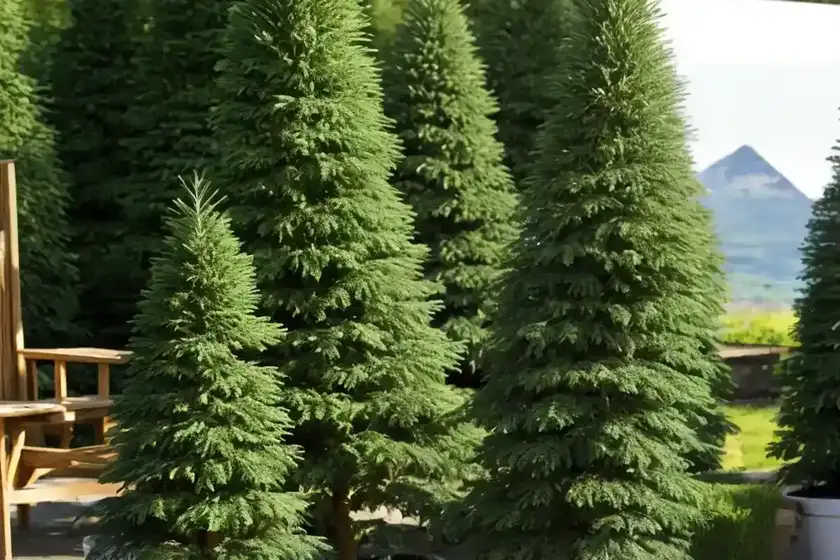
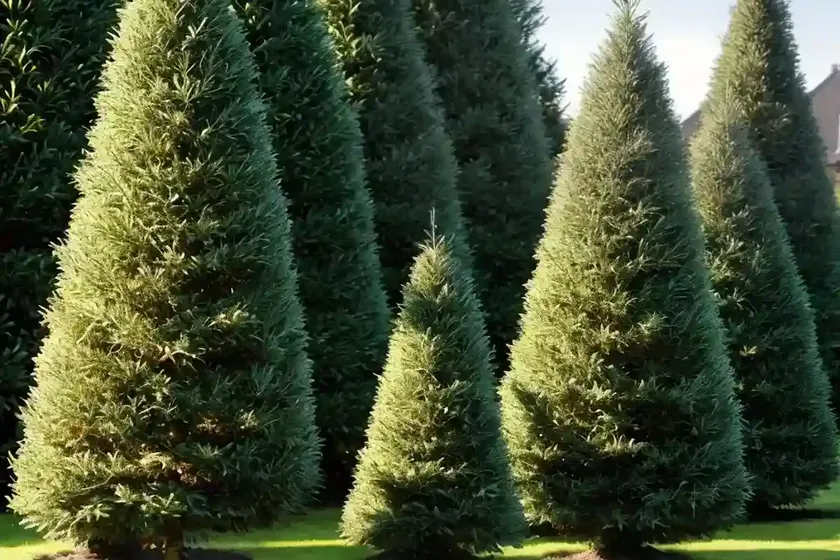
Abies nordmanniana, commonly known as Nordmann Fir or simply Norway Fir, is an iconic evergreen conifer species that has gained wide recognition as an ornamental and Christmas tree. With its lush, glossy green foliage and symmetrical shape, the Nordmann Fir has become a popular choice for landscaping and festive decorations. This tree species is native to the Caucasus region, where it thrives in its natural habitat and plays a crucial role in forest ecosystems.
In this comprehensive guide, we will delve into the various aspects of Abies nordmanniana, exploring its cultural requirements, uses, ecological significance, and more. Whether you are a seasoned botanist, a gardening enthusiast, or simply interested in learning about this fascinating tree, this guide will provide you with valuable insights into the Nordmann Fir and its indispensable role in the natural world.
Key Takeaways – Abies nordmanniana (Nordmann Fir)
Before we embark on a detailed exploration of Abies nordmanniana, let’s highlight some key takeaways that encapsulate the essence of this remarkable tree species:
-
Nordmann Fir tree: The Nordmann Fir, scientifically classified as Abies nordmanniana, is a majestic evergreen conifer known for its ornamental value and cultural significance as a Christmas tree species.
-
Iconic Christmas tree: Renowned for its symmetrical shape and exceptional needle retention, the Nordmann Fir has become a popular choice for festive decorations, adding beauty and charm to holiday celebrations.
-
Cold-hardy evergreen tree: Adapted to thrive in cold climates, the Nordmann Fir exhibits resilience in the face of harsh winter conditions, making it an ideal choice for landscaping in regions with low temperatures.
-
High-quality ornamental tree: With its lustrous, dark green foliage and elegant appearance, the Nordmann Fir is prized for its aesthetic appeal, serving as an attractive focal point in gardens, parks, and residential landscapes.
-
Disease-resistant Abies nordmanniana: Possessing inherent resistance to certain diseases, the Nordmann Fir demonstrates robust health and vitality, contributing to its longevity and overall reliability as a landscape tree.
-
Nordmann Fir root system: Characterized by a well-developed and resilient root system, the Nordmann Fir exhibits stability in various soil conditions, enhancing its suitability for diverse environmental settings.
-
Abies nordmanniana for reforestation: Recognized for its ecological significance, the Nordmann Fir plays a critical role in reforestation efforts, contributing to the restoration and preservation of forest ecosystems.
-
Nordmann Fir resistance to pests: With natural defenses against common pests, the Nordmann Fir exhibits resilience and vigor, minimizing the impact of pest infestations on its overall health and vitality.
Now that we have gained a preliminary understanding of the key characteristics and attributes of Abies nordmanniana, let’s delve deeper into its cultural requirements, ecological importance, and practical uses in various settings.
Culture
The successful cultivation of Abies nordmanniana relies on a nuanced understanding of its cultural requirements, encompassing aspects such as water, sunlight, fertilizer, soil, and pruning. By optimizing these critical factors, individuals can create an environment that promotes the health and vitality of the Nordmann Fir, allowing it to thrive and flourish in different landscaping and horticultural settings.
Water
Proper water management is essential for the well-being of Abies nordmanniana, as it requires adequate hydration to support its growth and development. While the Nordmann Fir is relatively resilient to drought conditions once established, consistent and moderate watering is crucial during its initial establishment phase and in periods of prolonged dryness.
When cultivating Nordmann Fir trees, it is important to adhere to the following watering guidelines:
-
Establishment phase: Newly planted Nordmann Fir trees should receive regular watering, ensuring that the root ball remains consistently moist but not waterlogged. This is particularly crucial during the first year of establishment to promote healthy root development and overall growth.
-
Moisture retention: Applying a layer of organic mulch around the base of the tree helps to retain soil moisture, reduces weed competition, and insulates the root system during temperature fluctuations. Mulching also contributes to the conservation of water, promoting sustainable and efficient irrigation practices.
-
Winter hydration: In regions experiencing cold and dry winters, providing supplemental watering to Nordmann Fir trees can mitigate the effects of dehydration caused by frozen or inaccessible soil moisture. This is especially important for maintaining the tree’s vitality and resilience during the dormant season.
By implementing strategic watering practices and maintaining optimal soil moisture levels, individuals can ensure the sustained health and vigor of Abies nordmanniana, supporting its long-term establishment and growth.
Sunlight
As an evergreen conifer species, Abies nordmanniana thrives in ample sunlight, benefiting from exposure to direct light for a significant portion of the day. When selecting planting sites or designing landscaping arrangements, it is essential to consider the sunlight requirements of the Nordmann Fir to provide an environment conducive to its optimal growth and development.
Here are some key considerations regarding sunlight requirements for Nordmann Fir trees:
-
Full to partial sunlight: Nordmann Fir trees exhibit optimal growth in locations that receive full to partial sunlight, typically requiring at least six hours of direct sunlight per day. Positioning the trees in open areas or areas with minimal shading facilitates their access to adequate light, promoting robust foliage development and overall health.
-
Site selection: When planting Nordmann Fir trees, it is advisable to choose well-drained, open sites that allow for sufficient sunlight exposure. Avoiding densely shaded or low-lying areas helps to prevent potential issues related to poor light penetration and restricted air circulation, which can adversely affect the tree’s growth and vitality.
-
Seasonal adjustments: During periods of intense heat or prolonged sunlight exposure, providing partial shading or employing protective measures such as temporary sunscreens can help mitigate potential stress on Nordmann Fir trees, particularly young or newly planted specimens.
By accounting for the sunlight requirements of Abies nordmanniana and strategically arranging planting sites to optimize light exposure, individuals can create an environment that fosters the robust growth and vitality of these iconic evergreen trees.
Fertilizer
Appropriate fertilization practices are essential for promoting the health and vigor of Abies nordmanniana, providing essential nutrients that support its growth and resilience. By implementing targeted fertilization strategies, individuals can optimize the nutrient uptake of Nordmann Fir trees, enhancing their overall vitality and aesthetic appeal.
Consider the following fertilizer guidelines for Nordmann Fir trees:
-
Balanced fertilizer application: Utilizing a balanced, slow-release fertilizer designed for acidic-loving plants, such as an evergreen or conifer-specific formulation, can provide the necessary nutrients for Nordmann Fir trees. Applying the fertilizer in early spring before the onset of new growth helps to support the tree’s metabolic processes and sustained development.
-
Soil testing: Conducting periodic soil tests enables individuals to assess the nutrient content and pH levels of the soil, informing targeted fertilizer applications based on specific deficiencies or imbalances. Adjusting the fertilizer regimen in response to soil test results ensures that Nordmann Fir trees receive optimal nutrition tailored to their unique requirements.
-
Organic amendments: Supplementing the soil with organic matter, such as compost or well-rotted manure, enriches the nutrient content and improves the soil structure, creating a favorable growing environment for Nordmann Fir trees. Organic amendments contribute to long-term soil health and fertility, enhancing the tree’s access to essential nutrients.
By adopting a proactive approach to fertilization and incorporating sustainable soil enrichment practices, individuals can promote the sustained vitality and vigor of Abies nordmanniana, enriching the landscape with healthy and robust evergreen specimens.
Soil
The soil composition and structure play a pivotal role in determining the health and growth of Abies nordmanniana, influencing its ability to uptake nutrients, retain moisture, and establish a strong root system. Understanding the soil preferences of the Nordmann Fir is crucial for creating an environment that fosters its prosperity and long-term sustainability.
Here are key considerations regarding soil requirements for Nordmann Fir trees:
-
Well-drained soil: Nordmann Fir trees thrive in well-drained, loamy soils with good aeration and moisture retention properties. Avoiding waterlogged or compacted soils is essential to prevent issues related to root suffocation and poor drainage, which can impede the tree’s overall health.
-
Acidic soil pH: Abies nordmanniana favors slightly acidic to neutral soil conditions, with an optimal pH range between 5.5 and 6.5. Ensuring that the soil pH is within the preferred range promotes the efficient uptake of essential nutrients and supports the tree’s physiological processes, contributing to its sustained health and vitality.
-
Soil structure: Incorporating organic matter into the soil, such as leaf mold, peat moss, or well-decomposed organic compost, enhances its fertility and texture, creating a hospitable growing medium for Nordmann Fir trees. Improving soil structure supports root development and nutrient availability, contributing to the tree’s overall well-being.
By selecting suitable planting sites with well-drained, acidic soils and integrating organic amendments to enhance soil fertility, individuals can establish an optimal growing environment for Abies nordmanniana, ensuring its sustained health and vitality in various landscaping and horticultural settings.
Pruning
Pruning plays a significant role in shaping the growth habit and aesthetic appearance of Abies nordmanniana, allowing individuals to maintain its desired form, optimize sunlight penetration, and manage potential issues such as overcrowding or deadwood accumulation. By adhering to best practices for pruning Nordmann Fir trees, individuals can preserve their majestic beauty and promote long-term health.
Consider the following guidelines for pruning Nordmann Fir trees:
-
Selective pruning: Conducting selective pruning to remove dead, damaged, or diseased branches helps to promote air circulation, reduce the risk of pathogen infestations, and maintain the tree’s overall health. Additionally, selective pruning can address structural irregularities and enhance the tree’s aesthetic appeal.
-
Seasonal pruning: Performing pruning activities during the dormant season, such as late winter or early spring, minimizes the stress on Nordmann Fir trees and supports their rapid recovery. Avoiding pruning during periods of active growth reduces the potential for sap bleeding and ensures optimal regrowth.
-
Proper cutting techniques: Employing proper cutting techniques, such as making clean, angled cuts at the branch collar, helps to facilitate the tree’s natural healing process and mitigate potential damage. Using sharp, sterile pruning tools minimizes the risk of introducing pathogens and promotes efficient wound closure.
By approaching pruning with care and precision, individuals can effectively manage the growth and form of Abies nordmanniana, preserving its splendor and ensuring its sustained health and vitality in diverse horticultural and landscape settings.
Propagation
Propagating Abies nordmanniana allows individuals to cultivate new trees and expand their landscape or horticultural endeavors, fostering the proliferation of this iconic evergreen species. Although propagation methods for the Nordmann Fir may require specialized techniques and careful attention to detail, successful outcomes can lead to a diverse array of healthy and vigorous trees.
Consider the following propagation techniques for Abies nordmanniana:
-
Seed propagation: Propagating Nordmann Fir trees from seeds involves collecting mature cones from existing trees, extracting the seeds, and sowing them in a suitable propagation medium. Providing consistent moisture, warmth, and aeration supports the germination and early growth of the seedlings, leading to the establishment of new trees.
-
Cutting propagation: Utilizing semi-hardwood cuttings collected from healthy, disease-free Nordmann Fir trees offers an alternative method for propagation. Preparing and treating the cuttings with rooting hormone and maintaining optimal humidity and temperature levels facilitate root development and subsequent growth, yielding new trees with genetic characteristics similar to the parent plant.
-
Grafting: Grafting techniques, such as whip grafting or cleft grafting, enable individuals to combine the desirable traits of Abies nordmanniana with the rootstock of a compatible tree species. Grafting offers a means of replicating specific qualities or enhancing the growth attributes of the Nordmann Fir, producing trees with unique characteristics and resilience.
By exploring diverse propagation methods and tailoring them to the distinct requirements of Abies nordmanniana, individuals can contribute to the expansion and conservation of this iconic evergreen species, enriching landscapes and horticultural endeavors with the beauty and resilience of the Nordmann Fir.
Container Popularity
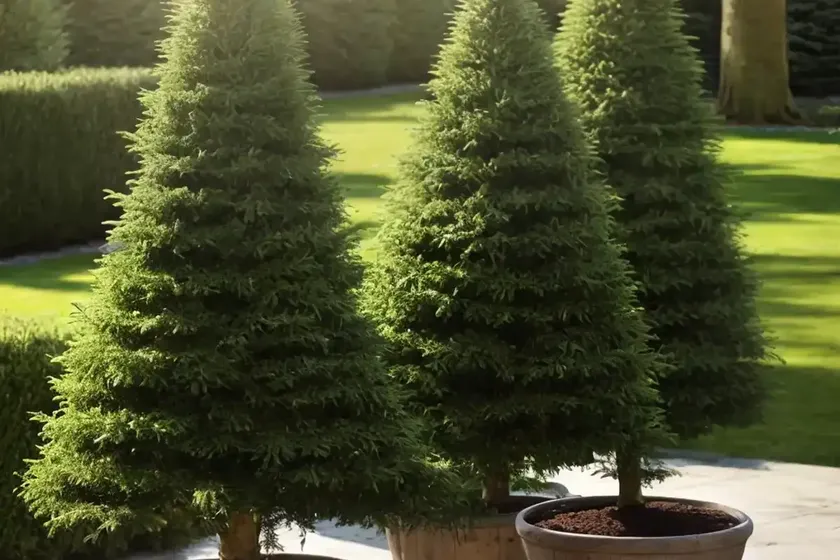
The Nordmann Fir has gained widespread popularity as a container-grown ornamental tree, offering a versatile and elegant addition to outdoor spaces, patios, and garden environments. Container cultivation allows individuals to showcase the beauty of Abies nordmanniana in a controlled setting, providing flexibility and mobility in landscape design and horticultural arrangements.
Consider the following factors that contribute to the container popularity of Abies nordmanniana:
-
Aesthetic appeal: The lush, glossy foliage and symmetrical growth habit of the Nordmann Fir make it a visually captivating and desirable choice for container cultivation, adding a touch of elegance and natural beauty to outdoor living spaces.
-
Space considerations: Container-grown Nordmann Fir trees offer a space-efficient solution for individuals with limited garden or yard space, allowing them to enjoy the presence of these majestic evergreens without the constraints of traditional in-ground planting.
-
Seasonal versatility: Containers provide the flexibility to relocate Nordmann Fir trees based on seasonal preferences or specific design considerations, enabling individuals to adapt and reconfigure their outdoor spaces according to changing needs and aesthetic goals.
-
Ease of maintenance: Container cultivation facilitates the management and maintenance of Nordmann Fir trees, offering individuals greater control over factors such as soil composition, watering regimen, and overall tree health.
By embracing the container popularity of Abies nordmanniana and integrating container-grown specimens into various outdoor settings, individuals can elevate the visual appeal and natural charm of their landscapes, showcasing the enduring beauty of the Nordmann Fir in a convenient and adaptable manner.
Common Diseases
As with any plant species, Abies nordmanniana is susceptible to certain diseases that can impact its health and vitality. By familiarizing oneself with common diseases affecting the Nordmann Fir and implementing proactive management strategies, individuals can safeguard the tree’s well-being and promote a resilient, disease-resistant landscape.
Consider the following common diseases that may affect Abies nordmanniana:
-
Needle cast: Needle cast diseases, caused by various fungal pathogens, can lead to the discoloration, browning, and premature shedding of the tree’s needles. Implementing appropriate cultural practices, such as promoting good air circulation and reducing moisture on foliage, helps to mitigate the incidence and severity of needle cast diseases.
-
Root rot: Excessive soil moisture or poorly drained growing conditions can contribute to root rot, caused by fungal pathogens that attack the tree’s root system. Ensuring proper soil drainage and avoiding overwatering minimizes the risk of root rot, preserving the health and stability of the Nordmann Fir.
-
Canker diseases: Canker diseases, characterized by the presence of sunken or discolored areas on the bark, can weaken the structural integrity of Nordmann Fir trees and compromise their overall health. Pruning out affected branches and promoting tree vigor through proper cultural practices supports the mitigation and management of canker diseases.
By prioritizing preventive measures and early intervention strategies, individuals can effectively address common diseases that may affect Abies nordmanniana, promoting a robust and resilient landscape adorned with healthy and vibrant evergreen specimens.
Disease Diagnosis
Accurate diagnosis is essential for effectively managing and mitigating diseases that may affect Abies nordmanniana. By familiarizing oneself with the symptoms and signs associated with common diseases and conducting thorough assessments of affected trees, individuals can identify and address potential health issues, supporting the sustained well-being of the Nordmann Fir.
Consider the following diagnostic approaches for identifying diseases in Abies nordmanniana:
-
Symptom recognition: Observing and documenting visible symptoms, such as needle discoloration, bark lesions, or stunted growth, enables individuals to identify potential disease indicators and assess the overall health of Nordmann Fir trees.
-
Sign assessment: In addition to symptoms, assessing signs of disease-causing organisms, such as fungal structures, cankers, or abnormal growths, aids in narrowing down potential pathogens and informing targeted management strategies.
-
Diagnostic tools: Utilizing diagnostic tools, such as magnifying lenses, digital microscopes, or testing kits, supports the comprehensive assessment of disease symptoms and facilitates the accurate identification of potential pathogens or causal agents.
By applying a systematic and thorough approach to disease diagnosis in Abies nordmanniana, individuals can implement timely and targeted interventions, preserving the health and vigor of these iconic evergreen trees and fostering a resilient and disease-resistant landscape.
Common Pests
In addition to diseases, Abies nordmanniana can be susceptible to certain pests that may impact its growth and vitality. Understanding the common pests that may affect Nordmann Fir trees and implementing integrated pest management practices are essential for maintaining healthy and vigorous specimens in various horticultural and landscape settings.
Consider the following common pests that may affect Abies nordmanniana:
-
Aphids: These sap-sucking insects can infest the foliage of Nordmann Fir trees, leading to distorted growth, sticky honeydew secretion, and potential secondary issues such as sooty mold development. Implementing natural predators, insecticidal soaps, or horticultural oils can help manage aphid infestations and preserve tree health.
-
Spider mites: Spider mites are tiny arachnids that can cause stippling, discoloration, and webbing on Nordmann Fir foliage, impacting the tree’s aesthetic appeal and overall vigor. Regular monitoring and the application of targeted miticides help mitigate spider mite populations and prevent widespread damage.
-
Adelgids: Adelgid infestations can lead to the development of dense, cottony masses on the foliage of Nordmann Fir trees, affecting their photosynthetic capacity and overall health. Employing horticultural oils or insecticidal treatments tailored to adelgid control supports the suppression of infestations and the preservation of tree vitality.
By remaining vigilant and proactive in pest management, individuals can effectively address common pests that may affect Abies nordmanniana, promoting the sustained health and resilience of these iconic evergreen specimens in diverse horticultural and landscape environments.
Botanist’s Tips
As an esteemed botanical specialist or enthusiast, you play a pivotal role in promoting the cultivation, conservation, and appreciation of Abies nordmanniana. Your expertise and insights can guide individuals in creating thriving landscapes and horticultural displays that showcase the enduring beauty and ecological significance of the Nordmann Fir.
Consider the following botanist’s tips for cultivating and caring for Abies nordmanniana:
-
Soil preparation: Prior to planting Nordmann Fir trees, ensure that the soil is well-drained, slightly acidic, and enriched with organic matter to support the tree’s optimal growth and development.
-
Watering regimen: During the establishment phase and in periods of drought, provide consistent moisture to young Nordmann Fir trees, promoting healthy root development and sustained vitality.
-
Sunlight considerations: Position Nordmann Fir trees in areas that receive ample sunlight, optimizing their access to light for robust foliage growth and overall health.
-
Disease and pest management: Implement preventive cultural practices and integrated pest management strategies to minimize the impact of common diseases and pests on Abies nordmanniana, safeguarding its well-being.
-
Pruning techniques: Utilize selective pruning methods to maintain the form and vitality of Nordmann Fir trees, addressing structural irregularities and promoting overall aesthetic appeal.
By sharing your knowledge and expertise, you empower individuals to cultivate and care for Abies nordmanniana with confidence and precision, contributing to the preservation and celebration of this iconic evergreen species in diverse landscapes and horticultural endeavors.
Fun Facts
Uncover the fascinating and captivating aspects