Abies Koreana (Korean Fir)
Abies koreana, commonly known as the Korean Fir, is a captivating evergreen tree that hails from the Korean peninsula. Belonging to the Pinaceae family.
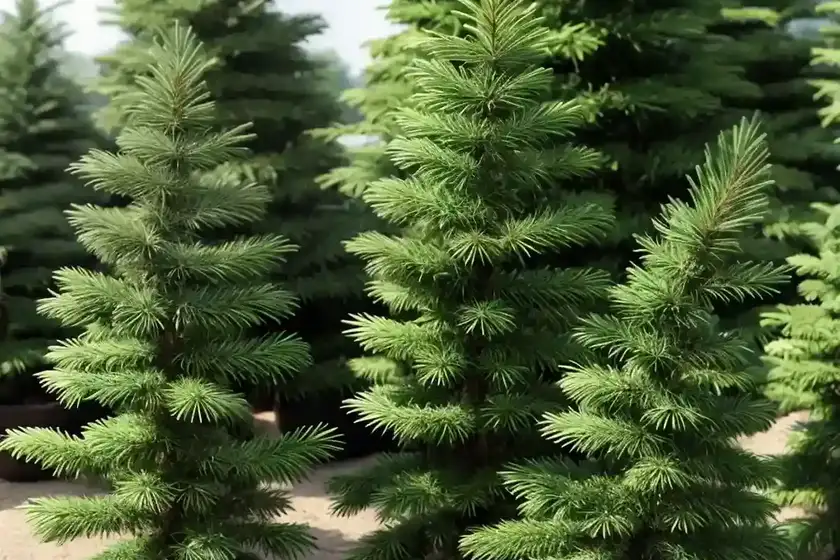
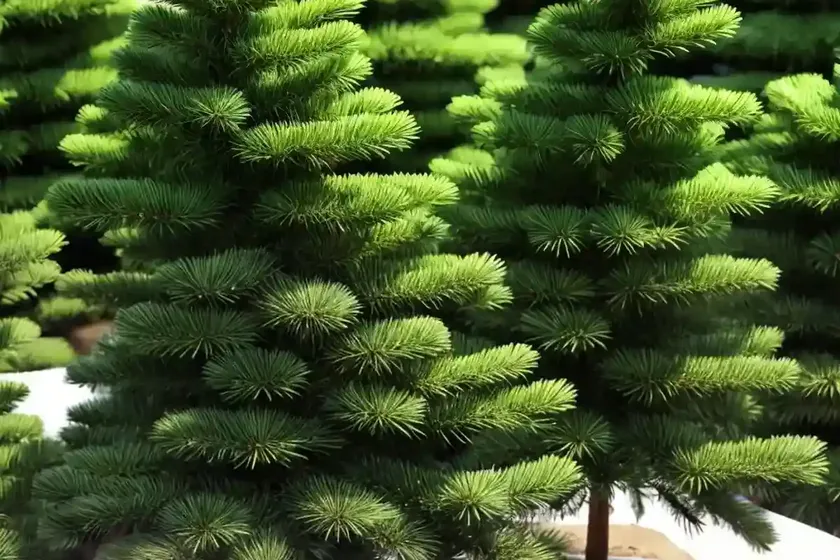
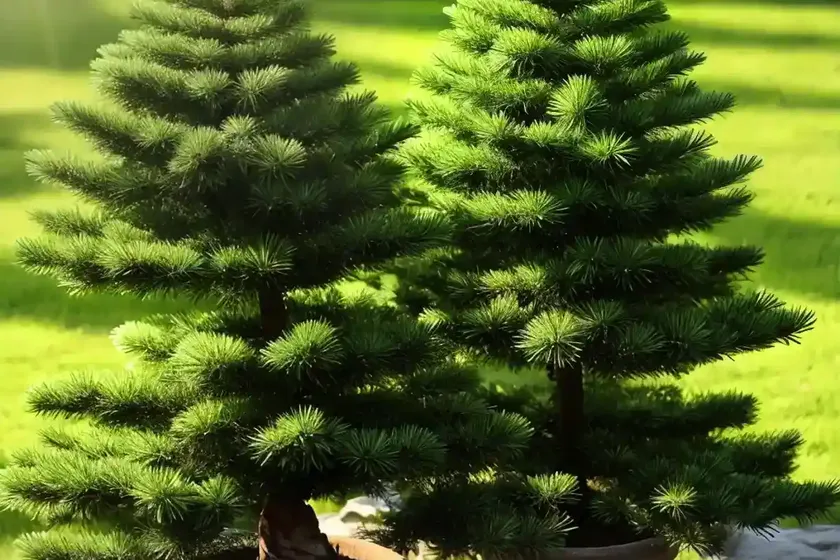
Abies koreana, commonly known as the Korean Fir, is a captivating evergreen tree that hails from the Korean peninsula. Belonging to the Pinaceae family, this elegant conifer is celebrated for its ornamental value, adaptability, and myriad of benefits. In this comprehensive guide, we will delve into the various aspects of Abies koreana, including its culture, uses, care requirements, propagation methods, common diseases, and pests, among other essential details. Whether you are a seasoned horticulturist, a gardening enthusiast, or a nature lover interested in exploring the marvels of plant life, this article aims to provide you with a profound understanding of the Korean Fir tree and its significance in horticulture and ecology.
Key Takeaways – Abies koreana (Korean Fir)
Before we embark on the journey of uncovering the fascinating world of Abies koreana, let’s take a glimpse into the key takeaways that we will explore in this guide:
- Plant Name: Abies koreana (Korean Fir)
- Culture: Understanding the cultural aspects critical for the optimal growth of Korean Fir.
- Uses: Exploring the various practical and aesthetic applications of the Korean Fir tree.
- Water: Identifying the water requirements essential for maintaining the health and vitality of Abies koreana.
- Sunlight: Deciphering the sunlight preferences crucial for the well-being of Korean Fir trees.
- Fertilizer: Unveiling the appropriate fertilization practices to support the growth of Abies koreana.
- Soil: Discussing the soil characteristics vital for cultivating Korean Fir and ensuring its prosperity.
- Pruning: Learning about the pruning techniques essential for shaping and nurturing the Korean Fir tree.
- Propagation: Delving into the propagation methods utilized for propagating Abies koreana.
- Container Popularity: Exploring the possibility and considerations for growing Korean Fir in containers.
- Common Diseases: Understanding the prevalent diseases that may affect Korean Fir and the associated diagnosis.
- Common Pests: Identifying the common pests that pose a threat to the health of Abies koreana.
- Botanist’s Tips: Offering expert insights and recommendations for successfully cultivating Korean Fir.
- Fun Facts: Unearthing intriguing and lesser-known facts about the Korean Fir tree.
- Links to External Resources: Providing valuable references for additional insights into Abies koreana and its cultivation.
Now, let’s embark on an enriching journey to unravel the captivating facets of Abies koreana.
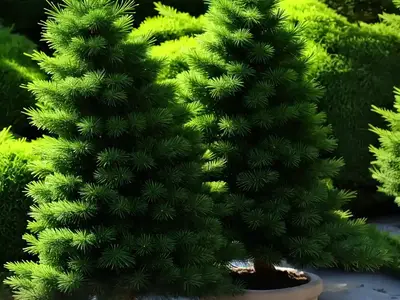
Abies koreana, commonly referred to as the Korean Fir, is a species of fir native to the higher mountain regions of South Korea. This elegant evergreen conifer is renowned for its striking appearance, compact form, and resilient nature. With its gracefully drooping branches adorned with lustrous dark green needles and solitary purple cones, the Korean Fir stands as a distinguished ornamental addition to landscapes, parks, and gardens. Its moderate growth rate and relatively small size make it an ideal choice for both large and small-scale gardening and landscaping projects.
Culture
Cultural practices play a pivotal role in nurturing the Korean Fir tree to its full potential. Understanding the cultural requirements of Abies koreana is essential for creating an environment conducive to its growth and development.
Uses
The Korean Fir tree offers a myriad of uses, both aesthetic and practical, making it a valuable addition to horticulture and landscaping endeavors.
Water
Adequate water supply is essential for ensuring the vigor and health of Abies koreana. Understanding its water requirements is crucial for successful cultivation.
Sunlight
Sunlight is a fundamental element in the life of every plant, and the Korean Fir is no exception. Understanding its sunlight preferences is fundamental for its prosperity.
Fertilizer
Proper fertilization is key to promoting robust growth and vitality in Abies koreana. A balanced and strategic approach to fertilization is essential for its well-being.
Soil
The choice of soil and its characteristics significantly impact the growth and overall health of Korean Fir trees. Understanding its soil requirements is vital for successful cultivation.
Pruning
Pruning plays a vital role in shaping and maintaining the aesthetic appeal and health of the Korean Fir tree. Knowledge of appropriate pruning techniques is crucial for its well-being.
Propagation
Propagating Abies koreana involves specific techniques and considerations. Understanding the propagation methods is essential for expanding its presence in gardens and landscapes.
Container Popularity
Growing Korean Fir in containers offers exciting possibilities and requires specific considerations. Exploring its suitability for container growth is essential for urban and small-space gardening.
Common Diseases
Being aware of the potential diseases that may affect Abies koreana is crucial for timely intervention and effective management.
Disease Diagnosis
Accurate diagnosis of diseases affecting the Korean Fir tree is imperative for implementing targeted and effective control measures.
Common Pests
Pests can pose a threat to the vitality and beauty of Korean Fir. Identifying the common pests and their management is essential for maintaining its health.
Botanist’s Tips
Seasoned insights and recommendations from botanists and horticulturists can greatly enhance the successful cultivation of Abies koreana.
Fun Facts
Exploring the intriguing and delightful aspects of the Korean Fir tree through a collection of fascinating facts adds a delightful dimension to our understanding of this remarkable plant species.
Links to External Resources
Providing valuable references and external resources offers readers the opportunity to delve deeper into the world of Abies koreana and gain additional insights into its cultivation and significance.
By delving deep into each of these facets, we aim to gain a comprehensive understanding of Abies koreana and equip ourselves with the knowledge and insights necessary to cultivate and appreciate this exceptional evergreen conifer.
Stay tuned as we embark on an enlightening journey into the world of Korean Fir, uncovering its captivating attributes, cultivation practices, uses, and much more.
Plant Name: “Abies koreana (Korean Fir)”
Continuing with our exploration of the remarkable Abies koreana, join us as we delve deep into the nuanced details of this enchanting evergreen conifer. Through the following sections, we seek to unravel the cultural, practical, and aesthetic dimensions of the Korean Fir tree, providing you with a comprehensive perspective on its significance and cultivation.
Are you ready to embark on an enriching journey into the world of Abies koreana? Let’s delve into the mesmerizing realm of the Korean Fir, uncovering its cultural significance, practical uses, and the intricate art of nurturing and cultivating this distinguished evergreen species.
Cultural practices are integral to cultivating the Korean Fir and ensuring its optimal growth and development. By comprehending and implementing the cultural requirements of Abies koreana, horticulturists and gardening enthusiasts can create an environment conducive to its well-being and longevity. Let’s unravel the cultural aspects of the Korean Fir tree, gaining insights into the fundamental practices instrumental in its successful cultivation.
Profile of Abies koreana
Before delving into the cultural practices related to the Korean Fir tree, understanding its key characteristics and growth habits is essential for tailoring the cultural approach to meet its specific needs and preferences.
Growth Habit
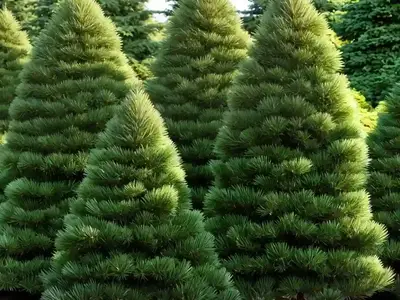
- Form: The Korean Fir is characterized by a compact, conical form, with gracefully drooping branches that form an elegant silhouette.
- Size: It typically attains a moderate size, making it suitable for a variety of garden and landscape settings.
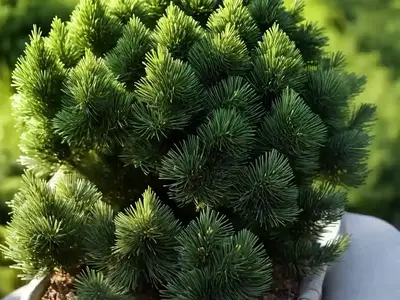
- Needles: The stunning dark green needles of Abies koreana impart a vibrant and lustrous appearance to the tree, enhancing its ornamental value.
Environmental Preferences
- Climate: The Korean Fir thrives in cool, temperate climates, making it well-suited to regions with distinct seasons and moderate humidity.
- Topography: It is often found in mountainous regions, thriving in well-drained, elevated terrain.
By gaining a comprehensive understanding of the growth habits and environmental preferences of Abies koreana, we can effectively tailor its cultural practices to create an environment conducive to its flourishing.
Cultivation Practices for Korean Fir
Cultural practices for the cultivation of Abies koreana encompass a range of factors, including water, sunlight, soil, and fertilization. By optimizing these cultural aspects, horticulturists and gardeners can foster the vitality and aesthetic appeal of the Korean Fir tree.
Watering
- Consistency: While the Korean Fir exhibits some tolerance to drought conditions, it thrives in moist, well-drained soil. Consistent watering, especially during dry spells, is crucial for promoting its health and vigor.
- Avoid Waterlogging: Ensuring adequate drainage is essential, as excessively waterlogged soil can adversely affect the health of Abies koreana.
Sunlight Requirements
- Light: The Korean Fir thrives in partial to full sun, manifesting its best growth and vibrant foliage when exposed to ample sunlight. While it can tolerate some shade, ensuring sufficient sunlight is ideal for its optimal growth.
Soil Conditions
- Acidic Soil: Abies koreana prefers acidic, well-drained soil with good aeration. The soil should ideally be rich in organic matter, providing a conducive environment for its root development.
Fertilization
- Balanced Fertilization: Application of a balanced and controlled-release fertilizer in the spring can support the growth and vitality of Korean Fir. Care should be taken to avoid over-fertilization, which can have detrimental effects.
Understanding and implementing these fundamental cultural practices are integral to nurturing the Korean Fir and cultivating an environment tailored to its specific needs and preferences.
Maintenance and Pruning
In addition to the fundamental cultural practices, regular maintenance and appropriate pruning are essential for preserving the health and aesthetic appeal of Abies koreana.
Pruning Techniques
- Shaping: Light pruning can be employed to maintain the desired shape and form of the Korean Fir while removing any dead or damaged branches.
- Timing: Pruning is best carried out in late winter or early spring before the onset of new growth, affording the opportunity to shape the tree without impeding its vitality.
By integrating these essential cultural practices into the cultivation of Korean Fir, horticulturists and gardeners can establish an environment conducive to its growth and prosperity.
The Korean Fir tree holds immense practical and aesthetic significance, finding versatile applications in horticulture, landscaping, and ecological restoration. Its striking appearance, adaptability, and array of uses make it a prized addition to diverse garden settings, ranging from ornamental landscapes to urban green spaces. Let’s delve into the practical and aesthetic dimensions of Abies koreana, exploring its diverse uses and ecological contributions.
Ornamental Value
The Korean Fir is celebrated for its ornamental value, imparting a sense of elegance and tranquility to the landscapes and gardens where it is cultivated. Its distinct form, vibrant foliage, and eye-catching purple cones contribute to its status as a prized ornamental species.
Landscaping Applications
- Focal Points: Abies koreana serves as an enchanting focal point in landscape designs, captivating attention with its graceful form and striking appearance.
- Group Planting: It complements group plantings and mixed borders, adding texture and visual interest to garden compositions.
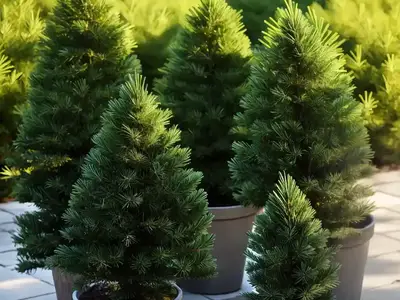
- Container Gardening: The compact size and aesthetic appeal of the Korean Fir make it well-suited for container gardening, offering opportunities for urban and small-space horticulture.
Ecological Contributions
Beyond its ornamental value, the Korean Fir tree holds ecological significance, contributing to biodiversity, forest ecosystems, and ecological restoration efforts.
Habitat and Wildlife
- Biodiversity: Abies koreana provides habitat and food sources for various wildlife species, contributing to the ecological diversity of its native regions.
- Conservation: Its role in conservation and restoration programs aimed at preserving natural habitats and indigenous flora is instrumental in safeguarding biodiversity.
Practical Uses
The practical applications of the Korean Fir extend beyond its ornamental and ecological contributions, encompassing diverse realms such as horticulture, timber production, and medicinal uses.
Horticulture and Forestry
- Garden Ornament: Widely utilized as an ornamental tree in horticulture, the Korean Fir is a coveted addition to gardens, arboretums, and public parks.
- Timber Production: While relatively small in size, Abies koreana yields quality timber, finding applications in woodworking and crafting.
- Medicinal Uses: In traditional Korean medicine, various parts of the tree are utilized for their purported medicinal properties, contributing to its cultural and botanical significance.
By comprehensively exploring the practical and aesthetic uses of the Korean Fir, we gain a profound appreciation for its contributions to horticulture, landscaping, and ecological conservation.
Water is a fundamental element in the life and vitality of plants, and the Korean Fir tree is no exception. Understanding and meeting its water needs are essential for fostering its health and sustained growth. In this section, we will unravel the water requirements of Abies koreana, gaining insights into the optimal watering practices that support its well-being.
Watering Guidelines for Korean Fir
The water requirements of Abies koreana are influenced by environmental factors, soil conditions, and the stage of its growth cycle. Employing strategic watering practices tailored to meet its specific needs contributes to the robustness and vitality of the Korean Fir.
Key Considerations
- Frequency of Watering: While the Korean Fir exhibits some tolerance to drought, particularly in established trees, regular watering is essential, especially during dry spells and in the early stages of establishment.
- Seasonal Variations: Adapting the watering frequency in response to seasonal changes, including reduced watering in winter and increased watering during periods of high temperature and low humidity, supports the health of Abies koreana.
- Soil Moisture Levels: Monitoring soil moisture and ensuring adequate hydration without waterlogging plays a pivotal role in maintaining the vigor and resilience of Korean Fir trees.
By adhering to these fundamental watering guidelines, horticulturists and gardeners can provide an optimal water supply that sustains the health and vitality of Abies koreana.
Sunlight is a vital element that influences the growth, photosynthesis, and overall well-being of plants. Understanding the sunlight preferences of the Korean Fir tree is crucial for creating an environment that fosters its optimal growth and vibrant foliage. Let’s delve into the sunlight requirements of Abies koreana, gaining insights into the ideal conditions that contribute to its prosperity.
Sun Exposure for Korean Fir
The Korean Fir exhibits distinct preferences when it comes to sun exposure, and tailoring its environment to meet these preferences plays a pivotal role in supporting its vitality and aesthetic appeal.
Sunlight Preferences
- Partial to Full Sun: Abies koreana thrives in partial to full sun, manifesting its best growth and vibrant foliage when exposed to ample sunlight.
- Shade Tolerance: While it can tolerate some shade, ensuring sufficient sunlight is ideal for promoting the robustness and ornamental value of the Korean Fir tree.
Positioning and Orientation
- Optimal Positioning: Placing Korean Fir trees in locations that receive adequate sunlight, especially during the morning and midday hours, provides the ideal conditions for their growth and vitality.
By aligning the cultivation practices with the sunlight preferences of Abies koreana, horticulturists and gardeners can create an environment conducive to its well-being and ornamental value.
Fertilization plays a pivotal role in providing essential nutrients that support the robust growth and vitality of plants. Applying a balanced and strategic approach to fertilization is fundamental for fostering the health and vigor of the Korean Fir tree. Let’s explore the fertilization practices that contribute to the thriving of Abies koreana, ensuring its sustained growth and ornamental appeal.
Fertilization Practices for Korean Fir
Implementing appropriate fertilization practices tailored to the needs of Abies koreana contributes to the provision of essential nutrients that support its growth and contribute to the vibrancy of its foliage.
Fertilizer Application
- Balanced Formulation: Utilizing a balanced and controlled-release fertilizer formulated for evergreen trees provides essential nutrients while minimizing the risk of over-fertilization.
- Timing: Applying fertilizer in the spring, as the Korean Fir tree initiates its active growth, supports the uptake of nutrients and fosters robust development.
By adhering to these essential fertilization practices, horticulturists and gardeners can effectively support the growth and vitality of the Korean Fir, contributing to its ornamental value and resilience.
The choice of soil and its characteristics significantly influence the growth, health, and overall well-being of plants. Understanding and meeting the soil requirements of the Korean Fir tree are fundamental for creating an environment conducive to its prosperous growth. Let’s delve into the soil characteristics that support the vitality and ornamental value of Abies koreana, ensuring an optimal growing environment.
Soil Requirements for Korean Fir
The specific soil requirements of Abies koreana impact its root development, nutrient uptake, and overall resilience, making it essential to tailor its environment to meet these specific needs.
Key Soil Characteristics
- Acidic pH: Korean Fir prefers acidic soil with a pH ranging from 5.0 to 6.5, providing an environment conducive to its growth and vitality.
- Well-Drained Texture: Ensuring well-drained soil with good aeration supports the root system of Abies koreana, preventing waterlogging and subsequent detrimental effects.
By integrating these fundamental soil requirements into the cultivation of the Korean Fir tree, horticulturists and gardeners can establish an environment that fosters its sustained growth and ornamental appeal.
Pruning plays a pivotal role in shaping and maintaining the health and aesthetic appeal of trees, including evergreen conifers such as the Korean Fir. Understanding appropriate pruning techniques and timing is fundamental for nurturing the elegance and form of Abies koreana. Let’s explore the pruning practices that contribute to the aesthetic appeal and vitality of the Korean Fir tree.
Pruning Techniques for Korean Fir
Applying targeted pruning techniques tailored to the specific needs of Abies koreana enables the preservation of its form, aesthetic appeal, and overall health.
Targeted Pruning
- Shaping and Maintenance: Light pruning can be employed to maintain the desired shape and form of Korean Fir trees, removing any dead or damaged branches and promoting uniform growth.
- Timing: Pruning is best carried out in late winter or early spring before the onset of new growth, affording the opportunity to shape the tree without impeding its vitality.
By incorporating these essential pruning techniques into the cultivation of Abies koreana, horticulturists and gardeners can nurture the aesthetic appeal and wellness of the Korean Fir tree, contributing to its ornamental value in garden and landscape settings.
Propagating Abies koreana enables the expansion of its presence in diverse garden and landscape settings, contributing to its ornamental and ecological significance. Understanding and employing effective propagation methods are essential for multiplying the presence of the Korean Fir tree.