Abies Koreana ‘Silberperle’ (Korean Fir)
What is Abies koreana ‘Silberperle’? Abies koreana ‘Silberperle’ or the Korean Fir is a stunning evergreen conifer that belongs to the family Pinaceae. It.
What is Abies koreana ‘Silberperle’?
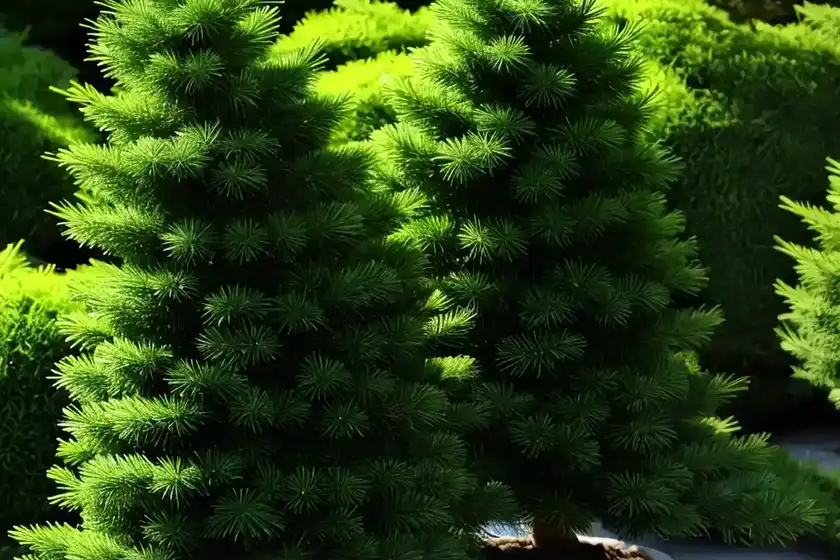
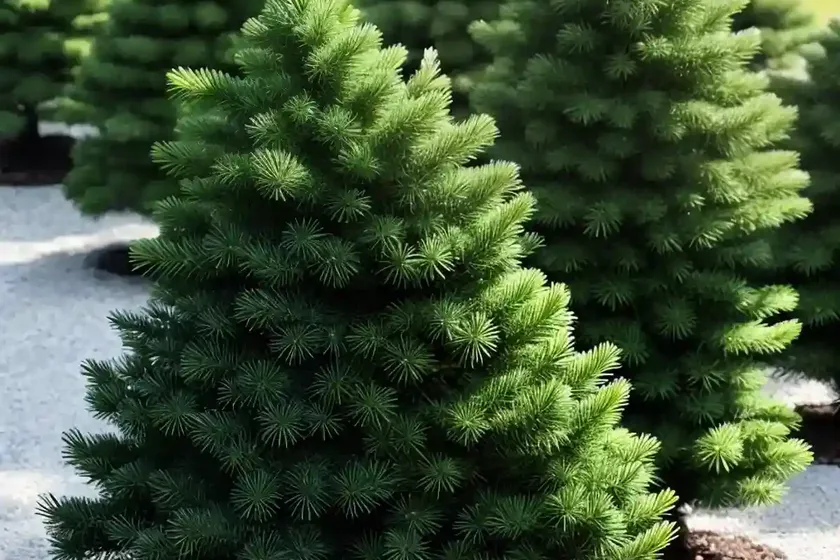
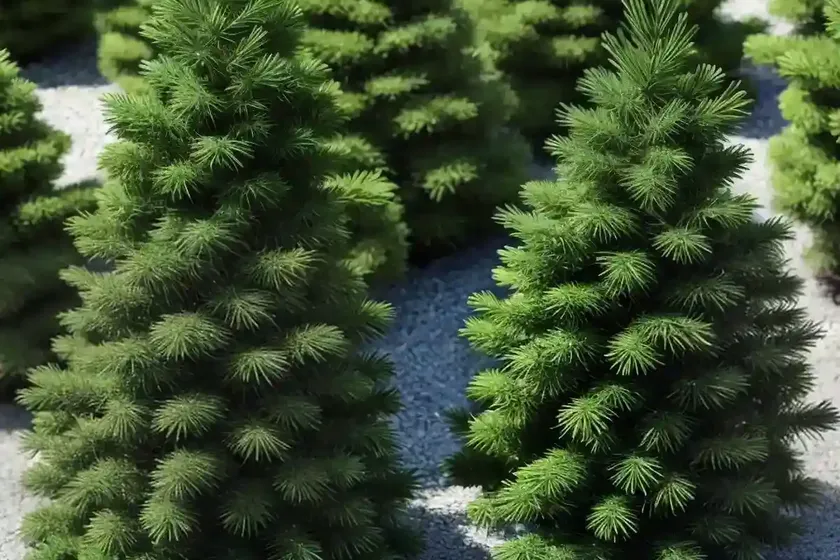
Abies koreana ‘Silberperle’ or the Korean Fir is a stunning evergreen conifer that belongs to the family Pinaceae. It is a cultivar that is highly regarded for its elegant appearance and outstanding garden performance. This tree is native to the high mountain regions of South Korea.
The ‘Silberperle’ variety of the Korean Fir is particularly renowned for its beautiful silvery-white undersides of the needles and its compact, symmetrical growth habit. It has a slow growth rate, making it an ideal choice for small gardens and landscapes, as well as for containers. This elegant tree is popular among gardeners for its ornamental value, cold hardiness, and low maintenance requirements.
Key Takeaways – Abies koreana ‘Silberperle’ (Korean Fir)
Culture
- Common Name: Korean Fir ‘Silberperle’
- Scientific Name: Abies koreana ‘Silberperle’
- Plant Type: Evergreen conifer
- Mature Height: 8-10 feet
- Mature Width: 3-4 feet
- Growth Habit: Compact, pyramidal
- Hardiness Zone: 5-7
- Water Needs: Moderate
- Sunlight Needs: Full to partial sun
Uses
- Ornamental Value: Ideal as a focal point in the landscape, specimen plant, or in a rock garden
- Wildlife Support: Attracts birds and pollinators
- Privacy Screen: Suitable for creating a visual barrier in the garden
- Urban Landscapes: Well-suited for container gardening and urban environments
Water
- Water Requirements: Moderate
- Soil Moisture: Well-drained
- Drought Tolerance: Moderate once established
Sunlight
- Sun Exposure: Full sun to partial shade
- Shade Tolerance: Moderate
Fertilizer
- Fertilization Needs: Minimal
- Fertilizer Type: Balanced, slow-release fertilizer
- Frequency: Once a year in early spring
Soil
- Soil Type: Moist, well-drained
- pH: Slightly acidic to neutral (5.5-7.5)
- Soil Amendments: Organic matter
Pruning
- Pruning Needs: Minimal
- Pruning Time: Best done in early spring before new growth appears
- Purpose: To maintain shape and remove dead or damaged branches
Propagation
- Propagation Method: Seeds, softwood cuttings
- Best Time for Propagation: Early summer
- Seed Treatment: Cold stratification for 4-6 weeks
Container Popularity
- Suitability: Well-suited for container gardening
- Container Size: Choose a container that allows for ample root space and offers good drainage
- Placement: Ideal for patios, decks, and small outdoor spaces
Common Diseases
- Disease Susceptibility: Generally resistant to most diseases
- Common Issues: Needle cast, root rot (Phytophthora)
Disease Diagnosis
- Symptoms: Discoloration of needles, stunted growth, premature needle drop
- Diagnosis: Consult with a plant pathologist for accurate diagnosis
- Treatment: Improve drainage, provide proper air circulation, and consider fungicidal treatment if necessary
Common Pests
- Pest Susceptibility: Generally resistant to pests
- Occasional Pests: Adelgids, spider mites
- Monitoring: Regular inspection of foliage for signs of pest activity
Botanist’s Tips
- Selecting a Plant: Choose a healthy, well-branched specimen with vibrant green foliage
- Planting Depth: Plant at the same depth as it was previously growing in the nursery container
- Mulching: Apply a layer of mulch around the base to conserve soil moisture
Fun Facts
- The Korean Fir’s botanical name “Abies koreana” reflects its native origin in Korea.
- The silvery-white undersides of the needles add a unique visual appeal to the tree.
Links to External Resources
Plant Name: “Abies koreana ‘Silberperle’ (Korean Fir)”
As a plant scientist, I am excited to explore the captivating attributes and the cultural requirements of the Abies koreana ‘Silberperle’ or the Korean Fir. This fascinating evergreen conifer is a popular choice for both novice and experienced gardeners due to its ornamental value, compact growth habit, and adaptability to diverse growing conditions.
In the following sections, I will delve into the intricacies of cultivating and caring for this exceptional plant, addressing its water, sunlight, fertilizer, soil, pruning, propagation, container gardening, disease resistance, and much more. By the end of this comprehensive guide, you will gain valuable insights into harnessing the full potential of the Korean Fir ‘Silberperle’ in your garden or landscape.
markdown
Keywords: Korean Fir 'Silberperle, Abies koreana Silberperle, Silberperle Korean Fir, Abies koreana cultivar Silberperle, Silberperle Korean Fir tree, Abies koreana Silberperle plant, Korean Fir variety Silberperle, Silberperle Korean Fir description, Abies koreana 'Silberperle' features, Silberperle Korean Fir characteristics, Abies koreana 'Silberperle' care, Silberperle Korean Fir growth, Abies koreana 'Silberperle' benefits, Silberperle Korean Fir uses, Abies koreana 'Silberperle' planting guide, Silberperle Korean Fir maintenance, Abies koreana 'Silberperle' landscaping, Silberperle Korean Fir landscape design, Abies koreana 'Silberperle' habitat, Silberperle Korean Fir native range, Abies koreana 'Silberperle' gardening tips, Silberperle Korean Fir pruning, Abies koreana 'Silberperle' disease resistance, Silberperle Korean Fir pest control, Abies koreana 'Silberperle' winter care, Silberperle Korean Fir cold hardiness, Abies koreana 'Silberperle' drought tolerance, Silberperle Korean Fir soil requirements, Abies koreana 'Silberperle' sunlight needs, Silberperle Korean Fir shade tolerance, Abies koreana 'Silberperle' water requirements, Silberperle Korean Fir fertilizer needs, Abies koreana 'Silberperle' growth rate, Silberperle Korean Fir landscape uses, Abies koreana 'Silberperle' focal point plant, Silberperle Korean Fir evergreen tree, Abies koreana 'Silberperle' ornamental value, Silberperle Korean Fir wildlife support, Abies koreana 'Silberperle' pollinator attraction, Silberperle Korean Fir drought-resistant plant, Abies koreana 'Silberperle' windbreak tree, Silberperle Korean Fir privacy screen, Abies koreana 'Silberperle' specimen plant, Silberperle Korean Fir landscape focal point, Abies koreana 'Silberperle' plant size, Silberperle Korean Fir height and spread, Abies koreana 'Silberperle' container gardening, Silberperle Korean Fir urban landscapes, Abies koreana 'Silberperle' garden design, Silberperle Korean Fir focal plant
Abies koreana ‘Silberperle’ (Korean Fir) in Depth
Let’s begin by stepping into the fascinating world of the Abies koreana ‘Silberperle’, where we will unravel its distinct characteristics, care requirements, and its contribution to the landscape and garden design.
Abies koreana ‘Silberperle’ Features and Characteristics
The ‘Silberperle’ cultivar of the Abies koreana (Korean Fir) boasts a myriad of impressive features and characteristics that make it a highly sought-after plant in the world of ornamental horticulture. Let’s explore some of its defining attributes:
-
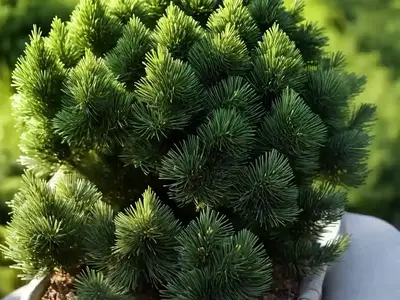
Needles: The ‘Silberperle’ variety is renowned for its unique needles that exhibit a striking silver-white color on the undersides. The glossy dark green upper surfaces of the needles contrast beautifully with the silvery hue, creating a captivating visual display throughout the year.
-
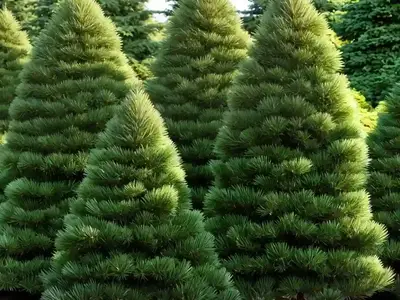
Growth Habit: This Korean Fir displays a compact, pyramidal growth habit, with a mature height of 8-10 feet and a width of 3-4 feet, making it a perfect choice for smaller gardens, urban landscapes, and container gardening.
-
Hardiness: The Korean Fir ‘Silberperle’ is well-suited for cold climate zones, thriving in USDA hardiness zones 5-7. Its exceptional cold hardiness makes it an invaluable addition to gardens in regions with harsh winter conditions.
-
Appearance: During the spring and summer, this coniferous beauty showcases its lush green foliage, while the attractive undersides of the needles add a touch of elegance. In winter, the Korean Fir retains its vibrant appearance, maintaining its visual appeal year-round.
-
Ornamental Value: The ‘Silberperle’ variety serves as an outstanding focal point in the landscape, offering an alluring presence due to its unique foliage and compact form. It also adds interest to rock gardens and mixed border plantings.
By incorporating the ‘Silberperle’ Korean Fir into your garden or landscape, you can introduce an element of sophistication and natural beauty that is sure to captivate the senses and elevate the overall aesthetic appeal.
Abies koreana ‘Silberperle’ Care Guide
Water Requirements
The Korean Fir ‘Silberperle’ has moderate water needs and thrives in well-drained soil. When establishing this conifer, it is important to provide supplemental watering during dry periods, ensuring that the root zone remains consistently moist but not waterlogged. Once the tree is established, its moderate drought tolerance allows it to withstand short periods of water scarcity.
Sunlight Needs
In terms of sunlight requirements, the Korean Fir ‘Silberperle’ thrives in full to partial sun exposure. It is essential to provide adequate sunlight to promote healthy growth and the development of its vibrant foliage. While it thrives in full sun, it also exhibits moderate shade tolerance, allowing for some flexibility in placement within the landscape.
Fertilizer Application
The ‘Silberperle’ Korean Fir has minimal fertilizer needs, largely due to its adaptability to nutrient-poor soils. However, an annual application of a balanced, slow-release fertilizer in early spring can provide a boost to its growth and overall vigor. It is important to avoid excessive fertilizer application, as this can lead to undesirable rapid growth and potential susceptibility to certain pests and diseases.
Soil Requirements
This cultivar of the Abies koreana thrives in moist, well-drained soil that is slightly acidic to neutral, with a pH range of 5.5 to 7.5. When planting, incorporating organic matter into the soil can enhance its overall structure and nutrient content, providing an optimal growing medium for the Korean Fir ‘Silberperle’ to flourish.
Pruning Needs
Pruning requirements for the Korean Fir ‘Silberperle’ are minimal, primarily focused on maintaining its desired shape and removing any dead or damaged branches. Pruning is best carried out in early spring before new growth emerges, allowing the tree to heal and recover swiftly. By practicing selective pruning, you can ensure that the tree retains its compact, symmetrical form, enhancing its ornamental value.
Propagation Methods
The ‘Silberperle’ variety of the Abies koreana can be propagated from seeds or softwood cuttings. Softwood cuttings are best taken in early summer when the tree is actively growing. For seed propagation, cold stratification for 4-6 weeks can enhance germination rates, simulating the natural conditions required for successful seedling establishment.
Container Gardening with Abies koreana ‘Silberperle’
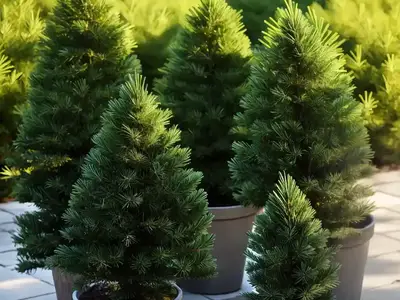
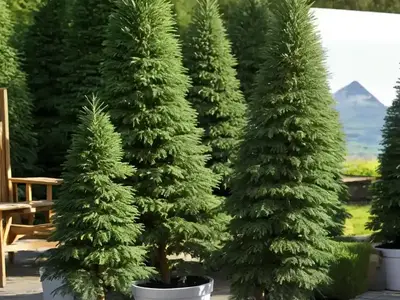
The Korean Fir ‘Silberperle’ presents a fantastic opportunity for container gardening, allowing individuals with limited space, such as balconies, patios, and small gardens, to enjoy the charm and beauty of this elegant conifer. When selecting a container, it is important to consider several key factors to ensure the successful growth and development of the tree.
Container Size
Choosing an appropriately sized container is crucial for the well-being of the Korean Fir ‘Silberperle’. The container should provide ample root space for the tree to establish itself and support healthy growth. A container with a diameter of at least 18-24 inches and sufficient depth is recommended to accommodate the root system and ensure proper stability.
Soil and Drainage
Selecting a high-quality, well-draining potting mix is essential for container-grown Korean Fir ‘Silberperle’. The soil should retain moisture without becoming waterlogged, facilitating adequate aeration and root health. Additionally, it is important to ensure that the container has sufficient drainage holes to prevent water from accumulating at the base, which can lead to root rot and other moisture-related issues.
Placement Considerations
When positioning the container, it is advisable to place it in an area that receives ample sunlight, ideally offering full to partial sun exposure. Adequate sunlight is essential for the tree’s overall vitality and the development of its characteristic foliage. Additionally, placing the container in a location that is sheltered from strong winds can help protect the tree from potential damage and stress.
By carefully tending to the needs of the Korean Fir ‘Silberperle’ in a container setting, individuals can create visually stunning displays and bring a touch of natural elegance to urban landscapes and small outdoor spaces.
Disease Resistance and Pest Control
Common Diseases
The Korean Fir ‘Silberperle’ exhibits a commendable level of disease resistance, with a general resilience to most common plant diseases. However, there are certain issues to be mindful of, including needle cast and root rot (Phytophthora), which can affect the health and appearance of the tree if not adequately addressed.
Disease Diagnosis and Treatment
Should symptoms of disease arise, such as discoloration of needles, stunted growth, or premature needle drop, it is advisable to consult with a plant pathologist or horticultural expert for accurate diagnosis and treatment recommendations. Improving soil drainage, enhancing air circulation, and implementing targeted fungicidal treatments, if necessary, can aid in managing and mitigating disease issues effectively.
Common Pests
The Korean Fir ‘Silberperle’ demonstrates a strong resistance to most pests, yet occasional issues with adelgids and spider mites may arise. Regular monitoring of the tree’s foliage for signs of pest activity can facilitate early detection, allowing for prompt and effective intervention, if needed, to prevent pest populations from causing significant damage.
Botanist’s Tips
When selecting a Korean Fir ‘Silberperle’ for planting, it is important to choose a healthy, well-branched specimen with vibrant green foliage. Planting the tree at the correct depth and providing a layer of mulch around the base to conserve soil moisture can promote successful establishment and growth. Careful attention to these details can set the stage for a thriving and visually captivating addition to the garden or landscape.
Fun Facts and Landscape Uses
Botanical Significance
The botanical name “Abies koreana” of the Korean Fir ‘Silberperle’ reflects its native origin in South Korea, where it is found in high mountainous regions. This conifer has long been cherished for its natural beauty and unique characteristics, gaining recognition as a distinguished member of the Abies genus.
Evergreen Appeal
One of the remarkable aspects of the Korean Fir ‘Silberperle’ is its status as an evergreen conifer, retaining its lush foliage and visual allure throughout the seasons. Its adaptability to a variety of landscape settings, from traditional gardens to modern urban environments, underscores its versatile appeal and enduring value.
Landscape Application
The ‘Silberperle’ variety of the Abies koreana serves as an exceptional focal point within the landscape, commanding attention with its distinctive foliage and compact form. Whether featured as a solitary specimen plant, integrated into a mixed border, or showcased in a rock garden, this Korean Fir adds an element of elegance and natural charm to its surroundings.
In addition to its ornamental value, the Korean Fir ‘Silberperle’ holds ecological significance, providing support for wildlife, such as birds and pollinators, and contributing to the overall biodiversity of the garden or landscape.
Conclusion
In conclusion, the Abies koreana ‘Silberperle’ or the Korean Fir stands as a remarkable testament to the enchanting beauty and enduring appeal of coniferous trees. With its captivating silver-white undersides of the needles, compact growth habit, and adaptability to diverse growing conditions, this cultivar has established itself as a highly esteemed addition to garden landscapes and container gardens.
By embracing the cultural guidelines and insights presented in this comprehensive guide, individuals can cultivate a deeper understanding and appreciation for the Korean Fir ‘Silberperle’, unlocking its full potential as a focal plant, an ornamental specimen, and a harmonious contributor to the natural world.
As a plant scientist, it is my hope that this exploration of the Abies koreana ‘Silberperle’ has provided valuable knowledge and inspiration for your horticultural endeavors, encouraging a deeper connection with nature and the extraordinary diversity of plant life that enriches our surroundings.
In the quest to create vibrant and sustainable landscapes, the Korean Fir ‘Silberperle’ stands as a shining example of the enduring allure and invaluable contributions of ornamental conifers, offering a lasting legacy of beauty and grace in gardens and urban environments.
To further expand your knowledge and appreciation for the Korean Fir ‘Silberperle’, I invite you to explore the following external resources for additional insights and practical guidance:
- Royal Horticultural Society – Abies koreana ‘Silberperle’
- Missouri Botanical Garden – Korean Fir ‘Silberperle’
- [American Conifer Society – Abies koreana ‘