Abies Balsamea (Balsam Fir)
Plants play a crucial role in maintaining the ecological balance of our planet. They not only provide us with food but also contribute to the aesthetic.
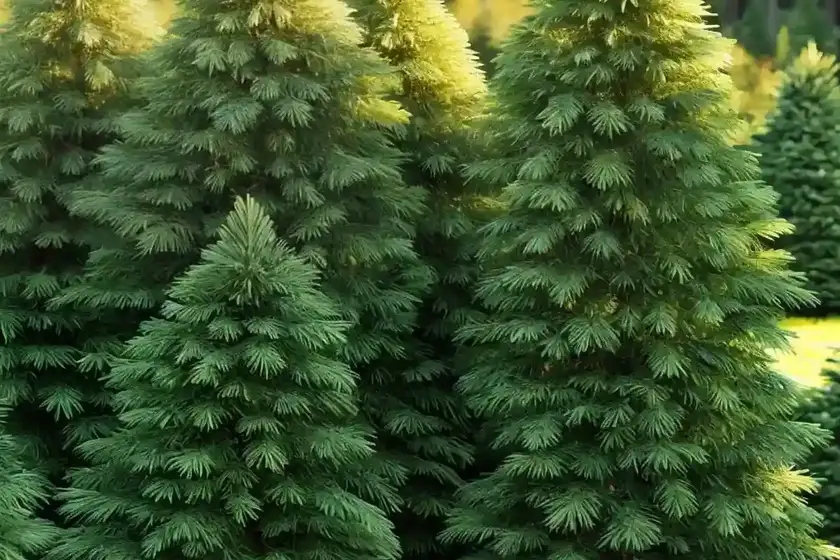
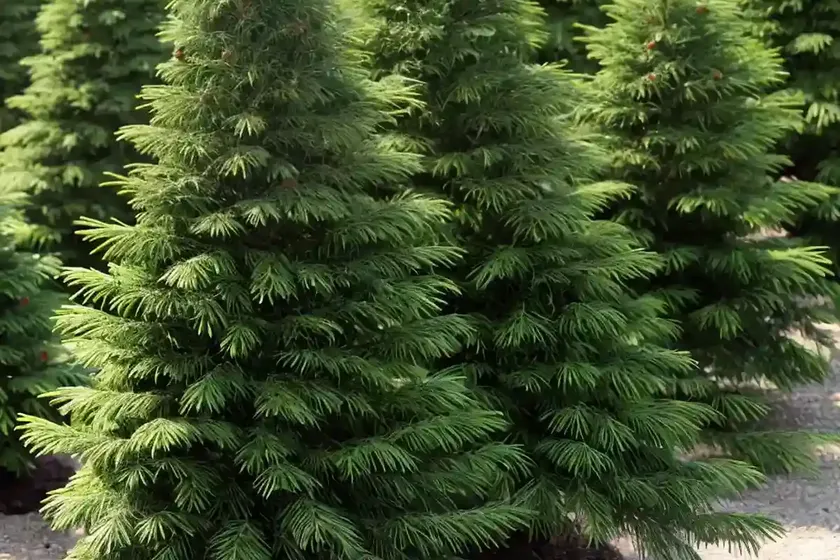
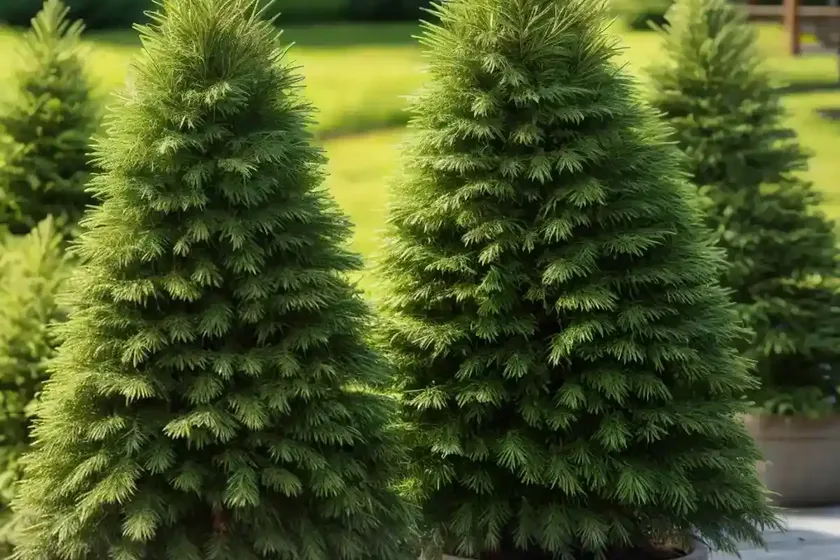
Plants play a crucial role in maintaining the ecological balance of our planet. They not only provide us with food but also contribute to the aesthetic beauty of our surroundings. In this comprehensive guide, we will delve into the world of Abies balsamea, commonly known as Balsam Fir, and explore its characteristics, uses, cultivation, and much more.
What is Abies balsamea (Balsam Fir)?
Abies balsamea, belonging to the Pinaceae family, is a medium-sized fir tree native to the northeastern region of North America. It is known for its aromatic foliage and is often valued for its ornamental and commercial purposes. The tree typically grows in cool and moist environments, such as the shaded slopes of mountains and in coniferous forests.
Abies balsamea Description
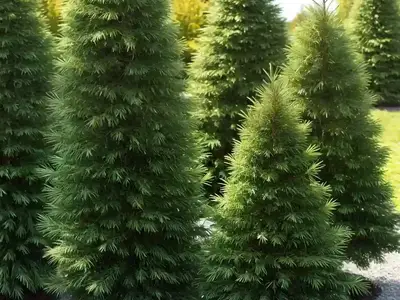
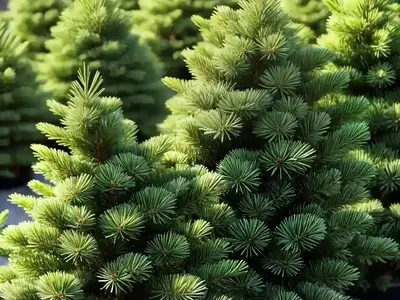
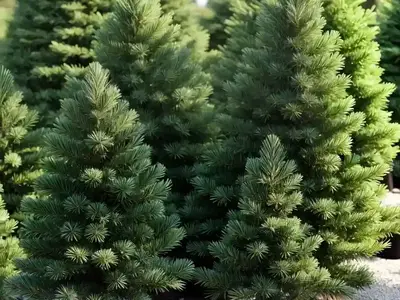
The Balsam Fir is characterized by its slim, spire-like form, with a conical crown that becomes narrower as it reaches the top. Its bark is smooth and grayish-brown, adorned with resin blisters that release a fragrant odor when punctured. The branches are horizontally spreading and bear dark green, flat, needle-like leaves that are arranged in a spiral fashion around the twigs. The cones of Abies balsamea stand upright on the branches and feature distinct bracts that extend beyond the scales.
Balsam Fir Characteristics
The Balsam Fir exhibits several distinctive characteristics, making it a unique addition to any landscape. Some of its key attributes include:
- Aromatic fragrance emitted by its resinous blisters
- Soft, flat, needle-like leaves arranged spirally on the twigs
- Upright cones with prominent bracts
- Conical crown with a slender and spire-like silhouette
Balsam Fir Habitat
Native to North America, the Balsam Fir finds its natural habitat in the cool and moist climate of the northeastern United States and eastern Canada. It thrives in well-drained, acidic soils, often found in mountainous or hilly terrain.
Key Takeaways – Abies balsamea (Balsam Fir)
Before delving deeper into the specifics, here are the key takeaways about Abies balsamea, or Balsam Fir:
- Scientific Name: Abies balsamea
- Family: Pinaceae
- Common Name: Balsam Fir
- Native Habitat: Northeastern North America
- Characteristics: Aromatic foliage, conical crown, spirally arranged flat needles, upright cones with prominent bracts
- Uses: Ornamental, commercial, and medicinal
- Cultural Requirements: Well-drained acidic soil, cool and moist climate, partial to full sunlight
Now, let’s explore the various aspects of cultivating and caring for Abies balsamea.
Culture
Water
Abies balsamea thrives in consistently moist but well-drained soil. When grown in a garden or landscape, it is essential to water the tree regularly, especially during dry spells. However, it is equally important to ensure that the soil does not become waterlogged, as excessive moisture can lead to root rot and other diseases.
Sunlight
The Balsam Fir prefers partial to full sunlight. While young trees may benefit from some shade during the hottest part of the day, mature trees generally thrive in full sunlight. In a natural forest setting, the Balsam Fir often grows beneath the canopy of taller trees, receiving dappled sunlight throughout the day.
Fertilizer
When planting Balsam Fir trees, it is advisable to add a slow-release, acidic fertilizer to the soil to provide essential nutrients for initial growth. Subsequently, Fertilization can be done in early spring before the new growth appears. A balanced fertilizer, specifically formulated for acid-loving plants, is recommended.
Soil
Abies balsamea thrives in acidic soils with a pH level between 4.5 and 6.0. It is crucial to ensure that the soil is well-drained to prevent waterlogging, which can be detrimental to the roots. Adding organic material such as peat moss or compost to the soil can aid in improving drainage and maintaining the desired acidity.
Uses
Ornamental
The Balsam Fir is highly valued for its ornamental qualities, making it a popular choice for landscaping, especially in regions with a cool and moist climate. Its attractive form, aromatic foliage, and tolerance to shade make it an ideal addition to gardens and naturalistic landscapes.
Commercial
Beyond its ornamental value, Abies balsamea is an economically important tree. Its wood is used in construction, particularly for interior paneling, framing, and pulp. The balsam fir oil extracted from its needles is utilized in the production of soaps, perfumes, and as a natural insect repellent.
Medicinal
The resin obtained from the Balsam Fir has been traditionally used for various medicinal purposes. It has been employed as an expectorant in cough syrups, as well as in ointments and salves for its soothing and antiseptic properties.
Pruning
Pruning of Balsam Fir trees is generally minimal and primarily focused on removal of dead, damaged, or diseased branches. It is best to prune in late winter or early spring before new growth begins. Care should be taken to maintain the tree’s natural shape and avoid excessive pruning, which can lead to stress and vulnerability to diseases.
Propagation
The propagation of Abies balsamea can be achieved through several methods, including:
-
Seed Propagation: Balsam Fir seeds can be collected from mature cones and sown in a prepared seedbed. The seeds should be stratified to break dormancy before planting.
-
Cuttings: Softwood stem cuttings can be taken in early summer and rooted in a suitable medium under controlled conditions.
-
Grafting: Various grafting techniques can be employed to propagate specific cultivars or ensure uniformity in seedlings.
Container Popularity
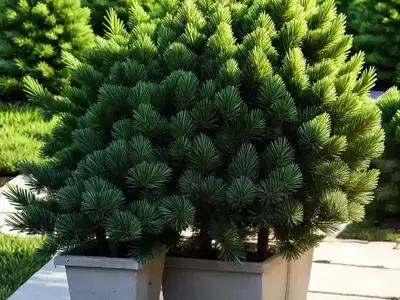
Abies balsamea, with its compact and elegant form, is well-suited for container cultivation. It is often used in urban landscapes and smaller gardens, where its ornamental qualities can be appreciated up close. Container-grown Balsam Firs can also be used to create festive displays during the holiday season.
Common Diseases and Pest Control
Disease Diagnosis
Balsam Fir trees are susceptible to several diseases, including:
-
Needlecast Diseases: Caused by various fungi, needlecast diseases can lead to the premature shedding of needles and overall decline of the tree.
-
Canker Diseases: Canker diseases affect the branches and stems, leading to localized areas of bark necrosis and dieback.
-
Root Rots: Excessive soil moisture can create favorable conditions for root rot pathogens, leading to root decay and subsequent decline of the tree.
Common Pests
Balsam Fir trees can be affected by pests such as:
-
Balsam Woolly Adelgid: This insect infests the tree and can cause deformities, decline, and eventual death if left uncontrolled.
-
Spruce Budworm: Though more commonly associated with spruce trees, spruce budworms can also damage Balsam Firs by feeding on young shoots and needles.
Botanist’s Tips
To prevent and manage diseases and pests, it is important to maintain overall tree health through proper cultural practices, such as watering, fertilization, and pruning. Regular monitoring for signs of diseases and pests can aid in early detection and intervention.
Fun Facts
- The resin of Abies balsamea was historically used by indigenous peoples of North America for its medicinal and aromatic properties.
- Balsam Fir trees are often used as Christmas trees due to their pleasing fragrance and symmetrical shape.
Links to External Resources
For further information about Abies balsamea, the following external resources provide valuable insights and guidance:
In summary, Abies balsamea, or Balsam Fir, is a remarkable tree with diverse uses and ecological significance. From its ornamental value to its commercial and medicinal properties, the Balsam Fir continues to be an important species in both natural and cultivated landscapes. By understanding its cultural requirements, identifying common diseases and pests, and appreciating its distinctive characteristics, we can better appreciate and cultivate this unique conifer species.
In this comprehensive guide, we have explored the fascinating world of Abies balsamea, commonly known as Balsam Fir. From its description and characteristics to its cultural requirements and ecological significance, there is much to appreciate about this remarkable tree. Whether it’s used as an ornamental addition to a garden or for its commercial and medicinal properties, Abies balsamea continues to enchant and inspire us with its unique attributes.
We hope this guide has provided you with valuable insights into the world of Abies balsamea and has inspired you to explore and appreciate the diverse flora that surrounds us.