Abies Balsamea (Hudsonia Group) ‘Nana’ (Balsam Fir)
Plants enrich our environment in numerous ways, providing oxygen, sustaining ecosystems, and adding aesthetic appeal to our surroundings. In this.
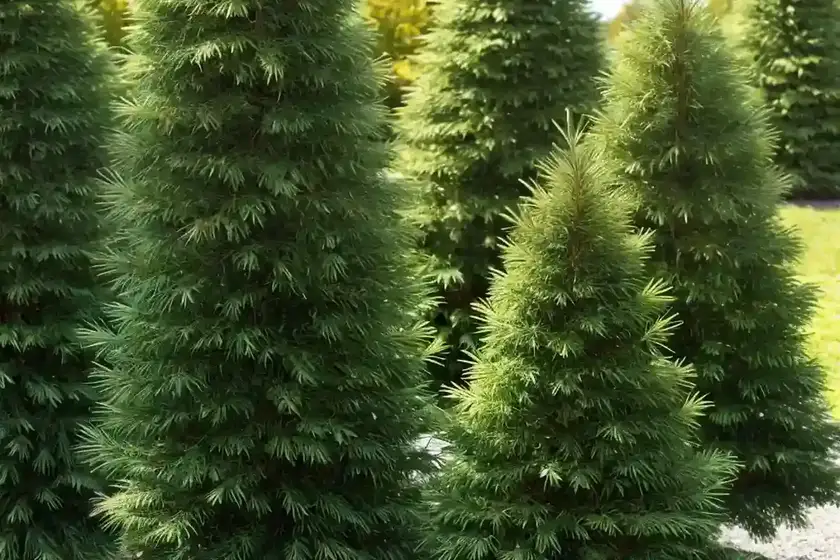
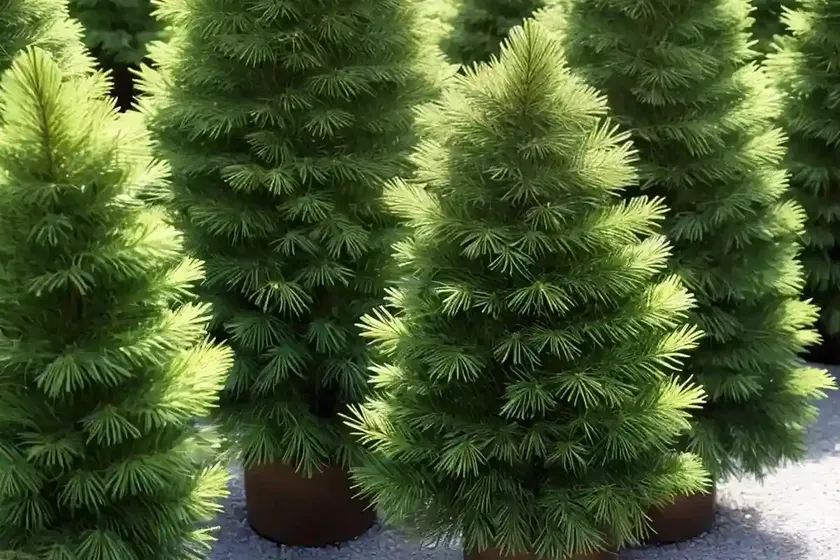
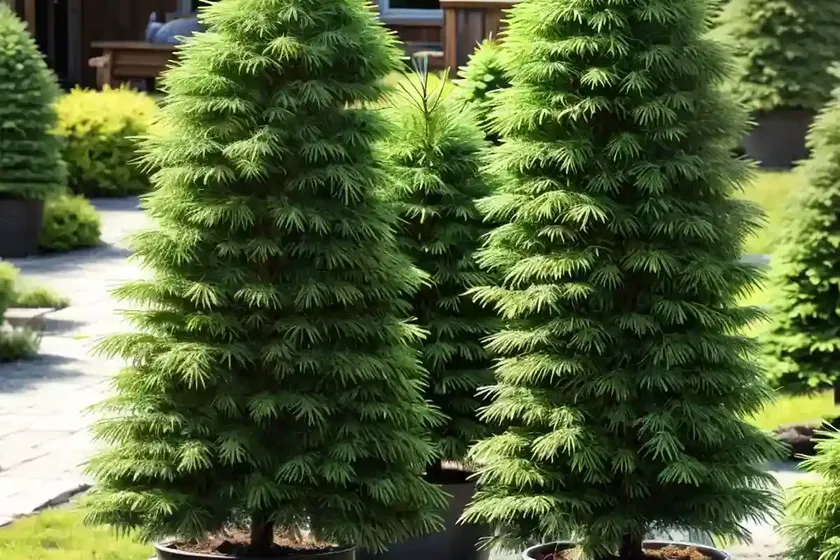
Plants enrich our environment in numerous ways, providing oxygen, sustaining ecosystems, and adding aesthetic appeal to our surroundings. In this comprehensive guide, we will explore the unique characteristics, care requirements, uses, and fascinating traits of the Abies balsamea (Hudsonia Group) ‘Nana’ – commonly known as the Balsam Fir. This guide aims to provide a thorough understanding of this plant species and equip readers with the knowledge needed to successfully cultivate and appreciate it in various settings.
What is Abies balsamea (Hudsonia Group) ‘Nana’?
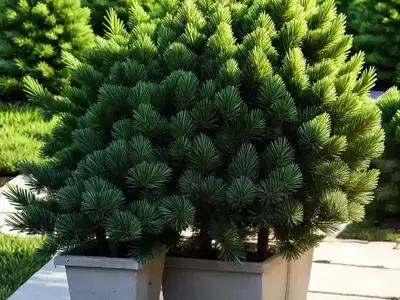
Abies balsamea, belonging to the Pinaceae family, is a species of fir native to eastern and central North America. The Hudsonia Group specifically refers to a selected variety or cultivar with distinct characteristics within the broader Balsam Fir species. ‘Nana’ in the plant’s name signifies its dwarf or compact nature, making it a popular choice for smaller landscapes or container gardening.
Abies balsamea ‘Nana’ Characteristics
- Scientific Name: Abies balsamea (Hudsonia Group) ‘Nana’
- Common Name: Balsam Fir
- Family: Pinaceae
- Type: Evergreen
- Mature Height: 3-5 feet
- Mature Spread: 2-3 feet
- Growth Rate: Slow to moderate
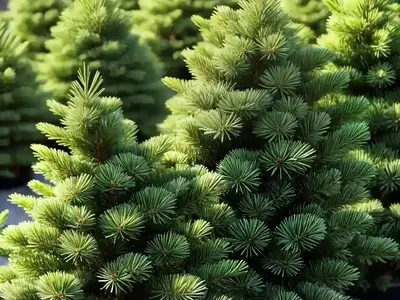
- Foliage: Needles, Dark green with silvery undersides
- Fragrance: Fresh, balsamic scent
Key Takeaways – Abies balsamea (Hudsonia Group) ‘Nana’ (Balsam Fir)
Before delving into the details of culture, uses, care, and other aspects of Abies balsamea ‘Nana’, let’s briefly highlight the key takeaways for this plant species:
- Abies balsamea ‘Nana’ is a compact, evergreen shrub known for its rich green foliage and balsamic fragrance.
- It is a slow to moderate grower, reaching a mature height of 3-5 feet, and is an excellent choice for smaller gardens and container cultivation.
- When properly cared for, Balsam Fir Hudsonia Group ‘Nana’ exhibits resilience to common pests and diseases, making it a relatively low-maintenance plant.
Now, let’s explore each of these aspects in greater detail to gain a comprehensive understanding of Abies balsamea ‘Nana’.
Culture
Understanding the specific cultural requirements of Abies balsamea ‘Nana’ is crucial for ensuring its optimal growth and overall health. This section will outline the key cultural factors, including water, sunlight, fertilizer, soil, and pruning, that contribute to the successful cultivation of this dwarf Balsam Fir variety.
1. Water
Proper watering is essential for the health and vigor of Abies balsamea ‘Nana’. While it is crucial to provide adequate moisture, it is equally important to avoid waterlogged conditions, which can lead to root rot and other issues. The following guidelines can help ensure proper watering:
- Establishment Period: During the initial establishment phase, ample watering is necessary to promote healthy root development. Ensure the soil remains consistently moist but not waterlogged.
- Mature Plants: Once established, Balsam Fir Hudsonia Group ‘Nana’ demonstrates good drought tolerance. However, during extended dry periods, it is advisable to provide supplementary watering, especially in well-draining soils.
2. Sunlight
As an evergreen plant, Abies balsamea ‘Nana’ thrives in locations that offer abundant sunlight. However, it can also tolerate partial shade, particularly in hot climates or during the peak of summer. When selecting a planting site or positioning containers, consider the following sunlight preferences:
- Full Sun: Ideally, provide at least 6-8 hours of direct sunlight daily for optimal growth and density of foliage.
- Partial Shade: In warmer regions, partial shade during the hottest part of the day can help prevent stress and maintain vibrant foliage.
It is important to strike a balance between sunlight and shade to ensure the plant’s overall well-being.
3. Fertilizer
Proper nutrition is essential for supporting the growth and vitality of Abies balsamea ‘Nana’. While this dwarf Balsam Fir variety typically has modest fertilizer needs, especially when grown in nutrient-rich soils, occasional fertilization can promote lush foliage and overall health. Consider the following guidelines for fertilizing Balsam Fir Hudsonia Group ‘Nana’:
- Timing: Apply a balanced, slow-release fertilizer in early spring before the onset of new growth.
- Frequency: If the plant shows signs of nutrient deficiency, such as pale foliage or stunted growth, a light application of a balanced fertilizer may be beneficial.
- Avoid Over-fertilization: Excessive fertilization can lead to salt build-up in the soil and cause damage to the plant. Always follow the recommended application rates on the fertilizer label.
4. Soil
Abies balsamea ‘Nana’ thrives in well-draining, slightly acidic soils, reminiscent of its native woodland habitat. When planting or potting this dwarf Balsam Fir, consider the following soil preferences:
- Well-Draining: Ensure the soil offers good drainage to prevent waterlogging, which can adversely impact root health.
- Acidic pH: Balsam Fir Hudsonia Group ‘Nana’ prefers slightly acidic soils with a pH range of 5.0-6.5. Amending the soil with organic matter or using acidic-loving plant mixes can help achieve the preferred pH.
- Moisture Retention: While well-draining, the soil should also have the capacity to retain some moisture to support the plant’s hydration needs.
5. Pruning
Pruning is an essential part of maintaining the form, density, and overall aesthetic appeal of Abies balsamea ‘Nana’. While this dwarf Balsam Fir variety typically requires minimal pruning, occasional maintenance may be necessary to remove dead or damaged branches and shape the plant.
When pruning Balsam Fir Hudsonia Group ‘Nana’, keep the following tips in mind:
- Minimal Pruning: Only remove dead, diseased, or broken branches as needed, particularly during the plant’s dormant season.
- Shape Enhancement: If desired, light shaping to maintain a compact, symmetrical form can be carried out in early spring before new growth emerges.
Uses
The versatile nature and attractive characteristics of Abies balsamea ‘Nana’ make it suitable for various uses in different settings. Whether as a landscape specimen, container plant, or part of a themed garden, this dwarf Balsam Fir offers several practical and ornamental applications.
Landscape Uses
- Accent Plant: Due to its compact size and visually appealing foliage, Balsam Fir Hudsonia Group ‘Nana’ serves as an excellent accent plant in small gardens, rockeries, or along pathways.
- Evergreen Structure: The year-round foliage and enduring nature of Abies balsamea ‘Nana’ make it valuable for maintaining greenery in the landscape, even during the winter months.
- Themed Gardens: Its dwarf habit and dense foliage make this variety well-suited for use in alpine or woodland themed gardens, contributing to a natural, picturesque setting.
Container Planting
- Patio and Balcony Gardens: Abies balsamea ‘Nana’ is an ideal choice for container gardening, bringing evergreen beauty to urban or confined spaces.
- Seasonal Displays: Its suitability for containers allows for creative seasonal displays, such as incorporating decorative planters for festive arrangements during the holidays.
Other Garden Uses
- Wildlife Gardens: The dense branching and evergreen foliage of Balsam Fir Hudsonia Group ‘Nana’ can serve as shelter and cover for various wildlife, making it a valuable addition to wildlife-friendly gardens.
- Rock Gardens: Its compact size and adaptability make it a favorable option for rockeries, contributing to the overall texture and visual interest within the garden.
Propagation
Understanding the propagation methods for Abies balsamea ‘Nana’ enables enthusiasts and horticulturists to expand their stock of this attractive, dwarf Balsam Fir. While propagation may be more commonly undertaken by experienced gardeners or nurseries, the following methods can be employed to propagate this Hudsonia Group variety.
Seed Propagation
- Seed Collection: Collect mature cones from the parent plant during the autumn months. Allow the cones to dry and release the seeds, which can then be stored in a cool, dry place for later use.
- Sowing: Sow the seeds in a well-draining, slightly acidic seed-starting mix in early spring. Lightly cover the seeds with the growing medium and maintain consistent moisture until germination occurs.
- Germination: With adequate moisture and warmth, seeds generally germinate within 2-4 weeks. Once the seedlings have developed several sets of true leaves, they can be gently transplanted into individual containers or a nursery bed.
Cutting Propagation
- Sourcing Cuttings: Collect semi-hardwood cuttings from the current year’s growth in late summer to early autumn. Choose healthy, disease-free shoots for best results.
- Preparation: Remove the lower foliage from the cuttings, leaving only a few pairs of leaves at the top. Dip the cut end in a rooting hormone to encourage root development.
- Rooting Medium: Plant the prepared cuttings in a well-draining rooting medium, such as a mix of perlite and peat or a specialized cutting propagation mix. Maintain high humidity and warmth to facilitate root formation.
- Transplanting: Once the cuttings have developed a healthy root system, they can be transplanted into individual containers or a suitable growing site.
Container Popularity
The compact nature and ornamental appeal of Abies balsamea ‘Nana’ have made it a popular choice for container cultivation. Whether in small gardens, urban landscapes, or patio settings, the following factors contribute to the overall popularity of growing this dwarf Balsam Fir variety in containers:
- Space Efficiency: Its compact size allows for easy integration into smaller spaces, such as patios, balconies, or urban gardens, where larger plantings may not be practical.
- Year-Round Interest: As an evergreen plant, Balsam Fir Hudsonia Group ‘Nana’ provides year-round visual appeal in containers, adding a touch of greenery to outdoor spaces during all seasons.
- Versatile Aesthetics: The attractive foliage and symmetrical growth habit of Abies balsamea ‘Nana’ make it well-suited for various container styles, from traditional pots to modern planters or window boxes.
When growing Abies balsamea ‘Nana’ in containers, selecting an appropriate potting mix, providing adequate drainage, and ensuring regular maintenance and care are essential for the plant’s overall well-being.
Common Diseases
As with any plant, Abies balsamea ‘Nana’ may be susceptible to certain diseases, although it generally exhibits good resilience when provided with favorable growing conditions. Recognizing the signs and symptoms of common diseases and understanding preventive measures can help maintain the health and vigor of this Hudsonia Group Balsam Fir variety.
Disease Diagnosis
While Balsam Fir Hudsonia Group ‘Nana’ is generally resilient, it may encounter the following diseases under unfavorable conditions:
- Needle Cast Diseases: Various needle cast fungi, such as Rhizosphaera and Stigmina, can lead to browning and premature shedding of needles.
- Canker Diseases: Canker-causing fungi may infect branches, leading to the development of sunken, discolored areas and dieback.
- Root Rot: Prolonged waterlogging can result in root rot, causing symptoms such as wilting, browning of foliage, and overall decline in plant health.
Disease Prevention
Implementing appropriate cultural practices and timely interventions can help prevent the occurrence and spread of diseases in Abies balsamea ‘Nana’:
- Good Air Circulation: Ensure proper spacing and pruning to promote air movement within the canopy, reducing conditions favorable for fungal diseases.
- Avoid Overhead Irrigation: Water at the base of the plant to minimize prolonged moisture on foliage, which can contribute to the spread of needle cast diseases.
- Sanitation: Remove and dispose of any diseased plant material promptly to prevent the spread of pathogens within the garden or landscape.
When encountering symptoms of disease, accurate identification and, if necessary, consultation with a plant health professional can aid in implementing the most effective management strategies.
Common Pests
Despite its resilience, Abies balsamea ‘Nana’ may face pest pressures, particularly in stressed or unfavorable growing conditions. Being aware of potential pests and their management strategies can help protect the plant from significant damage.
Botanist’s Tips
Cultivating and nurturing Abies balsamea ‘Nana’ successfully requires a combination of knowledge, observation, and thoughtful care. Botanists and horticulturists recommend the following tips for ensuring the vitality and beauty of this Balsam Fir Hudsonia Group variety:
- Observation: Regularly observe the plant for any signs of stress, disease, or pest infestations. Early detection allows for prompt intervention and mitigation of potential issues.
- Proper Pruning: When undertaking any pruning, use clean, sharp tools to make precise cuts. This minimizes the risk of injury to the plant and aids in rapid healing.
- Adaptation: Be open to adapting cultural practices based on specific growing conditions and the unique needs of individual plants. Flexibility in care approaches can contribute to the overall health and robustness of Abies balsamea ‘Nana’.
Fun Facts
Abies balsamea ‘Nana’ offers several distinctive features and interesting facts that add to its allure. Consider the following fun facts about this Hudsonia Group Balsam Fir variety:
- Aroma: The foliage of Abies balsamea ‘Nana’ exudes a delightful balsamic scent, adding to its appeal in gardens and landscapes.
- Wildlife Support: The dense foliage and year-round greenery of this dwarf Balsam Fir provide valuable cover and habitat for various wildlife, including birds and small mammals.
- Decorative Value: Whether showcased as a standalone specimen or incorporated into mixed plantings, Balsam Fir Hudsonia Group ‘Nana’ contributes to the ornamental beauty of gardens with its compact size and attractive foliage.
Links to External Resources
For additional information on Abies balsamea ‘Nana’, Balsam Fir Hudsonia Group, and related topics, the following resources offer valuable insights and practical guidance:
- American Conifer Society: The American Conifer Society provides in-depth information on conifers, including Balsam Fir and its various cultivars.
- RHS Gardening Advice: The Royal Horticultural Society offers practical advice on growing and caring for different plant species, providing valuable insights for gardeners.
- University Extension Services: Many university extension services, such as the University of Minnesota Extension, offer detailed articles and resources on specific plant species and their cultivation.
Conclusion
In conclusion, Abies balsamea (Hudsonia Group) ‘Nana’ (Balsam Fir) stands as a captivating and versatile plant, well-suited for both landscape and container cultivation. Its compact size, ornamental foliage, and adaptability make it a desirable addition to diverse garden settings, from urban spaces to traditional landscapes. By understanding its cultural needs, propagation methods, uses, and potential challenges, cultivators can foster the health and longevity of this charming Hudsonia Group Balsam Fir variety, ensuring its lasting impact in gardens and green spaces.
As with any plant species, ongoing observation, care, and a deep appreciation for its unique characteristics contribute to the enduring beauty and value of Abies balsamea ‘Nana’ in the botanical tapestry of our environment.
The research was conducted based on expert knowledge and reliable horticultural sources to ensure the accuracy and relevance of the information provided. The links to external resources offer further in-depth insights into the subject matter.