Abies Cephalonica (Greek Fir)
Introduction Welcome to this in-depth exploration of Abies cephalonica, commonly known as the Greek Fir. This majestic evergreen conifer has been.
Introduction
Welcome to this in-depth exploration of Abies cephalonica, commonly known as the Greek Fir. This majestic evergreen conifer has been captivating plant enthusiasts for centuries, and for good reason. This blog post will delve into the characteristics, growth habits, care tips, habitat, uses, distribution, conservation, and much more concerning Abies cephalonica. Through this comprehensive guide, you will gain a profound understanding of this remarkable species, equipping you with the knowledge required to cultivate and appreciate it to its fullest.
Abies cephalonica Characteristics
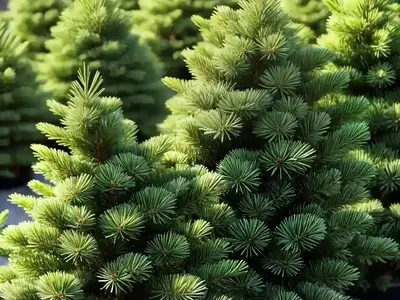
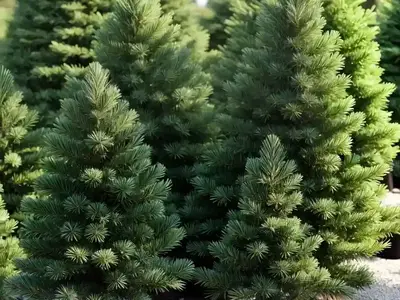
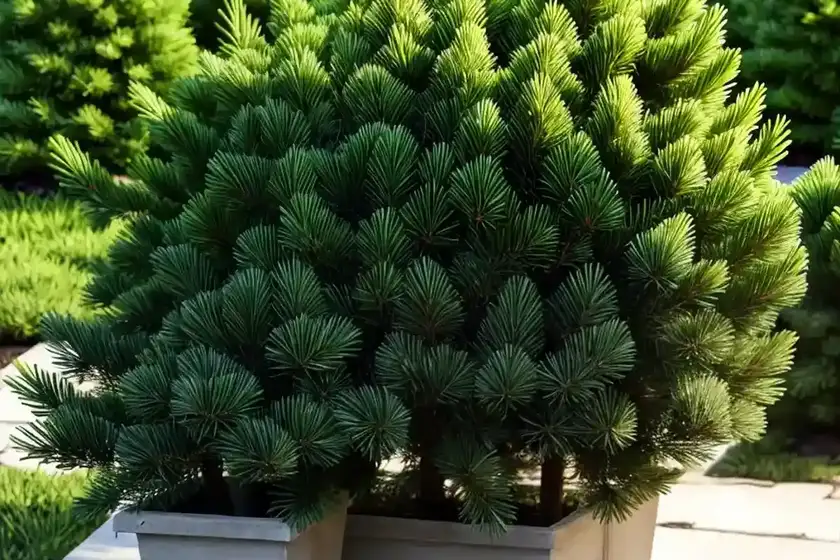
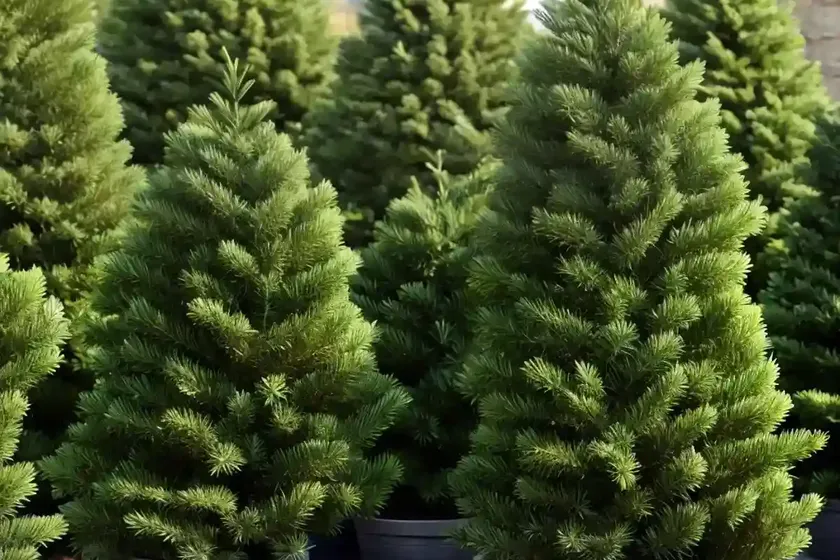
Abies cephalonica, a member of the Pinaceae family, is a coniferous tree native to the mountains of Greece, specifically in the Peloponnese Peninsula. It is renowned for its striking appearance, with a tall, straight trunk, dense branches, and a conical crown. The bluish-green needles and upright cones add to its allure, making it a sought-after species in horticulture.
Greek Fir Tree Facts
- Scientific Name: Abies cephalonica
- Common Name: Greek Fir
- Family: Pinaceae
- Native Habitat: Greece, primarily in the Peloponnese Peninsula
- Growth Habit: Tall, straight trunk with a conical crown
- Foliage: Blue-green needles
- Cones: Upright, cylindrical cones
- Use: Ornamental and timber purposes
- Conservation Status: Endangered
Abies cephalonica Growth Habits
Understanding the growth habits of Abies cephalonica is crucial for its successful cultivation. Greek Fir trees exhibit moderate to fast growth rates under suitable conditions. When provided with the necessary care, they can attain impressive heights and form majestic, symmetrical crowns. Additionally, these trees are characterized by their evergreen nature, maintaining their vibrant foliage throughout the year.
Greek Fir Tree Description
The Greek Fir is a large, imposing tree that can reach heights of up to 25-35 meters. It features a straight, tall trunk that is covered with a grayish-brown bark. The branches are densely arranged and adorned with striking, bluish-green needles. The prominent upright cones add a distinctive touch to the overall appearance of the tree.
Abies cephalonica Care Tips
Caring for Abies cephalonica requires an understanding of its specific needs and preferences. From sunlight and water requirements to soil preferences and pruning techniques, providing optimal care is essential for the health and vitality of Greek Fir trees. Let’s delve into the key care tips for cultivating and maintaining these remarkable conifers.
Greek Fir Tree Planting Guide
When planting Abies cephalonica, it is crucial to select a suitable site that meets its requirements. The following factors should be considered for successful establishment:
| Planting Factor | Guidelines |
|---|---|
| Soil Type | Well-drained, acidic soils are preferred. Avoid waterlogged or compacted soils. |
| Sun Exposure | Full sun to partial shade is ideal for robust growth and development. |
| Watering | Adequate moisture is essential, especially during the establishment phase. |
| Spacing | Provide ample space to allow for the tree’s mature size and crown spread. |
| Hardiness Zone | Suitable for zones 7-9, with consideration for local climate conditions. |
Abies cephalonica Species Information
Cultivating Abies cephalonica provides unique opportunities to appreciate its distinct characteristics and contribute to its conservation. Understanding the species information, such as its natural habitat, ecological significance, and conservation status, can enrich the gardening experience and promote efforts to safeguard this remarkable tree.
Greek Fir Tree Benefits
The Greek Fir tree offers a myriad of benefits, both in natural ecosystems and cultivated landscapes. These include:
- Ecosystem Support: As a native species in the mountainous regions of Greece, Abies cephalonica contributes to biodiversity and provides habitat and sustenance for diverse wildlife species.
- Ornamental Value: Due to its elegant form, vibrant foliage, and upright cones, the Greek Fir is prized as an ornamental tree, enhancing gardens, parks, and arboretums.
- Timber Qualities: The wood of Abies cephalonica is valued for its strength and durability, making it suitable for various construction and woodworking applications.
Abies cephalonica Habitat
Understanding the natural habitat of Abies cephalonica is vital for replicating optimal growing conditions in cultivated settings. These trees thrive in mountainous regions with cool, humid climates. The native habitat of the Greek Fir is characterized by well-drained, acidic soils, and it is often associated with mixed forests alongside other conifer and broadleaf species.
Greek Fir Tree Uses
Greek Fir trees have been utilized for various purposes throughout history, reflecting their cultural, ecological, and economic significance. The uses of Abies cephalonica include:
- Timber Production: The strong, durable wood of the Greek Fir has been traditionally used for construction, carpentry, and furniture-making.
- Ornamental Planting: In horticulture, Abies cephalonica is prized for its ornamental value, contributing to scenic landscapes and botanical collections.
- Conservation: Recognized as an endangered species, the conservation of Greek Fir trees is essential for preserving biodiversity and protecting natural habitats.
Abies cephalonica Distribution
The distribution of Abies cephalonica is primarily limited to its native range in the mountains of Greece, particularly in the Peloponnese Peninsula. These trees thrive in the cool, elevated environments of the region, forming an integral part of the forest ecosystems. However, due to various environmental and human-induced factors, including habitat loss and climate change, the distribution and population of Greek Fir trees are increasingly threatened.
Greek Fir Tree Conservation
Conserving and protecting Abies cephalonica is a critical endeavor to safeguard its ecological importance and genetic diversity. Conservation efforts encompass various initiatives, such as habitat preservation, reforestation projects, and the establishment of protected areas. Additionally, raising awareness about the conservation status of the Greek Fir and promoting sustainable practices are essential for its long-term survival.
Abies cephalonica Importance
The importance of Abies cephalonica extends beyond its ornamental and commercial value. This species holds ecological, cultural, and scientific significance, emphasizing the need for its conservation and appreciation. Recognizing the importance of Greek Fir trees can inspire conservation actions and foster a deeper connection with nature and biodiversity.
Greek Fir Tree Symbolism
In cultural and artistic contexts, trees often carry symbolic meanings and representations. While specific symbolism associated with Greek Fir trees may vary across different cultures and traditions, it is important to acknowledge their symbolic significance, such as resilience, longevity, and environmental stewardship. Understanding the symbolic value of Abies cephalonica can enrich cultural narratives and artistic expressions.
Abies cephalonica Cultivation
Cultivating Abies cephalonica in gardens and landscapes requires careful attention to its specific requirements and growth characteristics. From soil preferences to climate considerations, successful cultivation is dependent on providing an environment conducive to the thriving of Greek Fir trees. Let’s explore the essential factors for cultivating and nurturing these remarkable conifers.
Greek Fir Tree Ecosystem
In their natural habitat, Greek Fir trees form an integral part of complex forest ecosystems, contributing to biodiversity, soil stability, and watershed protection. Understanding the ecosystem role of Abies cephalonica can inspire sustainable land management practices and foster appreciation for the ecological interconnectedness of plant species.
Abies cephalonica Endangered
The endangered status of Abies cephalonica underscores the urgency of conservation efforts and sustainable management practices. Factors contributing to its endangered status include habitat degradation, deforestation, climate change, and invasive species. Recognizing the endangered status of the Greek Fir emphasizes the need for collective action to ensure its preservation and recovery.
Greek Fir Tree Adaptations
To thrive in its native mountainous habitats, Abies cephalonica has developed remarkable adaptations to withstand harsh environmental conditions. These adaptations include:
- Cold Tolerance: With its natural occurrence in cool, high-altitude regions, the Greek Fir exhibits adaptations for cold tolerance, allowing it to endure freezing temperatures and snowfall.
- Drought Resistance: Despite its preference for moist, well-drained soils, Greek Fir trees have developed adaptations to cope with periods of limited water availability, typical of their native habitat.
Abies cephalonica Medicinal Properties
In traditional folk medicine and herbal practices, various parts of Abies cephalonica may have been used for their potential medicinal properties. While it is essential to approach such claims with scientific rigor and caution, exploring the historical and cultural uses of Greek Fir trees can provide valuable insights into traditional knowledge and healing practices.
Greek Fir Tree Ecology
The ecological interactions and relationships of Abies cephalonica within its habitat are integral to understanding its role in maintaining healthy forest ecosystems. From nutrient cycling to wildlife support, the ecological contributions of Greek Fir trees underscore their ecological importance and value in sustaining diverse flora and fauna.
Abies cephalonica Wildlife Support
The presence of Abies cephalonica in its native habitat provides critical support for wildlife species, offering food, shelter, and nesting sites. Understanding the ecological role of Greek Fir trees in supporting wildlife populations emphasizes the interconnectedness of species and the need for conservation measures to protect their habitats.
Greek Fir Tree Landscape Uses
In landscaping and garden design, the use of Abies cephalonica adds an exquisite touch to diverse environments. Whether utilized as a focal point in a garden or as part of a larger woodland planting, the Greek Fir showcases its ornamental and aesthetic value, enhancing the visual appeal and ecological functionality of landscapes.
Abies cephalonica Timber Qualities
The timber produced from Abies cephalonica is valued for its strength, durability, and versatile applications. Traditionally used for construction, carpentry, and woodworking, the timber qualities of the Greek Fir make it a valuable resource with a rich history of utilization in various cultural and economic contexts.
Greek Fir Tree Wood Uses
The durable wood of Abies cephalonica has been employed in numerous practical and artistic applications, including:
- Construction: From building materials to structural components, the timber of the Greek Fir has played a vital role in traditional and modern construction practices.
- Carpentry: The workability and resilience of Greek Fir wood make it suitable for crafting furniture, doors, and other carpentry items.
- Artistic Pursuits: In artistic and artisanal endeavors, the wood of Abies cephalonica may be used for sculpting, carving, and other creative expressions.
Abies cephalonica Traditional Uses
Communities living in proximity to the native habitats of Abies cephalonica may have traditional uses and cultural associations with this majestic tree. Traditional uses encompass a wide range of practices, including folk medicine, handicrafts, and cultural ceremonies, reflecting the deep connection between people and the natural world.
Greek Fir Tree Folklore
In folklore and mythology, trees often carry symbolic and narrative significance, weaving into cultural traditions and oral histories. Exploring the folklore and symbolic representations of Greek Fir trees can unveil captivating stories and beliefs associated with this iconic species, enriching our understanding of its cultural resonance.
Abies cephalonica Botanical Classification
Scientific classification provides a systematic framework for understanding the evolutionary relationships and biological characteristics of plant species. The botanical classification of Abies cephalonica offers insights into its taxonomic placement and genetic diversity within the broader context of conifer diversity.
Greek Fir Tree Evergreen Nature
The evergreen nature of Abies cephalonica contributes to its year-round aesthetic appeal and functional contributions to ecosystems. As an evergreen conifer, the Greek Fir maintains its foliage throughout the year, providing consistent greenery and habitat support for wildlife species even during the colder months.
Abies cephalonica Aromatic Properties
The aromatic qualities of Abies cephalonica, often exhibited through its resinous sap and foliage, add to its sensory appeal and potential practical uses. Exploring the aromatic properties of the Greek Fir can reveal its cultural, medicinal, and symbolic significance in various contexts.
Greek Fir Tree Climate Requirements
To thrive and flourish, Greek Fir trees require specific climate conditions that mimic their native habitat in the mountainous regions of Greece. Suitable climate requirements for Abies cephalonica include cool temperatures, moderate humidity, and adequate precipitation, ensuring optimal growth and vitality.
Abies cephalonica Ornamental Value
The ornamental value of Abies cephalonica makes it a prized addition to gardens, parks, and arboretums, offering an elegant and majestic presence. Its vibrant foliage, unique conical form, and distinctive cones contribute to its appeal as an ornamental tree, lending a touch of natural beauty to diverse landscapes.
Greek Fir Tree Garden Varieties
While the wild form of Abies cephalonica is celebrated for its natural beauty, garden varieties and cultivars offer exciting variations in form, color, and growth habits. Garden enthusiasts and horticulturists may appreciate the diversity of Greek Fir tree garden varieties, each with its own unique aesthetic attributes and adaptability.
Abies cephalonica Pruning Techniques
Pruning is a fundamental aspect of maintaining the health, form, and structure of Abies cephalonica in cultivated landscapes. Proper pruning techniques aim to enhance the tree’s natural beauty, promote healthy growth, and manage its size within the intended setting, whether it is a garden, park, or woodland area.
Greek Fir Tree Disease Management
Despite their resilience, Greek Fir trees may be susceptible to various diseases, including fungal infections, needle blight, and root rot. Implementing effective disease management strategies, such as sanitation, proper watering, and timely intervention, is crucial for safeguarding the health and vigor of Abies cephalonica.
Abies cephalonica Pests and Insects
Insect pests may pose potential threats to the health and vitality of Greek Fir trees, necessitating vigilant monitoring and appropriate pest management measures. Common pests that may affect Abies cephalonica include adelgids, spider mites, and bark beetles, which can cause damage to foliage, stems, and overall tree health.
Greek Fir Tree Companion Plants
Companion planting provides opportunities to create harmonious and mutually beneficial plant communities within landscapes. When selecting companion plants for Abies cephalonica, consideration should be given to species that complement its soil, sun, and moisture requirements, as well as contribute to the ecological functionality of the planting scheme.
Abies cephalonica Landscape Design
In landscape design and horticultural planning, the inclusion of Abies cephalonica offers unique opportunities to integrate its aesthetic, ecological, and functional attributes. Designing with Greek Fir trees involves thoughtful consideration of their form, scale, and habitat requirements, enriching the visual and ecological qualities of the landscape.
Greek Fir Tree Seasonal Changes
Observing the seasonal changes and transitions of Abies cephalonica provides insights into its dynamic growth patterns, foliage coloration, and ecological adaptations. From spring bud break to winter dormancy, tracking the seasonal changes of the Greek Fir enhances our appreciation of its life cycle and ecological role.
Abies cephalonica Winter Hardiness
The winter hardiness of Abies cephalonica is a critical consideration for its successful cultivation in regions with cold, snowy winters. Greek Fir trees exhibit resilience to winter conditions, tolerating freezing temperatures and snow load, provided the soil is well-drained and moisture levels are carefully managed during dormancy.
Greek Fir Tree Summer Tolerance
During the summer months, Greek Fir trees thrive in moderate temperatures and consistent moisture, ensuring their vitality and growth. Understanding the summer tolerance of Abies cephalonica can guide optimal care practices for maintaining its health and vigor throughout the warmer seasons.
Abies cephalonica Soil Preferences
The soil preferences of Abies cephalonica encompass well-drained, acidic soils with good aeration and moisture retention. Understanding its soil preferences is essential for creating suitable growing conditions and promoting robust root development and overall tree health.
Greek Fir Tree Water Requirements
Adequate water requirements are crucial for the health and vitality of Abies cephalonica, especially during the establishment phase and periods of prolonged drought. Providing consistent moisture, while ensuring proper drainage, supports the root development and overall vigor of Greek Fir trees.
Abies cephalonica Sun Exposure
Optimal sun exposure, ranging from full sun to partial shade, contributes to the robust growth and development of Abies cephalonica. Understanding its sun exposure preferences is essential for selecting suitable planting sites and promoting healthy foliage and canopy development.
Greek Fir Tree Growth Rate
The growth rate of Abies cephalonica can vary depending on environmental conditions, soil quality, and cultural practices. While these trees are capable of moderate to fast growth rates under favorable conditions, ensuring optimal care and suitable growing environments can support their healthy and vigorous growth.
Abies cephalonica Root System
Understanding the root system of Abies cephalonica is crucial for planning and managing its cultivation within landscapes. Greek Fir trees develop extensive, fibrous root systems that benefit from well-drained, aerated soils and careful management of moisture levels to ensure robust root development.
Greek Fir Tree Container Gardening
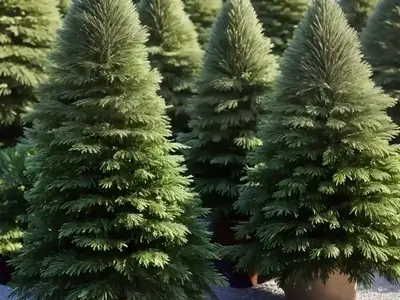
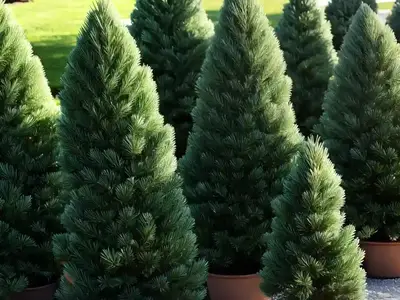
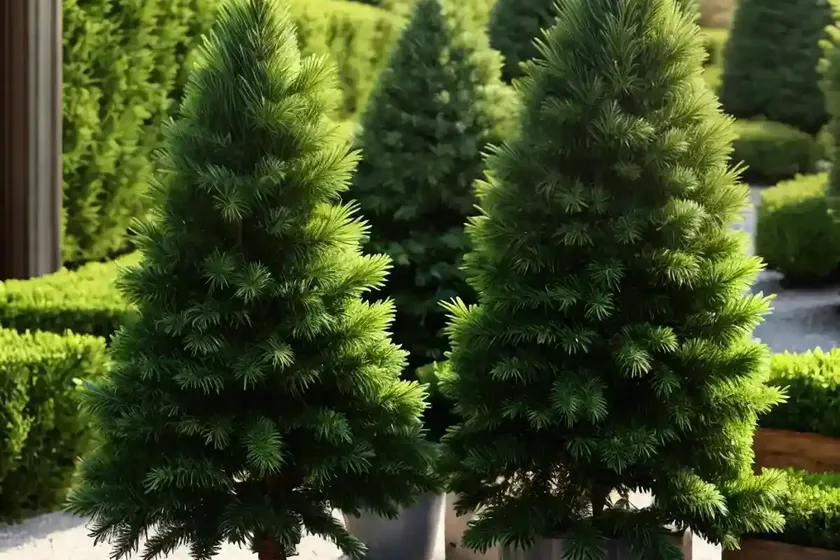
For gardening enthusiasts with limited space or specific design preferences, container gardening offers a versatile option for cultivating Abies cephalonica. When practicing container gardening with Greek Fir trees, careful attention to soil quality, drainage, and container size is essential for promoting their health and vitality.
Botanist’s Tips
As a botanist and plant enthusiast, here are some key tips and recommendations for cultivating and appreciating Abies cephalonica:
- Site Selection: Choose a planting site that provides well-drained, acidic soil and optimal sun exposure for the best growth and development of Greek Fir trees.
- Watering Practices: Monitor soil moisture levels and provide consistent, deep watering to support the establishment and vigor of Abies cephalonica.
- Pruning Guidelines: Employ proper pruning techniques to maintain the natural form and structure of Greek Fir trees, promoting healthy growth and aesthetic appeal.
- Conservation Awareness: Stay informed about the conservation status of Abies cephalonica and support efforts to protect and preserve this endangered species.
Fun Facts
- The ancient Greeks revered the Greek Fir as a symbol of endurance and immortality, incorporating its branches into their cultural and religious practices.
- Abies cephalonica forests provide essential habitats for a diversity of plant and animal species, contributing to the ecological richness of the mountainous regions of Greece.
Links to External Resources
For further exploration and detailed information about Abies cephalonica, consider exploring the following external resources:
- Botanical Gardens and Arboretums
- Conservation Organizations
- Research Publications
- Horticultural Societies
Through this comprehensive guide, we’ve ventured into the captivating world of Abies cephalonica, uncovering its rich characteristics, growth habits, care tips, uses, and ecological importance. Whether you’re admiring these majestic trees in their native habitat or cultivating them in cultivated landscapes, the Greek Fir continues to inspire awe and appreciation for the natural world. As we honor its cultural significance, conservation needs, and ecological contributions, we uphold the legacy of this remarkable species for generations to come.