Zinnia (Zinnia)
Zinnias are vibrant, colorful flowers that add beauty and a touch of cheer to any garden or landscape. Belonging to the daisy family, Asteraceae, Zinnias.
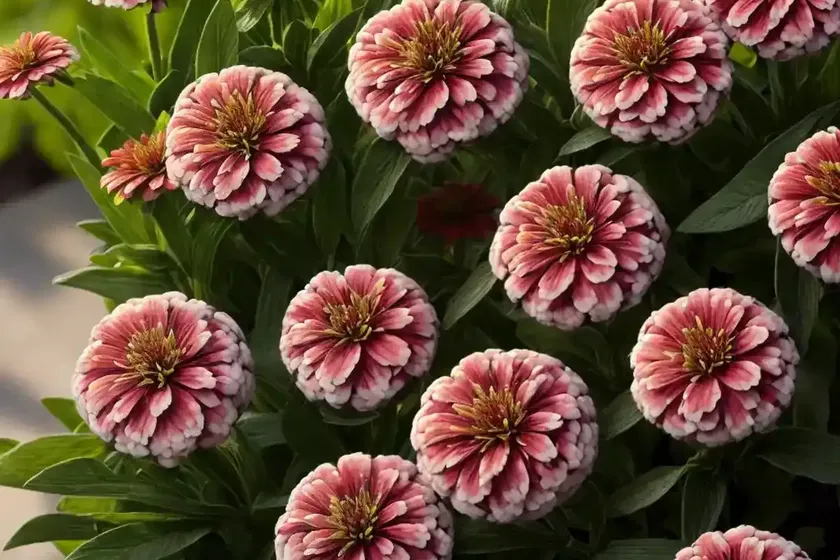
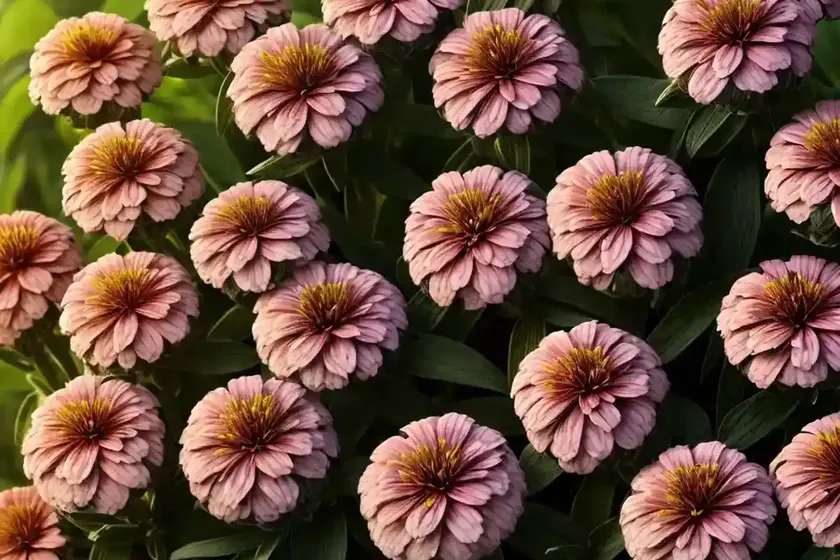
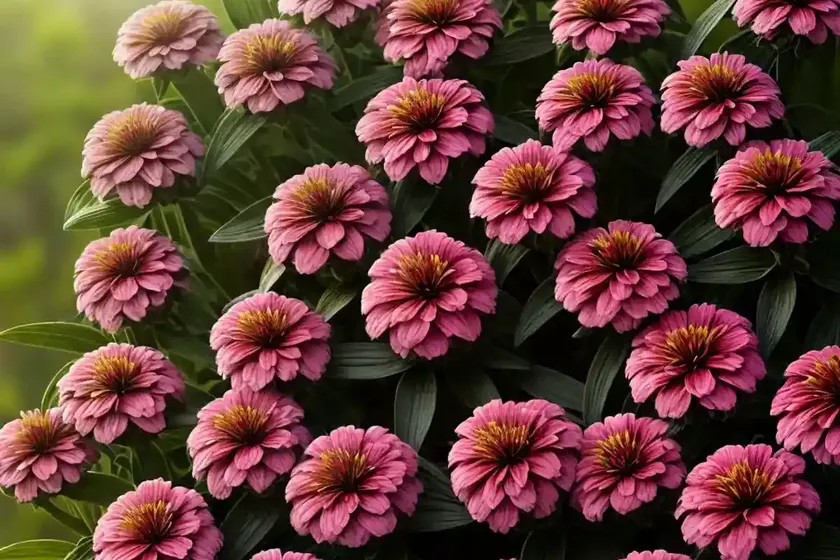
Zinnias are vibrant, colorful flowers that add beauty and a touch of cheer to any garden or landscape. Belonging to the daisy family, Asteraceae, Zinnias are popularly known for their diverse range of shapes, sizes, and colors. From their attractive blooms to their ease of care, Zinnias have become a favorite among gardeners and flower enthusiasts. This blog post will delve into the various aspects of Zinnia plants, including their culture, uses, care requirements, and much more.
Let’s explore the enchanting world of Zinnias and all that they have to offer.
What is Zinnia?
Zinnia (Zinnia elegans), also known as youth-and-old-age, is an annual flowering plant native to Mexico. The genus Zinnia, named after the 18th-century German botanist Johann Zinn, comprises several species, with Zinnia elegans being the most popular and widely cultivated. Zinnias are characterized by their solitary, daisy-like flower heads, which come in a spectrum of vibrant colors, including pink, red, orange, yellow, and purple. These cheerful blossoms attract butterflies, hummingbirds, and other pollinators, making them a delightful addition to any garden or landscape. Zinnia flowers have a long vase life, making them ideal for cut flower arrangements and bouquets.
Key Takeaways – Zinnia (Zinnia)
Let’s start by summarizing some key points about Zinnia plants, which will be explored in detail throughout this blog post.
- Zinnias are known for their: vibrant flowers, diverse colors, and broad range of varieties.
- Zinnias can be: annual or perennial, and are commonly used in gardens, landscapes, and floral arrangements.
- Zinnias require: adequate sunlight, well-draining soil, and regular watering for optimal growth and bloom production.
- Zinnias are susceptible to: specific diseases and pests, which can impact their health and vitality.
Now, let’s move on to understand the culture and uses of Zinnia plants, providing insight into their growth, care, and practical applications.
Culture
Zinnias have a rich cultural history and are esteemed for their role as a symbol of endurance and lasting affection. Originating from the hot, dry regions of Mexico, Zinnias have adapted to a variety of climate conditions and have become a beloved garden staple in many parts of the world. From their popularity in floral arrangements to their significance in traditional herbal medicine, Zinnias have left an indelible mark on human culture and society.
Uses
The uses of Zinnia plants are diverse and multifaceted. From their ornamental value to their medicinal properties, Zinnias have carved out a niche for themselves in various domains. Let’s explore some of the primary uses of Zinnia plants.
- Ornamental Purposes: Zinnias are mainly cultivated for their decorative value. Their striking blooms are showcased in gardens, parks, and floral displays to add vibrant splashes of color.
- Cut Flowers: Zinnias are popular as cut flowers due to their long vase life. They are often featured in bouquets and floral arrangements, both in homes and at events.
- Attracting Pollinators: Zinnia flowers are known to attract butterflies, hummingbirds, and bees, making them a valuable addition to pollinator gardens.
- Medicinal Properties: Some species of Zinnia have been used in traditional medicine for their purported healing properties, though scientific research in this area is ongoing.
- Wildlife Habitat: Zinnias contribute to creating a favorable habitat for wildlife, such as butterflies and birds, thereby enriching the ecological landscape.
These diverse uses highlight the versatility and cultural significance of Zinnia plants.
Plant Care
Caring for Zinnia plants involves understanding their specific requirements in terms of water, sunlight, soil, and other essential factors. By providing the right conditions and maintenance, gardeners can ensure healthy growth and abundant blooms. Let’s delve into the intricacies of Zinnia plant care.
Water
Proper watering is crucial for the health and vigor of Zinnia plants. Here are some key points to consider regarding water requirements for Zinnias:
- Frequency: Zinnias prefer consistently moist soil, especially during their initial growth stages. However, they are susceptible to root rot if overwatered, so it’s essential to strike a balance.
- Soil Drainage: Well-draining soil is important to prevent waterlogging, which can lead to root diseases and other issues.
- Watering Method: Direct watering at the base of the plant is preferred to avoid wetting the foliage, which can increase the risk of fungal diseases.
Sunlight
Zinnias thrive in sunlight and require ample light exposure to achieve optimal growth and bloom production. Here are some key considerations related to sunlight requirements for Zinnias:
- Sun Exposure: Zinnias should be planted in locations that receive full sunlight, which translates to at least 6-8 hours of direct sunlight per day.
- Shade Tolerance: While Zinnias love sunlight, they can tolerate light shade, particularly in hot climates where some protection from intense midday sun can be beneficial.
Fertilizer
Fertilizing Zinnia plants contributes to their overall health and flower production. Here are some essential points to consider when fertilizing Zinnias:
- Type of Fertilizer: A balanced, all-purpose fertilizer with equal parts of nitrogen, phosphorus, and potassium (N-P-K) can be applied to promote healthy foliage and abundant blooms.
- Application Frequency: Fertilize Zinnias every 4-6 weeks during the growing season, but avoid excessive fertilization as it can lead to lush foliage at the expense of flowers.
Soil
The quality and composition of the soil play a vital role in the growth and blooming of Zinnias. Consider the following aspects when it comes to soil requirements for Zinnias:
- Well-Draining Soil: Zinnias thrive in well-draining soil to prevent waterlogging, which can cause root rot.
- Soil pH: Zinnias prefer a neutral to slightly acidic soil pH in the range of 6.0-7.5.
- Soil Amendments: Adding organic matter, such as compost, to the soil can enhance its structure and fertility, benefiting the growth of Zinnia plants.
Pruning
Pruning can help maintain the shape and promote flowering in Zinnia plants. Here are some key points to consider regarding pruning Zinnias:
- Deadheading: Regular deadheading of spent blooms can encourage continuous blooming and prevent the plant from expending energy on seed production.
- Pruning Leggy Growth: Trimming back leggy or overly tall stems can promote a more compact, bushy growth habit.
Propagation
Zinnias can be propagated through various methods, allowing gardeners to expand their Zinnia collection or share plants with others. Consider the following propagation techniques for Zinnias:
- Seed Propagation: Zinnias are commonly grown from seeds, which can be sown directly into the garden soil or started indoors for early blooms.
- Division: Some perennial Zinnia species can be propagated through division, where the root clumps are separated and replanted to create new plants.
Container
Zinnias can thrive in containers, adding a burst of color to balconies, patios, and other small spaces. Here are some essential considerations for growing Zinnias in containers:
- Container Size: Choose a container that provides ample space for the root system to grow and develop.
- Drainage Holes: Ensure that the container has proper drainage holes to prevent water from accumulating at the bottom, which can lead to root rot.
- Soil Quality: Use a well-draining potting mix to support the growth of Zinnia plants in containers.
Popularity
The popularity of Zinnia plants can be attributed to their striking blooms, easy cultivation, and versatility in various settings. Whether in home gardens, public parks, or floral arrangements, Zinnias have captured the hearts of many due to their widespread appeal and visual impact.
In garden settings, Zinnias are prized for their ability to attract pollinators, add vibrant colors to the landscape, and thrive in a range of climatic conditions. Their resilience makes them a favorite among beginner and seasoned gardeners alike.
Common Diseases
Zinnia plants are susceptible to specific diseases that can impact their overall health and vitality. Identifying and addressing common diseases is crucial to maintaining the well-being of Zinnias.
Disease Diagnosis
Some of the common diseases that affect Zinnias include:
- Powdery Mildew: Characterized by a powdery white growth on the leaves and stems, powdery mildew can weaken the plant and reduce its aesthetic appeal.
- Leaf Spot: Leaf spot diseases cause dark spots or lesions on the leaves, leading to premature leaf drop and reduced photosynthetic capacity.
- Root Rot: Overly wet conditions or poorly draining soil can lead to root rot, causing wilting, yellowing foliage, and overall decline in the plant’s health.
Regular monitoring and prompt action can help prevent the spread of diseases and minimize their impact on Zinnia plants.
Common Pests
In addition to diseases, Zinnias can also fall victim to various pests, which can damage the foliage and affect bloom production if left unchecked.
Some common pests that pose a threat to Zinnia plants include:
- Aphids: These tiny, soft-bodied insects feed on the sap of plants and can cause distorted growth and yellowing of leaves.
- Spider Mites: Spider mites are small arachnids that can infest the undersides of leaves, leading to stippling and discoloration.
- Caterpillars: Certain caterpillar species can feed on Zinnia leaves, leading to unsightly damage and reduced plant vigor.
Implementing pest control measures, such as natural predators or horticultural oils, can help manage pest infestations while minimizing the use of chemical pesticides.
Botanist’s Tips
To help you make the most of your experience with Zinnia plants, here are some valuable tips from botanists and experienced gardeners:
- Choose the Right Variety: Select Zinnia varieties that are well-suited to your climate and growing conditions to ensure successful cultivation.
- Support Pollinators: Embrace Zinnias as a means of supporting pollinators in your garden, creating a vibrant and ecologically diverse landscape.
- Practice Deadheading: Regular deadheading can prolong the blooming period of Zinnias and promote abundant flower production.
These insights can guide you in nurturing healthy and thriving Zinnia plants in your garden.
Fun Facts
Here are some intriguing and entertaining facts about Zinnia plants that showcase their charm and appeal:
- NASA Connection: Zinnias were grown on the International Space Station as part of an experiment to understand plant growth in microgravity environments.
- Butterfly Magnet: Zinnias are known for their ability to attract butterflies, making them a beloved addition to butterfly gardens.
- Edible Flowers: Zinnia flowers are edible, with a slightly sweet flavor, and can be used to garnish salads or desserts.
These fun facts add an extra layer of fascination to the enchanting world of Zinnias.
Links to External Resources
For further exploration of Zinnia plants and related topics, here are some valuable external resources:
-
Zinnia Elegans: An Incredible Array of Colors – This comprehensive guide provides insights into caring for Zinnia elegans, emphasizing its color diversity and care requirements.
-
Zinnia Flowers: Types and Growing Guide – The Old Farmer’s Almanac offers a detailed growing guide for Zinnia flowers, including information on different types and varieties.
-
Zinnias: From Seed to Flower – The University of Minnesota Extension presents a thorough overview of growing Zinnias from seed to flower, covering essential aspects of cultivation.
-
Managing Pests and Diseases of Zinnias – The North Carolina State University Extension provides valuable guidance on managing pests and diseases that affect Zinnia spp. in cut flower production and landscaping.
These resources offer in-depth knowledge and practical advice for cultivating and caring for Zinnia plants.
In conclusion, Zinnias are a delightful and captivating addition to any garden or landscape. Their vibrant flowers, diverse colors, and easy cultivation make them a popular choice among gardeners and flower enthusiasts. By understanding their culture, care requirements, and practical uses, you can elevate your gardening experience with the enchanting beauty of Zinnia plants.
So, whether you’re seeking to adorn your garden with a burst of color, create stunning floral arrangements, or support pollinators, consider inviting Zinnias to grace your outdoor spaces with their enduring charm and delightful blooms.
References
- National Aeronautics and Space Administration (NASA). “Zinnias Are Out of This World.” NASA, 2016, www.nasa.gov/feature/zinnias-are-out-of-this-world.
- University of Minnesota Extension. “Zinnias.” University of Minnesota Extension, extension.umn.edu/flowers/zinnias.
- The Old Farmer’s Almanac. “Zinnias.” The Old Farmer’s Almanac, www.almanac.com/plant/zinnias.
- North Carolina State University Extension. “Pest and Disease Management on Zinnia spp. for Cut Flower and Landscaping.” North Carolina State University Extension, content.ces.ncsu.edu/pest-and-disease-management-on-zinnia-spp-for-cut-flower-and-landscaping.