Dahlia-flowered Zinnia (Zinnia Elegans)
Zinnia elegans, commonly known as Dahlia-flowered Zinnia, is a vibrant and versatile flowering plant that has captured the hearts of garden enthusiasts for.
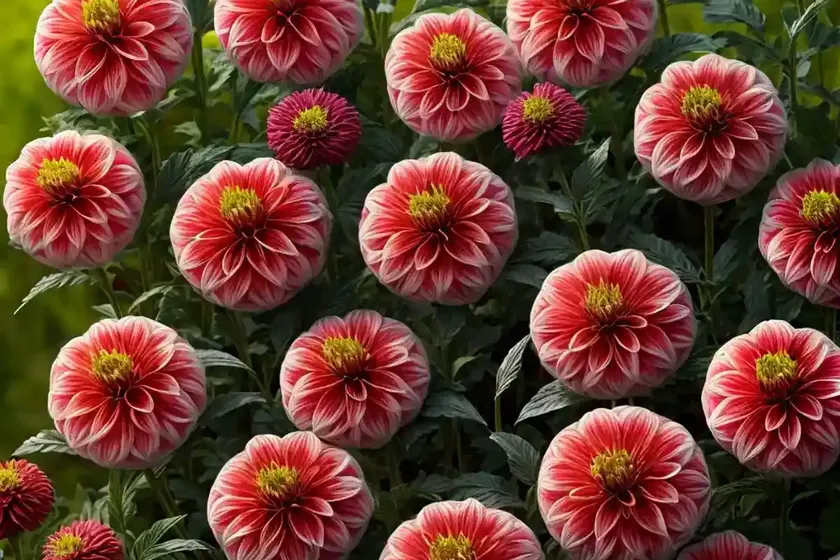
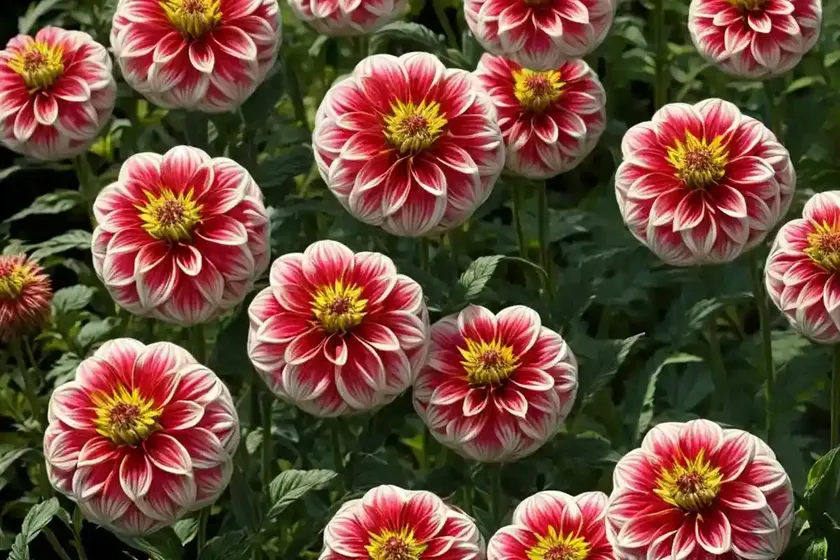
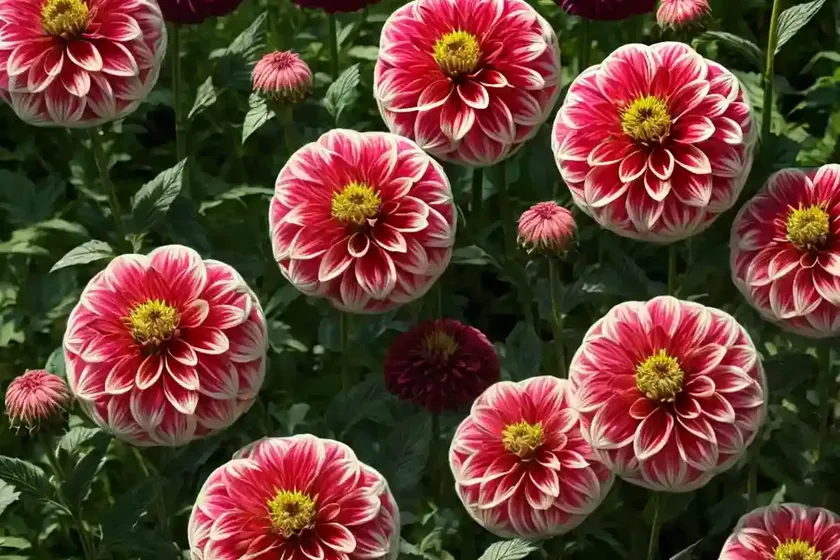
Zinnia elegans, commonly known as Dahlia-flowered Zinnia, is a vibrant and versatile flowering plant that has captured the hearts of garden enthusiasts for centuries. With its stunning, dahlia-like flowers and easy cultivation, this plant has become a favorite for adding color and beauty to gardens, landscapes, and even indoor spaces. In this comprehensive guide, we will explore the various aspects of growing and caring for Dahlia-flowered Zinnias, including its cultural requirements, uses, maintenance, and much more.
What is Plant: Dahlia-flowered Zinnia (Zinnia Elegans)
Dahlia-flowered Zinnia, scientifically referred to as Zinnia Elegans, is an annual flowering plant that belongs to the Asteraceae family. Originating from Mexico, this plant has become popular worldwide due to its captivating flowers, vibrant colors, and easy-to-maintain nature. Its distinctive, dahlia-like blooms make it a standout addition to gardens, attracting pollinators and providing a delightful visual display throughout its flowering season.
Key Takeaways – Dahlia-flowered Zinnia (Zinnia Elegans)
Before delving into the intricacies of cultivating Dahlia-flowered Zinnias, let’s explore some key takeaways about this exquisite plant:
- Scientific Name: Zinnia Elegans
- Common Name: Dahlia-flowered Zinnia
- Family: Asteraceae
- Plant Type: Annual flowering plant
- Native Habitat: Mexico
- Distinctive Feature: Dahlia-like flowers in various vibrant colors
- Cultural Significance: Popular plant in gardens, landscapes, and floral arrangements
Now that we have an overview of this captivating plant, let’s explore the essential aspects of growing and caring for Dahlia-flowered Zinnias.
Culture
The successful cultivation of Dahlia-flowered Zinnias relies on understanding and accommodating their cultural requirements. From suitable growing conditions to maintenance practices, here are the critical elements to consider when cultivating these vibrant annuals:
Uses
Dahlia-flowered Zinnias are widely cherished for their versatile uses, adding charm and elegance to various settings. Their primary uses include:
- Garden Ornament: Beautiful additions to flower beds, borders, and mixed plantings.
- Cut Flowers: Ideal for creating stunning floral arrangements and bouquets.
- Pollinator Attraction: Attracts butterflies, bees, and other pollinating insects, contributing to garden biodiversity.
- Landscape Enhancement: Adds vibrant colors and visual interest to landscapes and outdoor spaces.
Water
One of the key elements in maintaining healthy Dahlia-flowered Zinnias is proper watering. These plants thrive with moderate and consistent moisture, but they also require well-drained soil to prevent waterlogging. Here are some watering guidelines to follow:
- Regular Watering: Provide consistent moisture, especially during dry periods, but avoid overwatering.
- Watering Schedule: Water deeply, allowing the soil to dry slightly between watering sessions.
- Avoid Wet Foliage: Direct water at the base of the plant to minimize foliage wetness, reducing the risk of fungal diseases.
Sunlight
Dahlia-flowered Zinnias are sun-loving plants that exhibit optimal growth and flowering when exposed to ample sunlight. To ensure their vigorous development and prolific blooms, consider the following sunlight requirements:
- Full Sun: Plant in areas that receive at least 6-8 hours of direct sunlight daily for best results.
- Optimal Exposure: Choose locations with adequate sunlight to promote robust growth and vibrant flower production.
Fertilizer
Providing essential nutrients through fertilization is crucial for supporting the healthy growth and blooming of Dahlia-flowered Zinnias. Consider the following fertilization practices to enhance their vigor and floral display:
- Balanced Fertilizer: Use a balanced, water-soluble fertilizer with equal parts of nitrogen, phosphorus, and potassium to support overall plant health.
- Application Frequency: Fertilize every 4-6 weeks during the growing season to ensure continuous nourishment for the plants.
- Follow Guidelines: Adhere to the manufacturer’s instructions for fertilizer application, and avoid over-fertilization to prevent nutrient imbalances.
Soil
The quality and composition of the soil are instrumental in providing an optimal growing medium for Dahlia-flowered Zinnias. Here are the soil-related considerations when cultivating these remarkable annuals:
- Well-Drained Soil: Plant in well-draining, loamy soil to prevent waterlogging and root rot.
- Soil pH: Aim for a slightly acidic to neutral pH range (6.0-7.0) for optimal nutrient availability to the plants.
- Soil Preparation: Prior to planting, amend the soil with organic matter such as compost to enhance its fertility and structure.
Pruning
Pruning plays a vital role in maintaining the form, vigor, and flowering capacity of Dahlia-flowered Zinnias. By following proper pruning techniques, gardeners can ensure tidy growth and continuous blooming throughout the growing season. Consider the following pruning guidelines:
- Deadheading: Regularly remove spent flowers to encourage the production of new blooms and prolong the flowering period.
- Pinching: Pinch off the tips of young plants to promote branching, resulting in bushier growth and more prolific flowering.
- Trimming: Trim back leggy or overgrown stems to maintain a compact and tidy appearance, if necessary.
Propagation
Propagation allows gardeners to expand their collection of Dahlia-flowered Zinnias and maintain genetic diversity within their cultivated varieties. Here are the primary methods of propagating these colorful annuals:
- Seed Propagation: Sow zinnia seeds indoors or directly into the garden soil after the last frost date, following the recommended sowing depth and spacing.
- Division: Divide mature plants (perennials) during the early spring or fall to create new, genetically identical individuals.
Container Popularity
Dahlia-flowered Zinnias have gained popularity as container plants due to their compact growth habit and vibrant blooms. Cultivating these annuals in containers offers versatility and allows for creative display options. Consider the following aspects of growing Dahlia-flowered Zinnias in containers:
- Container Size: Select containers with sufficient depth and diameter to accommodate the root system and promote healthy growth.
- Well-Draining Soil: Use a high-quality potting mix that provides good drainage and aeration for the roots.
- Sun Exposure: Place containers in locations that receive ample sunlight for the best flowering performance.
- Watering: Ensure regular watering to maintain consistent moisture levels in the container, but avoid waterlogging.
Common Diseases
While Dahlia-flowered Zinnias are relatively resilient, they are susceptible to certain diseases that can affect their growth and appearance. Understanding these common diseases is crucial for implementing preventive measures and maintaining the plants’ health:
- Powdery Mildew: A fungal disease characterized by powdery white spots on the leaves, which can weaken the plants and affect their flowering capacity.
- Botrytis Blight: This fungal disease causes brown lesions on the flowers and foliage, often in damp and humid conditions.
- Bacterial Leaf Spot: Manifests as dark, water-soaked spots on the leaves and can lead to leaf yellowing and defoliation if left unmanaged.
Disease Diagnosis
Early detection and accurate diagnosis of potential diseases are essential for promptly addressing any issues and preventing the spread of infections. Keep an eye out for the following symptoms when inspecting Dahlia-flowered Zinnias for signs of disease:
- Fuzzy White Spots: indicative of powdery mildew development
- Brown Lesions: on leaves or flowers, signaling possible botrytis blight infection
- Dark Water-Soaked Spots: on the foliage, which may indicate bacterial leaf spot
Common Pests
Dahlia-flowered Zinnias may encounter various insect pests that can potentially compromise their health and appearance. Identifying and managing these common pests is crucial for preserving the vitality of the plants. Some of the notable pests include:
- Aphids: Small, sap-sucking insects that can cause stunted growth and deformation of plant tissues.
- Spider Mites: Tiny arachnids that feed on plant sap, leading to stippling and discoloration of leaves.
- Whiteflies: Small, winged insects that gather on the undersides of leaves, potentially transmitting viral diseases and causing leaf yellowing.
Botanist’s Tips
Drawing from expert insights and practical experience, here are some valuable tips from botanists and gardening professionals to optimize the cultivation and care of Dahlia-flowered Zinnias:
- Companion Planting: Pair Dahlia-flowered Zinnias with companion plants such as marigolds, salvias, and ornamental grasses to create visually appealing and mutually beneficial garden displays.
- Mulching: Apply a layer of organic mulch around the base of the plants to conserve soil moisture, suppress weeds, and moderate soil temperatures.
Fun Facts
Amidst the practical aspects of growing and caring for Dahlia-flowered Zinnias, there are fascinating insights and trivia that add to the allure of these remarkable plants. Here are some fun facts about Zinnia Elegans:
- Symbolism: Zinnias are often associated with concepts of endurance, constancy, and lasting affection, making them popular choices for gift bouquets and arrangements.
- Pollinator Magnet: The brightly colored flowers of Dahlia-flowered Zinnias serve as a prominent attractant for various pollinators, contributing to ecological diversity and garden vitality.
Now that we’ve explored the various facets of cultivating Dahlia-flowered Zinnias, it’s essential to provide readers with reliable external resources for further information and guidance. Here are some valuable links to external resources:
- Zinnia Elegans Varieties and Cultivation Guide
- Growing Dahlia-flowered Zinnias: Tips and Techniques
- Zinnia Elegans: Comprehensive Gardening Guide
In conclusion, the captivating allure of Dahlia-flowered Zinnias, coupled with their ease of cultivation and versatile uses, makes them a cherished addition to gardens, landscapes, and floral arrangements. With a comprehensive understanding of their cultural requirements, maintenance practices, and potential challenges, both novice and experienced gardeners can embark on a rewarding journey of growing and enjoying these vibrant annuals.
By incorporating the key takeaways and practical insights shared in this guide, readers can enhance their gardening endeavors and revel in the beauty of Dahlia-flowered Zinnias, fostering an enduring appreciation for these remarkable plants.