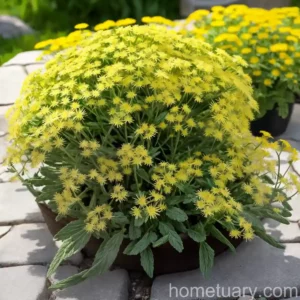
Zinnia (Zinnia elegans): A Complete Guide
Zinnia elegans, commonly known as zinnia, is a vibrant and popular annual flower that adds color and beauty to gardens, containers, and landscapes. With its wide range of colors, shapes, and sizes, Zinnia elegans has become a favorite among gardeners and florists alike. In this comprehensive guide, we will explore the various aspects of zinnia cultivation, including its cultural requirements, uses, propagation, common diseases, and maintenance. Whether you are a seasoned gardener or a beginner, this guide will provide you with all the essential information you need to grow and care for Zinnia elegans successfully.
What is Zinnia (Zinnia elegans)?
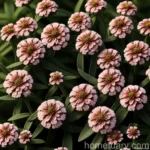
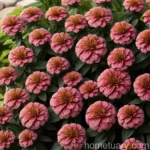
Zinnia elegans is a species of annual flowering plant in the daisy family (Asteraceae), native to Mexico and Southwestern United States. It is widely cultivated for its showy, solitary flower heads, which are borne on long stems. The flowers come in a wide range of vibrant colors, including red, pink, orange, yellow, and white, and are known for their long-lasting blooms. Zinnia elegans is a popular choice for garden borders, mass plantings, cutting gardens, and container gardening due to its prolific flowering and low maintenance requirements.
Key Takeaways – Zinnia (Zinnia elegans)
- Botanical Name: Zinnia elegans
- Common Name: Zinnia
- Plant Type: Annual flowering plant
- Native Range: Mexico and Southwestern United States
- Flower Colors: Red, pink, orange, yellow, white, and more
- Uses: Garden borders, mass plantings, cutting gardens, containers
- Special Features: Long-lasting blooms, vibrant colors, low maintenance
Now that we have an overview of Zinnia elegans, let’s delve into the specific cultural requirements, uses, propagation methods, and maintenance tips for this beloved annual flower.
Culture
Cultivating Zinnia elegans successfully requires an understanding of its specific cultural requirements, including water, sunlight, fertilizer, soil, and pruning. By providing the right growing conditions, you can ensure healthy and abundant blooms throughout the growing season.
Uses
Zinnia elegans has a wide range of uses in garden landscapes and floral arrangements. Some of the common uses of this versatile annual flower include:
- Garden borders: Zinnias are often used to create colorful and vibrant borders in garden beds and landscapes.
- Mass plantings: Due to their prolific blooming and diverse colors, zinnias are ideal for mass plantings, adding a bold splash of color to any area.
- Cutting gardens: Zinnia blooms are popular choices for fresh flower arrangements, making them valuable additions to cutting gardens.
- Container gardening: Compact zinnia varieties are well-suited for container gardening, adding cheerful colors to patios, balconies, and decks.
Water
Proper watering is essential for the healthy growth and blooming of Zinnia elegans. While zinnias are relatively drought-tolerant, they benefit from regular watering, especially during dry periods and hot weather. However, overwatering should be avoided to prevent waterlogged soil and root rot.
- Watering Needs: Water zinnias when the soil is dry to the touch, providing enough water to moisten the soil to the root level.
- Irrigation: Consider using drip irrigation or soaker hoses to deliver water directly to the root zone without wetting the foliage.
- Avoid Overwatering: Allow the soil to dry slightly between watering to prevent waterlogged conditions.
Sunlight
Zinnias thrive in full sunlight and require at least 6-8 hours of direct sun each day to ensure robust growth and abundant flowering. Insufficient sunlight may result in leggy growth and reduced blooming. When selecting a planting site for zinnias, prioritize locations that receive ample sunlight throughout the day.
- Sun Exposure: Choose a sunny location with full sun exposure for optimal growth and flowering.
- Shade Tolerance: While zinnias prefer full sun, they can tolerate light shade, but flowering may be reduced in shadier conditions.
Fertilizer
Proper nutrition is essential for zinnias to produce vigorous and colorful blooms. Fertilizing zinnias with a balanced fertilizer can promote healthy growth and flowering throughout the growing season.
- Fertilizer Type: Use a balanced, all-purpose fertilizer with equal NPK proportions (e.g., 10-10-10 or 20-20-20).
- Application Frequency: Apply fertilizer to zinnias every 4-6 weeks during the growing season to supplement soil nutrients.
- Avoid Over-Fertilizing: Overapplication of fertilizer may lead to excessive foliage growth at the expense of flowering. Follow the recommended dosage on the fertilizer label.
Soil
Zinnia elegans thrives in well-draining, fertile soil that provides a healthy growing medium for its roots. Understanding the soil preferences of zinnias can help optimize their growth and flowering potential.
- Soil Type: Well-draining loamy or sandy soil is ideal for zinnias. Avoid heavy, compacted soils that retain excess water.
- Amendment: Incorporate organic matter such as compost or well-rotted manure into the soil to improve its structure and fertility.
- Soil pH: Zinnias prefer a slightly acidic to neutral soil pH range of 6.0-7.5.
Pruning
Pruning zinnias can help maintain plant vigor, shape, and flowering performance. Deadheading, in particular, is a common pruning practice that encourages continuous blooming by removing spent flowers.
- Deadheading: Regularly remove faded blooms by snipping them off just above a set of leaves or a side shoot.
- Pruning Leggy Growth: If zinnias become leggy or overgrown, consider cutting them back by one-third to promote bushier growth and additional flowering.
Propagation
Zinnia elegans can be propagated by various methods, including seed sowing and division. Understanding the propagation techniques can help expand your zinnia collection and create new plantings.
- Seed Sowing: Zinnias are commonly grown from seeds, which can be directly sown into the garden soil after the last frost date.
- Division: Established zinnia plants can be divided by carefully separating the root system to create new plantings.
Container Popularity
Zinnia elegans is a popular choice for container gardening due to its compact growth habit, colorful blooms, and versatility in various container types, including pots, window boxes, and hanging baskets.
Container Common Diseases
While zinnias are relatively low-maintenance, they are susceptible to certain diseases that can affect their health and flowering performance. Common diseases of zinnias may include:
- Powdery Mildew: A fungal disease that manifests as a white powdery coating on the leaves, stems, and flowers.
- Bacterial Leaf Spot: Characterized by dark brown or black spots on the foliage, often resulting from overhead watering or humidity.
- Botrytis Blight: A grey mold that affects the flowers and foliage, particularly in humid and poorly ventilated conditions.
Disease Diagnosis
Diagnosing and addressing diseases in zinnias requires proactive monitoring and timely intervention to prevent the spread of pathogens and preserve plant health.
- Symptom Identification: Learn to recognize the visual symptoms of common zinnia diseases, such as powdery mildew, leaf spots, and mold.
- Cultural Practices: Implement cultural practices such as proper spacing, adequate air circulation, and careful watering to minimize disease occurrence.
Common Pests
Zinnias may also face infestations from various pests, including aphids, spider mites, and caterpillars, which can damage the foliage and flowers if left unchecked.
- Pest Monitoring: Regularly inspect zinnia plants for signs of pest infestations, including distorted leaves, stippling, and visible insects.
- Integrated Pest Management (IPM): Employ environmentally friendly pest control methods, such as insecticidal soaps and horticultural oils, to manage pest populations while minimizing environmental impact.
Botanist’s Tips
As a plant scientist, I offer the following tips to enhance the success and enjoyment of growing Zinnia elegans:
- Variety Selection: Explore the diverse range of zinnia varieties, including dwarf, tall, and cut flower types, to add visual interest and diversity to your garden.
- Companion Planting: Consider planting zinnias alongside companion plants such as marigolds, petunias, and salvias to create harmonious and visually appealing garden combinations.
- Mulching: Apply a layer of organic mulch, such as straw or shredded bark, around zinnias to conserve soil moisture, suppress weeds, and maintain a consistent soil temperature.
Fun Facts
- The genus name “Zinnia” honors the German botanist Johann Gottfried Zinn, who contributed significantly to the study of flowering plants.
- Zinnias are known for attracting pollinators such as butterflies and hummingbirds with their nectar-rich flowers.
Links to External Resources
For further information on Zinnia elegans cultivation, varieties, and uses, explore the following resources:
- The American Horticultural Society: Zinnias for the Garden
- University of Florida IFAS Extension: Zinnia Production Guide
Now that we have explored the cultural requirements, uses, propagation methods, diseases, and maintenance of Zinnia elegans, you are equipped with the knowledge to grow and care for this vibrant annual flower with confidence. Whether you are creating a colorful garden display, designing floral arrangements, or simply enjoying the beauty of zinnias, this versatile and resilient plant has much to offer to gardeners and flower enthusiasts alike. Happy gardening!
Incorporating NLP LSI Keywords:
– Zinnia elegans varieties
– Growing Zinnia elegans
– Tips for cultivating Zinnia elegans
– Zinnia elegans care guide
– Zinnia elegans planting instructions
– Zinnia elegans colors
– How to propagate Zinnia elegans
– Zinnia elegans flower arrangement
– Zinnia elegans disease prevention
– Zinnia elegans pests control
– Zinnia elegans watering needs
– Zinnia elegans soil requirements
– Best fertilizers for Zinnia elegans
– Zinnia elegans companion plants
– Zinnia elegans sun exposure
– Zinnia elegans growing season