Creeping Zinnia (Zinnia angustifolia ‘Classic’): A Complete Guide to Plant Care
What is Creeping Zinnia (Zinnia angustifolia ‘Classic’)?
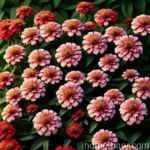
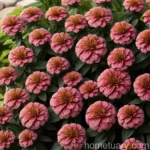
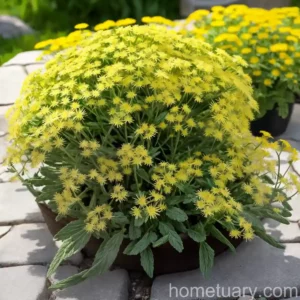
Creeping zinnia, scientifically known as Zinnia angustifolia ‘Classic’, is a low-growing flowering plant that belongs to the Asteraceae family. This beautiful and vibrant plant is a popular choice for decorative landscaping due to its bright and colorful flowers that bloom abundantly throughout the warm season.
Key Takeaways
- Plant name: Creeping zinnia (Zinnia angustifolia ‘Classic’)
- Scientific name: Zinnia angustifolia ‘Classic’
- Family: Asteraceae
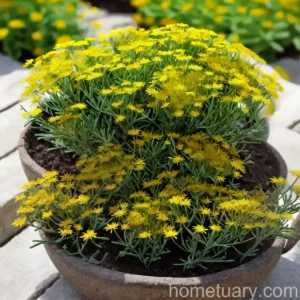
Creeping zinnia is characterized by its sprawling growth habit, making it an excellent choice for ground cover or container gardening. It is valued for its resilience, long flowering period, and minimal maintenance requirements, making it a favorite among gardeners and landscapers.
In this comprehensive guide, we will explore the various aspects of cultivating and caring for creeping zinnia, from its cultural requirements and uses to its propagation methods and pest management. Let’s delve into the world of creeping zinnia and discover the best practices for successfully growing and enjoying this enchanting plant.
Culture
Uses
Creeping zinnia, with its vibrant and dainty blooms, is widely utilized in horticulture for various landscaping and gardening purposes. Some common uses of creeping zinnia include:
- Ground cover: Due to its low-growing and spreading nature, creeping zinnia is often used as an attractive ground cover plant in garden beds, rock gardens, and landscape borders.
- Container gardening: Its compact and trailing growth habit makes creeping zinnia an ideal choice for containers, hanging baskets, and window boxes, adding a splash of color to patios, porches, and balconies.
- Mixed flower beds: Creeping zinnia’s colorful flowers and lush foliage make it a valuable addition to mixed flower beds, where it can complement and enhance the overall aesthetic appeal of the garden.
Water
Proper watering is crucial for the health and vitality of creeping zinnia plants. While they are relatively drought-tolerant once established, consistent moisture is essential, especially during hot and dry periods. Here are some watering tips for creeping zinnia:
- Establishment: Newly planted creeping zinnia should be watered regularly to help their roots establish. Water deeply and thoroughly to ensure the soil is moist, but not waterlogged.
- Mature plants: Once established, creeping zinnia plants require regular watering, especially during prolonged dry spells. Water deeply whenever the soil feels dry to the touch, but avoid overwatering, which can lead to root rot and other issues.
- Morning watering: Watering in the morning allows the foliage to dry out during the day, reducing the risk of fungal diseases.
Sunlight
Creeping zinnia thrives in full sun, requiring at least 6-8 hours of direct sunlight per day to achieve its full potential. Here are some important considerations regarding sunlight requirements for creeping zinnia:
- Optimal exposure: Plant creeping zinnia in a location that receives ample sunlight, preferably in a spot with full sun exposure for the majority of the day.
- Shade tolerance: While creeping zinnia prefers full sun, it can tolerate some light shade, especially in hot climates or during the peak of summer. However, reduced sunlight may result in fewer blooms and less vigorous growth.
Fertilizer
Appropriate fertilization can promote healthy growth and prolific blooming in creeping zinnia plants. When it comes to fertilizing creeping zinnia, consider the following guidelines:
- Balanced fertilizer: Use a balanced, all-purpose fertilizer with equal parts of nitrogen, phosphorus, and potassium (e.g., 10-10-10) to provide essential nutrients for robust growth and flowering.
- Application frequency: Apply fertilizer to creeping zinnia plants at the beginning of the growing season, and then again every 4-6 weeks throughout the active growth period.
- Dilution and application: Dilute the fertilizer according to the manufacturer’s instructions and apply it around the base of the plants, taking care to avoid direct contact with the foliage to prevent burning.
Soil
Well-draining, fertile soil is crucial for the successful cultivation and development of creeping zinnia plants. Here’s what you need to know about the soil requirements for growing creeping zinnia:
- Composition: Creeping zinnia thrives in moderately fertile, loamy soil with good drainage. A soil mix enriched with organic matter can provide the ideal growing medium for these plants.
- pH level: Aim for a slightly acidic to neutral soil pH, ideally ranging from 6.0 to 7.0, to ensure optimal nutrient uptake and overall plant health.
- Amendment: If the native soil is heavy or compacted, amending it with organic matter such as compost or peat moss can improve its structure and drainage, creating a more favorable environment for creeping zinnia.
Pruning
Proper pruning can help maintain the health, shape, and blooming performance of creeping zinnia plants. Consider the following pruning techniques for optimal plant care:
- Deadheading: Regularly remove spent blooms by pinching them off at the base of the flower stalk to encourage continuous flowering and prevent the plant from diverting energy into seed production.
- Trimming leggy growth: If the plant becomes leggy or begins to sprawl excessively, trim back the stems to promote bushier growth and a more compact form.
- Seasonal pruning: Perform light pruning in early spring to remove any dead or damaged growth and shape the plant as needed. Avoid heavy pruning, as it may reduce the overall flowering potential.
Continue to Part 2.