Creeping Zinnia (Zinnia angustifolia): A Complete Plant Care Guide
Creeping zinnia (Zinnia angustifolia) is a charming and versatile flowering plant that has gained popularity for its low maintenance and beautiful blooms. In this comprehensive plant care guide, we will delve into the various aspects of cultivating and caring for creeping zinnia, from its cultural requirements to its propagation methods and common pests. Whether you are an experienced gardener or a novice enthusiast, this guide will provide you with valuable insights into maximizing the potential of creeping zinnia in your garden.
What is Creeping Zinnia (Zinnia angustifolia)?
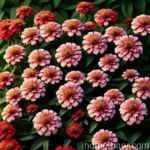
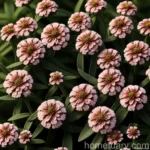
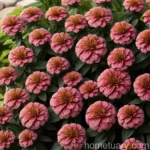
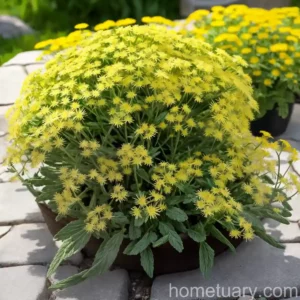
Creeping zinnia, scientifically known as Zinnia angustifolia, is a species of zinnia that belongs to the Asteraceae family. It is native to regions of Mexico and the American Southwest, where it thrives in arid and semi-arid environments. The plant is characterized by its low-growing, spreading habit and vibrant, daisy-like flowers that bloom in an array of captivating colors, making it a popular choice for ground cover, borders, and containers.
Key Takeaways – Creeping Zinnia (Zinnia angustifolia)
- Scientific Name: Zinnia angustifolia
- Family: Asteraceae
- Native Habitat: Mexico, American Southwest
- Use: Ground cover, borders, containers
- Flower Colors: Wide range of vibrant hues
- Growth Habit: Low-growing, spreading
Now, let’s explore the specific cultural requirements and care tips for cultivating creeping zinnia in various gardening settings.
Culture
Cultivating creeping zinnia successfully involves understanding its specific cultural needs, including water, sunlight, fertilizer, soil, and pruning requirements. By meeting these requirements, gardeners can ensure that their creeping zinnia plants thrive and produce an abundance of stunning blooms.
Uses
Creeping zinnia offers diverse uses in gardening and landscaping settings, including:
- Ground Cover: Its spreading habit makes it an excellent choice for ground cover, helping to suppress weeds and fill in bare areas with a carpet of colorful flowers.
- Borders: Creeping zinnia can be used to create attractive borders along pathways, flower beds, or vegetable gardens, adding visual appeal and attracting pollinators.
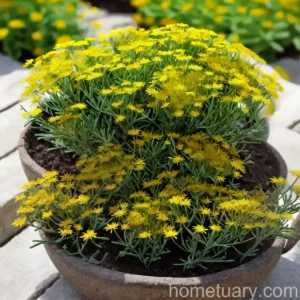
- Containers: The low-growing nature of creeping zinnia makes it well-suited for containers and hanging baskets, adding a splash of color to patios, balconies, and other outdoor spaces.
Water
Proper watering is crucial for the health and vitality of creeping zinnia plants. While the plant is relatively drought-tolerant once established, consistent moisture is essential, especially during the establishment phase and in hot, dry conditions.
- Regular Watering: Water the plants when the soil starts to dry out, aiming to keep the soil consistently moist but not waterlogged.
- Avoid Overwatering: Soggy soil can lead to root rot and other issues, so it’s important to find the right balance to ensure adequate moisture without causing waterlogged conditions.
Sunlight
Creeping zinnia thrives in full sunlight, making it an ideal choice for sunny garden spots. Adequate sunlight is essential for promoting healthy growth and prolific blooming.
- Sun Exposure: Plant creeping zinnia in a location that receives full sun, defined as at least 6-8 hours of direct sunlight per day.
- Shade Tolerance: While the plant prefers full sun, it can tolerate light afternoon shade in extremely hot climates.
Fertilizer
Although creeping zinnia is not particularly heavy feeders, providing a balanced fertilizer can help support vigorous growth and abundant flowering.
- Fertilizer Application: Apply a balanced, all-purpose fertilizer according to package instructions, typically in early spring and then again in midsummer.
- Avoid Excessive Fertilization: Over-fertilization can lead to excessive vegetative growth at the expense of flowering, so it’s essential to adhere to recommended dosages.
Soil
Well-draining, fertile soil is crucial for the successful cultivation of creeping zinnia. The right soil conditions support healthy root development and overall plant vigor.
- Soil Type: Creeping zinnia prefers moderately rich, well-draining soil, such as loam or sandy loam.
- PH Level: The ideal soil pH for creeping zinnia is slightly acidic to neutral, ranging from 6.0 to 7.5.
- Soil Amendments: Incorporating organic matter, such as compost, into the soil can improve its structure and fertility.
Pruning
Regular pruning helps maintain the compact, tidy growth habit of creeping zinnia and encourages continuous blooming throughout the growing season.
- Deadheading: Remove spent flowers regularly to stimulate the production of new blooms and prevent the plant from setting seeds prematurely.
- Cutting Back: If the plants become overly leggy or sparse, cutting them back by one-third can promote bushier growth and a more compact appearance.
Propagation
Creeping zinnia can be propagated through various methods, including seeds and cuttings. Understanding these propagation techniques enables gardeners to expand their creeping zinnia collection and share the plant’s beauty with others.
Seed Propagation
- Sowing Seeds: Start creeping zinnia seeds indoors in early spring or directly sow them into the garden after the last frost date.
- Seedlings: Transplant seedlings into their final growing positions once they have developed several sets of true leaves.
Cutting Propagation
- Rooting Cuttings: Take 4-6 inch cuttings from healthy, non-flowering stems and root them in a well-draining rooting medium, such as perlite or a mix of perlite and peat moss.
- Optimal Conditions: Maintain high humidity and warmth while the cuttings establish roots, and gradually acclimate them to normal growing conditions once roots have formed.
Container Popularity
Creeping zinnia’s versatility and attractive growth habit make it well-suited for container gardening. Whether grown in individual pots or combined with other compatible plants in mixed containers, creeping zinnia adds vibrant color and visual interest to outdoor living spaces.
Container Common Diseases
When growing creeping zinnia in containers, it is essential to be aware of potential diseases that can impact its health and appearance.
Disease Diagnosis
- Powdery Mildew: This fungal disease appears as a white, powdery substance on the leaves, often caused by high humidity and poor air circulation.
- Botrytis Blight: Also known as gray mold, botrytis blight can affect the flowers, causing them to turn brown and become mushy.
Disease Prevention
- Cultural Practices: Providing adequate air circulation, avoiding overhead watering, and practicing proper sanitation can help prevent the onset of diseases.
- Fungicidal Treatments: If disease symptoms are detected, applying suitable fungicidal treatments can help manage the problem and prevent its spread.
Common Pests
Several common pests can potentially affect creeping zinnia plants, compromising their health and appearance if not promptly addressed.
- Aphids: These small, soft-bodied insects can congregate on the undersides of leaves, sucking plant juices and causing leaf curling and distortion.
- Spider Mites: These tiny arachnids can cause stippling and webbing on the leaves, leading to reduced photosynthetic capacity.
Botanist’s Tips
These expert tips from botanists and experienced gardeners can help enthusiasts maximize the growth and flowering of their creeping zinnia plants.
- Companion Planting: Pair creeping zinnia with companion plants that share similar cultural requirements and complement its growth habit and flower colors.
- Mulching: Apply a layer of organic mulch around the base of creeping zinnia plants to conserve soil moisture, suppress weeds, and enhance the overall appearance of the planting area.
Fun Facts
- Creeping zinnia is an excellent choice for pollinator gardens, attracting butterflies, bees, and other beneficial insects with its nectar-rich flowers.
- While the most commonly grown creeping zinnia varieties feature single, daisy-like flowers, there are also double-flowered varieties available, offering a unique visual appeal.
- Creeping zinnia can be used as an effective erosion control measure on slopes and embankments, where its spreading growth habit helps stabilize the soil.
Links to External Resources
For additional information on the care and cultivation of creeping zinnia, consider exploring the following external resources:
- Planting and Care Guide for Creeping Zinnia – The Spruce
- Growing Zinnias – University of Florida IFAS Extension
- Zinnia angustifolia – Missouri Botanical Garden
- Zinnia Care Guide – National Gardening Association
In conclusion, creeping zinnia (Zinnia angustifolia) is a delightful plant that offers a myriad of possibilities for enhancing gardens, landscapes, and outdoor living spaces. By understanding and implementing the care tips and techniques outlined in this guide, gardeners can cultivate healthy, vibrant creeping zinnia plants that provide a stunning display of color and attract beneficial wildlife. Whether used as ground cover, border plants, or container specimens, creeping zinnia adds a touch of charm and beauty to any gardening setting.