Solidago Rugosa (Rough Goldenrod)
Solidago rugosa, commonly known as Rough Goldenrod, is a charming and versatile perennial plant that belongs to the Asteraceae family. It is native to.
Solidago rugosa, commonly known as Rough Goldenrod, is a charming and versatile perennial plant that belongs to the Asteraceae family. It is native to North America and is treasured for its vibrant yellow flowers and its ability to attract pollinators. In this comprehensive guide, we will explore the characteristics, cultivation requirements, uses, and intriguing aspects of Solidago rugosa, unveiling its role in landscape design, wildlife habitat, traditional uses, and so much more.
Solidago rugosa: An Overview
Solidago rugosa Characteristics
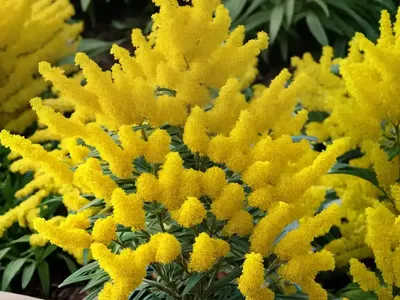
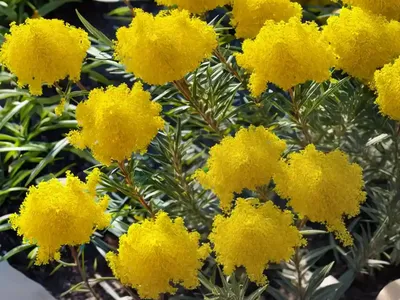
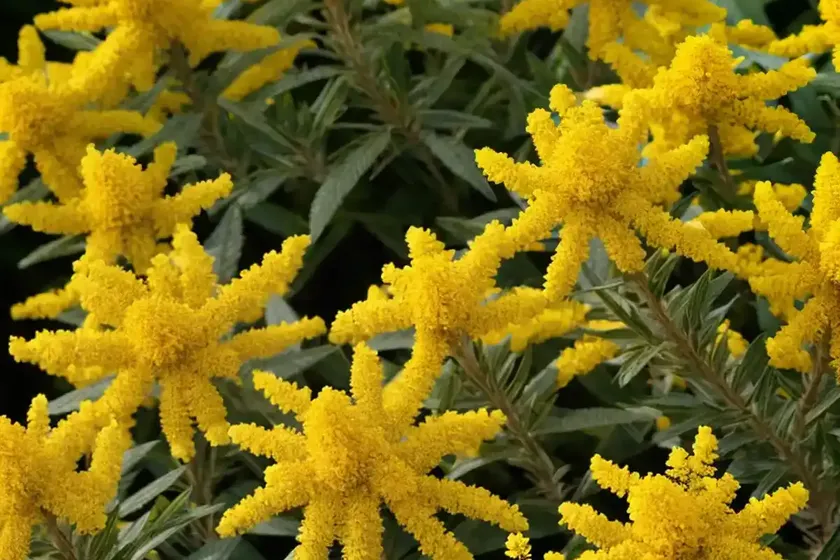
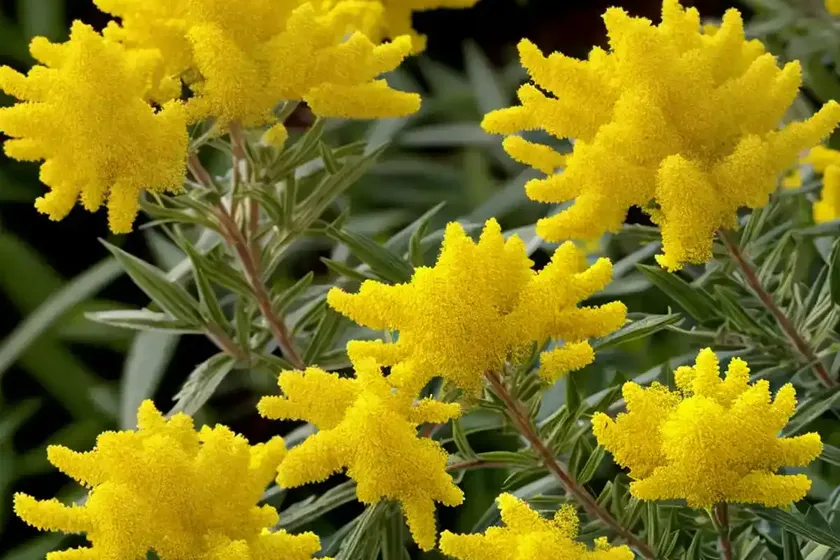
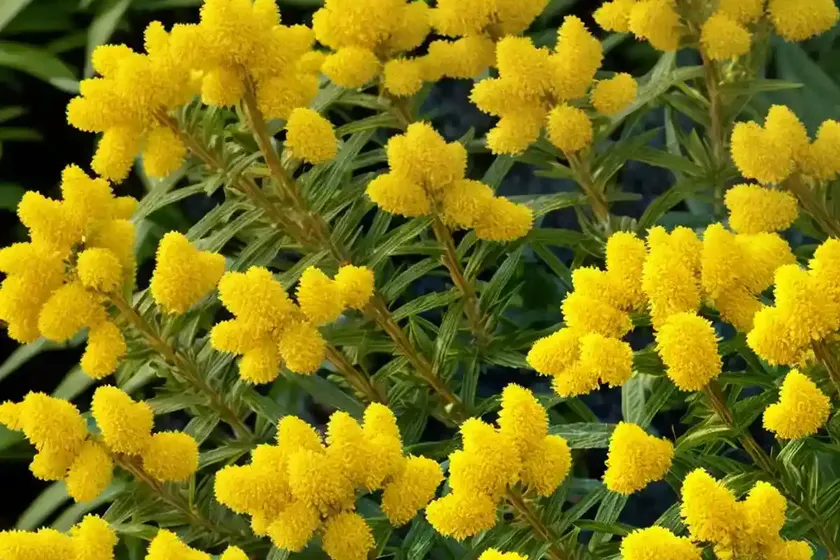
Solidago rugosa, also known as Rough Goldenrod, is a robust herbaceous perennial that typically reaches a height of 2 to 4 feet (0.6 to 1.2 meters). It boasts an upright, bushy growth habit and features elongated, lance-shaped leaves. The most captivating aspect of this plant is its plumes of golden-yellow flowers that adorn the landscape in late summer and autumn, providing an enchanting display of color and attracting beneficial pollinators such as bees and butterflies.
Rough Goldenrod Plant
The Rough Goldenrod plant, Solidago rugosa, is known for its hardy nature and its adaptability to various growing conditions. Its resilience makes it a suitable choice for both amateur and seasoned gardeners looking to introduce a pop of color to their outdoor spaces while supporting local ecosystems.
Solidago rugosa Description
Solidago rugosa, or Rough Goldenrod, is characterized by its tough, slightly hairy stems and serrated leaves. The plant’s abundant bright yellow flower clusters create a striking contrast against the surrounding foliage, making it a visually appealing addition to gardens and natural landscapes alike.
Rough Goldenrod Features
One of the most notable features of Rough Goldenrod is its ability to flourish in a range of environments, from dry, sandy soils to moist, rich loam, showcasing its adaptability and endurance. Its late-season bloom time and the buzzing activity of pollinators that it attracts add vibrancy and life to any setting.
Solidago rugosa Care Tips
Solidago rugosa, or Rough Goldenrod, is a low-maintenance plant that requires minimal intervention once established. To ensure its healthy growth and prolific blooming, consider the following care tips:
Rough Goldenrod Growing Instructions
- Water: While Rough Goldenrod is tolerant of dry conditions, regular watering, especially during prolonged dry spells, will support optimal growth and flowering.
- Sunlight: This plant thrives in full sun but can tolerate partial shade, although reduced sunlight may lead to fewer flowers and elongated stems.
- Fertilizer: Minimal fertilization is required for Rough Goldenrod. Apply a balanced, slow-release fertilizer in early spring to support healthy growth.
- Soil: Rough Goldenrod adapts well to various soil types, including well-draining sandy soils and loamy soils. However, ensuring good drainage is crucial to prevent waterlogged soil conditions.
- Pruning: Deadheading spent flowers can promote continuous blooming and prevent self-seeding in the garden.
- Propagation: Propagate Rough Goldenrod through division in spring or autumn for easy and reliable multiplication.
- Container: While Rough Goldenrod can thrive in containers, ensure that the pot provides sufficient space for root development and offers proper drainage to prevent waterlogging.
Solidago rugosa Uses
Rough Goldenrod Benefits
Solidago rugosa offers various benefits that make it a valuable addition to gardens, natural landscapes, and even traditional medicine:
- Wildlife Habitat: The vibrant flowers of Rough Goldenrod attract bees, butterflies, and other pollinators, supporting local ecosystems and promoting biodiversity.
- Landscape Design: Its tall, upright growth habit and golden blooms make it an eye-catching addition to borders, meadows, and woodland gardens.
- Traditional Uses: In traditional herbal medicine, the aerial parts of Solidago rugosa have been used to prepare teas and tinctures for their purported diuretic and anti-inflammatory properties.
Solidago rugosa Varieties
While Solidago rugosa is a standout variety in its own right, there are several cultivars that showcase unique traits, such as compact growth habits or specific flower colors, offering diverse options for gardeners seeking a tailored aesthetic in their landscapes.
Rough Goldenrod Medicinal Properties
Solidago rugosa, like many species in the Solidago genus, is renowned for its potential medicinal properties. The plant is traditionally used in herbal remedies for conditions such as urinary tract infections and kidney stones, and is being studied for its potential anti-inflammatory effects.
Solidago rugosa Habitat
The natural habitat of Solidago rugosa includes open woodlands, meadows, prairies, and along roadsides. It is commonly found in regions with loamy or sandy soils, and it demonstrates a remarkable ability to thrive in various soil moisture levels, from well-drained sites to those with occasional flooding.
Rough Goldenrod Natural Habitat
Rough Goldenrod thrives in areas with ample sunlight, making it a common sight in open spaces where it receives full sun exposure. Its adaptability to different soil types enables it to colonize a wide range of habitats, contributing to its status as a resilient native plant species.
Solidago rugosa Cultivation
Rough Goldenrod Planting Guide
When cultivating Solidago rugosa, consider the following guidelines to ensure its successful establishment and longevity in the landscape:
- Maintenance: While Rough Goldenrod is relatively low-maintenance, occasional weeding and deadheading can help maintain its vigor and prevent self-seeding in unwanted areas.
- Pruning Techniques: In late autumn or early spring, cut back the stems of Rough Goldenrod to ground level to promote new growth and prevent the plant from becoming invasive.
- Flowering Season: Rough Goldenrod typically blooms from late summer to early autumn, providing a splendid display of golden-yellow flowers when many other plants are waning.
- Pollination: The flowers of Solidago rugosa are rich in nectar and attract a diverse array of pollinators, contributing to the ecological value of the plant.
Solidago rugosa Maintenance
Solidago rugosa requires minimal maintenance once established. However, periodic attention to pruning, watering during dry spells, and division every few years will help keep the plant healthy and vibrant in the garden.
Rough Goldenrod Pests and Diseases
Disease Diagnosis
Solidago rugosa is generally resilient against diseases, but it may occasionally encounter issues such as powdery mildew or leaf spot. By maintaining good airflow around the plant through proper spacing and ensuring balanced moisture levels, these issues can often be mitigated.
Common Pests
While Rough Goldenrod is not commonly troubled by pests, it may attract aphids or spider mites in certain conditions. Monitoring the plant regularly and addressing pest issues promptly can prevent significant damage.
Botanist’s Tips
- Companion Plants: Pair Solidago rugosa with late-blooming perennials such as asters and ornamental grasses to create a dynamic, visually engaging garden display.
- Fun Facts: Despite its common name, Rough Goldenrod is not related to the true goldenrod species, but rather to the Euthamia genus.
Links to External Resources
For further exploration of Solidago rugosa and its diverse attributes, you may find the following resources insightful:
- Native Plant Trust: Solidago rugosa
- Royal Horticultural Society: Solidago rugosa
- USDA Forest Service: Plant Guide – Solidago rugosa
Conclusion
Solidago rugosa, or Rough Goldenrod, offers a myriad of benefits, from its ecological contributions as a pollinator-friendly native plant to its ornamental value in garden settings. Its adaptability, low maintenance requirements, and potential medicinal properties further underscore its appeal to gardeners and nature enthusiasts. By understanding the characteristics, cultivation needs, and ecological significance of Solidago rugosa, we can harness the full potential of this captivating plant in various horticultural and conservation contexts.