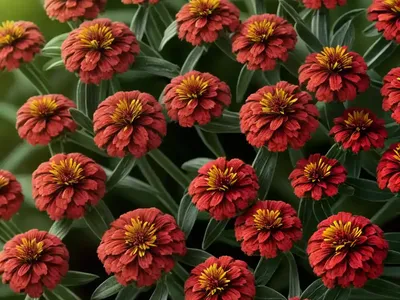
Zinnia ‘Polar Bear’)
Zinnias are well-known for their bright and cheerful blooms, but one particular variety stands out for its pure and pristine appearance – the Zinnia ‘Polar.
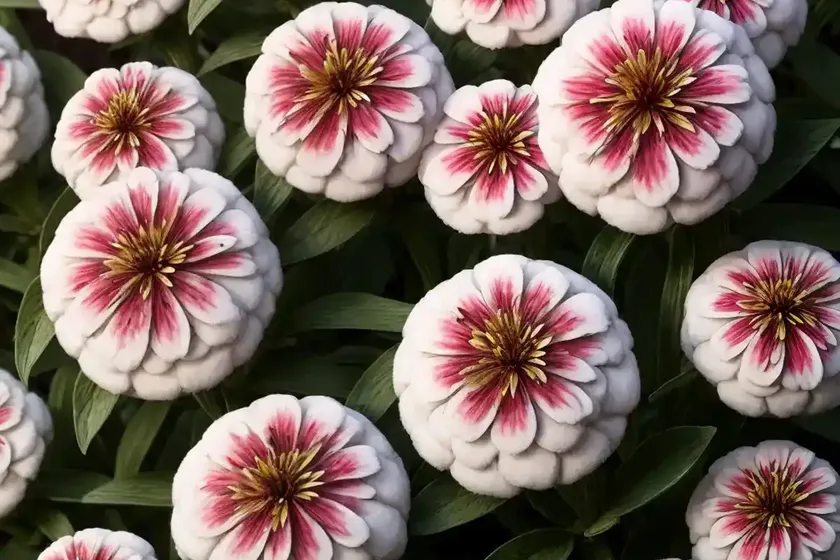
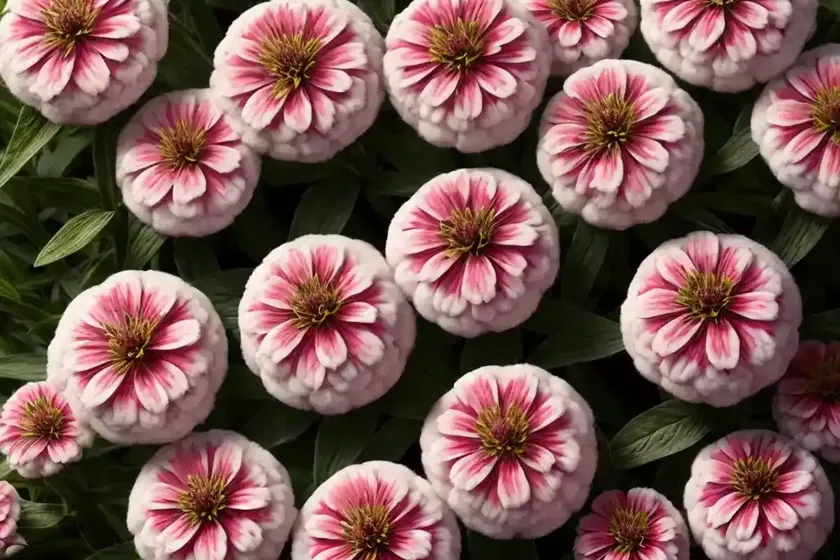
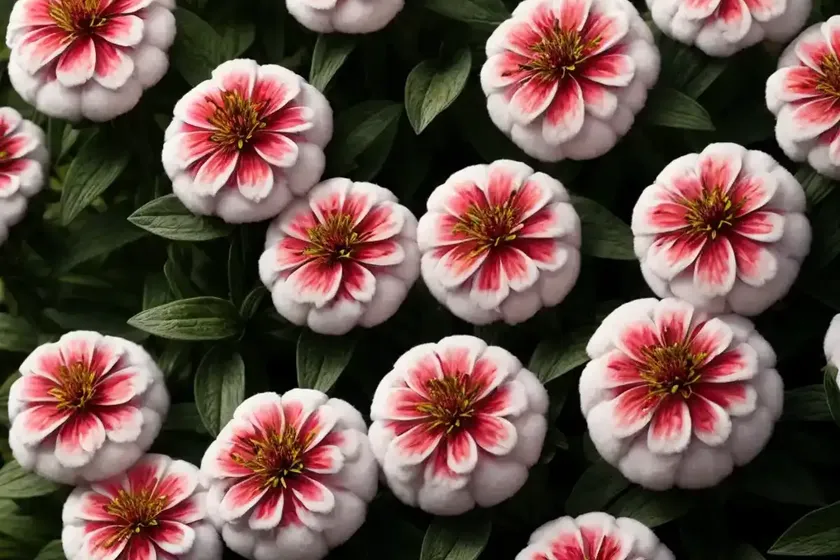
Zinnias are well-known for their bright and cheerful blooms, but one particular variety stands out for its pure and pristine appearance – the Zinnia ‘Polar Bear’. This stunning cultivar features elegant white flowers that add a touch of purity and sophistication to any garden or landscape. In this comprehensive guide, we’ll delve into the fascinating world of Zinnia ‘Polar Bear’, exploring everything from its characteristics and cultivation to its uses, care, and maintenance.
What is Zinnia ‘Polar Bear’?
Zinnia ‘Polar Bear’ is a variety of Zinnia elegans, a species of annual flowering plant in the Asteraceae family. It is renowned for its large, dahlia-like white blooms that exude an aura of elegance and simplicity. This particular cultivar is a popular choice for gardeners and landscapers seeking to add a crisp and clean aesthetic to their outdoor spaces.
Key Takeaways
- Zinnia ‘Polar Bear’ is a cultivar of the Zinnia elegans species, known for its striking white flowers.
- This variety offers a sense of purity and elegance, making it a sought-after addition to gardens and landscapes.
Now, let’s explore the various aspects of growing and caring for Zinnia ‘Polar Bear’.
Culture
Uses
Zinnia ‘Polar Bear’ holds immense value in horticulture and landscaping due to its striking white blooms. It is widely used for:
– Ornamental purposes, adding a sense of purity and grace to flower beds, borders, and containers.
– Cut flower arrangements, where the pristine white blooms serve as a captivating focal point.
– Pollinator-friendly garden designs, attracting beneficial insects such as butterflies and bees.
Water
Zinnias, including the ‘Polar Bear’ variety, thrive in moderately moist soil. Adequate watering is crucial, especially during dry spells or prolonged periods of heat. However, it’s essential to avoid overwatering, as this can lead to root rot and other issues.
Sunlight
These plants exhibit a preference for full sun, requiring at least 6-8 hours of direct sunlight per day to achieve optimal growth and abundant blooming. Adequate sunlight exposure is essential for the development of sturdy stems and vibrant, long-lasting flowers.
Fertilizer
When it comes to fertilization, Zinnia ‘Polar Bear’ benefits from a balanced, water-soluble fertilizer applied every 4-6 weeks during the growing season. A fertilizer with a ratio of 10-10-10 or similar can provide the necessary nutrients for healthy foliage and prolific flowering.
Soil
Zinnias, including the ‘Polar Bear’ variety, thrive in well-draining, fertile soil with a slightly acidic to neutral pH level (6.0-7.5). The ideal growing medium should offer good aeration and moisture retention while preventing waterlogging.
Pruning
Regular deadheading and pruning are essential for prolonging the blooming period of Zinnia ‘Polar Bear’. By removing spent flowers and trimming back leggy growth, you can encourage the plant to produce new buds and maintain a neat, compact form.
Propagation
Zinnias can be propagated from seeds, making it a relatively straightforward process for gardeners. To propagate Zinnia ‘Polar Bear’, you can collect seeds from mature flowers and sow them directly into well-prepared garden soil or containers. The seeds typically germinate within 4-7 days under optimal conditions.
Container Popularity
Zinnia ‘Polar Bear’ is a popular choice for container gardening, offering the flexibility to adorn patios, balconies, and other outdoor spaces with its pristine white blooms. When grown in containers, this variety brings a sense of sophistication and purity to the surroundings, making it an ideal option for those seeking to elevate their outdoor décor.
Common Diseases
Zinnias are generally resilient plants, but they can be susceptible to certain diseases under unfavorable growing conditions. Some common diseases that may affect Zinnia ‘Polar Bear’ include:
– Powdery mildew: A fungal disease that appears as a powdery white substance on the leaves and stems.
– Leaf spot: Characterized by the formation of dark spots on the foliage, often caused by fungal or bacterial pathogens.
Disease Diagnosis
Proper diagnosis of diseases affecting Zinnia ‘Polar Bear’ is crucial for implementing effective control measures. When observing signs of disease, it’s essential to closely examine the symptoms and consider factors such as environmental conditions, watering practices, and overall plant health. Obtaining a precise diagnosis can guide the selection of appropriate treatment options, including fungicidal sprays or cultural adjustments.
Common Pests
While Zinnias are generally resistant to many pests, certain insects may pose a threat to their health and vitality. Common pests that may affect Zinnia ‘Polar Bear’ include:
– Aphids: Small, sap-sucking insects that can distort new growth and cause yellowing of leaves.
– Spider mites: Tiny arachnids that can infest the undersides of leaves, leading to stippling and discoloration.
Botanist’s Tips
For optimal growth and flowering, consider the following tips when cultivating Zinnia ‘Polar Bear’:
– Provide well-draining soil and ample sunlight to promote healthy root development and prolific blooming.
– Deadhead spent flowers regularly to encourage continuous flowering and prevent the plant from expending energy on seed production.
– Monitor for signs of pests and diseases, taking prompt action to mitigate potential issues before they escalate.
Fun Facts
- Zinnias, including the ‘Polar Bear’ variety, are excellent attractants for butterflies and hummingbirds, adding a touch of wildlife-friendly appeal to garden settings.
- The name “Zinnia” pays tribute to the 18th-century German botanist Johann Gottfried Zinn, who made significant contributions to the field of botany.
Links to External Resources
For additional information on Zinnia ‘Polar Bear’ and related topics, explore the following resources:
– The National Gardening Association
– University of Florida IFAS Extension – Zinnias for the Garden
– RHS Gardening – Zinnias
– North Carolina State University Extension – Growing Zinnias
By leveraging these resources, you can gain further insights into the cultivation, care, and potential uses of Zinnia ‘Polar Bear’ in various garden and landscape settings.
Conclusion
Zinnia ‘Polar Bear’ stands as a captivating embodiment of purity and elegance in the world of horticulture. Its pristine white blooms, coupled with its relatively low maintenance requirements, make it an enticing choice for gardeners seeking to infuse their outdoor spaces with a sense of grace and sophistication. By understanding and implementing the appropriate cultural practices and care guidelines, you can cultivate and enjoy the beauty of Zinnia ‘Polar Bear’ while contributing to the allure of your garden or landscape.
Remember, with its simple yet striking appearance, Zinnia ‘Polar Bear’ has the potential to serve as a beacon of purity and charm, beckoning both humans and pollinators alike to revel in its captivating presence.
So go ahead, unleash the beauty of Zinnia ‘Polar Bear’ in your outdoor oasis and witness the magic of its white blooms as they illuminate your surroundings with their allure.
Keywords: Zinnia flowers, Zinnia Polar Bear variety, white Zinnia flowers, growing Zinnia Polar Bear, Zinnia Polar Bear care, Zinnia flower varieties, Zinnia cultivars, best white Zinnias, Zinnia ‘Polar Bear’ characteristics, Zinnia ‘Polar Bear’ plants, Zinnia ‘Polar Bear’ seeds, Zinnia ‘Polar Bear’ bloom time, Zinnia ‘Polar Bear’ planting tips, Zinnia ‘Polar Bear’ garden ideas, Zinnia ‘Polar Bear’ landscaping, Zinnia ‘Polar Bear’ gardening, Zinnia ‘Polar Bear’ color, growing Zinnia ‘Polar Bear’ from seed, Zinnia ‘Polar Bear’ growth habits, Zinnia ‘Polar Bear’ pests and diseases, Zinnia ‘Polar Bear’ companion plants, Zinnia ‘Polar Bear’ container gardening, Zinnia ‘Polar Bear’ flower arrangements, Zinnia ‘Polar Bear’ seasonality, Zinnia ‘Polar Bear’ sun requirements, Zinnia ‘Polar Bear’ water needs, Zinnia ‘Polar Bear’ soil conditions, Zinnia ‘Polar Bear’ pruning techniques, Zinnia ‘Polar Bear’ winter care, Zinnia ‘Polar Bear’ flower symbolism, Zinnia ‘Polar Bear’ medicinal uses, Zinnia ‘Polar Bear’ fragrance, Zinnia ‘Polar Bear’ pollinators, Zinnia ‘Polar Bear’ drought tolerance, Zinnia ‘Polar Bear’ heat tolerance, Zinnia ‘Polar Bear’ cold hardiness, Zinnia ‘Polar Bear’ garden design, Zinnia ‘Polar Bear’ landscape ideas, Zinnia ‘Polar Bear’ border plants, Zinnia ‘Polar Bear’ cut flowers, Zinnia ‘Polar Bear’ summer bloomer, Zinnia ‘Polar Bear’ low maintenance, Zinnia ‘Polar Bear’ garden tips, Zinnia ‘Polar Bear’ wildlife-friendly, Zinnia ‘Polar Bear’ beginner gardening, Zinnia ‘Polar Bear’ organic gardening, Zinnia ‘Polar Bear’ eco-friendly, Zinnia ‘Polar Bear’ natural pest control, Zinnia ‘Polar Bear’ flower power, Zinnia ‘Polar Bear’ plant profile.