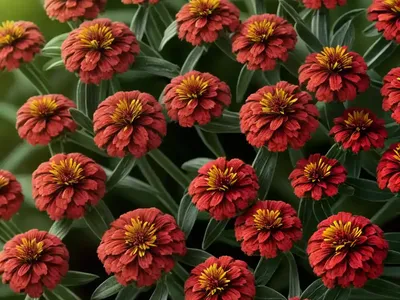
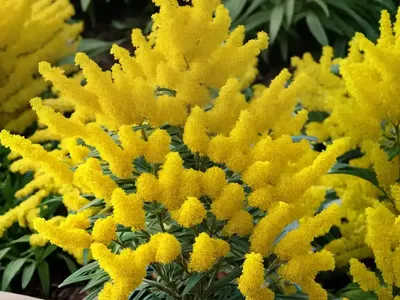
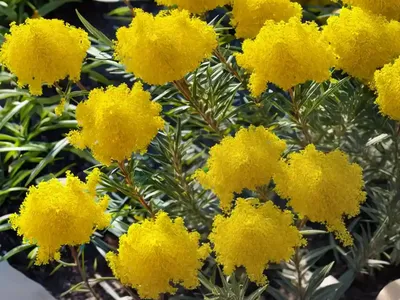
Zinnia Peruviana (Peruvian Zinnia)
Plants have been an integral part of human life since time immemorial, and their diversity and versatility never cease to amaze us. Among the multitude of.
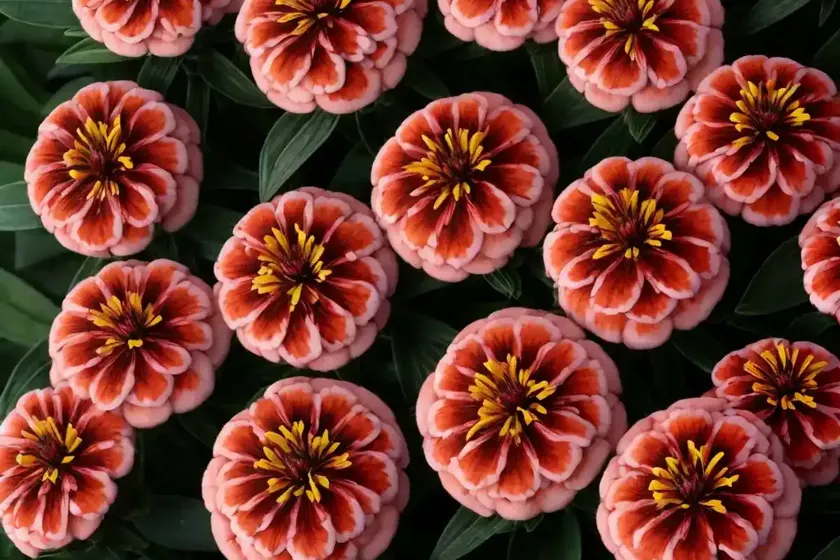
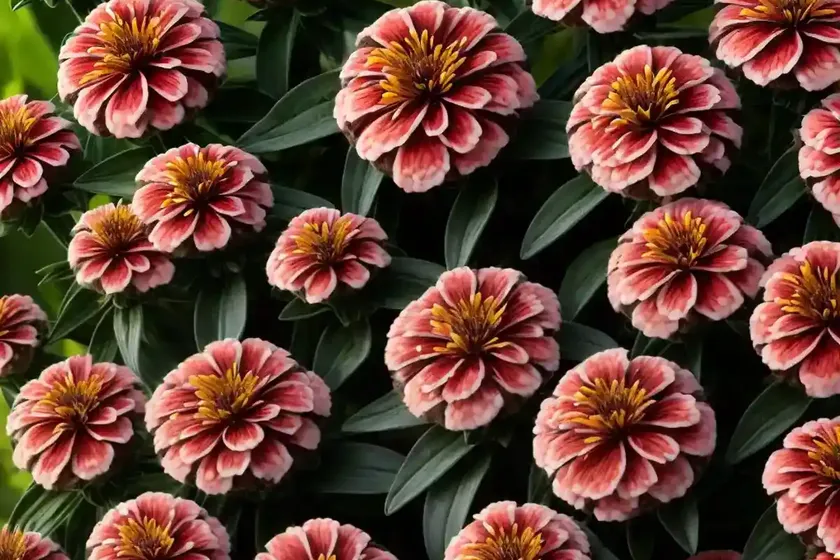
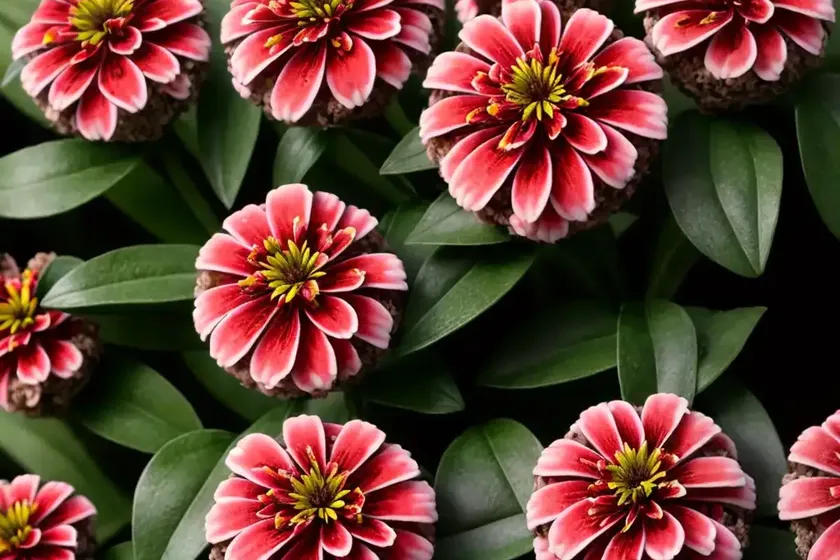
Plants have been an integral part of human life since time immemorial, and their diversity and versatility never cease to amaze us. Among the multitude of plant species, Zinnia peruviana, commonly known as Peruvian Zinnia, stands out for its vibrant colors, resilience, and cultural significance. In this comprehensive guide, we will explore the various facets of Zinnia peruviana, including its characteristics, cultivation, care tips, ecological roles, and much more. Whether you are a gardening enthusiast, a botany student, or simply intrigued by the wonders of nature, there is something for everyone in the realm of Peruvian Zinnia.
What is Zinnia peruviana?
Zinnia peruviana is a species of flowering plant in the sunflower family (Asteraceae) that is native to South America, particularly Peru, from which it derives its common name. It is a herbaceous perennial that is cultivated and admired for its colorful and long-lasting flowers, making it a popular choice for garden borders, containers, and floral arrangements. The species is known for its prolific blooming and ability to attract pollinators, adding vibrancy and life to gardens and natural landscapes.
Zinnia peruviana Characteristics
- Scientific Name: Zinnia peruviana
- Family: Asteraceae
- Common Names: Peruvian Zinnia, Little Golden Zinnia
- Native Habitat: South America, particularly Peru
- Plant Type: Herbaceous Perennial
- Flower Colors: Range of vibrant hues including yellow, orange, and red
- Foliage: Lush green leaves with a slightly rough texture
- Ecological Role: Attracts pollinators like butterflies and bees
Key Takeaways – Zinnia peruviana
Culture
Zinnia peruviana is renowned for its cultural significance, particularly in the regions of South America where it is native. The vibrant flowers of the Peruvian Zinnia have been utilized in various traditional practices, festivals, and ceremonies, symbolizing aspects of vitality, beauty, and natural abundance.
Uses
- Ornamental Gardening
- Cut Flowers for Floral Arrangements
- Traditional Cultural Festivals and Ceremonies
Growing Conditions
To cultivate healthy and thriving Zinnia peruviana plants, it is crucial to provide the appropriate growing conditions.
Water
Zinnia peruviana thrives in well-draining soil and requires moderate watering. It is essential to avoid waterlogging, which can lead to root rot and other water-related issues.
Sunlight
This species flourishes in full sunlight, making it an excellent choice for gardens and landscapes with ample sun exposure. Providing at least 6-8 hours of sunlight daily is recommended for optimal growth and flowering.
Fertilizer
A balanced and controlled-release fertilizer can be beneficial for promoting healthy foliage and abundant flowering. It is advisable to follow the manufacturer’s recommendations and avoid over-fertilization, which can lead to excessive foliage growth at the expense of flowers.
Soil
Zinnia peruviana prefers well-drained, moderately fertile soil with a slightly acidic to neutral pH. Amending the soil with organic matter can enhance its texture and fertility, contributing to the overall health of the plants.
Pruning
Regular deadheading and light pruning can promote continuous flowering and prevent the development of seed heads, prolonging the ornamental value of the plants. Additionally, removing any diseased or damaged foliage can help maintain plant health and appearance.
Propagation
Zinnia peruviana can be propagated from seeds, which are readily available from nurseries and online suppliers. Sowing the seeds in well-prepared soil in early spring can yield healthy and vigorous plants in the growing season.
Container Popularity
Due to its compact growth habit and prolific flowering, Zinnia peruviana is a popular choice for container gardening, adding a splash of color to patios, balconies, and other outdoor living spaces.
Common Diseases
While generally resilient, Zinnia peruviana may be susceptible to certain diseases, necessitating proactive management to maintain plant health and vitality.
Disease Diagnosis
Common diseases that may affect Zinnia peruviana include powdery mildew, leaf spot, and damping-off. Proper identification and timely intervention can help mitigate the impact of these diseases and prevent their spread.
Common Pests
Pest infestations can pose challenges to the well-being of Zinnia peruviana, necessitating vigilant monitoring and integrated pest management strategies.
Botanist’s Tips
Seasoned botanists recommend regular observation, soil amendment with organic matter, and selective pruning as key practices for promoting the health and vigor of Zinnia peruviana.
Fun Facts
- In indigenous Peruvian cultures, Zinnia peruviana has been associated with symbolism related to joy, celebration, and natural beauty, being featured in traditional floral arrangements and cultural events.
- The species diversity of Zinnia peruviana includes various flower colors and forms, offering a wide range of options for gardeners and enthusiasts.
Now that we have delved into the key aspects of Zinnia peruviana, let’s explore its significance and benefits in greater detail.
Cultivation and Uses of Zinnia peruviana
Zinnia peruviana Care Tips
Caring for Zinnia peruviana involves addressing its specific requirements for water, sunlight, soil, and maintenance. By adhering to the following care tips, you can create an optimal environment for the growth and flowering of these vibrant plants.
Water Needs
Zinnia peruviana has moderate water requirements and thrives in well-drained soil. It is essential to maintain consistent soil moisture without allowing water to stagnate around the roots.
Sun Exposure
Full sunlight is crucial for the growth and flowering of Zinnia peruviana. Selecting a location with ample sun exposure can significantly impact the overall health and vigor of the plants.
Soil Requirements
The soil for Zinnia peruviana should be well-drained, aerated, and fertile. Amending the soil with organic matter can enhance its texture and nutrient content, contributing to robust plant growth.
Pruning Tips
Regular deadheading and light pruning are beneficial practices for encouraging continuous flowering and maintaining the ornamental value of Zinnia peruviana plants.
Peruvian Zinnia Varieties and Flower Colors
The diversity of Zinnia peruviana encompasses various flower colors, including shades of yellow, orange, and red. The availability of different varieties with varying flower forms and colors offers abundant options for gardeners and landscape designers.
Flowering Season
Zinnia peruviana typically blooms from late spring to the first frost, providing an extended period of floral display and ornamental appeal.
Ecological Significance and Medicinal Properties
Wildlife Attraction and Pollinators
Zinnia peruviana plays a pivotal role in attracting pollinators such as butterflies, bees, and other beneficial insects. Its vibrant flowers provide a source of nectar and pollen, contributing to the ecological balance and biodiversity of natural landscapes.
Medicinal Uses
In traditional herbal medicine, certain parts of Zinnia peruviana have been utilized for their purported medicinal properties. Further research is warranted to explore the potential pharmacological benefits and applications of this species in modern medicine.
Zinnia peruviana: A Botanical Marvel
The allure of Zinnia peruviana transcends its ornamental value, encompassing its diverse attributes, cultural significance, and ecological roles. Whether adorning gardens, attracting pollinators, or captivating enthusiasts with its vibrant hues, Peruvian Zinnia continues to inspire admiration and fascination. As we immerse ourselves in the wondrous realm of plants, we uncover the inherent beauty and resilience that define Zinnia peruviana, enriching our lives and the natural world.
Companion Plants and Garden Design
When planning the cultivation of Zinnia peruviana, consider selecting companion plants that complement its colors and growth habits. The harmonious combination of diverse plant species can create visually appealing and ecologically beneficial garden designs.
Container Gardening and Indoor Growing
For those with limited outdoor space or a preference for indoor gardening, Zinnia peruviana offers excellent potential for container gardening. Selecting appropriate container sizes and providing adequate sunlight can facilitate successful indoor cultivation of these vibrant plants.
Floral Industry and Landscape Use
The ornamental value of Zinnia peruviana extends to its application in the floral industry for crafting vibrant and long-lasting floral arrangements. Additionally, the species is often utilized for landscape beautification, adding vibrancy and natural charm to public and private outdoor spaces.
Conclusion
In the realm of botany and horticulture, the allure of Zinnia peruviana (Peruvian Zinnia) transcends its ornamental value, encompassing its diverse attributes, cultural significance, and ecological roles. Whether adorning gardens, attracting pollinators, or captivating enthusiasts with its vibrant hues, Peruvian Zinnia continues to inspire admiration and fascination. By understanding the cultivation, care, and significance of Zinnia peruviana, we embrace the enduring beauty and resilience of this botanical marvel, enriching our lives and the natural world. As we continue to explore the wonders of plant diversity, the splendor of Zinnia peruviana serves as a poignant reminder of the harmony and vitality that permeate the realm of flora.
References
-
“Zinnia peruviana (Peruvian Zinnia)” by Missouri Botanical Garden. Available online: Missouri Botanical Garden – Zinnia peruviana
-
“Zinnia peruviana: A Potential Ornamental Plant of Uttarakhand, India” by Belwal, T., Kotiyal, P., Bisht, H.S. and Negi, K.S. Available online: Research Gate – Zinnia peruviana
-
“Floral Industry and Zinnia peruviana” by University of Missouri. Available online: University of Missouri – Zinnia peruviana in Floral Industry
-
“Zinnia peruviana and Its Wildlife Attraction” by The Xerces Society. Available online: The Xerces Society – Zinnia peruviana and Wildlife