Zinnia Marylandica ‘Double Zahara White’)
Zinnias, with their vibrant and diverse flowers, are a popular choice for gardens and landscapes. Among the many cultivars of zinnias available, the Zinnia.
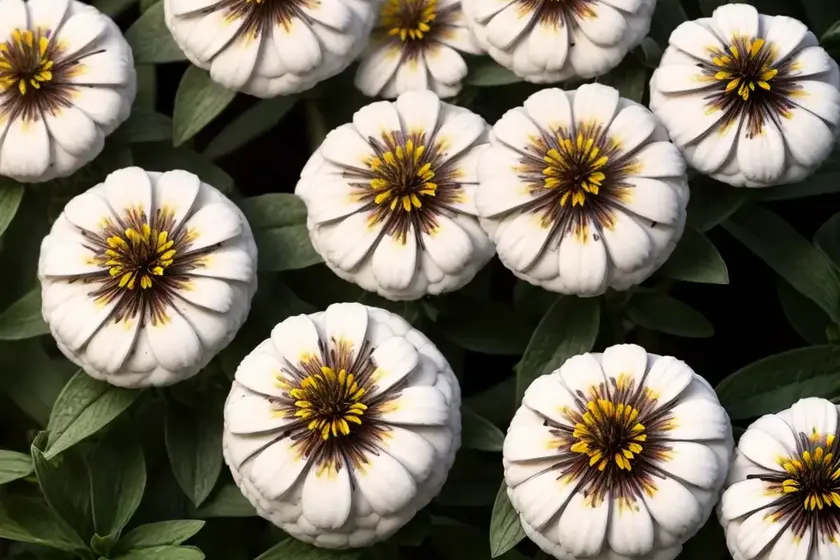
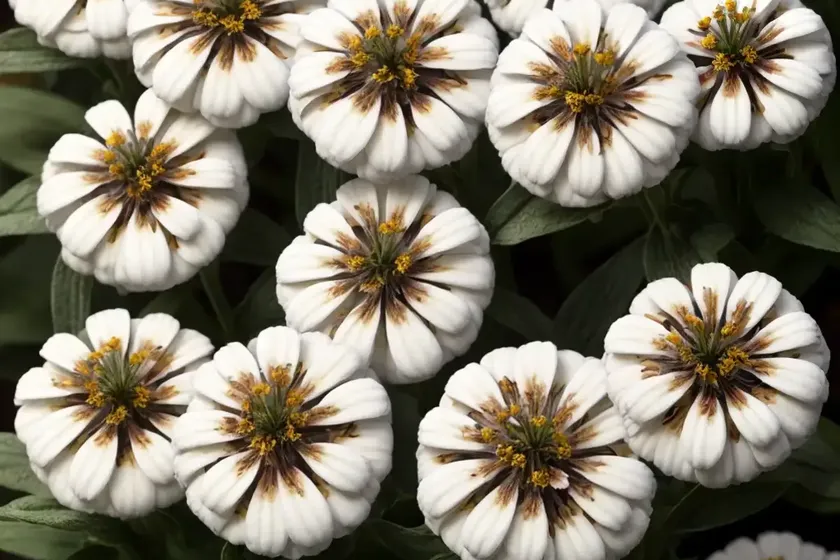
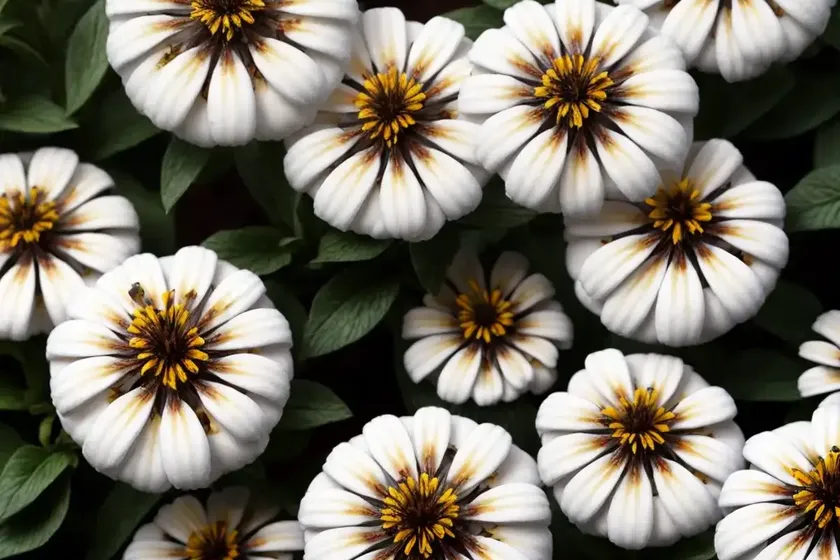
Zinnias, with their vibrant and diverse flowers, are a popular choice for gardens and landscapes. Among the many cultivars of zinnias available, the Zinnia marylandica ‘Double Zahara White’ stands out for its stunning double white blooms. In this comprehensive guide, we will delve into the characteristics, cultivation, care, and numerous other aspects of this beautiful plant.
What is Zinnia marylandica ‘Double Zahara White’?
Zinnia marylandica ‘Double Zahara White’ is a cultivar of zinnia that belongs to the family Asteraceae. It is known for its abundant double white flowers that bloom throughout the summer and into the fall. This zinnia variety is a hybrid, carefully bred for its spectacular appearance and resilience to various environmental conditions. With its compact growth habit and profusion of blooms, the ‘Double Zahara White’ is a valuable addition to any garden or landscape.
Key Takeaways
- Plant Name: Zinnia marylandica ‘Double Zahara White’
- Common Names: Zinnia Zahara White, Marylandica Zinnia, Double Zahara White Zinnia, White Zinnia marylandica, Zahara White Flower, Double Blooming Zinnia
- Cultivation: Annual
- Bloom Color: White
- Growth Habit: Compact
Let’s explore various aspects of this stunning plant, from its cultural requirements to its propagation and common diseases.
Culture
Cultivating Zinnia marylandica ‘Double Zahara White’ successfully involves understanding its specific requirements in terms of water, sunlight, soil, and more. By providing optimal growing conditions, you can ensure that this zinnia variety thrives and produces an abundance of beautiful blooms.
Uses
- Ornamental: The ‘Double Zahara White’ zinnia is primarily grown for ornamental purposes. Its stunning white double blooms make it an excellent choice for flower beds, borders, and containers.
- Cut Flowers: The long, sturdy stems of Zinnia marylandica ‘Double Zahara White’ also make it a popular choice for cut flower arrangements. The blooms add an elegant touch to bouquets and floral displays.
Water
Proper watering is crucial for the health and vitality of Zinnia marylandica ‘Double Zahara White’. While these plants can tolerate some drought, they perform best with consistently moist soil.
Watering Guidelines:
– Water deeply once or twice per week, depending on the weather and soil conditions.
– Aim to keep the soil evenly moist, but not waterlogged.
– Water at the base of the plant to minimize the risk of leaf diseases.
Sunlight
Like most zinnias, Zinnia marylandica ‘Double Zahara White’ thrives in full sunlight. Adequate sunlight is essential for promoting healthy growth and prolific flowering.
Sunlight Requirements:
– Plant in a location that receives at least 6 to 8 hours of direct sunlight per day.
– In hot climates, some light afternoon shade can help protect the plants from excessive heat.
Fertilizer
To support vigorous growth and abundant flowering, Zinnia marylandica ‘Double Zahara White’ benefits from regular feeding with a balanced fertilizer.
Fertilizing Tips:
– Apply a balanced, water-soluble fertilizer every two to three weeks during the growing season.
– Alternatively, incorporate a slow-release granular fertilizer into the soil at planting time.
Soil
Zinnia marylandica ‘Double Zahara White’ thrives in well-draining, nutrient-rich soil. It is essential to prepare the soil adequately before planting to provide an optimal growing environment for these zinnias.
Soil Requirements:
– Choose a well-draining soil with a slightly acidic to neutral pH (6.0 to 7.5).
– Incorporate organic matter, such as compost, into the soil to improve its texture and fertility.
Pruning
Pruning zinnias, including the ‘Double Zahara White’ variety, is a simple yet essential task that helps promote a compact growth habit, enhance flower production, and prevent the plants from becoming leggy.
Pruning Guidelines:
– Regularly deadhead spent blooms to encourage continuous flowering.
– Cut the stems just above a set of leaves or lateral bud to promote branching and new flower production.
– Remove any damaged or diseased foliage to maintain plant health.
Propagation
While Zinnia marylandica ‘Double Zahara White’ is commonly grown from seeds, it is possible to propagate these zinnias through stem cuttings or division. Understanding the various propagation methods can provide you with options for expanding your zinnia garden or sharing plants with fellow gardening enthusiasts.
Seed Propagation
Seeds are the most common and cost-effective way to propagate Zinnia marylandica ‘Double Zahara White’. By sowing seeds indoors or directly in the garden, you can expand your zinnia collection with ease.
Seed Starting Tips:
1. Start seeds indoors 4 to 6 weeks before the last frost date in your area.
2. Sow the seeds in a well-draining seed starting mix, covering them lightly with soil.
3. Place the containers in a warm, brightly lit location, and keep the soil consistently moist until the seeds germinate.
Stem Cuttings
Propagating Zinnia marylandica ‘Double Zahara White’ from stem cuttings can be a useful method for producing clones of a particularly desirable plant.
Stem Cutting Procedure:
1. Select a healthy, non-flowering stem, and cut a 4- to 6-inch section just below a leaf node.
2. Remove the lower leaves from the cutting, leaving a few at the top.
3. Dip the cut end in a rooting hormone to encourage root development.
4. Plant the cutting in a well-draining potting mix, and keep it moist until roots form.
Division
As Zinnia marylandica ‘Double Zahara White’ matures, it may develop a clumping growth habit, making division a viable propagation method.
Division Process:
1. Dig up the plant in early spring before new growth appears.
2. Gently separate the root ball into smaller sections, ensuring each division has several healthy stems and roots.
3. Replant the divisions in prepared soil, and water them thoroughly.
Container Popularity
Zinnias, including the ‘Double Zahara White’ variety, are well-suited for container gardening. Their compact growth habit and vibrant blooms make them an attractive choice for adding color and visual interest to patios, balconies, and other outdoor spaces.
Container Selection
When choosing containers for Zinnia marylandica ‘Double Zahara White’, opt for pots that provide ample space for root growth and good drainage to prevent waterlogging.
Container Considerations:
– Select pots with a diameter of at least 12 inches to accommodate the zinnia’s root system.
– Ensure the containers have drainage holes to prevent excess water retention.
Planting in Containers
Proper planting techniques are essential for ensuring the health and success of Zinnia marylandica ‘Double Zahara White’ in containers.
Planting Guidelines:
1. Fill the container with a high-quality potting mix that offers good drainage and aeration.
2. Plant the zinnias at the same depth as they were growing in their original containers or in the garden.
3. Water the newly planted zinnias thoroughly to settle the soil and provide initial hydration.
Container Care
Caring for Zinnia marylandica ‘Double Zahara White’ in containers involves regular watering, fertilizing, and monitoring for pests or diseases.
Care Recommendations:
– Water the zinnias when the top inch of the soil feels dry, aiming to keep the soil evenly moist but not waterlogged.
– Fertilize container-grown zinnias every two to three weeks with a balanced, water-soluble fertilizer.
– Monitor the plants closely for signs of pests or diseases, addressing any issues promptly.
Common Diseases
Zinnias, including the ‘Double Zahara White’ variety, are susceptible to certain diseases that can impact their overall health and flowering performance. Recognizing the signs of common zinnia diseases is crucial for implementing preventive measures and timely treatments.
Disease Diagnosis
Several diseases can affect Zinnia marylandica ‘Double Zahara White’, and understanding their symptoms is key to effective management.
Powdery Mildew
Symptoms:
– White, powdery spots on the leaves and stems.
– Distorted or stunted growth.
– Premature leaf drop.
Management:
– Improve air circulation around the plants.
– Apply fungicidal sprays as a preventive measure.
Leaf Spot
Symptoms:
– Circular, dark spots on the leaves.
– Yellowing or browning of affected foliage.
– Leaf drop in severe cases.
Management:
– Remove and dispose of infected plant material.
– Apply fungicidal treatments to protect healthy foliage.
Crown and Root Rot
Symptoms:
– Wilting and yellowing of the foliage.
– Dark, mushy lesions at the base of the stems.
– Stunted growth and eventual plant death.
Management:
– Ensure well-draining soil and avoid overwatering.
– Use fungicidal drenches to control the disease.
Common Pests
In addition to diseases, Zinnia marylandica ‘Double Zahara White’ may also attract certain pests that can feed on the foliage and compromise the overall health of the plants.
Pest Identification
Being able to identify common zinnia pests is the first step in implementing effective pest management strategies.
Aphids
Identification:
– Small, soft-bodied insects on the undersides of leaves.
– Green, yellow, or black in color.
– Sticky honeydew residue on the foliage.
Management:
– Use a strong blast of water to dislodge aphids from the plants.
– Introduce natural predators, such as ladybugs, for biological control.
Whiteflies
Identification:
– Tiny, white, moth-like insects that fly up when the plants are disturbed.
– Sticky honeydew residue on the leaves.
– Yellowing and wilting of the foliage.
Management:
– Apply insecticidal soaps or oils to control whitefly infestations.
– Introduce natural enemies, such as Encarsia formosa, for biological control.
Spider Mites
Identification:
– Tiny, spider-like pests that feed on the undersides of leaves.
– Fine webbing covering the foliage.
– Stippling or discoloration of the leaves due to feeding damage.
Management:
– Use insecticidal soaps or horticultural oils to control spider mite infestations.
– Increase humidity around the plants to deter mite activity.
Botanist’s Tips
As a plant scientist and enthusiast, here are some additional tips and insights for growing and enjoying Zinnia marylandica ‘Double Zahara White’ in your garden or landscape:
- Companion Planting: Pair Zinnia marylandica ‘Double Zahara White’ with other sun-loving annuals, such as marigolds, petunias, and cosmos, for a vibrant and diverse garden display.
- Deadheading Benefits: Regular deadheading not only promotes continuous flowering but also prevents the plants from self-seeding and potentially becoming invasive in the garden.
- Overwintering Techniques: In regions with mild winters, Zinnia marylandica ‘Double Zahara White’ can be overwintered by taking cuttings or dividing the plants and bringing them indoors for the season.
Fun Facts
- The first cultivated zinnias were grown in the gardens of the Aztecs, who referred to the plants as “mal de ojos” or “sickness to the eyes” due to their stunning and intense colors.
- Zinnias are highly attractive to pollinators, including butterflies and bees, making them a valuable addition to pollinator gardens and wildlife habitats.
Links to External Resources
For further information on Zinnia marylandica ‘Double Zahara White’ and related topics, explore the following resources:
- American Meadows – Zinnia marylandica ‘Double Zahara White’
- Gardening Know How – Growing Double Zahara White Zinnias
- Missouri Botanical Garden – Zinnia marylandica.
- University of Florida IFAS Extension – Zinnias for the Garden.
- Royal Horticultural Society – Zinnia Plant Varieties.
In conclusion, Zinnia marylandica ‘Double Zahara White’ is a captivating and versatile plant that offers an abundance of beauty and charm to any garden or landscape. With the right care, cultural considerations, and an understanding of common diseases and pests, you can enjoy the captivating double white blooms of this exceptional zinnia variety throughout the growing season. Whether grown in the ground or in containers, Zinnia marylandica ‘Double Zahara White’ is a delightful addition to any outdoor space, bringing joy and elegance with its profusion of snow-white flowers.