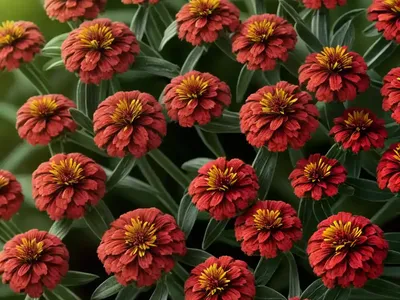
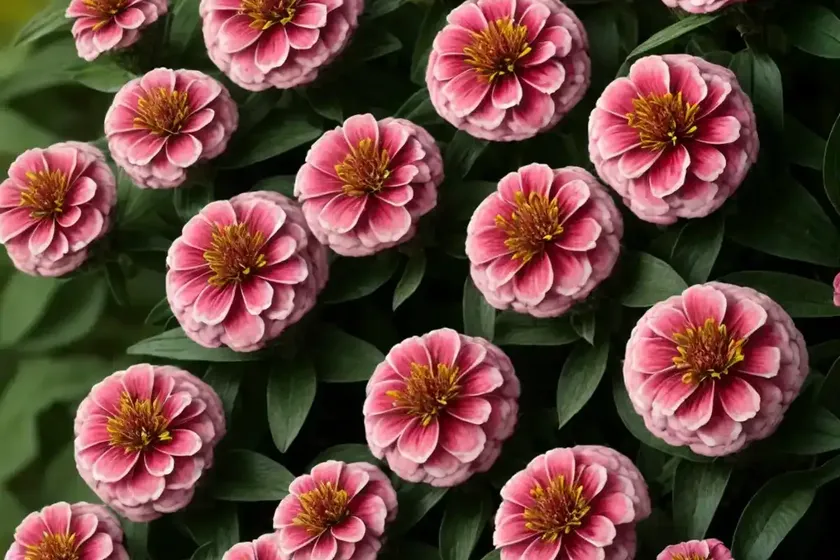
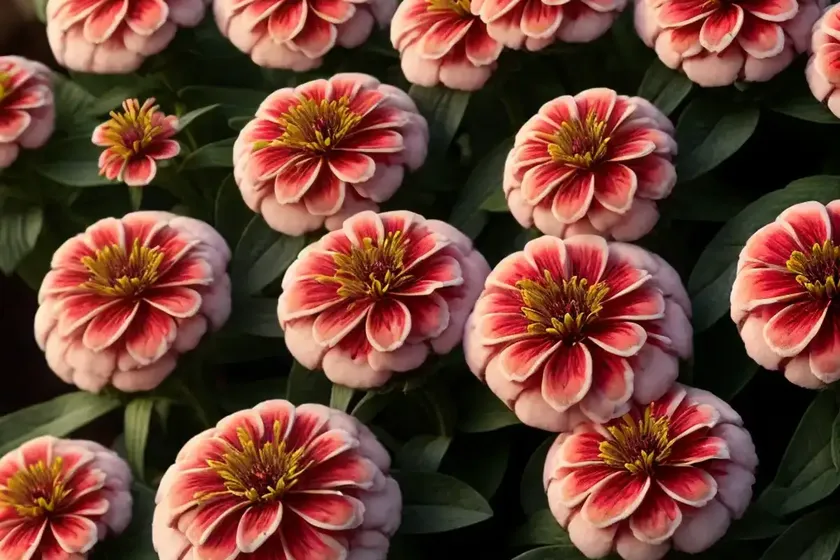
Zinnia Marylandica ‘Double Zahara Fire’)
Plants are fundamental to life on earth. They are essential to the survival of humans and every other living creature on this planet. From producing oxygen.
What is a Plant?
Plants are fundamental to life on earth. They are essential to the survival of humans and every other living creature on this planet. From producing oxygen to providing food and shelter, plants play a crucial role in maintaining the ecological balance. With over 390,000 known plant species, the diversity within the plant kingdom is immense, ranging from tiny mosses to towering trees and from delicate flowers to sturdy grasses.
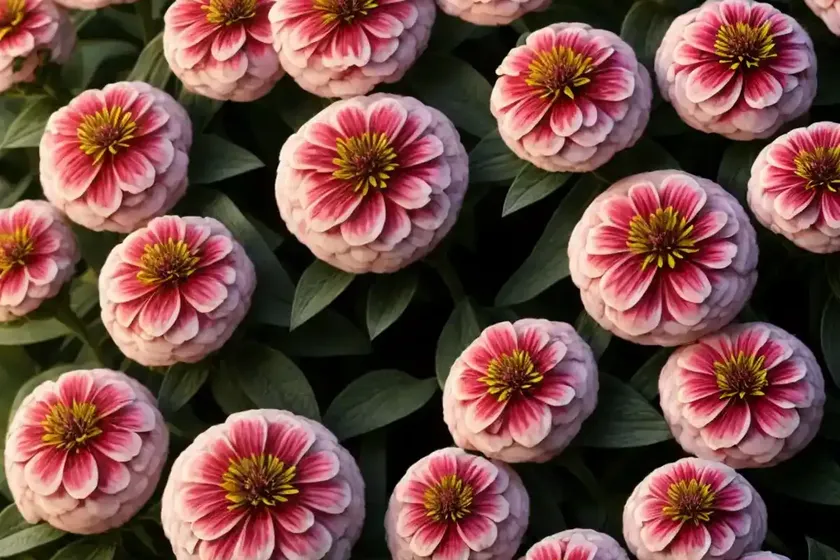
One such delightful member of the plant kingdom is the Zinnia marylandica ‘Double Zahara Fire’. This vibrant plant belongs to the Asteraceae family and is renowned for its fiery blossoms that brighten up gardens and landscapes with their radiant hues.
Key Takeaways
Before delving deeper into the world of Zinnia marylandica ‘Double Zahara Fire’, it’s important to highlight a few key takeaways about this remarkable plant:
- The Zinnia marylandica ‘Double Zahara Fire’ is a stunning variety known for its vibrant, fiery blooms.
- It is a relatively easy plant to grow, making it a popular choice among gardeners and landscapers.
- Zinnia marylandica is drought-tolerant and can thrive in various environmental conditions.
- This plant is a testament to the beauty and resilience of nature, making it a worthwhile addition to any garden or landscape.
Now, let’s explore the various aspects of nurturing and appreciating the splendor of Zinnia marylandica ‘Double Zahara Fire’.
Culture
Cultivating Zinnia marylandica ‘Double Zahara Fire’ involves understanding its preferred growing conditions, soil requirements, and optimal care practices to ensure vigorous growth and abundant blooms.
Uses
Ornamental Purposes
Zinnia marylandica ‘Double Zahara Fire’ is primarily cultivated for ornamental purposes, adorning flower beds, borders, containers, and hanging baskets with its vibrant and long-lasting flowers. The fiery color of its blooms adds a touch of warmth and energy to any landscape.
Pollinator Gardens
This zinnia variety is well-suited for pollinator gardens, attracting butterflies, bees, and other pollinators with its nectar-rich flowers. It contributes to the overall health and biodiversity of the garden ecosystem.
Water
Proper watering is crucial for the health and vitality of Zinnia marylandica ‘Double Zahara Fire’. It is important to maintain a balance, as overwatering can lead to root rot, while underwatering can result in stunted growth and fewer blooms.
General Watering Guidelines
- Established Plants: Once established, Zinnia marylandica generally requires around 1 inch of water per week.
- Container Plants: For zinnias grown in containers, regular monitoring of soil moisture is essential. Water when the top inch of soil feels dry to the touch.
Sunlight
Zinnia marylandica ‘Double Zahara Fire’ thrives in full sunlight, benefiting from at least 6 to 8 hours of direct sunlight each day. Adequate sunlight promotes robust growth and abundant flowering.
Ideal Sun Exposure
- Outdoor Planting: Select a location with full sun exposure, ensuring that the plants receive ample natural light throughout the day.
- Indoor Cultivation: When grown indoors, place Zinnia marylandica in a sunlit area, such as a south-facing window, to provide the necessary sunlight.
Fertilizer
Applying the right type and amount of fertilizer is essential for supporting the vigorous growth and prolific blooming of Zinnia marylandica ‘Double Zahara Fire’. A balanced fertilizer formulation can provide the necessary nutrients for healthy development.
Fertilization Recommendations
- Timing: Apply a balanced, all-purpose fertilizer when planting, and then supplement with additional feedings every 4 to 6 weeks during the growing season.
- Avoid Excessive Nitrogen: Excessive nitrogen can lead to excessive foliage growth at the expense of flowers. Use a fertilizer with a higher phosphorus content to encourage abundant blooms.
Soil
The soil quality and composition significantly impact the overall health and performance of Zinnia marylandica ‘Double Zahara Fire’. Well-draining, fertile soil forms the foundation for robust growth and vibrant blossoms.
Soil Requirements
- Well-Draining: Ensure that the soil offers good drainage to prevent waterlogging, which can lead to root issues.
- Nutrient-Rich: Incorporate organic matter, such as compost, to enhance the soil’s fertility and texture, promoting healthy root development.
Pruning
Pruning plays a pivotal role in promoting bushy growth, prolonging flowering, and maintaining the overall aesthetic appeal of Zinnia marylandica ‘Double Zahara Fire’.
Pruning Practices
- Deadheading Spent Blooms: Regularly remove spent blooms to encourage continuous flowering and prevent seed production, redirecting the plant’s energy towards producing new blooms.
- Thinning: If the plants become overly dense, thin out the stems and foliage to improve air circulation and reduce the risk of diseases.
Propagation
Zinnia marylandica ‘Double Zahara Fire’ can be propagated through various methods to create new plants and expand the vibrant display of fiery blossoms.
Propagation Techniques
- Seed Propagation: Collect seeds from mature Zinnia marylandica plants and sow them in prepared soil or containers to grow new plants.
- Cutting Propagation: Take stem cuttings from healthy plants and root them in a suitable growing medium to propagate genetically identical plants.
Container Popularity
The captivating beauty and compact growth habit of Zinnia marylandica ‘Double Zahara Fire’ make it a popular choice for container gardening, adding a burst of color and vitality to balconies, patios, and small outdoor spaces.
Container Considerations
- Container Size: Use adequately sized containers to accommodate the root system and provide ample space for growth.
- Well-Draining Medium: Select a high-quality potting mix with excellent drainage properties to ensure the health of the zinnias in containers.
Common Diseases
Zinnia marylandica ‘Double Zahara Fire’ is generally resilient to diseases, but certain conditions and environmental stressors can predispose the plants to potential issues.
Disease Susceptibility
- Powdery Mildew: High humidity levels and poor air circulation can contribute to the development of powdery mildew on zinnias. Use preventive measures, such as spacing plants appropriately and promoting good airflow.
- Botrytis Blight: Avoid overhead watering and reduce moisture on foliage to prevent the onset of botrytis blight, a fungal disease that affects many ornamental plants, including zinnias.
Disease Diagnosis
Identifying and addressing potential diseases promptly is crucial to preventing their spread and minimizing the impact on Zinnia marylandica ‘Double Zahara Fire’.
Visual Symptoms
- Powdery Mildew: Look for white, powdery spots on the leaves and stems, often accompanied by yellowing or browning of affected tissue.
- Botrytis Blight: Watch for gray, fuzzy growth on the flowers and foliage, as well as the development of water-soaked lesions.
Common Pests
Zinnia marylandica ‘Double Zahara Fire’ is generally resistant to many common garden pests, but certain insects may still pose a threat to its health and vigor.
Pest Management
- Aphids: Monitor for aphid infestations, which can be addressed through mechanical removal, insecticidal soaps, or natural predators like ladybugs.
- Spider Mites: Check for signs of spider mite activity, such as stippled leaves and fine webbing, and treat infestations with horticultural oils or insecticidal sprays.
Botanist’s Tips
Vigilant Monitoring
Regularly monitor the health and development of Zinnia marylandica ‘Double Zahara Fire’, paying attention to any signs of stress, nutrient deficiencies, or potential pest and disease issues.
Soil Amendments
Incorporate organic matter, such as compost and well-decomposed manure, into the soil to enrich its fertility and improve its structure, creating an optimal growing environment for Zinnia marylandica.
Supportive Structures
For taller varieties of Zinnia marylandica ‘Double Zahara Fire’, provide suitable support structures like stakes or trellises to prevent the plants from leaning or collapsing under the weight of their blooms.
Fun Facts
- The name “Zinnia” honors the German botanist Johann Gottfried Zinn, renowned for his significant contributions to the field of botany during the 18th century.
- Zinnias are often celebrated for their vibrant colors and extensive range of hues, adding a kaleidoscope of beauty to gardens and landscapes.
- Some zinnia varieties, including Zinnia marylandica, are favored for their ability to attract and nourish pollinators, contributing to the ecological balance of the garden ecosystem.
Links to External Resources
In this comprehensive guide, we’ve explored the diverse facets of nurturing and appreciating the captivating beauty of Zinnia marylandica ‘Double Zahara Fire’. From its cultural requirements to disease management and botanical insights, this remarkable plant continues to enchant and inspire gardeners and plant enthusiasts worldwide.
The fiery blooms of Zinnia marylandica serve as a remarkable testament to the innate beauty and resilience of nature, casting an enchanting spell that illuminates gardens, landscapes, and hearts alike. Whether adorning flower beds, containers, or pollinator gardens, the fiery splendor of Zinnia marylandica ‘Double Zahara Fire’ continues to capture the imagination and admiration of all who encounter its radiant brilliance.
As we celebrate the extraordinary diversity and magnificence of plants like Zinnia marylandica, it reaffirms our deep connection with nature and our responsibility to cherish and safeguard the wondrous botanical heritage that enriches our lives every day.