Lipstick Plant ‘mona Lisa’ (Aeschynanthus ‘mona Lisa’)
Plants have been a source of fascination and beauty for centuries. From the vibrant colors of flowers to the lush greenery of leaves, plants have the.
Introduction
Plants have been a source of fascination and beauty for centuries. From the vibrant colors of flowers to the lush greenery of leaves, plants have the ability to uplift our spirits and bring a sense of tranquility to any space. Within the vast array of plant species, the Lipstick Plant, scientifically known as Aeschynanthus ‘Mona Lisa’, stands out as a stunning example of natural artistry. In this comprehensive guide, we will delve into the world of the Lipstick Plant ‘Mona Lisa’, exploring its characteristics, care requirements, propagation techniques, and much more.
What is a Lipstick Plant?
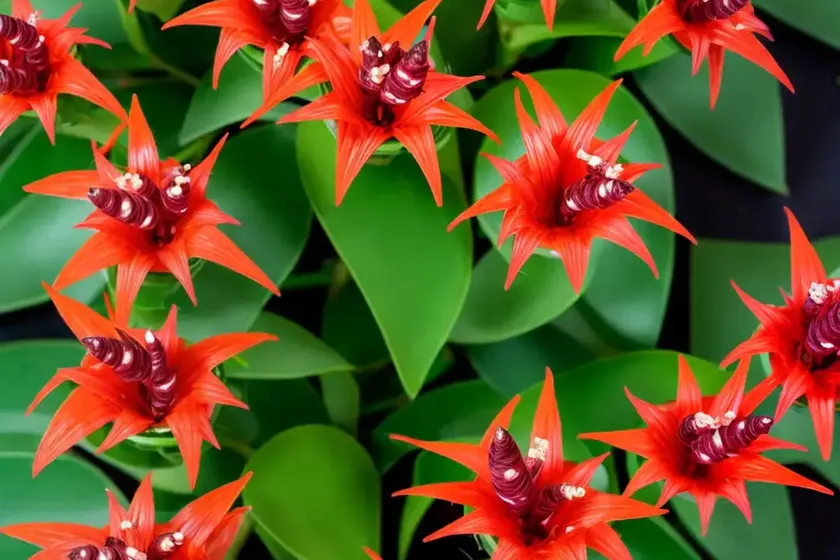
The Lipstick Plant, or Aeschynanthus, is a genus of flowering plants in the family Gesneriaceae. Originating from the tropical regions of Southeast Asia, these evergreen perennials are celebrated for their striking, tubular flowers and glossy foliage. The name “Lipstick Plant” is derived from the resemblance of the plant’s flowers to a tube of lipstick. The Aeschynanthus genus encompasses a diverse range of species, each with its own unique visual appeal and growth habits.
Lipstick Plant ‘Mona Lisa’ (Aeschynanthus ‘Mona Lisa’)
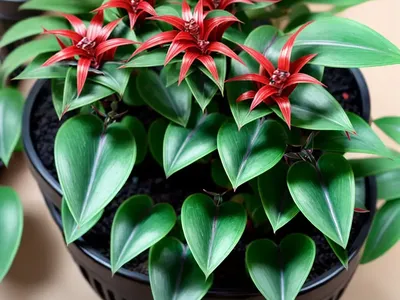
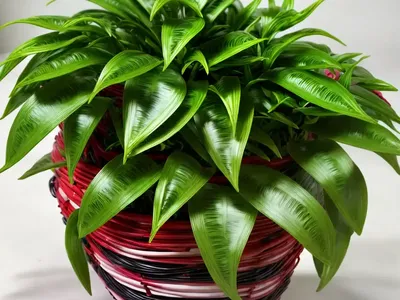
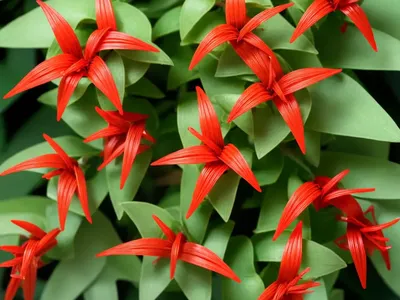
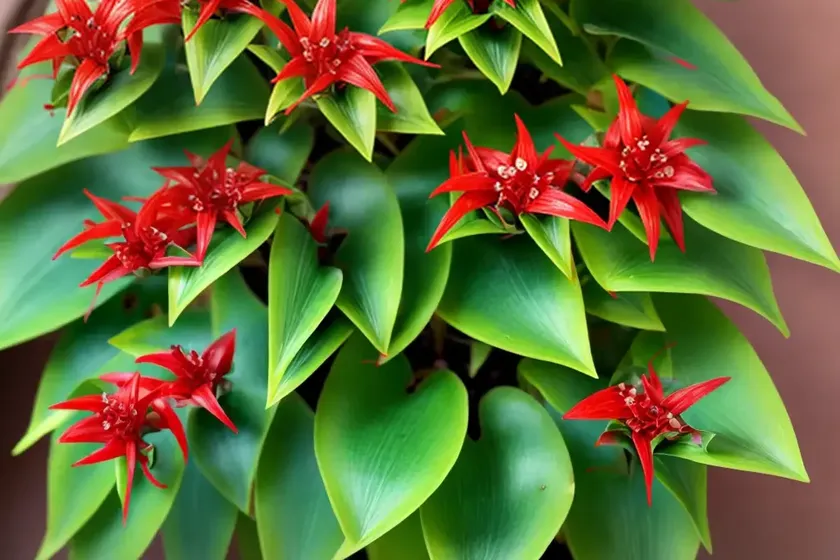
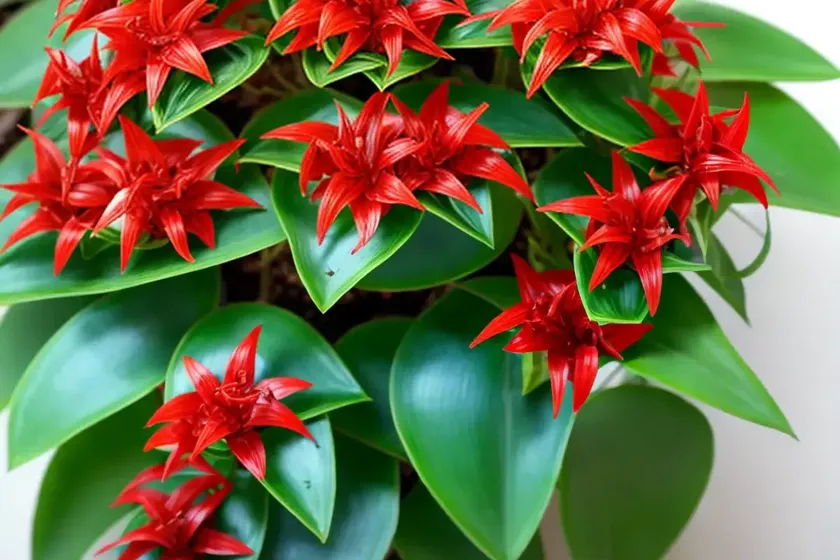
One standout cultivar within the Aeschynanthus genus is the ‘Mona Lisa’ variety. Known for its cascading growth and vibrant blooms, the Aeschynanthus ‘Mona Lisa’ has captivated indoor gardening enthusiasts with its ornamental charm. The elongated, waxy red flowers of the ‘Mona Lisa’ variety are reminiscent of a line of lipsticks, hence the fitting moniker of “Lipstick Plant”. Its lush, dark green foliage serves as a perfect backdrop to the dazzling red flowers, creating a visually arresting spectacle.
Key Takeaways – Lipstick Plant ‘Mona Lisa’ (Aeschynanthus ‘Mona Lisa’)
Culture
- Native Habitat: The Aeschynanthus genus, including the ‘Mona Lisa’ variety, hails from the humid environments of Southeast Asia, particularly Thailand and Malaysia. In their natural habitat, these plants thrive in the dappled shade of the tropical forests, where they receive ample moisture and warmth.
- Growth Habit: A trailing or cascading growth habit characterizes the ‘Mona Lisa’ cultivar, making it well-suited for hanging baskets or elevated planters. The vines can grow up to several feet in length, bearing clusters of vibrant red flowers along the way.
Uses
- Ornamental Appeal: The ‘Mona Lisa’ variety is primarily grown for its decorative allure. The vivid red flowers and glossy foliage make it an eye-catching addition to any indoor space, whether it’s a living room, office, or conservatory. Its trailing nature also makes it an excellent choice for vertical gardening or trailing plant displays.
Plant Care
Water
Proper watering is crucial for the health and vitality of the Lipstick Plant ‘Mona Lisa’. Here are some essential watering tips for optimum care:
– Water Needs: Aeschynanthus ‘Mona Lisa’ thrives in moderately moist conditions. It’s important to allow the soil to dry out slightly between waterings to prevent waterlogging, which can lead to root rot. Using a well-draining potting mix and allowing excess water to escape through drainage holes is essential for maintaining the plant’s overall health.
Sunlight
- Light Requirements: The ‘Mona Lisa’ variety of Aeschynanthus thrives in bright, indirect light. While it can tolerate some degree of direct sunlight, prolonged exposure to intense sunlight may lead to leaf scorching. Placing the plant near a north or east-facing window, or providing dappled sunlight, is ideal for promoting healthy growth and prolific flowering.
Fertilizer
- Feeding Schedule: During the active growing season, from spring to early autumn, regular feeding with a balanced, water-soluble fertilizer promotes vigorous growth and abundant flowering. It’s recommended to fertilize the plant every 2-4 weeks, following the manufacturer’s instructions for dilution and application.
Soil
- Soil Preferences: A well-draining, peat-based potting mix is well-suited for Aeschynanthus ‘Mona Lisa’. The mix should offer good aeration and moisture retention while preventing waterlogging. Adding perlite or coarse sand to the potting mix can enhance its drainage capability, creating an optimal growing medium for the plant.
Pruning
- Pruning Tips: Regular pruning helps maintain the ‘Mona Lisa’ Lipstick Plant’s attractive appearance and encourages bushier growth. Trimming back leggy or overgrown vines, as well as removing spent flowers, promotes new growth and flowering. Additionally, pruning allows for the removal of any damaged or diseased foliage, contributing to the overall vigor of the plant.
Propagation
- Propagation Techniques: Aeschynanthus ‘Mona Lisa’ can be propagated through stem cuttings, offering an excellent way to expand your collection or share the plant with fellow gardening enthusiasts. By taking 4-6 inch cuttings from healthy, non-flowering stems and rooting them in a suitable potting mix, you can successfully propagate new plants. Maintaining high humidity levels and providing gentle bottom warmth can expedite the rooting process.
Container
Selecting the right container is vital for the well-being of the ‘Mona Lisa’ Lipstick Plant. Here are some considerations for choosing the ideal pot:
– Container Type: Hanging baskets or planters with adequate drainage holes are well-suited for the trailing growth habit of Aeschynanthus ‘Mona Lisa’. The choice of container material, such as terracotta, ceramic, or plastic, should align with the plant’s moisture needs and environmental conditions.
Popularity
The ‘Mona Lisa’ variety of Aeschynanthus has garnered popularity among indoor gardening enthusiasts due to its captivating flowers and graceful growth habit. Its ornamental charm and relatively low maintenance requirements make it a sought-after addition to plant collections worldwide.
Common Diseases
Despite being a relatively resilient plant, the ‘Mona Lisa’ Lipstick Plant is susceptible to certain diseases that can affect its overall health. Some common diseases include:
– Fungal Infections: Excessive moisture or poor air circulation can lead to fungal diseases, such as powdery mildew or leaf spot. Maintaining proper watering practices and providing good air circulation around the plant can help prevent fungal issues.
Disease Diagnosis
Identifying and addressing diseases at an early stage is essential for the survival of the Lipstick Plant ‘Mona Lisa’. Keep an eye out for the following symptoms and take appropriate measures:
– Yellowing Leaves: Yellowing or browning of foliage can indicate various issues, including overwatering, underwatering, nutrient deficiencies, or pest infestations. Conduct a thorough assessment to pinpoint the underlying cause and implement targeted remedies.
Common Pests
Pest infestations can pose a threat to the well-being of the ‘Mona Lisa’ Lipstick Plant. Vigilance and prompt action are crucial for pest management. Some common pests to watch out for include:
– Aphids: These tiny, sap-sucking insects can distort new growth and cause leaf yellowing. Regularly inspect the plant for signs of aphid activity, and employ natural remedies or insecticidal soaps to combat the infestation.
Botanist’s Tips
Drawing on the expertise of botanists and plant enthusiasts, here are some valuable tips for nurturing and enjoying the ‘Mona Lisa’ Lipstick Plant:
– Humidity Management: Aeschynanthus ‘Mona Lisa’ benefits from moderate to high humidity levels, mimicking its natural tropical habitat. Placing a humidity tray filled with water and pebbles beneath the plant or using a room humidifier can create an optimal microclimate for the plant.
– Regular Monitoring: Observing the plant closely and monitoring its growth, foliage condition, and flowering patterns enables early detection of any potential issues. This proactive approach allows for timely intervention and adjustment of care practices.
Fun Facts
Delve into the intriguing world of the ‘Mona Lisa’ Lipstick Plant with these captivating fun facts:
– The Aeschynanthus genus, to which the ‘Mona Lisa’ variety belongs, comprises approximately 170 species, showcasing a remarkable diversity of form and flower coloration.
– The vibrant red flowers of the ‘Mona Lisa’ cultivar are not only visually striking but also serve as a source of nectar for pollinators, such as hummingbirds and certain insects, in its native habitat.
Links to External Resources
For further exploration of Lipstick Plant care and related topics, here are some valuable external resources:
1. Aeschynanthus Care Guide – The Spruce
2. Indoor Plant Care – Royal Horticultural Society
3. Managing Pests and Diseases in Indoor Plants – University of Florida
In conclusion, the Lipstick Plant ‘Mona Lisa’ (Aeschynanthus ‘Mona Lisa’) stands as a quintessential example of nature’s artistry, captivating enthusiasts with its cascading vines and vibrant red blooms. By understanding and adhering to its specific care requirements, enthusiasts can cultivate thriving specimens and relish the beauty and elegance of this botanical gem.
Remember, successful plant care requires attentiveness, dedication, and a touch of green-thumb magic. With the right knowledge and proper care, the ‘Mona Lisa’ Lipstick Plant can flourish, enriching its surroundings with its captivating allure. Whether you’re a seasoned gardening aficionado or an aspiring indoor plant enthusiast, the journey of nurturing and appreciating the Lipstick Plant ‘Mona Lisa’ is a truly rewarding endeavor.
So, go ahead, invite a touch of natural splendor into your indoor space, and let the ‘Mona Lisa’ Lipstick Plant paint a masterpiece of color and elegance in your botanical haven.