Zantedeschia ‘Pink Melody’ (Calla Lily)
Zantedeschia ‘Pink Melody’, commonly known as Calla Lily, is a stunning plant that captivates with its elegant blooms and lush foliage. In this.
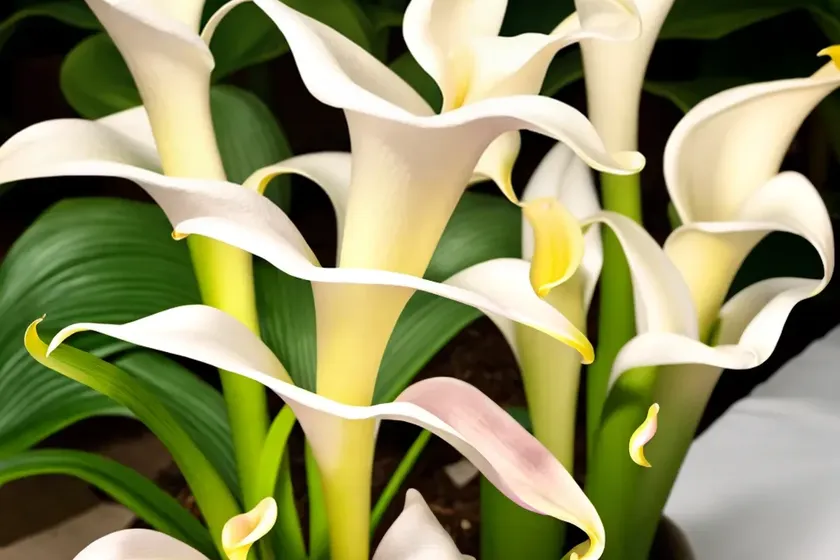
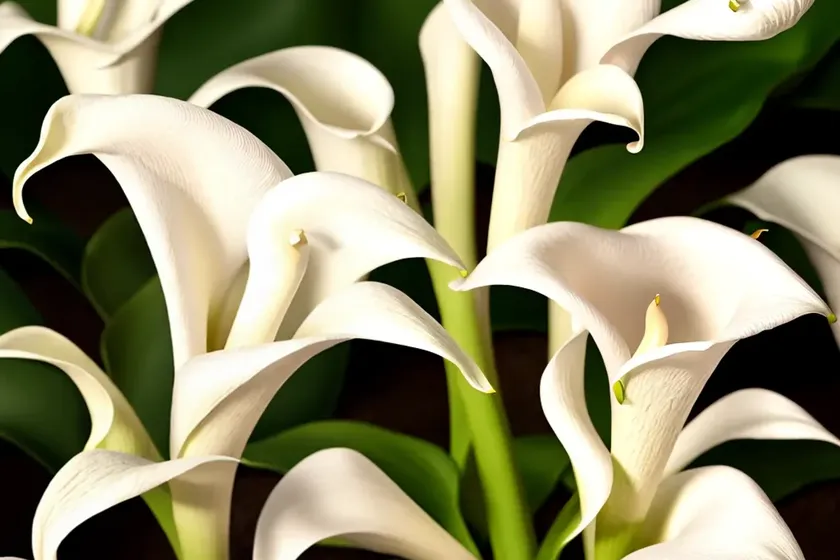
Zantedeschia ‘Pink Melody’, commonly known as Calla Lily, is a stunning plant that captivates with its elegant blooms and lush foliage. In this comprehensive care guide, we’ll explore the key aspects of nurturing and growing this beautiful plant. We will cover its culture, uses, water requirements, sunlight preferences, soil needs, fertilizer application, pruning techniques, propagation methods, container gardening tips, common diseases, pest control, and much more.
What is Zantedeschia ‘Pink Melody’ (Calla Lily)?
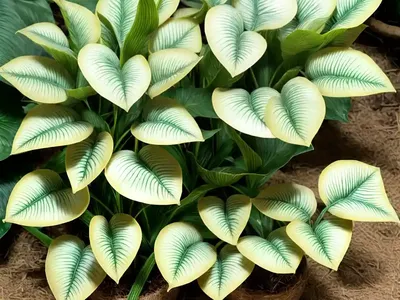
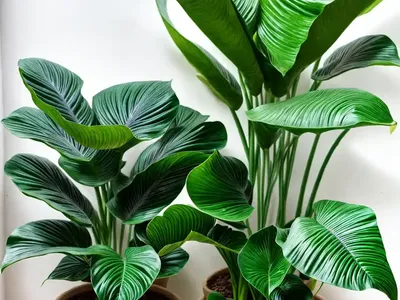
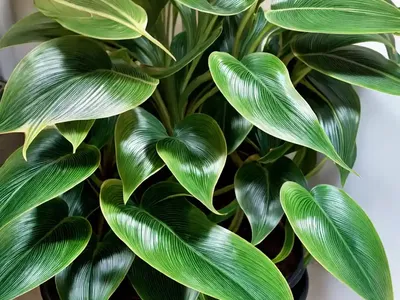
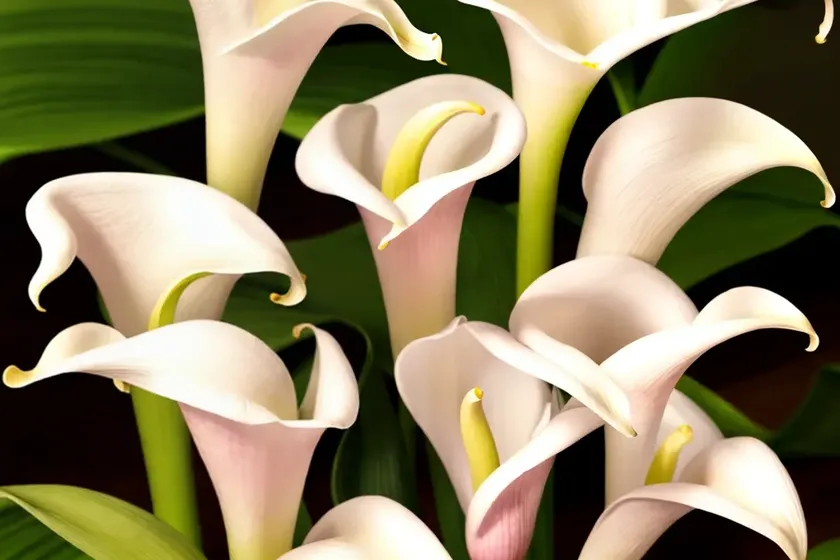
Zantedeschia ‘Pink Melody’, a member of the Araceae family, is a herbaceous perennial native to southern Africa. This striking plant is cherished for its unique trumpet-shaped flowers and arrow-shaped foliage. The ‘Pink Melody’ variety is distinguished by its enchanting pink-hued blooms, which add a delightful splash of color to gardens, landscapes, and indoor spaces.
Key Takeaways – Zantedeschia ‘Pink Melody’ (Calla Lily)
Culture:
– Origin: Southern Africa
– Botanical Name: Zantedeschia ‘Pink Melody’
– Common Names: Calla Lily, Arum Lily
– Growth Habit: Herbaceous perennial
– Flower Color: Pink
– Blooming Season: Late spring to early summer
– Water Needs: Moderate
– Sunlight Preferences: Partial to full sun
– Soil Type: Well-draining, fertile
– Height: 18-24 inches
– Landscape Uses: Borders, containers, water features
Uses:
– Ornamental Purposes
– Cut Flower Arrangements
– Landscape Design
– Indoor Décor
Water:
– Moderate Watering
– Keep Soil Moist, Not Waterlogged
– Avoid Overwatering
Sunlight:
– Partial to Full Sun (4-6 hours of sunlight per day)
Fertilizer:
– Balanced Fertilizer (10-10-10)
– Apply During Active Growth Period
– Avoid Excessive Fertilization
Soil:
– Well-Draining
– Rich in Organic Matter
– pH: Slightly Acidic to Neutral (6.0-7.0)
Pruning:
– Remove Spent Blooms
– Trim Yellowing Leaves
– Cut Back in Fall
Propagation:
– Division
– Rhizome Cuttings
– Seeds (Less Common)
Container Popularity:
– Well-Suited for Containers
– Stunning Patio or Balcony Plant
Common Diseases:
– Root Rot
– Leaf Spot
– Botrytis Blight
Disease Diagnosis:
– Visual Symptoms
– Laboratory Tests (if needed)
Common Pests:
– Aphids
– Spider Mites
– Snails and Slugs
Botanist’s Tips:
– Avoid Waterlogged Soil
– Provide Adequate Sunlight
– Monitor for Pest Infestations
– Use Well-Draining Containers
– Protect from Frost in Cooler Climates
Fun Facts:
– Symbolism: Magnificent Beauty
– Ethnobotanical Uses
– Wildlife Attraction
We will delve deeper into these aspects and provide detailed insights to guide you in the successful cultivation and care of Zantedeschia ‘Pink Melody’.
Culture
Origin and Botanical Information
Zantedeschia ‘Pink Melody’ is indigenous to the marshlands and riverbanks of southern Africa, where it thrives in moist, fertile soils and subtropical climates. Despite its natural habitat, it has gained popularity worldwide as a cherished ornamental plant.
Botanical Name: Zantedeschia ‘Pink Melody’
Common Names: Calla Lily, Arum Lily
Growth Habit: Herbaceous perennial
Flower Color: Pink
Blooming Season: Late spring to early summer
Landscape Uses
The ‘Pink Melody’ variety of Calla Lily is prized for its ornamental value and is often utilized in various landscaping and gardening applications. It adds a touch of elegance and sophistication to outdoor spaces, making it a favored choice for both amateur gardeners and seasoned horticulturists.
Its charming pink blooms stand out against the backdrop of lush, arrow-shaped foliage, creating captivating visual displays in borders, rock gardens, edging, and water features. Additionally, it seamlessly integrates into container gardens, embellishing patios, balconies, and indoor settings with its enchanting presence.
Uses
Ornamental Purposes
Zantedeschia ‘Pink Melody’ is primarily cultivated for its ornamental appeal, gracing gardens, landscapes, and interior spaces with its radiant blooms and rich green foliage. The alluring beauty of its trumpet-shaped flowers adds a touch of glamour to any setting, making it an indispensable component in aesthetic compositions.
Cut Flower Arrangements
The exquisite blooms of the ‘Pink Melody’ Calla Lily are popular choices for cut flower arrangements and floral compositions. The captivating flowers, with their graceful form and vibrant pink hues, add a striking and sophisticated element to bouquets, centerpieces, and various floral designs.
Landscape Design
In landscape design, Zantedeschia ‘Pink Melody’ serves as a versatile and visually appealing element, enhancing the overall aesthetics of outdoor spaces. Whether used as focal points, border accents, or mass plantings, its graceful presence contributes to the creation of captivating and harmonious landscapes.
Indoor Décor
The ‘Pink Melody’ variety is well-suited for indoor cultivation, bringing its captivating beauty to interior settings. Whether displayed in pots or used as cut flowers in vases, it elevates the ambiance of living spaces, adding a touch of elegance and charm to interior décor.
Water
Proper watering is crucial for the health and vitality of Zantedeschia ‘Pink Melody’. While it appreciates moist conditions, it is essential to strike a balance and avoid waterlogging, which can lead to root rot and other detrimental conditions.
Water Needs
Calla Lilies thrive with consistent and moderate watering, maintaining soil moisture without allowing it to become waterlogged. During active growth periods and flowering, ensure that the soil is kept uniformly moist. Some natural drying between waterings is acceptable, but extended dry periods should be avoided.
Watering Tips
1. Moderation is Key: Practice moderate watering to prevent waterlogging and root rot.
2. Consistent Moisture: Maintain a steady level of soil moisture, especially during active growth and flowering.
3. Avoid Overwatering: Prevent excess moisture accumulation in the soil, which can lead to root problems and fungal issues.
Sunlight
Providing adequate sunlight is essential for the healthy growth and prolific blooming of Zantedeschia ‘Pink Melody’. Understanding its sunlight preferences is crucial for ensuring optimal conditions and promoting robust, vigorous plants.
Sunlight Preferences
Calla Lilies thrive in partial to full sun, requiring approximately 4-6 hours of sunlight daily to flourish. In regions with intense afternoon sun and high temperatures, partial shade during the hottest part of the day can be beneficial. Adequate sunlight exposure contributes to sturdy growth, vibrant blooms, and lush foliage.
Sunlight Tips
1. Partial to Full Sun: Position the plants in locations receiving 4-6 hours of sunlight per day.
2. Sunlight Intensity: Provide shade during extreme heat if necessary, especially in regions with intense summer sun.
Fertilizer
Appropriate fertilization plays a pivotal role in supporting the growth, flowering, and overall health of Zantedeschia ‘Pink Melody’. By understanding the fertilizer requirements and best practices, you can ensure that your Calla Lilies receive the essential nutrients for vigorous growth and abundant blooms.
Fertilizer Application
1. Balanced Fertilizer: Use a balanced, water-soluble fertilizer with an equal ratio of essential nutrients (10-10-10 or similar).
2. Timing: Apply fertilizer during the active growth period, typically from spring to early fall.
3. Frequency: Fertilize every 4-6 weeks during the growing season, adjusting the frequency based on plant response and growth.
4. Avoid Excessive Fertilization: Overfertilization can lead to excessive foliage growth at the expense of flowers. Use fertilizer as directed to prevent potential issues.
Soil
The choice of soil and its quality significantly impact the growth and development of Zantedeschia ‘Pink Melody’. Understanding the soil preferences and implementing appropriate soil management practices are vital for promoting healthy root development and robust, thriving plants.
Soil Type
1. Well-Draining: Select well-draining soil to prevent waterlogging and promote optimal root conditions.
2. Rich in Organic Matter: Incorporate organic matter, such as compost or well-rotted manure, to enrich the soil and enhance its fertility.
3. pH Range: Aim for slightly acidic to neutral soil conditions, with a pH range of 6.0-7.0 for optimal growth and nutrient uptake.
Pruning
Pruning is an essential aspect of Calla Lily care, contributing to the overall appearance, health, and vitality of the plants. Proper pruning practices help in maintaining tidy, attractive plants and managing spent blooms and foliage effectively.
Pruning Techniques
1. Remove Spent Blooms: Deadhead fading blooms to encourage continuous flowering and prevent seed formation.
2. Trim Yellowing Leaves: Trim yellowed or damaged leaves to maintain a neat and healthy appearance.
3. Cut Back in Fall: In preparation for the dormant period, trim back the foliage and stems as the plant transitions into winter dormancy.
Propagation
The propagation of Zantedeschia ‘Pink Melody’ enables the expansion of your plant collection and the sharing of its beauty with others. Learning about the various propagation methods and implementing suitable techniques can enhance your gardening experience and creativity.
Propagation Methods
1. Division: Divide mature clumps into smaller sections, ensuring that each division has healthy rhizomes and sufficient roots.
2. Rhizome Cuttings: Harvest and propagate rhizome segments with intact roots to establish new plants with similar characteristics to the parent.
3. Seeds (Less Common): While less common, Calla Lily seeds can be collected, germinated, and grown to propagate new plants, although this method requires more time and attention.
Container Popularity
Zantedeschia ‘Pink Melody’ is well-suited for container gardening, offering an enchanting and versatile option for adorning patios, balconies, and indoor spaces with its captivating beauty. Understanding the specific container requirements and best practices is essential for successful cultivation in pots and planters.
Container Gardening Tips
1. Suitable Containers: Select well-draining containers with ample room for root development and growth.
2. Potting Mix: Use a well-draining, nutrient-rich potting mix to provide favorable growing conditions for the plant.
3. Adequate Drainage: Ensure proper drainage in the containers to prevent waterlogging and root issues.
Common Diseases
Zantedeschia ‘Pink Melody’ may be susceptible to certain diseases and health issues, requiring attentive care, prompt diagnosis, and appropriate management strategies to maintain its vigor and vitality.
Disease Susceptibility
1. Root Rot: Excessive moisture and waterlogging can lead to root rot, causing symptoms such as wilting, yellowing foliage, and overall decline.
2. Leaf Spot: Fungal infections can result in the development of leaf spots, affecting the aesthetic appeal and health of the plant.
3. Botrytis Blight: In humid and damp conditions, Botrytis blight can affect the flowers and foliage, leading to decay and browning of plant tissues.
Disease Diagnosis
Upon observing symptoms of potential diseases or health issues, it is essential to conduct a thorough diagnosis to identify the underlying problems and implement targeted treatment and management strategies.
Diagnosis Steps
1. Visual Symptoms: Examine the plant for visual cues such as discoloration, wilting, spots, or abnormal growth patterns.
2. Laboratory Tests (if needed): If necessary, conduct laboratory tests to confirm the presence of specific pathogens or diseases and facilitate accurate diagnosis.
Common Pests
The presence of pests can pose a threat to the health and vigor of Zantedeschia ‘Pink Melody’, necessitating vigilant pest control measures and intervention to protect the plants from potential damage.
Common Pests
1. Aphids: Sap-sucking pests that can cause distortion of new growth and the development of sticky honeydew.
2. Spider Mites: Tiny pests that feed on plant tissues, leading to stippling, discoloration, and webbing on the foliage.
3. Snails and Slugs: These creatures can feast on the tender foliage and flowers, causing visible damage and compromising the aesthetic appeal of the plants.
Botanist’s Tips
As a botanist, I have encountered numerous instances of cultivating and caring for Zantedeschia ‘Pink Melody’. Here are some valuable tips based on my experience and expertise to help you in successfully nurturing and enjoying the beauty of this captivating plant.
Tips for Care and Cultivation
1. Avoid Waterlogged Soil: Ensure that the soil remains uniformly moist but not excessively wet to prevent the risk of root rot and other water-related issues.
2. Provide Adequate Sunlight: Position the plants in locations receiving sufficient sunlight, optimizing their growth, blooming, and foliage development.
3. Monitor for Pest Infestations: Regularly inspect the plants for signs of pests and promptly address any infestations to prevent damage and stress to the plants.
4. Use Well-Draining Containers: For container cultivation, utilize pots with proper drainage to maintain ideal growing conditions and root health.
5. Protect from Frost in Cooler Climates: In regions with cooler temperatures, provide protection from frost to safeguard the plants during winter months.
Fun Facts
Zantedeschia ‘Pink Melody’ possesses fascinating attributes and uses that contribute to its allure and cultural significance. Exploring these fun facts and unique characteristics adds depth to our appreciation of this captivating plant.
Symbolism and Ethnobotanical Uses
1. Symbolism: Calla Lilies, including the ‘Pink Melody’ variety, are often associated with themes of purity, elegance, and magnificent beauty, making them popular choices for floral arrangements and symbolic gestures.
2. Ethnobotanical Uses: Historically, Calla Lilies have been utilized in various traditional and medicinal practices, showcasing their cultural and ethnobotanical significance across different cultures and regions.
Wildlife Attraction and Garden Design
1. Wildlife Attraction: The vibrant blooms of Zantedeschia ‘Pink Melody’ can attract pollinators such as bees and butterflies, contributing to the ecological diversity and dynamics of garden spaces.
2. Garden Design Ideas: Incorporating Calla Lilies in garden designs offers an opportunity to create visually captivating and harmonious landscapes, utilizing their graceful form and captivating blooms as design elements.
Conclusion
In conclusion, Zantedeschia ‘Pink Melody’ is a remarkable plant that offers captivating beauty, versatility, and cultural significance. From its elegant pink blooms to its lush foliage, this enchanting variety of Calla Lily enriches garden landscapes, indoor settings, and floral arrangements with its graceful presence.
By understanding its precise care requirements, including water, sunlight, soil, and fertilization needs, as well as effective pruning, propagation, and pest control practices, you can foster the healthy and vibrant growth of Zantedeschia ‘Pink Melody’. Whether displayed in gardens, containers, or floral compositions, this captivating plant continues to captivate with its radiant blooms and enduring allure.
Remember, the key to successful Zantedeschia ‘Pink Melody’ cultivation lies in providing attentive care, maintaining optimal growing conditions, and celebrating the timeless beauty of this extraordinary plant.
References
1. Royal Horticultural Society. “Growing Calla Lilies”. https://www.rhs.org.uk/advice/profile?pid=137
2. University of Florida IFAS Extension. “Zantedeschia Hybrid (Calla Lily)”. http://gardeningsolutions.ifas.ufl.edu/plants/ornamentals/calla-lily.html
3. Gardening Know How. “Calla Lily Care – How To Grow Callas”. https://www.gardeningknowhow.com/ornamental/bulbs/calla-lily
4. American Society for the Prevention of Cruelty to Animals (ASPCA). “Calla Lily”. https://www.aspca.org/pet-care/animal-poison-control/toxic-and-non-toxic-plants/calla-lily
5. Better Homes & Gardens. “Calla Lily: Plant Care and Collection of Varieties”. https://www.bhg.com/gardening/plant-dictionary/bulb/calla-lily/
6. Missouri Botanical Garden. “Zantedeschia aethiopica”. http://www.missouribotanicalgarden.org/PlantFinder/PlantFinderDetails.aspx?kempercode=h740