Zantedeschia Aethiopica ‘Green Goddess’ (Calla Lily)
The Zantedeschia aethiopica ‘Green Goddess’, commonly known as Calla Lily, is a stunning perennial plant that is sought after for its elegant white.
Introduction
The Zantedeschia aethiopica ‘Green Goddess’, commonly known as Calla Lily, is a stunning perennial plant that is sought after for its elegant white flowers. This plant is a favorite among gardeners due to its iconic blooms and vibrant foliage, making it a popular choice for both outdoor and indoor cultivation. In this comprehensive guide, we will explore the various aspects of caring for the Zantedeschia aethiopica ‘Green Goddess’, including its cultural requirements, uses, water and sunlight needs, fertilizer preferences, soil conditions, pruning tips, propagation methods, container gardening, common diseases and pests, as well as botanist’s tips, fun facts, and links to external resources for further reading.
What is Zantedeschia aethiopica ‘Green Goddess’ (Calla Lily)?
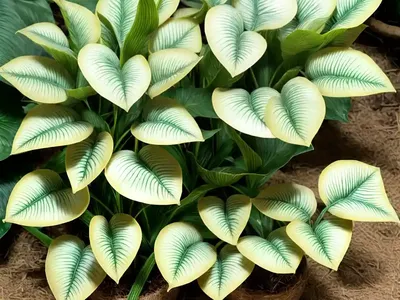
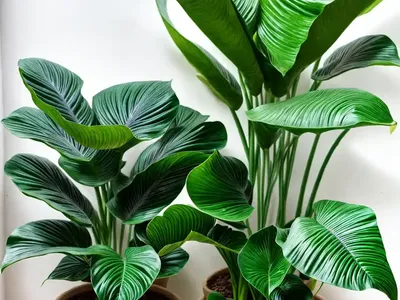
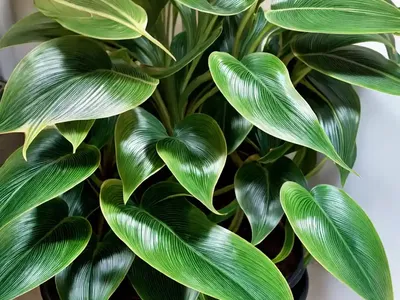
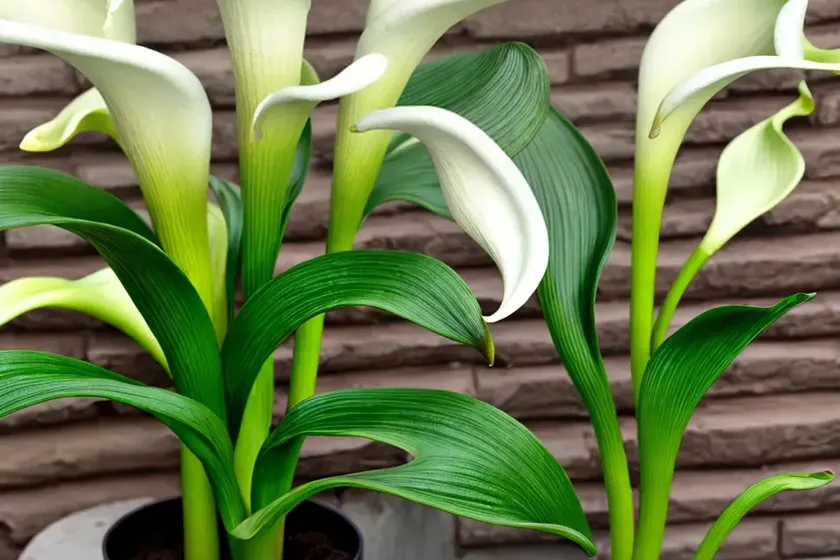
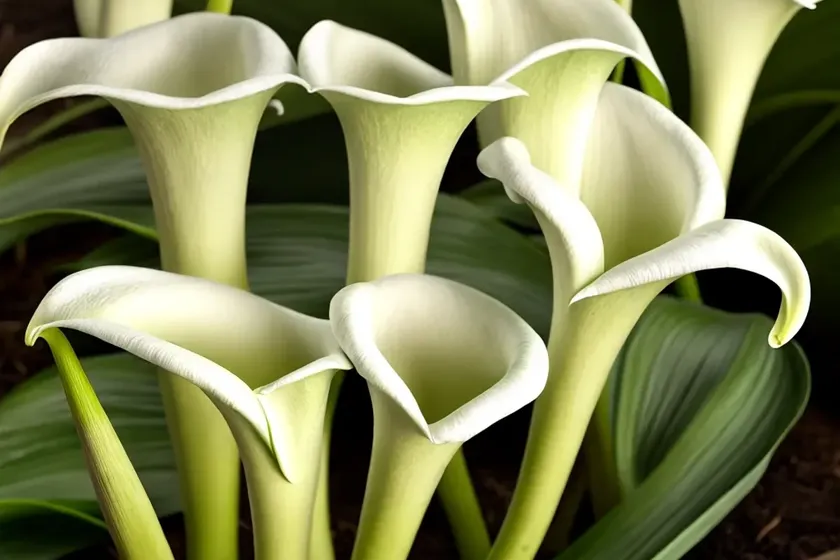
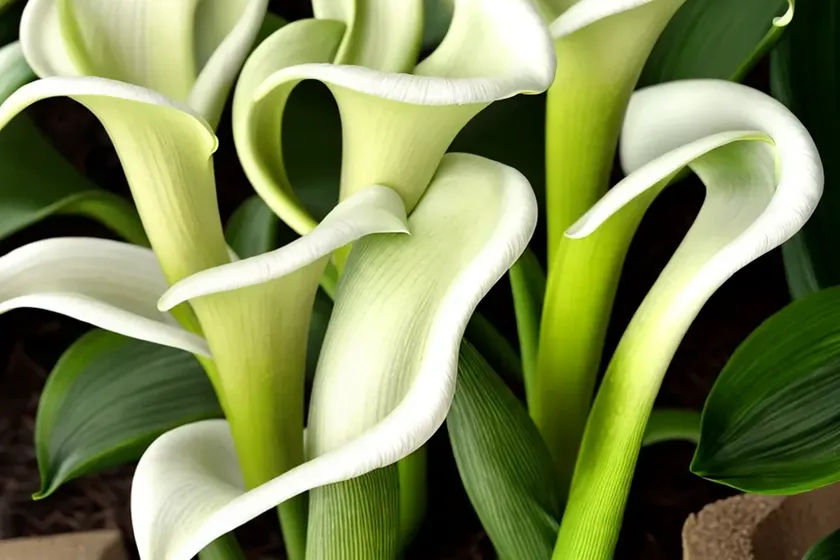
Zantedeschia aethiopica ‘Green Goddess’, also known as the Calla Lily, is a species of flowering plant native to southern Africa. It belongs to the family Araceae and is renowned for its striking, funnel-shaped white flowers and lush green foliage. The ‘Green Goddess’ variety is characterized by its distinctive green throat, which adds a unique touch to its already captivating appearance. Its graceful blooms and resplendent leaves make it a popular choice for landscaping, cut flower arrangements, and container gardening.
Key Takeaways – Zantedeschia aethiopica ‘Green Goddess’ (Calla Lily)
Before delving into the specifics of caring for the Zantedeschia aethiopica ‘Green Goddess’, let’s highlight the key takeaways that will be covered in this comprehensive care guide. These key points will serve as a useful reference as we explore the various facets of nurturing this enchanting plant.
Culture
- Origin: Southern Africa
- Plant Type: Perennial
- Flower Color: White with a green throat
- Foliage: Lush green, arrow-shaped leaves
- Ideal for: Landscaping, cut flower arrangements, container gardening
Uses
- Landscaping
- Cut flower arrangements
- Container gardening
Water
- Moderate watering needs
- Moist, well-drained soil
- Avoid waterlogging
Sunlight
- Partial shade to full sun
- Protection from intense midday sun
Fertilizer
- Balanced, water-soluble fertilizer
- Application during active growth periods
Soil
- Well-draining, nutrient-rich soil
- pH: Slightly acidic to neutral (6.0-7.0)
Pruning
- Removal of faded blooms and yellowing leaves
- Pruning to maintain plant shape
Propagation
- Division of rhizomes
- Seed propagation
- Offsets or bulbils
Container Popularity
- Well-suited for container gardening
- Thrives in large pots with proper drainage
Container Common Diseases
- Rhizome rot
- Leaf spot diseases
Disease Diagnosis
- Visual symptoms
- Laboratory diagnosis for precise identification
Common Pests
- Aphids
- Spider mites
- Scale insects
Botanist’s Tips
- Ideal growing conditions
- Disease prevention
- Pest control measures
Fun Facts
- Unique flower structure
- Symbolism
- Historical significance
Links to External Resources
At the end of this guide, you will find a curated list of external resources for additional information on the care and cultivation of Zantedeschia aethiopica ‘Green Goddess’.
Plant Name: Zantedeschia aethiopica ‘Green Goddess’ (Calla Lily)
Now that we have outlined the key takeaways, let’s venture into the detailed care requirements for the Zantedeschia aethiopica ‘Green Goddess’, addressing each aspect comprehensively.
Zantedeschia aethiopica ‘Green Goddess’ Care Guide
In this section, we will delve into the specific care guidelines for the Zantedeschia aethiopica ‘Green Goddess’, covering its cultural requirements, water and sunlight needs, preferred soil conditions, fertilizer application, pruning methods, propagation techniques, container gardening, as well as common diseases and pests management.
Zantedeschia aethiopica ‘Green Goddess’ Cultural Requirements
Understanding the cultural background and ideal growing conditions for the Zantedeschia aethiopica ‘Green Goddess’ is crucial for ensuring its optimal development and exuberant blooms. This section will provide insights into the plant’s origin, characteristics, and its uses in landscaping and ornamental horticulture.
Origin and Characteristics
The Zantedeschia aethiopica ‘Green Goddess’ is indigenous to the region of southern Africa, where it thrives in the rich, fertile soils and temperate climate of its natural habitat. As a perennial plant, it displays year-round vigor, with its iconic white flowers and lush green leaves creating a visually captivating display.
Uses in Landscaping and Ornamental Horticulture
The Zantedeschia aethiopica ‘Green Goddess’ is widely utilized in landscaping and ornamental horticulture due to its aesthetic appeal and versatility. It serves as a striking focal point in garden beds and borders, enhancing the visual allure of the landscape with its radiant blooms and vibrant foliage. Additionally, it is a popular choice for cut flower arrangements, adding elegance and grace to floral compositions. Furthermore, its adaptability to container gardening makes it an ideal selection for adorning patios, balconies, and indoor spaces.
Water Needs of Zantedeschia aethiopica ‘Green Goddess’
Proper watering is essential for maintaining the health and vitality of the Zantedeschia aethiopica ‘Green Goddess’. Understanding its water requirements and ensuring adequate moisture levels are imperative for promoting vigorous growth and prolific blooming.
Watering Guidelines
- Moderate Watering: The Zantedeschia aethiopica ‘Green Goddess’ prefers moderate watering, with the soil being kept consistently moist but not waterlogged. Adequate moisture is essential, especially during the active growth phase and flowering period.
- Well-Drained Soil: It is crucial to plant the Calla Lily in well-draining soil to prevent waterlogging, which can lead to root rot and other moisture-related issues. Ensuring proper drainage aids in maintaining the optimal moisture levels for the plant’s root system.
- Avoid Waterlogging: Overly wet conditions should be avoided, as they can result in the onset of root diseases and adversely impact the plant’s overall health. Monitoring soil moisture and ensuring proper drainage are essential for preventing waterlogging.
Sunlight Requirements for Zantedeschia aethiopica ‘Green Goddess’
Sunlight is a fundamental factor influencing the growth and flowering of the Zantedeschia aethiopica ‘Green Goddess’. Understanding its sunlight preferences and providing suitable light conditions are pivotal for fostering its vigorous development and ensuring an abundant display of blooms.
Sunlight Needs
- Partial Shade to Full Sun: The Calla Lily ‘Green Goddess’ thrives in partial shade to full sun exposure. It appreciates bright, indirect light and can also tolerate direct sunlight, provided that it is shielded from intense midday sun during the peak summer months.
- Protection from Intense Midday Sun: Shielding the plant from the intense midday sun, especially in regions with scorching summers, is advisable to prevent leaf scorch and dehydration. Providing dappled shade or filtered sunlight during the hottest part of the day is beneficial for maintaining the plant’s vigor and foliage health.
Fertilizer Application for Zantedeschia aethiopica ‘Green Goddess’
Strategic fertilizer application plays a crucial role in supporting the growth, flowering, and overall vitality of the Zantedeschia aethiopica ‘Green Goddess’. This section will present guidelines for the appropriate use of fertilizers to maximize the plant’s potential and ensure robust blooms.
Fertilizer Preferences
- Balanced, Water-Soluble Fertilizer: The Calla Lily ‘Green Goddess’ responds well to a balanced, water-soluble fertilizer, which provides essential nutrients to support its growth and flowering. Selecting a fertilizer formulated for flowering plants can aid in promoting the development of vibrant blooms and healthy foliage.
- Application Timing: Fertilizers should be applied during the active growth periods, typically spring through early fall, to supply the plant with the necessary nutrients for sustained vigor and prolific flowering. Regular, controlled-release applications or diluted liquid fertilizers are beneficial for meeting the plant’s nutritional requirements.
Soil Conditions for Zantedeschia aethiopica ‘Green Goddess’
The soil composition and quality significantly influence the growth, root health, and overall performance of the Zantedeschia aethiopica ‘Green Goddess’. Understanding its soil preferences and ensuring suitable soil conditions are essential for cultivating a thriving and resilient plant.
Soil Preferences
- Well-Draining, Nutrient-Rich Soil: The Calla Lily ‘Green Goddess’ thrives in well-draining, nutrient-rich soil that offers a balanced combination of moisture retention and aeration. Amending the soil with organic matter such as compost or well-rotted manure can improve its structure and fertility, catering to the plant’s nutritional needs.
- pH: Slightly Acidic to Neutral (6.0-7.0): The ideal soil pH for Zantedeschia aethiopica ‘Green Goddess’ ranges from slightly acidic to neutral, with a pH level of 6.0-7.0 being conducive to its growth and flowering. Testing the soil pH and making necessary adjustments can contribute to an optimal growing environment for the plant.
Pruning Tips for Zantedeschia aethiopica ‘Green Goddess’
Proper pruning practices are essential for maintaining the aesthetic appeal, vigor, and disease-free status of the Zantedeschia aethiopica ‘Green Goddess’. This section will outline the pruning guidelines for promoting healthy growth and enhancing the plant’s visual allure.
Pruning Techniques
- Removal of Faded Blooms and Yellowing Leaves: Regularly removing faded flowers and yellowing foliage is essential for preventing the formation of seed pods and conserving the plant’s energy for further growth and flowering. Deadheading spent blooms ensures a tidy appearance and encourages continuous flower production.
- Pruning to Maintain Plant Shape: Trimming back overgrown or unruly foliage can help maintain the desirable shape and form of the plant. Cutting back excessive growth and maintaining a balanced, compact structure enhances the overall visual impact of the Calla Lily ‘Green Goddess’.
Propagation Methods for Zantedeschia aethiopica ‘Green Goddess’
Propagating the Zantedeschia aethiopica ‘Green Goddess’ allows for the expansion of its presence in the garden or the creation of new plantings. This section will explore the various propagation techniques, including division of rhizomes, seed propagation, and offsets or bulbils.
Propagation Techniques
- Division of Rhizomes: Dividing the plant’s rhizomes during the dormant season facilitates the creation of new plants and rejuvenates established clumps. Carefully separating the rhizomes and replanting them in suitable growing conditions can yield robust, flourishing offspring.
- Seed Propagation: Collecting and sowing the seeds from mature seed pods can be an exciting way to propagate the Calla Lily ‘Green Goddess’. Seed propagation allows for the cultivation of new plants and exploration of genetic variations, contributing to the diversity within the plant population.
- Offsets or Bulbils: Harvesting offsets or bulbils that develop from the parent plant presents another avenue for propagation. These young plantlets can be carefully detached and replanted to establish independent growth, contributing to the expansion of the plant’s presence in the garden.
Container Gardening for Zantedeschia aethiopica ‘Green Goddess’
The Zantedeschia aethiopica ‘Green Goddess’ is well-suited for container gardening, offering an elegant and compact ornamental addition to outdoor or indoor spaces. This section will present insights into its container popularity, common diseases associated with container cultivation, and tips for successful container gardening.
Well-Suited for Container Gardening
- The Calla Lily ‘Green Goddess’ is well-suited for container gardening, where it can thrive in large pots or containers with proper drainage and suitable growing medium. Its graceful floral display and vibrant foliage make it an enchanting addition to patios, porches, or indoor settings, enhancing the visual appeal of the surroundings.
Common Diseases in Container Gardening
- Rhizome Rot: In container gardening, the risk of rhizome rot can increase due to poor drainage or overly moist conditions. Regular inspection of the rhizomes and adherence to proper watering practices are essential for preventing the onset of this disease.
- Leaf Spot Diseases: Observing and addressing signs of leaf spot diseases in container-grown Zantedeschia aethiopica ‘Green Goddess’ is critical for minimizing their impact and maintaining the plant’s foliage health. Promoting air circulation and avoiding overhead watering can contribute to disease prevention.
Disease Diagnosis and Prevention for Zantedeschia aethiopica ‘Green Goddess’
Recognizing the symptoms of common diseases and implementing preventive measures are vital for safeguarding the health and vitality of the Zantedeschia aethiopica ‘Green Goddess’. This section will address the visual cues for disease diagnosis and strategies for disease prevention.
Visual Symptoms
- Rhizome Rot: Softening, browning, or foul odor from the rhizomes indicate the presence of rhizome rot, necessitating immediate inspection and remedial action to salvage the affected plant.
- Leaf Spot Diseases: The appearance of lesions, yellowing, or browning of leaf tissue signals the onset of leaf spot diseases, highlighting the need for timely intervention to prevent further spread.
Laboratory Diagnosis for Precise Identification
- In cases of uncertain disease diagnosis or severe symptoms, obtaining laboratory analysis of the affected plant tissues can aid in precise identification of pathogens or causal agents. This diagnostic approach enables targeted treatment and management strategies to be implemented effectively.
Pest Control Measures for Zantedeschia aethiopica ‘Green Goddess’
Addressing common pests and implementing pest control measures are essential for safeguarding the Zantedeschia aethiopica ‘Green Goddess’ against potential infestations and minimizing damage to the plant. This section will cover common pests and strategies for effective pest control.
Common Pests
- Aphids: Monitoring for the presence of aphids and promptly addressing infestations through physical removal or targeted treatments mitigates the risk of aphid damage to the plant’s foliage and buds.
- Spider Mites: Vigilant observation and preventive measures are essential for combating spider mite infestations, which can lead to stippling and discoloration of the leaves. Maintaining adequate humidity levels and managing environmental conditions can deter spider mites.
- Scale Insects: Regular inspection for scale insects and the implementation of appropriate control methods, such as horticultural oils or insecticidal soaps, are crucial for preventing infestations and protecting the plant from scale damage.
Botanist’s Tips for Zantedeschia aethiopica ‘Green Goddess’
Drawing upon the insights of botanists and experienced horticulturists provides valuable guidelines for optimizing the growth, flowering, and overall well-being of the Zantedeschia aethiopica ‘Green Goddess’. This section will share tips from botanists regarding ideal growing conditions, disease prevention, and effective pest control measures.
Ideal Growing Conditions
- Choosing Suitable Growing Locations: Selecting well-drained, partially shaded to sunny locations for planting the Calla Lily ‘Green Goddess’ promotes its vitality and exuberant flowering. Ensuring protection from intense midday sun and providing a conducive microclimate are pivotal for its thriving development.
- Adequate Soil Preparation: Properly preparing the soil with organic amendments and maintaining an optimal pH level creates a fertile and hospitable growth environment for the plant. Addressing soil deficiencies and promoting a balanced soil structure are paramount.
Disease Prevention
- Practicing Good Sanitation: Regularly removing plant debris, spent blooms, and decaying foliage contributes to a clean and hygienic plant environment, reducing the risk of disease development and pest harborage.
- Avoiding Overcrowding: Allowing adequate spacing between individual plants and promoting air circulation deters the onset and spread of fungal diseases, enhancing the overall health and resilience of the plant population.
Pest Control Measures
- Integrated Pest Management (IPM) Approach: Embracing an IPM approach that incorporates cultural, mechanical, and biological control measures alongside targeted pesticide applications offers a comprehensive strategy for managing pest issues while minimizing environmental impact.
- Utilizing Natural Predators: Encouraging the presence of beneficial insects and natural predators within the garden creates a balanced ecosystem and aids in natural pest control, promoting harmony and resilience within the plant community.
Fun Facts about Zantedeschia aethiopica ‘Green Goddess’
Exploring the fascinating nuances and unique aspects of the Zantedeschia aethiopica ‘Green Goddess’ adds depth and appreciation to its presence in the garden and horticultural settings. This section will unveil captivating fun facts about the plant, encompassing its flower structure, symbolism, and historical significance.
Unique Flower Structure
- The calla lily is renowned for its distinctive flower structure, characterized by a trumpet-shaped spathe surrounding a central spadix. This elegant floral arrangement exudes sophistication and allure, making it a sought-after choice for ornamental displays and floral arrangements.
Symbolism
- The calla lily, including the ‘Green Goddess’ variety, carries a range of symbolic meanings, including purity, renewal, and sophistication. It has been associated with special occasions, such as weddings, and is a cherished symbol in various cultures and traditions.
Historical Significance
- With a rich history dating back centuries, the calla lily has held cultural and historical significance in different regions across the world. It has adorned artworks, inspired literature, and captured the imagination of artists and enthusiasts, weaving a timeless tapestry of allure and reverence.
Links to External Resources
For comprehensive information and in-depth insights into the care and cultivation of Zantedeschia aethiopica ‘Green Goddess’, the following external resources are invaluable references for further exploration and learning:
– The American Horticultural Society A-Z Encyclopedia of Garden Plants
– Royal Horticultural Society Plant Guides
Conclusion
In conclusion, the Zantedeschia aethiopica ‘Green Goddess’, or Calla Lily, is an enchanting and versatile plant that adds grace and elegance to gardens, cut flower arrangements, and container displays. By understanding its cultural requirements, water and sunlight needs, soil preferences, fertilizer application, pruning techniques, propagation methods, container gardening attributes, common diseases and pests, and utilizing the insights and tips shared in this comprehensive guide, gardeners and plant enthusiasts can foster the thriving growth and exuberant flowering of the ‘Green Goddess’ variety. Embracing the beauty and allure of this iconic plant while employing sound horticultural practices and botanical wisdom ensures a rewarding and enchanting experience with the Zantedeschia aethiopica ‘Green Goddess’ in diverse horticultural settings.
Keywords: Zantedeschia aethiopica ‘Green Goddess’ care, Calla Lily ‘Green Goddess’ plant care, Zantedeschia aethiopica ‘Green Goddess’ characteristics, Calla