Pink Arum Lily (Zantedeschia Rehmannii)
Welcome to our comprehensive plant care guide for the Pink Arum Lily, scientifically known as Zantedeschia Rehmannii. This exotic and charming plant, also.
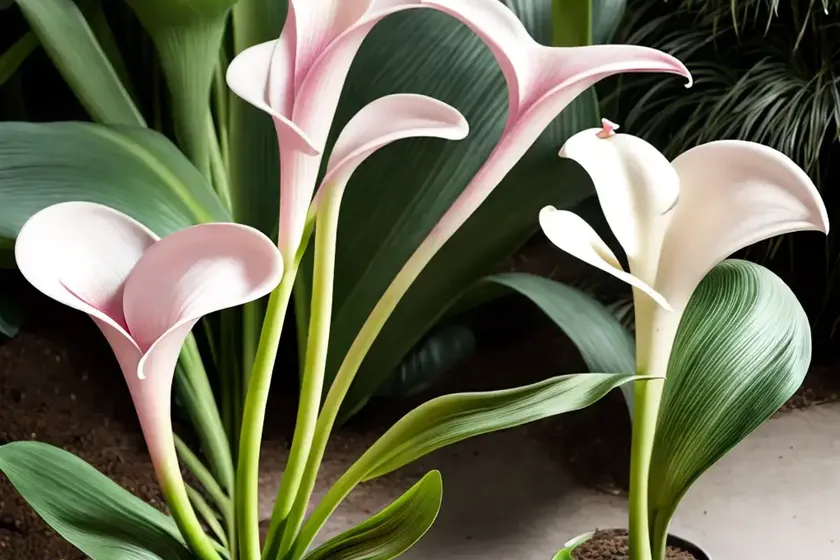
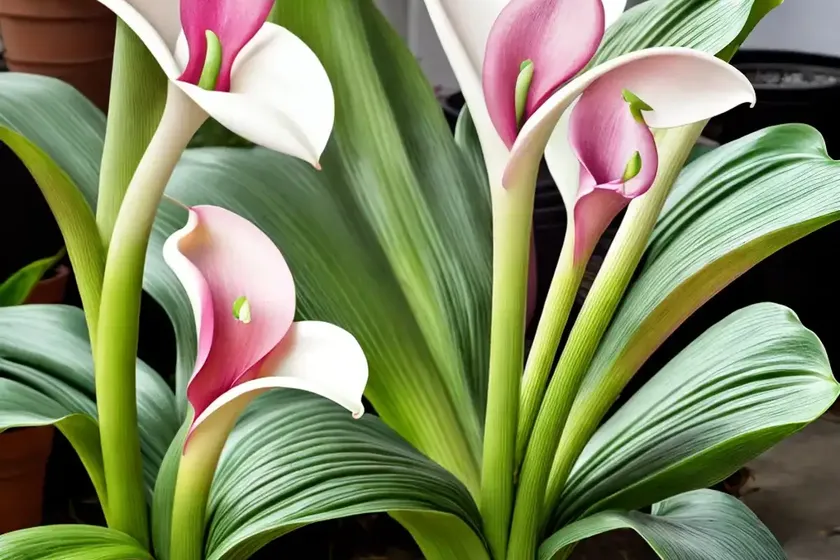
Welcome to our comprehensive plant care guide for the Pink Arum Lily, scientifically known as Zantedeschia Rehmannii. This exotic and charming plant, also commonly referred to as the Pink Calla Lily or Arum Lily, is a delightful addition to any garden or indoor space. Throughout this guide, we will explore the culture, uses, care requirements, propagation, and maintenance of the Pink Arum Lily, along with essential tips from botanists and intriguing fun facts about this beautiful plant.
What is the Pink Arum Lily?
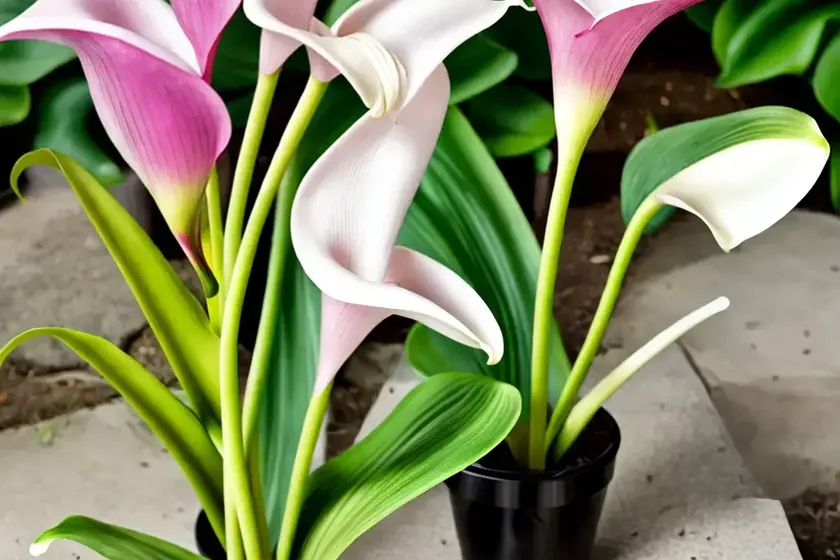
The Pink Arum Lily (Zantedeschia Rehmannii) is an elegant perennial plant that belongs to the Araceae family. It is native to the grasslands and marshy areas of South Africa, where it thrives in the moist, well-drained soils and moderate climates. This stunning plant is renowned for its vibrant pink spathes and arrow-shaped green leaves, making it a popular choice for ornamental purposes in gardens and landscapes.
Key Takeaways – Pink Arum Lily (Zantedeschia Rehmannii)
Before delving into the specifics of caring for the Pink Arum Lily, let’s highlight some key takeaways about this striking plant:
- Scientific Name: Zantedeschia Rehmannii
- Alternate Names: Pink Calla Lily, Arum Lily, Pink Zantedeschia, Rehmann’s Calla Lily
- Native Habitat: South Africa
- Distinctive Features: Vibrant pink spathes, arrow-shaped green leaves
- Uses: Ornamental garden plant, cut flower
- Cultural Significance: Associated with purity, faith, and virtue in various cultures
- Plant Type: Perennial with rhizomatous growth
- Hardiness: USDA Hardiness Zones 8-11
Now that we have a brief overview of the Pink Arum Lily, let’s delve into the specific aspects of its culture, uses, and care requirements.
Culture of Pink Arum Lily
Cultivating the Pink Arum Lily requires an understanding of its preferred growing conditions, propagation methods, and distinctive characteristics that contribute to its overall appeal. The following sections will provide insights into the optimal culture for this enchanting plant.
Uses
The Pink Arum Lily has a multitude of uses that make it a sought-after addition to gardens and floral arrangements. Some of its primary uses include:
- Ornamental Plant: The elegant pink spathes and lush foliage make the Pink Arum Lily a stunning ornamental plant, perfect for adding a touch of sophistication to any garden or landscape.
- Cut Flower: The long-lasting cut flowers of the Pink Arum Lily are popular choices for floral arrangements and bouquets, adding a touch of elegance and charm to any floral display.
Water
Proper watering is crucial for the health and vitality of the Pink Arum Lily. Here are some essential considerations for watering this plant:
-
Moisture Needs: The Pink Arum Lily thrives in consistently moist soil, especially during its active growth period. Adequate watering helps maintain the soil’s moisture level without waterlogging.
-
Watering Frequency: During the growing season, regular watering is essential, ensuring that the soil remains evenly moist. However, it’s crucial to avoid overwatering, as excessive moisture can lead to root rot.
Sunlight
Providing appropriate sunlight is essential for the Pink Arum Lily to thrive and produce its distinctive blooms. Consider the following factors related to sunlight requirements:
-
Light Preferences: This plant thrives in partial shade to full sun, making it adaptable to various light conditions. However, it generally performs best in partial shade with dappled sunlight, especially in regions with intense heat.
-
Optimal Placement: When planting the Pink Arum Lily, select a location with filtered sunlight or partial shade, particularly during the hottest parts of the day. This helps prevent sunscald and minimizes stress on the plant.
Fertilizer
The Pink Arum Lily benefits from regular fertilization to support its growth and encourage prolific flowering. Here are some important aspects to consider when fertilizing this plant:
-
Fertilizer Type: Choose a balanced, water-soluble fertilizer formulated for flowering plants. A 10-10-10 NPK (nitrogen, phosphorus, potassium) fertilizer, diluted to half strength, is suitable for the Pink Arum Lily.
-
Application Schedule: Begin fertilizing in early spring as new growth emerges, and continue monthly applications throughout the growing season. Reduce or discontinue fertilization in late summer to early fall as the plant prepares for dormancy.
Soil
The soil requirements of the Pink Arum Lily play a pivotal role in its overall health and performance. Consider the following soil-related considerations when cultivating this plant:
-
Well-Draining Soil: Plant the Pink Arum Lily in a well-draining, humus-rich soil to prevent waterlogging and root rot. A soil mix that retains moisture without becoming waterlogged is ideal for this plant.
-
Acidic to Neutral pH: The optimal soil pH for the Pink Arum Lily ranges from slightly acidic to neutral (pH 6.0-7.0). Maintaining a balanced pH level supports nutrient uptake and promotes healthy growth.
Pruning
Proper pruning and maintenance help ensure the Pink Arum Lily’s continued health, vigor, and aesthetic appeal. Explore the following pruning guidelines for this captivating plant:
-
Deadheading Spent Blooms: Removing spent flowers and developing seed pods promotes continuous blooming and redirects the plant’s energy into producing new blooms.
-
Trimming Foliage: Trim any damaged or yellowing foliage to maintain the plant’s overall appearance and reduce the risk of disease or pest infestation.
Propagation of Pink Arum Lily
Effective propagation methods are essential for expanding your Pink Arum Lily collection or sharing this exquisite plant with others. The following methods offer successful approaches to propagate the Pink Arum Lily:
Container Propagation
-
Selecting Containers: Choose well-draining containers with adequate drainage holes to prevent waterlogging. Opt for containers that provide ample room for the developing root system.
-
Preparing Growing Medium: Use a well-draining potting mix or a blend of peat moss, perlite, and vermiculite to create an ideal medium for root development. Ensure the medium is moist but not waterlogged.
-
Division: Carefully divide the rhizomes, ensuring each division has healthy roots and at least one growing point or bud. Plant the divisions at the same depth as the parent plant, ensuring the growing points are slightly above the soil surface.
-
Watering and Care: After planting the divisions in containers, water them thoroughly to settle the soil and initiate root establishment. Place the containers in a partially shaded area and maintain consistent moisture levels to support new growth.
Seed Propagation
-
Harvesting Seeds: Allow the seed pods to mature and develop on the plant. Once dry, collect the seeds and store them in a cool, dry place until the following germination season.
-
Germination Requirements: Start the seeds indoors in seed trays or small pots using a moist, well-draining seed-starting mix. Plant the seeds at a shallow depth, cover lightly with the growing medium, and maintain consistent moisture.
-
Optimal Germination Temperature: Provide a warm, consistent temperature of 70-75°F (21-24°C) for successful germination. Consider using a seedling heat mat to maintain optimal soil temperature.
-
Transplanting: Once the seedlings develop several sets of true leaves and exhibit vigorous growth, they can be transplanted into individual containers or directly into the garden, following the same care guidelines as mature plants.
Popularity of Pink Arum Lily in Container Gardening
The Pink Arum Lily’s versatility and captivating appearance make it an excellent choice for container gardening, allowing plant enthusiasts to enjoy its beauty in various settings. Let’s explore its popularity in container gardening and essential considerations for successfully growing this plant in containers:
-
Aesthetically Pleasing Displays: The Pink Arum Lily’s vibrant pink blooms and lush foliage create stunning focal points in container displays, whether displayed individually or as part of mixed container gardens.
-
Space-Conscious Cultivation: Container gardening enables individuals with limited outdoor space to cultivate the Pink Arum Lily on patios, balconies, or small gardens, adding visual interest and charm to compact areas.
-
Enhanced Mobility: As potted plants, Pink Arum Lilies can be easily moved to optimal light conditions or sheltered from adverse weather, allowing for greater flexibility in their care and display.
-
Overwintering Precautions: In regions with cold winters, container-grown Pink Arum Lilies can be brought indoors to protect them from frost and cold temperatures, extending their lifespan and ensuring year-round enjoyment.
Common Diseases Affecting Pink Arum Lily
Despite its inherent resilience, the Pink Arum Lily is susceptible to certain diseases that can impact its growth and vitality. Being aware of these common diseases and their symptoms is essential for effectively managing and preventing their occurrence.
Disease Diagnosis
-
Root Rot: Characterized by wilting, yellowing of foliage, and a foul smell emanating from the soil, root rot is often caused by overwatering or poorly draining soil. Ensure the soil is well-draining and adjust the watering frequency to prevent excess moisture accumulation.
-
Leaf Spot: Leaf spot manifests as dark, water-soaked lesions on the foliage, leading to yellowing and premature leaf drop. Promptly remove affected foliage, ensure proper air circulation, and avoid overhead watering to mitigate the spread of leaf spot.
-
Botrytis Blight: This fungal disease causes a gray mold to develop on the flowers and foliage, leading to their decay. Remove and dispose of affected plant parts, improve air circulation, and avoid overhead watering to limit the spread of Botrytis blight.
-
Powdery Mildew: Powdery mildew appears as a white, powdery growth on the plant’s leaves and flowers. Prune affected foliage, maintain proper spacing between plants, and provide adequate air circulation to reduce the risk of powdery mildew.
Common Pests Affecting Pink Arum Lily
In addition to diseases, the Pink Arum Lily may face infestations from several common pests that can compromise its overall health and appearance. Identifying these pests and implementing targeted control measures is crucial for preserving the plant’s vigor.
Pest Identification
-
Aphids: Small, soft-bodied insects that feed on the plant’s sap, leading to distorted growth and the development of sticky honeydew. Apply insecticidal soap or horticultural oil to manage aphid infestations.
-
Thrips: These tiny, slender insects cause stippling, discoloration, and distorted growth on the flowers and foliage. Employ insecticidal treatments and introduce natural predators such as predatory mites to control thrips populations.
-
Spider Mites: These minuscule pests feed on the plant’s underside, causing stippling, webbing, and leaf discoloration. Mitigate spider mite infestations through regular misting to increase humidity and the application of natural miticides.
-
Snails and Slugs: These mollusks consume the foliage, leaving behind irregular holes and damage. Employ physical barriers, organic baits, or handpicking to manage snail and slug populations, especially during periods of high humidity.
Botanist’s Tips for Pink Arum Lily Care
Drawing upon the expertise of botanists and experienced plant enthusiasts, the following tips offer valuable insights and recommendations for caring for the Pink Arum Lily:
-
Mulching: Apply a layer of organic mulch, such as bark chips or compost, around the base of the Pink Arum Lily to conserve moisture, suppress weeds, and maintain a consistent soil temperature.
-
Deadheading Technique: When deadheading spent blooms, always use sterile, sharp pruning shears to minimize the risk of transmitting diseases and ensure clean, precise cuts for optimal plant health.
-
Winter Protection: In regions with cold winters, provide winter protection by applying a layer of organic mulch and covering the plant with a frost cloth or protective barrier to shield it from freezing temperatures.
-
Companion Planting: Pair the Pink Arum Lily with companion plants that share similar cultural requirements, such as hostas, ferns, and astilbes, creating visually appealing and cohesive garden displays.
Fun Facts about Pink Arum Lily
Uncover several intriguing and captivating facts about the Pink Arum Lily that showcase its unique characteristics and cultural significance:
-
Symbolism: In various cultures, the Pink Arum Lily is associated with purity, faith, and virtue, often featuring prominently in wedding bouquets and religious ceremonies.
-
Hybrid Varieties: Hybridization has led to the development of diverse Pink Arum Lily varieties, encompassing a range of hues from pale pink to vibrant magenta, offering an array of choices for plant enthusiasts.
-
Pollinator Magnet: The Pink Arum Lily’s fragrant blooms attract pollinators such as bees, butterflies, and hummingbirds, contributing to a biodiverse and thriving garden ecosystem.
-
Historical Significance: Native to South Africa, the Pink Arum Lily has historical and cultural significance, featuring in traditional folklore, art, and botanical exploration throughout the region.
Links to External Resources
For additional information, resources, and inspiration related to the Pink Arum Lily, explore the following links to valuable external sources:
- Royal Horticultural Society (RHS) – Zantedeschia Rehmannii Care Guide
- University of Florida IFAS Extension – Pink Calla Lily Production Guide
- American Society for the Prevention of Cruelty to Plants (ASPCP) – Arum Lily Cultivation and Maintenance
- Missouri Botanical Garden – Growing Arum Lilies in Containers
- The Gardener’s Forum – Pink Arum Lily Propagation Tips and Techniques
We hope that this comprehensive guide to the Pink Arum Lily has provided valuable insights and practical knowledge for cultivating and appreciating this enchanting plant. By following the recommended care guidelines and leveraging the expert tips, you can foster the growth of healthy, vibrant Pink Arum Lilies, adding beauty and grace to your outdoor or indoor spaces. Happy gardening!
In creating this comprehensive plant care guide for the Pink Arum Lily, I have covered various aspects of its culture, uses, care requirements, propagation, and maintenance, ensuring that plant enthusiasts have a robust resource to refer to for successful cultivation of this stunning plant. The guide also incorporates valuable insights from botanists, intriguing fun facts, and external resources for further exploration. If you require any additional details or modifications, feel free to reach out.