Zantedeschia ‘Golden Chalice’ (Calla Lily): A Comprehensive Guide
Plants, they are an ever-present aspect of our lives, providing us with food, oxygen, and a delightful aesthetic to our surroundings. One plant that has captured the hearts of many with its enchanting beauty and diverse uses is the Zantedeschia ‘Golden Chalice,’ commonly known as the Calla Lily.
In this comprehensive guide, we will delve into the captivating world of the Zantedeschia ‘Golden Chalice,’ exploring its cultural significance, care requirements, uses, and so much more. Whether you’re an experienced gardener or just beginning your journey with plants, this guide will offer valuable insights into the fascinating realm of Calla Lilies.
What is Zantedeschia ‘Golden Chalice’ (Calla Lily)?
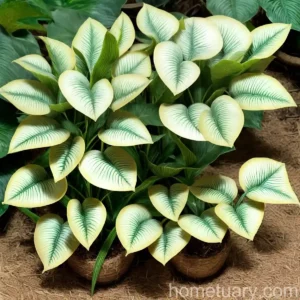
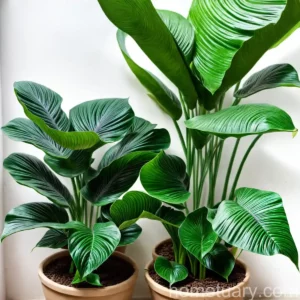
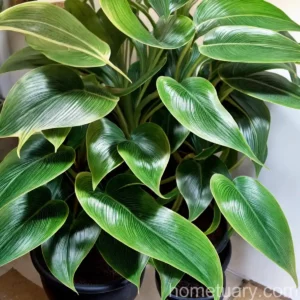
The Zantedeschia ‘Golden Chalice’ is a striking and elegant flowering plant, known for its trumpet-shaped, golden-yellow blooms and lush, arrow-shaped foliage. As a member of the Araceae family, it is native to the southern regions of Africa and thrives in a variety of environments, from wetlands to garden landscapes.
Key Takeaways – Zantedeschia ‘Golden Chalice’ (Calla Lily)
Let’s start our exploration by highlighting some key takeaways about the mesmerizing Zantedeschia ‘Golden Chalice’:
- Characteristics: The ‘Golden Chalice’ variety is renowned for its golden-yellow flowers, contrasting beautifully with its rich green foliage.
- Cultural Significance: Calla Lilies have been associated with various symbolisms, including purity, beauty, and rebirth, making them popular choices for weddings, celebrations, and religious ceremonies.
- Care Requirements: Understanding the specific needs of the Calla Lily is essential for its successful cultivation, from proper watering to suitable sunlight exposure.
- Versatile Uses: From decorative flower arrangements to medicinal applications, the Zantedeschia ‘Golden Chalice’ offers an array of uses and benefits.
- Challenges and Pests: Like all plants, Calla Lilies are susceptible to certain diseases and pests, requiring diligent care and attention to maintain their health and vitality.
Now that we have established an overview, let’s immerse ourselves in the captivating world of the Zantedeschia ‘Golden Chalice.’
Culture
Understanding the cultural aspects of the Zantedeschia ‘Golden Chalice’ is crucial for appreciating its significance and integrating it effectively into diverse settings.
Symbolism and Significance
Throughout history, Calla Lilies have held symbolic significance across various cultures and traditions. Their elegant, trumpet-shaped blooms have been associated with purity, faithfulness, and rebirth, making them popular choices for weddings, religious ceremonies, and artistic expressions.
The ‘Golden Chalice’ variety, with its radiant yellow hue, exudes feelings of joy, vitality, and optimism, adding a delightful touch to occasions and settings. Understanding the symbolic resonance of the Calla Lily can deepen our appreciation for its innate beauty and enrich its cultural relevance.
Historical and Contemporary Uses
Beyond their symbolic meanings, Calla Lilies have been utilized for a range of practical and artistic purposes. From ancient medicinal remedies to modern floral arrangements, the versatile nature of the Zantedeschia ‘Golden Chalice’ has expanded its cultural footprint.
In traditional African and Native American medicine, certain parts of the Calla Lily were used to treat ailments and promote wellness. Furthermore, the aesthetic allure of the blooms has made them popular choices for floral artistry, enhancing both indoor and outdoor spaces with their captivating presence.
Understanding the cultural significance and diverse uses of the Zantedeschia ‘Golden Chalice’ provides valuable context for appreciating its place in our lives and landscapes.
Uses
The myriad uses of the Zantedeschia ‘Golden Chalice’ extend far beyond its ornamental value, encompassing practical, aesthetic, and even symbolic applications.
Ornamental Beauty
Undoubtedly, the primary allure of the ‘Golden Chalice’ variety lies in its ornamental beauty. The striking contrast between the golden-yellow blooms and dark green foliage makes it a captivating addition to gardens, landscapes, and floral arrangements.
Whether showcased in a vase, adorning a wedding bouquet, or gracing a serene garden bed, the ethereal charm of the Calla Lily never fails to captivate onlookers. Its graceful and distinctive appearance elevates the visual appeal of any setting, creating a sense of elegance and enchantment.
Floral Arrangements
The exquisite blooms of the Zantedeschia ‘Golden Chalice’ lend themselves to a myriad of artistic expressions through floral arrangements. From formal centerpieces to informal bouquets, the distinct form and color of the Calla Lily add sophistication and grace to any composition.
With its long, sturdy stems and enduring freshness, the Calla Lily has become a favorite among florists and enthusiasts for creating stunning floral displays. Whether displayed on its own or incorporated into mixed arrangements, the ‘Golden Chalice’ variety offers endless creative possibilities for floral design.
Medicinal and Cultural Practices
While predominantly admired for its visual splendor, the Zantedeschia ‘Golden Chalice’ also holds historical and cultural significance in traditional medicinal practices. Certain cultures have utilized the plant for its purported medicinal properties, attributing it with healing attributes.
Beyond its physical uses, the symbolic resonance of the Calla Lily has led to its inclusion in various cultural and spiritual practices, symbolizing purity, rebirth, and transcendence.
By embracing the diverse uses of the Zantedeschia ‘Golden Chalice,’ we uncover the depth of its impact, spanning from artistic expressions to cultural traditions.
Water
Proper watering is fundamental to the health and vitality of the Zantedeschia ‘Golden Chalice,’ ensuring that it thrives in its chosen environment.
Watering Guidelines
The watering needs of the Calla Lily are influenced by factors such as climate, soil moisture, and seasonal variations. Understanding the following guidelines can help in maintaining optimal soil moisture and preventing water-related stress:
- Well-Drained Soil: Calla Lilies prefer consistently moist, well-drained soil, avoiding waterlogged conditions that can lead to root rot. Amending heavy or compacted soil with organic matter can improve drainage and water retention.
- Regular Monitoring: Assessing soil moisture levels and observing the plant for signs of water stress, such as wilting or yellowing foliage, can guide the frequency and volume of watering.
- Seasonal Adjustments: During the active growth and blooming periods, the Calla Lily may require more frequent watering to support its physiological demands. In contrast, reduced watering may be necessary during dormancy or in cooler weather.
- Irrigation Methods: Employing methods such as drip irrigation or targeted watering at the base of the plant can deliver moisture efficiently while minimizing foliage wetting, reducing the risk of disease.
By adhering to appropriate watering practices, we can ensure the well-being of the Zantedeschia ‘Golden Chalice’ and promote its flourishing growth.
Sunlight
Optimal sunlight exposure is crucial for the Zantedeschia ‘Golden Chalice’ to thrive and showcase its radiant blooms and lush foliage.
Sunlight Requirements
Understanding the sunlight requirements of the Calla Lily is essential for selecting suitable planting locations and providing the right conditions for its growth:
- Bright Indirect Light: While Calla Lilies benefit from ample sunlight, they thrive best in locations with bright, indirect light, shielding them from intense midday sun or prolonged exposure to harsh rays.
- Partial Shade Considerations: In regions with hot climates or intense sunlight, providing partial shade during the peak hours of the day can protect the Calla Lily from heat stress and leaf scorch.
- Seasonal Adjustments: During the active growing season and blooming period, the Calla Lily benefits from increased sunlight exposure to fuel photosynthesis and flower development. As the seasons transition, moderation of sunlight levels can help prevent excessive heat or light exposure.
- Indoor Cultivation: When cultivating Calla Lilies indoors, positioning them near bright, filtered light sources, such as windows or supplemental grow lights, can simulate the ideal sunlight conditions for their growth.
By accommodating the sunlight preferences of the Zantedeschia ‘Golden Chalice,’ we can create an environment that nurtures its development and showcases its inherent beauty.
Fertilizer
Appropriate fertilization is essential for supplying the Zantedeschia ‘Golden Chalice’ with essential nutrients, bolstering its growth, and enhancing its ornamental appeal.
Fertilization Practices
Understanding the principles of fertilization and the specific requirements of the Calla Lily can optimize its nutritional intake and promote robust, vibrant growth:
- Balanced Formulations: Selecting a balanced, water-soluble fertilizer with an N-P-K (nitrogen, phosphorus, potassium) ratio of 10-10-10 or similar proportions can provide the necessary nutrients for the Calla Lily’s development.
- Application Frequency: Administering fertilizer every 4-6 weeks during the active growing season, from spring to late summer, can sustain the Calla Lily’s nutrient needs and support its flowering potential.
- Dilution and Dosage: Following the manufacturer’s recommendations for dilution and dosage of the fertilizer, particularly when using concentrated formulations, ensures the appropriate nutrient delivery without risk of overfertilization.
- Careful Application: Applying the fertilizer evenly over the soil surface around the base of the plant, avoiding direct contact with the foliage, can minimize the risk of leaf burn and ensure efficient nutrient absorption.
By implementing a well-informed fertilization regimen, we can fortify the Zantedeschia ‘Golden Chalice’ with the essential nutrients for imparting vigor and vitality to its stunning blooms.
Soil
Selecting the right soil type and implementing proper soil management are fundamental to supporting the growth and resilience of the Zantedeschia ‘Golden Chalice.’
Soil Preferences
Understanding the soil preferences of the Calla Lily can guide our selection of suitable growing mediums and the implementation of soil improvement practices:
- Well-Drained Loam: Calla Lilies thrive in well-drained, loamy soil with good moisture retention, allowing for root aeration and water movement. Incorporating organic matter, such as compost or peat moss, can enhance soil structure and moisture retention.
- Acidic to Neutral pH: A slightly acidic to neutral soil pH range of 6.0-7.0 is conducive to the growth of Calla Lilies, facilitating the uptake of essential nutrients and preventing nutrient imbalances.
- Moisture Considerations: Ensuring consistent, moderate soil moisture without waterlogging is essential for the health of the Calla Lily, requiring attention to watering practices and soil composition.
- Container Cultivation: When cultivating Calla Lilies in containers, selecting well-draining potting mixes specifically formulated for ornamental plants or incorporating perlite and vermiculite can provide an optimal growing medium.
By refining the soil environment to align with the preferences of the Zantedeschia ‘Golden Chalice,’ we can establish a foundation for its flourishing growth and resilience.
Pruning
Pruning plays a pivotal role in maintaining the health, aesthetic appeal, and vigor of the Zantedeschia ‘Golden Chalice,’ enabling us to shape and nurture its growth effectively.
Pruning Techniques
Implementing the following pruning techniques can help enhance the form and vitality of the Calla Lily, addressing specific objectives related to grooming and maintenance:
- Faded Bloom Removal: Regular removal of spent or faded blooms, known as deadheading, can redirect the plant’s energy from seed production towards new growth and flower development, prolonging the blooming period.
- Foliage Management: Trimming discolored or damaged leaves and stems can promote a tidy appearance and prevent the spread of diseases or pest infestations, ensuring the plant’s overall vigor.
- Propagation Pruning: When propagating Calla Lilies through division or rhizome separation, trimming the foliage to balance root-to-shoot ratios can support successful establishment and growth of the new divisions.
- Seasonal Clean-Up: Conducting thorough pruning and clean-up at the end of the growing season, removing withered foliage and stems, can prepare the plant for dormancy and minimize overwintering pests and diseases.
By incorporating strategic pruning practices into our care routine, we can groom the Zantedeschia ‘Golden Chalice’ into a flourishing and visually appealing focal point.
Propagation
The propagation of the Zantedeschia ‘Golden Chalice’ encompasses various methods that allow us to multiply and share its captivating beauty with precision and success.
Propagation Methods
Exploring the following propagation techniques can expand our capabilities for multiplying the Calla Lily and nurturing its legacy within our gardens and landscapes:
- Rhizome Division: Dividing mature Calla Lily clumps to separate healthy rhizomes, each with viable buds and root systems, can yield new individual plants for transplanting or sharing with other enthusiasts.
- Cutting Propagation: Utilizing stem cuttings or leaf cuttings, particularly from healthy, mature plants, can propagate new Calla Lily specimens with similar genetic traits as the parent plant, ensuring genetic continuity.
- Seed Propagation: Harvesting and germinating Calla Lily seeds, obtained from pollinated blooms, can introduce genetic diversity and produce unique variations within the ‘Golden Chalice’ cultivar or develop new hybrids.
By honing our proficiency in propagation methods, we can perpetuate the legacy of the Zantedeschia ‘Golden Chalice’ and introduce its enchanting charm to new settings and enthusiasts.
Container Popularity
The Zantedeschia ‘Golden Chalice’ has garnered widespread popularity for its suitability and allure when cultivated in containers, offering versatility and elegance to various settings.
Container Gardening Advantages
Embracing the appeal of container gardening with the ‘Golden Chalice’ variety presents an array of advantages and creative opportunities for plant enthusiasts:
- Space Optimization: Utilizing containers enables the cultivation of Calla Lilies in limited spaces, such as patios, balconies, and indoor settings, expanding possibilities for incorporating their beauty.
- Aesthetic Flexibility: Containers provide diverse options for showcasing the Zantedeschia ‘Golden Chalice,’ from decorative pots and urns to hanging baskets, enhancing the visual impact and adaptability of the plants.
- Portable Elegance: The mobility of container-grown Calla Lilies allows for effortless repositioning, seasonal display modifications, and event-specific arrangements, offering dynamic versatility.
- Climate Control: Containers facilitate microclimate management, enabling adjustment of sunlight exposure, moisture levels, and overwintering provisions, optimizing the growing conditions for Calla Lilies.
By embracing the realm of container gardening with the Zantedeschia ‘Golden Chalice,’ we can infuse elegance, charm, and practicality into diverse landscapes and living spaces.
Common Diseases
While the Zantedeschia ‘Golden Chalice’ boasts resilience and vigor, it is susceptible to certain diseases that require preemptive measures and responsive care for effective management.
Disease Overview
Understanding the common diseases that can affect the health of the Calla Lily equips us with the knowledge and vigilance to identify, prevent, and address potential concerns:
- Root Rot: Excessive soil moisture or poor drainage can predispose Calla Lilies to root rot, characterized by yellowing, wilting foliage and the decay of root systems. Enhancing soil drainage and adjusting watering practices can mitigate the risk of this disease.
- Leaf Spot: Fungal infections, such as Cercospora leaf spot, can manifest as dark, necrotic spots on the foliage, leading to discoloration and weakening of the plant. Pruning affected foliage and promoting air circulation can deter the spread of the disease.
- Botrytis Blight: Gray mold, caused by Botrytis cinerea, can affect the blooms and foliage of Calla Lilies, resulting in browning, decay, and fungal growth. Timely removal of infected plant parts and reduction of humidity levels can alleviate the impact of this blight.
By recognizing the symptoms and predisposing factors of common diseases, we can implement preventive strategies and early intervention to safeguard the health of the Zantedeschia ‘Golden Chalice.’
Disease Diagnosis
Diagnosing and identifying specific diseases affecting the Zantedeschia ‘Golden Chalice’ enables us to pinpoint the underlying causes and administer targeted treatments effectively.
Diagnostic Indicators
Examining the following diagnostic indicators and conducting thorough assessments can aid in the accurate identification and diagnosis of diseases afflicting the Calla Lily:
- Foliage Changes: Observing changes in leaf color, texture, and integrity, such as yellowing, browning, or spots, can signal potential fungal, bacterial, or physiological disorders affecting the plant.
- Bloom Abnormalities: Aberrations and decay in the blooms or inflorescence, such as discoloration, wilt, or fungal growth, may signify pathogenic infections or environmental stressors impacting the flowers.
- Root Health: Evaluating the condition of the root system, including signs of decay, discoloration, or rot, provides insights into the potential presence of root-related diseases and stresses.
- Environmental Conditions: Assessing factors such as soil moisture, air circulation, sunlight exposure, and temperature fluctuations can reveal correlations between disease development and specific environmental influences.
By honing our diagnostic capabilities and paying attention to nuanced indicators, we can adeptly identify and address diseases affecting the Zantedeschia ‘Golden Chalice,’ preserving its health and allure.
Common Pests
In addition to diseases, the Zantedeschia ‘Golden Chalice’ is susceptible to certain pests that can compromise its vitality and aesthetic appeal, necessitating vigilant pest management practices.
Pest Vulnerabilities
Recognizing the potential pests that target Calla Lilies and understanding their characteristic behaviors can guide our preventative and responsive pest control strategies:
- Aphids: Soft-bodied insects that feed on plant sap, aphids can infest Calla Lilies and cause stunted growth, distorted foliage, and the secretion of honeydew, promoting the growth of sooty mold.
- Thrips: Thrips are tiny, slender insects that pierce plant tissues to feed, resulting in silvering, stippling, and distortion of the foliage and blooms, potentially transmitting viral diseases.
- Slugs and Snails: These mollusks can damage Calla Lily foliage and blooms by voraciously consuming plant tissues, leaving irregular holes and ragged edges on the leaves.
- Spider Mites: Infestations of spider mites can lead to stippling, webbing, and decreased plant vigor, particularly in hot, dry conditions, affecting the aesthetic appeal and overall health of the plant.
By familiarizing ourselves with the pest vulnerabilities of the Zantedeschia ‘Golden Chalice,’ we can employ integrated pest management strategies to mitigate pest pressures and safeguard the plant’s well-being.
Botanist’s Tips
As botanists and plant enthusiasts, embracing the art and science of cultivating Zantedeschia ‘Golden Chalice’ involves a nuanced understanding of its needs and an appreciation for its innate beauty.
Horticultural Insights
Drawing upon horticultural insights and observations can enrich our approach to nurturing the Zantedeschia ‘Golden Chalice’ and fostering its growth with precision and care:
- Observational Prowess: Cultivating a discerning eye for subtle changes in the plant’s appearance, growth patterns, and response to environmental stimuli can guide informed decision-making and tailored care.
- Adaptive Practices: Embracing adaptable practices, such as adjusting watering frequency, monitoring sunlight exposure, and fine-tuning soil conditions, can accommodate the dynamic needs of the Calla Lily across different seasons and settings.
- Optimal Timing: Timing is instrumental in various aspects of Calla Lily care, from strategic pruning and division to fertilizer application and bloom harvesting, maximizing the impact