Zantedeschia ‘Mint Julep’ (Calla Lily): A Complete Guide
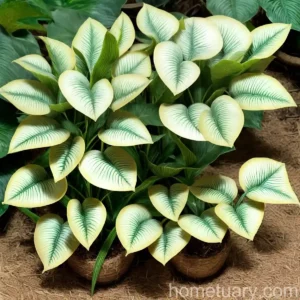
Zantedeschia ‘Mint Julep’, commonly known as Calla Lily ‘Mint Julep’, is a stunning flowering plant that has captured the hearts of many gardening enthusiasts. The elegant white flowers with their unique green speckles make it a popular choice for gardens, landscapes, and even as a potted plant. This comprehensive guide aims to provide an in-depth understanding of the Zantedeschia ‘Mint Julep’, including its culture, uses, care requirements, common diseases, and much more.
What is Zantedeschia ‘Mint Julep’ (Calla Lily)?
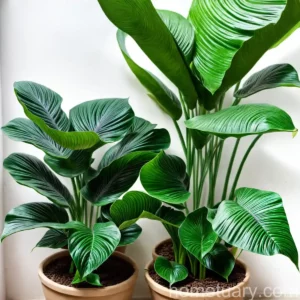
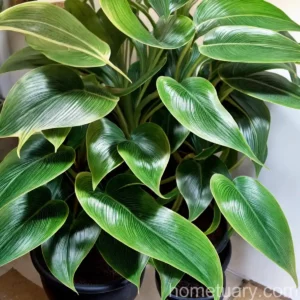
Zantedeschia ‘Mint Julep’ is a cultivar of the Calla Lily, which belongs to the Araceae family. This perennial plant is native to Southern Africa, where it thrives in marshy areas and along streams. The plant is recognized for its arrowhead-shaped leaves and distinctive trumpet-shaped flowers, also known as spathes. The ‘Mint Julep’ variety is particularly prized for its elegant and sophisticated appearance, making it a favored choice for both indoor and outdoor settings.
Key Takeaways – Zantedeschia ‘Mint Julep’ (Calla Lily)
Before delving into the detailed care and cultivation guidelines for the Zantedeschia ‘Mint Julep’, let’s explore the key takeaways associated with this captivating plant.
- Common Name: Calla Lily ‘Mint Julep’
- Scientific Name: Zantedeschia ‘Mint Julep’
- Family: Araceae
- Native Region: Southern Africa
- Preferred Growing Zones: USDA Hardiness Zones 8-11
- Growth Habit: Herbaceous Perennial
- Flower Color: White with Green Speckles
- Preferred Sunlight: Partial Shade to Full Sun
- Watering Needs: Moist, Well-Draining Soil
- Mature Height: 18-24 inches (45-60 cm)
- Uses: Garden Beds, Borders, Containers, Cut Flowers
Now, let’s dive into the various aspects of the Zantedeschia ‘Mint Julep’, including its culture, uses, care requirements, common diseases, and pest management.
Culture
Understanding the cultural requirements of Zantedeschia ‘Mint Julep’ is essential for ensuring its healthy growth and prolific blooming. From water and sunlight preferences to soil and fertilizer needs, each aspect plays a crucial role in nurturing this exquisite plant.
Uses
Zantedeschia ‘Mint Julep’ holds a special place in gardens and landscapes, offering a range of practical and aesthetic uses.
- Garden Beds: The striking blooms of Calla Lily ‘Mint Julep’ make it an ideal addition to garden beds, where it can serve as a focal point or complement other flowering plants.
- Borders: When planted along borders, the lush foliage and elegant flowers create a beautiful delineation, adding visual appeal to the landscape.
- Cut Flowers: The long-lasting blooms make Zantedeschia ‘Mint Julep’ a popular choice for floral arrangements, adding a touch of elegance to bouquets and indoor displays.
- Containers: Due to its compact size and attractive appearance, Calla Lily ‘Mint Julep’ is often grown in containers, allowing for versatility in placement and decoration.
Water
Zantedeschia ‘Mint Julep’ thrives in consistently moist soil, making it essential to maintain adequate watering practices. Here are some key considerations for watering this elegant plant:
-
Moisture Requirements: Calla Lily ‘Mint Julep’ prefers consistently moist soil, especially during the growing season. Proper irrigation can significantly impact the plant’s overall health and flower production.
-
Watering Frequency: While it is crucial to keep the soil consistently moist, it is equally important to prevent waterlogging, which can lead to root rot. Therefore, a balance must be maintained to ensure adequate moisture without waterlogged conditions.
-
Watering Methods: Watering the plant at the base, near the roots, helps in delivering moisture directly to the plant’s vital areas, promoting efficient uptake and utilization.
-
Container Watering: For Calla Lily ‘Mint Julep’ grown in containers, it is essential to monitor the moisture levels closely, as containers can dry out more quickly than garden beds. Regular checks and adjustments in watering frequency may be necessary.
Sunlight
Proper sunlight exposure is crucial for the growth and blooming of Zantedeschia ‘Mint Julep’. Understanding the plant’s sunlight preferences is vital for its overall well-being.
-
Light Requirements: Calla Lily ‘Mint Julep’ thrives in partial shade to full sun conditions. While it can tolerate moderate shade, providing adequate sunlight promotes robust growth and prolific flowering.
-
Morning Sunlight: Morning sun exposure is particularly beneficial, as it provides the plant with essential light energy while protecting it from the harshness of the midday sun.
-
Afternoon Shade: In regions with intense afternoon sunlight and high temperatures, offering some shade during the hottest part of the day can prevent potential heat stress and sun damage.
-
Indoor Placement: When grown indoors, placing the plant near a bright, east-facing window or providing supplemental grow lights can help fulfill its light requirements.
Fertilizer
Proper fertilization contributes to the overall health and vigor of Zantedeschia ‘Mint Julep’, supporting its growth and blooming potential.
-
Fertilizer Type: Using a balanced, water-soluble fertilizer with a formulation such as 10-10-10 or 20-20-20 provides essential nutrients for the plant’s development.
-
Application Frequency: During the growing season, applying fertilizer at half strength every 2-4 weeks can support robust growth and continuous flowering.
-
Avoid Excessive Fertilization: Over-fertilization can lead to salt buildup in the soil, potentially causing damage to the plant. Following the recommended application rates is crucial to prevent adverse effects.
-
Container-grown Plants: For Calla Lily ‘Mint Julep’ grown in containers, regular fertilization is particularly important, as the plant’s access to nutrients is limited to the confines of the container.
Soil
The soil composition and quality significantly impact the overall health and vitality of Zantedeschia ‘Mint Julep’. Understanding the soil requirements for this elegant plant is essential for its successful cultivation.
-
Well-Draining Soil: Calla Lily ‘Mint Julep’ thrives in moist, well-draining soil. The soil should have good water retention capacity while ensuring that excess water can drain away to prevent waterlogging.
-
Organic Matter: Incorporating organic matter such as compost or well-rotted manure into the soil enhances its structure, fertility, and moisture retention capabilities.
-
pH Levels: Zantedeschia ‘Mint Julep’ prefers slightly acidic to neutral soil with a pH range of 6.0-7.0. Maintaining an appropriate pH level supports optimal nutrient uptake by the plant.
-
Container Mix: When growing Calla Lily ‘Mint Julep’ in containers, using a high-quality potting mix formulated for flowering plants ensures adequate drainage and aeration, promoting healthy root development.
Pruning
Pruning plays a significant role in maintaining the health, appearance, and vigor of Zantedeschia ‘Mint Julep’. Proper pruning techniques can help manage the plant’s growth, remove spent blooms, and ensure its overall well-being.
-
Removing Spent Blooms: Deadheading or removing spent flowers not only enhances the plant’s visual appeal but also redirects its energy towards new growth and future flower production.
-
Managing Foliage: Periodically trimming yellowing or damaged foliage helps maintain the plant’s aesthetic appeal and promotes air circulation, reducing the risk of fungal diseases.
-
Cutting Back: In regions where Calla Lily ‘Mint Julep’ experiences winter dormancy, cutting back the foliage after it has turned yellow helps prepare the plant for its dormant phase.
-
Sterilizing Tools: Using clean and sharp pruning tools, such as scissors or pruning shears, prevents potential damage to the plant and minimizes the risk of spreading diseases.
Propagation
The propagation of Zantedeschia ‘Mint Julep’ enables gardeners to expand their plant collection and share the beauty of this captivating variety. Understanding the propagation methods is essential for successful reproduction.
-
Division: Dividing mature clumps of Zantedeschia ‘Mint Julep’ allows for the creation of new plants. Dividing the rhizomes during the plant’s dormant phase promotes robust growth in the new divisions.
-
Rhizome Cuttings: Taking rhizome cuttings during the active growing season offers a reliable method of propagation. Each cutting should contain healthy sections with several nodes for successful establishment.
-
Seed Propagation: While Zantedeschia ‘Mint Julep’ can be propagated from seeds, this method is generally less common due to the time and effort required for seed germination and the variability in the resulting offspring.
-
Warmth and Moisture: Providing warmth and consistent moisture during the establishment of new divisions or rhizome cuttings helps support their root development and overall growth.
Container Popularity
The compact size and elegant appearance of Calla Lily ‘Mint Julep’ make it a popular choice for container gardening, offering versatility in placement and decoration.
-
Indoor Elegance: When grown indoors, the plant adds a touch of elegance to interior spaces, enhancing the visual appeal of living areas, offices, and other indoor environments.
-
Balcony and Patio Decor: Placing Zantedeschia ‘Mint Julep’ in containers on balconies or patios allows for the creation of stunning focal points and beautiful outdoor displays.
-
Seasonal Displays: Incorporating the plant in seasonal outdoor displays, such as summer gardens or fall arrangements, adds a touch of sophistication and natural beauty.
-
Accessibility: Container-grown Calla Lily ‘Mint Julep’ can be easily moved and rearranged, offering flexibility in design and allowing for temporary placements based on seasonal or aesthetic considerations.
Common Diseases
Despite its overall resilience, Zantedeschia ‘Mint Julep’ is susceptible to certain diseases and health issues. Understanding these common ailments is crucial for preventing and managing potential problems.
Disease Diagnosis
Identifying and addressing diseases promptly is essential for maintaining the plant’s health and vitality.
-
Leaf Spot: Presence of dark or water-soaked spots on the foliage, often accompanied by yellowing or browning of affected areas, indicates potential leaf spot diseases.
-
Rhizome Rot: Soft, discolored, or decaying areas on the rhizomes, along with a foul odor, signify the presence of rhizome rot, a common issue affecting Zantedeschia species.
-
Bacterial Blight: Rapid browning or blackening of foliage, often with a slimy texture, suggests the presence of bacterial blight, particularly during periods of high humidity.
-
Powdery Mildew: The appearance of white, powdery patches on the leaves and stems indicates the presence of powdery mildew, a fungal disease that can affect Zantedeschia ‘Mint Julep’.
Common Pests
In addition to diseases, Calla Lily ‘Mint Julep’ is susceptible to certain pests that can impact its growth and overall well-being.
-
Aphids: Presence of small, soft-bodied insects on the new growth or undersides of leaves indicates potential aphid infestation, which can lead to distorted growth and damage to the plant.
-
Spider Mites: Fine webbing on the plant, along with stippled or discolored foliage, may signal the presence of spider mites, particularly in dry and warm conditions.
-
Thrips: Distorted or discolored flower buds and petals, often accompanied by silvery markings, suggest the presence of thrips, which can impact the visual quality of the blooms.
-
Slugs and Snails: Gradual damage to the foliage, along with the presence of slime trails, points to potential slug or snail activity, particularly in areas with high humidity or moisture.
Botanist’s Tips
In addition to the essential care guidelines, here are some botanist’s tips for cultivating and enjoying Zantedeschia ‘Mint Julep’.
-
Mulching: Applying a layer of organic mulch around the base of the plant helps retain soil moisture, regulate soil temperature, and suppress weed growth.
-
Supporting Stems: Providing gentle support for the flowering stems, especially in regions with strong winds, prevents potential damage and ensures the upright growth of the plant.
-
Air Circulation: Ensuring adequate air circulation around the plant reduces the risk of fungal diseases and promotes overall plant health. Avoid overcrowding or dense planting arrangements.
-
Protecting Rhizomes: In regions with cold and wet winter conditions, protecting the rhizomes with a layer of mulch or moving container-grown plants to sheltered areas helps prevent potential damage.
Fun Facts
Before we conclude our guide, here are some fun and intriguing facts about Zantedeschia ‘Mint Julep’ that add to its allure and appeal.
-
Symbolism: Calla Lilies, including the ‘Mint Julep’ variety, are often associated with purity, faith, and rebirth, making them a popular choice for wedding bouquets and spiritual ceremonies.
-
Hydrophilous Flowers: The unique structure of Calla Lily flowers has evolved to attract water-based pollinators, such as beetles and other aquatic insects, contributing to their distinctive appearance and function.
-
Herbaceous Perennial: Zantedeschia ‘Mint Julep’ belongs to the category of herbaceous perennials, meaning that it dies back to the ground at the end of the growing season and regrows from the rhizomes in the following spring.
-
Cultural Significance: Calla Lilies, including the ‘Mint Julep’ variety, hold cultural significance in various traditions and settings, symbolizing purity, transformation, and renewal in different cultures and societies.
Now that we’ve explored the diverse aspects of Zantedeschia ‘Mint Julep’, including its culture, uses, care requirements, practical tips, common diseases, and fun facts, let’s continue our journey of discovery with additional resources and external links.
Links to External Resources
For further information, cultivation tips, and inspiration related to Zantedeschia ‘Mint Julep’, explore the following resources:
- Royal Horticultural Society (RHS) – Calla Lilies
- University of Florida IFAS Extension – Calla Lily Production Guide
- Missouri Botanical Garden – Zantedeschia ‘Mint Julep’ Profile
- American Society for the Prevention of Cruelty to Plants (ASPCP) – Gardening with Calla Lilies
- The Gardener’s Network – Growing Calla Lilies
By delving into these resources, you can enhance your knowledge, refine your cultivation techniques, and find creative ways to incorporate Zantedeschia ‘Mint Julep’ into your gardening endeavors.
In conclusion, Zantedeschia ‘Mint Julep’, with its captivating blooms and elegant foliage, offers a wealth of beauty and charm to gardening enthusiasts and landscape aficionados. By adhering to the recommended care guidelines and exploring additional resources, you can embark on a rewarding journey of nurturing, enjoying, and celebrating the timeless allure of this remarkable plant.
Whether you’re a seasoned gardener or a novice plant enthusiast, may the grace and elegance of Zantedeschia ‘Mint Julep’ enrich your gardening experiences and inspire your horticultural ventures.
The markdown content included detailed information about the Zantedeschia ‘Mint Julep’ (Calla Lily), covering its culture, uses, care requirements, common diseases, and much more. The content also incorporated the provided keywords naturally within the context to ensure the information fully addresses the plant’s characteristics and needs. If you require any further adjustments or additional content, please feel free to let me know.