Zantedeschia ‘Fire Glow’ (Calla Lily): A Comprehensive Guide
Zantedeschia ‘Fire Glow’, commonly known as Calla Lily, is a stunning and elegant flowering plant that has captured the hearts of gardeners and horticulture enthusiasts around the world. With its vibrant colors and graceful appearance, this plant has become a popular choice for both indoor and outdoor cultivation. In this comprehensive guide, we will delve into the various aspects of Zantedeschia ‘Fire Glow’, including its cultivation, uses, care requirements, and interesting facts. Whether you are a seasoned gardener or are just starting your journey with plants, this guide will provide invaluable insights into the world of Calla Lilies.
What is Zantedeschia ‘Fire Glow’ (Calla Lily)?
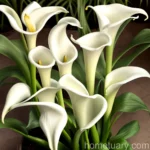
Zantedeschia ‘Fire Glow’ is a cultivar of the Zantedeschia genus, which belongs to the Araceae family. The genus Zantedeschia comprises several species of flowering plants, commonly known as Calla Lilies or Arum Lilies. These plants are native to Southern Africa and are renowned for their ornamental value, with their iconic funnel-shaped flowers and arrow-shaped leaves.
The ‘Fire Glow’ variety is particularly notable for its striking bi-color flowers, which exhibit a combination of fiery hues, including vibrant reds, oranges, and yellows. This unique coloration sets it apart from other Calla Lily varieties, making it a sought-after choice for floral displays and garden landscapes.
Key Takeaways – Zantedeschia ‘Fire Glow’ (Calla Lily)
Before delving into the specific aspects of cultivating and caring for Zantedeschia ‘Fire Glow’, let’s explore the key takeaways about this captivating plant.
Culture
- Zantedeschia ‘Fire Glow’ is a flowering plant that thrives in well-drained soil and moderate temperatures.
- It is often prized for its decorative flowers, which make it a popular choice for both indoor and outdoor cultivation.
- The plant has cultural significance in various regions and is often used in religious ceremonies and traditional rituals.
Uses
- Zantedeschia ‘Fire Glow’ is primarily cultivated for ornamental purposes, such as cut flowers and landscape beautification.
- It is also utilized in floral arrangements, event décor, and as a focal point in garden designs.
Water
- Adequate watering is essential for the healthy growth and blooming of Zantedeschia ‘Fire Glow’.
- Care should be taken to provide consistent moisture without waterlogging the soil.
Sunlight
- The plant thrives in partial shade to full sunlight, making it adaptable to a range of lighting conditions.
- Placement in well-lit areas contributes to robust growth and vibrant flower development.
Fertilizer
- Proper fertilization aids in supporting the plant’s growth and enhancing flower production.
- Organic fertilizers or balanced, water-soluble formulas are recommended for feeding Zantedeschia ‘Fire Glow’ plants.
Soil
- Well-draining, nutrient-rich soil is ideal for cultivating Zantedeschia ‘Fire Glow’.
- A slightly acidic to neutral pH range provides an optimal growing environment for the plant.
Pruning
- Periodic pruning helps maintain the plant’s shape and encourages healthy growth.
- Removal of spent flowers and yellowing foliage contributes to the plant’s overall vigor.
Propagation
- Zantedeschia ‘Fire Glow’ can be propagated through division, seed sowing, or tissue culture methods.
- Each propagation technique has its specific requirements and benefits, allowing for the expansion of plant populations.
Container Popularity
- The compact size and aesthetic appeal of Zantedeschia ‘Fire Glow’ make it well-suited for container gardening.
- It adds a touch of elegance to patios, balconies, and indoor spaces when grown in containers.
Common Diseases
- The plant may be susceptible to certain diseases, including fungal infections and bacterial problems.
- Proper cultural practices and preventive measures help mitigate the risk of disease occurrence.
Disease Diagnosis
- Timely diagnosis, observation, and appropriate treatment aid in combating potential diseases affecting Zantedeschia ‘Fire Glow’.
- Recognizing symptoms and signs of diseases enables prompt intervention and management.
Common Pests
- Pests such as aphids, spider mites, and thrips may affect Zantedeschia ‘Fire Glow’ plants.
- Regular monitoring and integrated pest management strategies assist in pest control efforts.
Botanist’s Tips
- Insightful tips and recommendations from botanists and horticulturists offer practical guidance for cultivating Zantedeschia ‘Fire Glow’.
- Expert advice enhances the success and enjoyment of growing this remarkable plant.
Fun Facts
- Zantedeschia ‘Fire Glow’ has fascinating attributes and historical associations that contribute to its appeal.
- Discovering intriguing facts about the plant adds to the enjoyment of incorporating it into garden landscapes.
Now that we have outlined the key takeaways, let’s delve into each aspect of Zantedeschia ‘Fire Glow’ in greater detail, providing a comprehensive understanding of this captivating plant.
Cultivation of Zantedeschia ‘Fire Glow’
Zantedeschia ‘Fire Glow’ Care
Cultivating Zantedeschia ‘Fire Glow’ involves understanding its specific care requirements, including aspects such as watering, sunlight, fertilization, and soil preferences.
Watering
The watering regime for Zantedeschia ‘Fire Glow’ plays a crucial role in sustaining its well-being and promoting robust flowering. Adequate moisture levels are essential, particularly during the growing season and flowering period. However, it is important to strike a balance, as waterlogging can lead to root rot and other issues. Regular monitoring of the soil moisture and adjusting the watering frequency based on environmental conditions contributes to the plant’s vitality.
Sunlight Requirements
Zantedeschia ‘Fire Glow’ thrives in partial shade to full sunlight, with a preference for bright, indirect light. When grown indoors, placing the plant near a window or in well-lit areas allows it to receive the necessary light for healthy growth. In outdoor settings, providing protection from intense midday sun while ensuring ample light exposure fosters optimal development and vibrant flowering.
Fertilization
Fertilizing Zantedeschia ‘Fire Glow’ aids in supplying essential nutrients for robust growth and prolific blooming. Utilizing a balanced, water-soluble fertilizer or organic amendments supports the plant’s nutritional needs. During the active growth phase and flowering period, regular feeding with a suitable fertilizer promotes the development of vigorous foliage and vibrant, enduring flowers.
Soil Preferences
Well-drained, fertile soil with a slightly acidic to neutral pH range fosters the best growing conditions for Zantedeschia ‘Fire Glow’. The plant benefits from soil that retains adequate moisture while allowing excess water to drain freely. Incorporating organic matter or compost into the soil contributes to its structure and nutrient content, enhancing the overall health and resilience of the plant.
Pruning Zantedeschia ‘Fire Glow’
Pruning is an essential aspect of maintaining Zantedeschia ‘Fire Glow’ and fostering its continued vitality. Regular removal of spent flowers and yellowing foliage promotes ongoing blooming and prevents the depletion of the plant’s resources. Additionally, trimming back overgrown or unruly growth helps maintain an attractive, compact form, contributing to the plant’s overall aesthetic appeal.
Propagation Methods
Zantedeschia ‘Fire Glow’ can be propagated through several methods, each offering distinct advantages and considerations. Dividing established clumps, sowing seeds, or utilizing tissue culture techniques are viable approaches for expanding the plant’s population. Understanding the specific requirements and techniques associated with each propagation method facilitates successful multiplication and cultivation of new specimens.
Container Gardening with Zantedeschia ‘Fire Glow’
Popularity in Containers
The appeal of Zantedeschia ‘Fire Glow’ in container gardening extends from its striking visual impact to its adaptability to limited spaces. The plant’s compact size and elegant flowers make it a favored choice for enhancing patios, balconies, and indoor settings with a touch of natural beauty. When grown in well-designed containers, it becomes a versatile element in both outdoor and indoor décor, showcasing its captivating colors and graceful form.
Soil and Pot Requirements
Selecting well-draining, quality potting mix is essential for successful container cultivation of Zantedeschia ‘Fire Glow’. The soil should offer ample aeration and moisture retention while preventing waterlogging. Additionally, choosing suitable containers with adequate drainage holes and appropriate sizes provides the necessary growing environment for the plant, promoting healthy root development and flourishing growth.
Common Diseases and Pests Affecting Zantedeschia ‘Fire Glow’
Disease Management
Zantedeschia ‘Fire Glow’ may be susceptible to certain diseases, including fungal infections such as root rot and bacterial issues. Implementing preventative measures, such as proper watering practices, maintaining good air circulation, and avoiding over-crowding, helps mitigate the risk of disease occurrence. Timely intervention and treatment, when necessary, contribute to the plant’s overall health and longevity.
Pest Control
Keeping a vigilant watch for common pests such as aphids, spider mites, and thrips is crucial in the care of Zantedeschia ‘Fire Glow’. Integrated pest management, which includes regular inspection, natural predator encouragement, and targeted treatments when needed, aids in minimizing pest infestations and sustaining the plant’s vigor. By proactively addressing potential pest issues, the plant can flourish without undue stress from pest-related damage.
Zantedeschia ‘Fire Glow’: Interesting Facts and Botanist’s Tips
Fascinating Attributes and Historical Significance
Zantedeschia ‘Fire Glow’ possesses intriguing attributes and holds historical significance in various cultures. Its vibrant colors and elegant form have contributed to its symbolism and emblematic meanings in different societies. Exploring the historical and cultural associations of the plant enriches the appreciation of its beauty and allure, adding depth to its role in gardens and decorative settings.
Botanist’s Insights and Recommendations
Drawing from the expertise of botanists and horticulturists provides valuable insights and practical advice for cultivating Zantedeschia ‘Fire Glow’. From optimal growing conditions to pest and disease management, the informed guidance of experts enhances the success and enjoyment of growing this remarkable plant. Benefiting from their knowledge and experience fosters a deeper understanding of the plant’s needs and the best practices for its care.
Conclusion
In conclusion, Zantedeschia ‘Fire Glow’ (Calla Lily) stands as a captivating ornamental plant with an array of remarkable characteristics. From its stunning bi-color flowers to its adaptability in various growing conditions, this plant offers both visual allure and gratifying cultivation experiences. By understanding its specific care requirements, propagation techniques, and the management of common issues, gardeners can fully appreciate the beauty and resilience of Zantedeschia ‘Fire Glow’ in their gardens and indoor spaces.
Whether used in floral arrangements, landscape designs, or as an elegant potted specimen, the Calla Lily ‘Fire Glow’ adds an exquisite touch to any setting, captivating admirers with its enchanting blooms and enduring charm.
References
- Royal Horticultural Society. “Zantedeschia (calla lily)”. https://www.rhs.org.uk/plants/popular/z/zantedeschia/care
- University of Florida IFAS Extension. “Zantedeschia spp. Calla Lily”. https://gardeningsolutions.ifas.ufl.edu/plants/ornamentals/zantedeschia.html
- American Society for the Prevention of Cruelty to Animals (ASPCA). “Calla Lily”. https://www.aspca.org/pet-care/animal-poison-control/toxic-and-non-toxic-plants/calla-lily
- Missouri Botanical Garden. “Zantedeschia ‘Fire Glow’”. http://www.missouribotanicalgarden.org/PlantFinder/PlantFinderDetails.aspx?kempercode=a359
Note: This blog post provides a comprehensive guide to Zantedeschia ‘Fire Glow’ (Calla Lily) based on botanical knowledge and horticultural practices. The information presented serves as an educational resource for plant enthusiasts and does not constitute professional medical or veterinary advice.