Yuka (Yucca)
Yucca, a versatile and resilient plant, has gained popularity as an ornamental addition to both indoor and outdoor spaces. It is known for its striking.
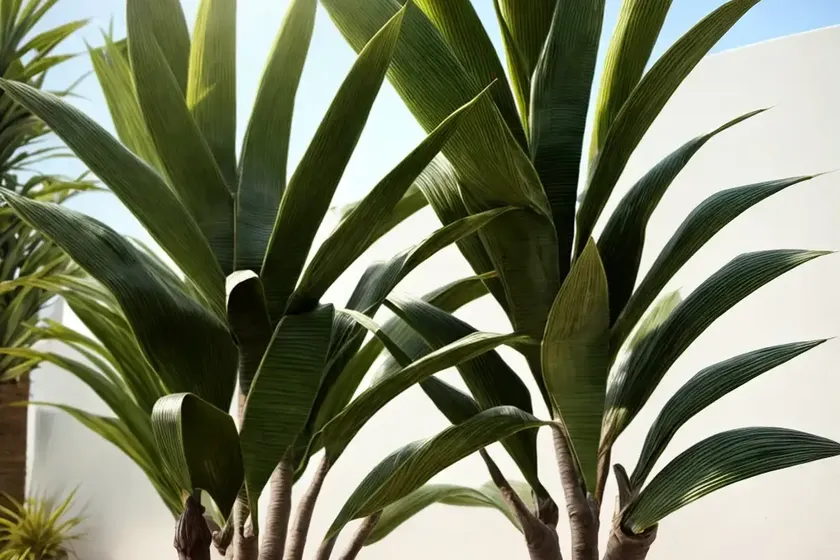
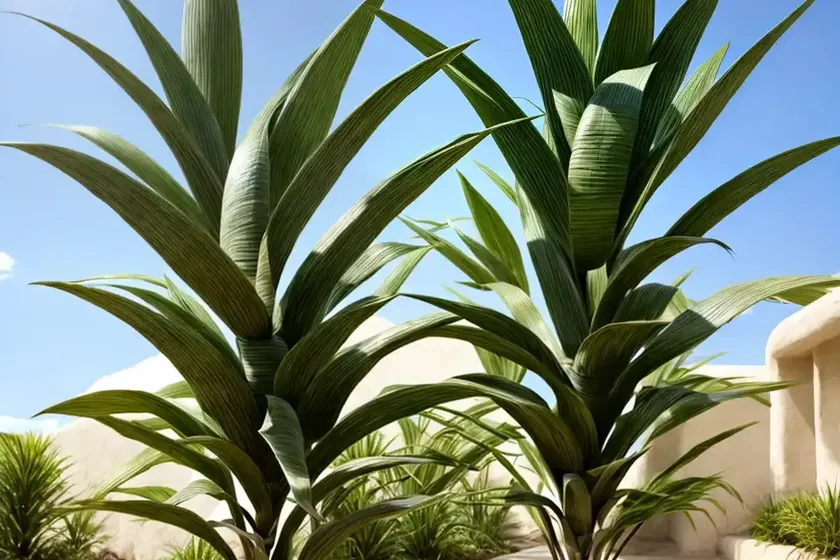
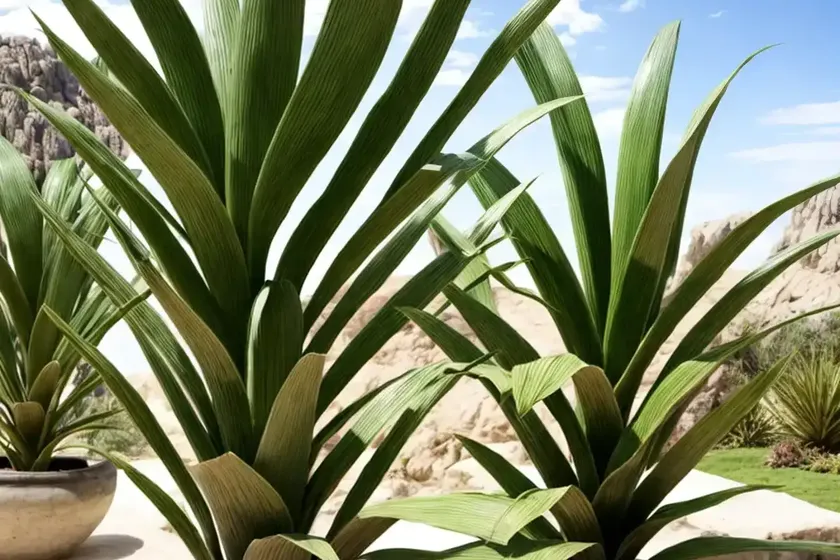
Yucca, a versatile and resilient plant, has gained popularity as an ornamental addition to both indoor and outdoor spaces. It is known for its striking appearance and low-maintenance requirements, making it an ideal choice for plant enthusiasts of all levels. In this comprehensive guide, we will delve into the various aspects of Yucca plant care, from cultivation and propagation to maintenance and uses. Whether you are a seasoned gardener or a novice plant lover, this article will provide you with valuable insights into nurturing and enjoying the beauty of Yucca plants.
What is Yucca?
Yucca is a genus of perennial shrubs and trees belonging to the family Asparagaceae. These plants are native to hot and arid regions of the Americas, particularly in the southwestern United States and Mexico. With over 40 different species, Yucca plants exhibit a wide range of sizes, shapes, and growth habits, making them suitable for various landscaping and gardening purposes. The most common species include Yucca filamentosa, Yucca gloriosa, Yucca elephantipes, Yucca aloifolia, Yucca rostrata, and more.
The Yucca plant is characterized by its sword-shaped leaves, typically arranged in a rosette pattern, and its impressive, often towering, flowering stalks. The blooms, which appear in the spring and summer, are bell-shaped and can bring a dramatic splash of color to the plant.
Key Takeaways – Yucca Plant Care
Before delving into the specifics of Yucca plant care, let’s take a look at the key takeaways that will guide us through the cultivation, uses, and maintenance of this resilient plant.
- Cultivate Yucca plants in well-draining soil to prevent waterlogging and root rot.
- Yucca plants thrive in bright sunlight and are tolerant of hot and dry conditions.
- A balanced fertilizer can be applied during the growing season to promote healthy growth.
- Pruning is essential for maintaining the shape and appearance of Yucca plants.
- Yucca plants can be propagated through division or stem cuttings.
- Common pests such as scale insects and fungal diseases may affect Yucca plants, requiring vigilance and appropriate treatment.
- Yucca plants are valued for their ornamental uses in landscaping and as indoor decorations.
- The indigenous uses of Yucca plants range from herbal remedies to fiber and culinary applications.
With these key takeaways in mind, let’s explore the various aspects of Yucca plant care in detail, from cultivation and maintenance to its diverse uses and benefits.
Culture
Water
Yucca plants are renowned for their drought tolerance and low water requirements, making them ideal choices for arid and semi-arid regions. Overwatering can lead to root rot and other issues, so it is crucial to allow the soil to dry out between waterings. In the growing season, typically spring and summer, moderate watering every 1-2 weeks is usually sufficient. However, in the winter months, it is essential to reduce watering frequency to prevent water accumulation in the soil.
When watering your Yucca plant, ensure that the soil is thoroughly moistened, but avoid leaving the plant sitting in water, as this can lead to root suffocation and decay. Using a well-draining potting mix and a container with drainage holes can facilitate proper water management and prevent waterlogged soil.
Sunlight
Yucca plants thrive in bright sunlight and are well-adapted to full sun exposure. When grown outdoors, they are best suited to locations with direct sunlight for a significant portion of the day. Indoors, they should be placed near a south- or west-facing window to ensure they receive an ample amount of sunlight. Inadequate light exposure can result in leggy growth and reduced flowering in Yucca plants.
The remarkable tolerance of Yucca plants to high light intensity and heat makes them suitable for outdoor landscaping in dry and sunny climates. Their ability to thrive in such conditions makes them a favored choice for xeriscaping, a landscaping practice that focuses on conserving water and creating sustainable, low-maintenance gardens.
Fertilizer
While Yucca plants are resilient and can thrive in nutrient-poor soils, they can benefit from occasional fertilization during the growing season. A balanced, water-soluble fertilizer designed for indoor or outdoor plants can be applied every 4-6 weeks during the spring and summer. When using fertilizers, it is essential to follow the instructions provided by the manufacturer to prevent overfertilization, which can harm the plant.
Before applying fertilizer, ensure that the soil is moist, as applying fertilizer to dry soil can potentially damage the plant’s roots. It is important to cease fertilization during the winter months when plant growth naturally slows down, resuming the application in the following spring as the plant enters its active growing phase.
Soil
Yucca plants thrive in well-draining soil that mimics their natural habitat in arid environments. When cultivating Yucca plants, it is crucial to use a gritty, fast-draining potting mix that prevents water from pooling around the roots. Good choices for potting mix include cactus and succulent mixtures, which are specifically formulated to promote drainage and prevent moisture retention.
Additionally, incorporating sand or perlite into the potting mix can further enhance drainage and aeration, creating a suitable growing medium for Yucca plants. When selecting a container for your Yucca plant, opt for a pot with drainage holes to facilitate excess water removal and prevent the buildup of stagnant water within the root zone.
Pruning
Pruning is an essential aspect of Yucca plant maintenance, as it helps to manage the plant’s size, shape, and overall appearance. When pruning a Yucca plant, it is important to wear protective gloves, as the sharp leaves can cause injury. Regular trimming of dead or damaged leaves helps maintain the plant’s aesthetic appeal and encourages new growth.
To prune a Yucca plant, carefully trim off any discolored, spotty, or wilted leaves, making clean cuts close to the stem. Additionally, if the plant becomes too tall or produces excessive offsets, the main stem can be trimmed down to the desired height, promoting a more compact growth habit. Pruning shears or a sharp knife can be used to execute these tasks effectively.
When pruning the flowering stalks of Yucca plants, it is best to wait until the blooming period is over and the flowers have wilted. At this point, the flowering stalk can be snipped off at the base to maintain the plant’s appearance and encourage new growth. Proper sanitation of pruning tools before and after use can help prevent the spread of diseases and ensure the health of the plant.
Propagation
Yucca plants can be propagated through division or stem cuttings, allowing for the creation of new plants from existing specimens. Both methods can be successfully employed to expand your Yucca collection or share the beauty of these plants with friends and fellow gardeners.
Division
Division is a common propagation method for Yucca plants and is ideally performed when repotting the plant. To propagate a Yucca plant through division, carefully remove the plant from its container and inspect the root system for natural divisions or offsets, which are smaller, separate clumps of leaves and roots. Using a clean, sharp knife, gently separate these offsets from the parent plant, ensuring that each division possesses a portion of the root system and a healthy cluster of leaves.
After division, the newly separated offsets can be potted in individual containers filled with well-draining potting mix. It is important to water the newly potted divisions lightly and place them in a warm, bright location to encourage root establishment and new growth.
Stem Cuttings
Stem cuttings provide another method for propagating Yucca plants and can be particularly useful for creating multiple new plants from a single parent plant. To propagate Yucca plants through stem cuttings, select a healthy, mature stem and use a clean, sharp knife to cut a section that is approximately 3-4 inches in length. Ensure that there are several leaves attached to the cutting, as this will facilitate the development of new roots.
Once the cutting has been obtained, allow the severed end to callus for a few days before planting it in a container filled with a well-draining potting mix. The cutting should be placed in a warm, bright location and watered lightly to encourage the emergence of roots. With time and proper care, the cutting will develop its own root system and initiate new growth, establishing itself as an independent Yucca plant.
Container Popularity
Yucca plants are highly sought after for their versatility, striking appearance, and low-maintenance requirements, making them popular choices for cultivation in containers. Whether placed indoors as decorative elements or incorporated into outdoor patio and garden arrangements, Yucca plants can thrive and lend their unique character to diverse settings.
The container popularity of Yucca plants stems from their adaptability to different growing conditions, their ability to withstand dry environments, and their visually appealing foliage. In indoor spaces, Yucca plants can serve as focal points, adding a touch of greenery and elegance to living spaces, offices, and commercial settings. Outdoors, they can be featured in container gardens, providing vertical interest and architectural charm to patios, decks, and landscapes.
When selecting a container for your Yucca plant, prioritize functionality and aesthetics. Choose a container that allows for proper drainage, as this is crucial for preventing waterlogged soil and maintaining the health of the plant. Additionally, consider the size of the container in relation to the growth habits of the specific Yucca species you are cultivating, ensuring that the plant has ample room to grow and thrive.
Common Diseases
Despite their resilience, Yucca plants are susceptible to certain diseases and ailments that can affect their health and vigor. Understanding the common diseases that may afflict Yucca plants is essential for timely identification and intervention, helping to preserve the beauty and vitality of these striking ornamental specimens.
Disease Diagnosis
Several diseases can impact the overall well-being of Yucca plants, potentially leading to discoloration, wilting, or a general decline in their appearance. Among the most prevalent diseases that affect Yucca plants are:
-
Fungal Leaf Spots: Fungal pathogens such as Cercospora and Phyllosticta can cause unsightly leaf spots on Yucca plants, leading to browning, yellowing, or necrotic lesions on the foliage. These leaf spots can weaken the plant and affect its aesthetic appeal.
-
Root Rot: Overwatering or poorly draining soil can create conditions favorable for root rot pathogens, causing the roots of the Yucca plant to decay. This can result in wilting, stunted growth, and a general decline in the plant’s health.
-
Powdery Mildew: Powdery mildew, caused by fungal infections, can manifest as white, powdery patches on the leaves and stems of Yucca plants. Left unchecked, powdery mildew can inhibit the plant’s photosynthetic capabilities and lead to reduced vigor.
-
Crown Rot: Excessive moisture at the base of the plant can lead to crown rot, characterized by the decay of the central growing point of the Yucca plant. This can result in wilting, yellowing, and the eventual death of the plant if not treated promptly.
Disease Management
To manage and prevent diseases in Yucca plants, it is important to implement proactive measures to create a favorable growing environment and minimize the risk of pathogen infestations. Here are some strategies for disease management:
-
Optimize Growing Conditions: Ensure that your Yucca plants are grown in well-draining soil and are not overwatered, as these conditions can promote the development of various diseases. Additionally, provide adequate air circulation and avoid overcrowding to reduce humidity levels, which can inhibit the spread of fungal pathogens.
-
Remove Affected Tissue: If you observe signs of disease on your Yucca plant, promptly remove and dispose of affected leaves, stems, or any part of the plant showing symptoms. This can help prevent the spread of the disease to healthy tissue and limit its impact on the plant.
-
Apply Fungicides: In severe cases of fungal diseases such as powdery mildew or leaf spots, the application of fungicidal treatments may be necessary. Select a fungicide labeled for ornamental plants and follow the instructions regarding proper application and safety precautions.
-
Monitor Watering: Be vigilant in monitoring the watering practices for your Yucca plants, ensuring that the soil dries out between waterings and that excess moisture is not allowed to accumulate around the roots. Proper watering practices can significantly reduce the risk of root rot and crown rot.
By practicing vigilant care, maintaining optimal growing conditions, and promptly addressing signs of disease, you can safeguard the health and beauty of your Yucca plants, allowing them to flourish and thrive in their intended environment.
Common Pests
In addition to diseases, Yucca plants are vulnerable to infestations by various pests that can compromise their vitality and appearance. Recognizing the common pests that may target Yucca plants is crucial for implementing effective pest management strategies and preserving the health of these resilient ornamental specimens.
Pest Identification
When caring for Yucca plants, it is essential to be mindful of the following common pests that may pose a threat to their well-being:
-
Scale Insects: Scale insects are small, immobile pests that attach themselves to the stems and leaves of Yucca plants, feeding on the plant’s sap. They can appear as raised, waxy bumps and may lead to wilting, yellowing, and the overall decline of the plant.
-
Spider Mites: Spider mites are tiny arachnids that can infest Yucca plants, particularly in dry, warm conditions. They feed on the plant’s sap and can cause stippling, yellowing, and webbing on the foliage, leading to diminished vigor.
-
Mealybugs: Mealybugs are soft-bodied, oval-shaped insects that feed on the sap of Yucca plants. They can be identified by their white, cottony appearance and may congregate on the undersides of leaves or along the stems, causing wilting and stunted growth.
-
Aphids: Aphids are small, soft-bodied insects that may colonize Yucca plants, feeding on the plant’s phloem sap. They can cause distortion of new growth, the formation of sticky honeydew, and the transmission of viral diseases.
Pest Management
When addressing pest infestations on Yucca plants, a proactive and integrated approach to pest management can help mitigate the impact of pests and protect the plant’s health. Here are some strategies for managing common pests on Yucca plants:
-
Physical Removal: Inspect your Yucca plants regularly for signs of pest infestations and physically remove pests such as scale insects, mealybugs, and aphids by gently washing the foliage with a stream of water or manually removing them with a soft brush or cloth.
-
Horticultural Oils: Apply horticultural oils to suffocate and eliminate pests such as scale insects and mites. These oils can be sprayed on the foliage according to the manufacturer’s instructions, effectively targeting and controlling the pest population.
-
Natural Predators: Encourage the presence of natural predators such as ladybugs, lacewings, and predatory mites in your garden, as they can help keep pest populations in check and contribute to biological control.
-
Neem Oil: Use neem oil, a natural and effective insecticide and repellent, to manage pest infestations on your Yucca plants. Neem oil can disrupt the lifecycle of pests and deter feeding, reducing their impact on the plant.
By incorporating these pest management strategies and maintaining a vigilant approach to pest control, you can create an environment that promotes the health and resilience of your Yucca plants, enabling them to thrive free from the detrimental effects of pests.
Botanist’s Tips
As a plant scientist or botanist, it is essential to offer practical tips and expert recommendations for the cultivation and care of Yucca plants. These tips can help enthusiasts and gardeners optimize their approach to nurturing Yucca plants and harness the full potential of these remarkable ornamentals. Here are some valuable botanist’s tips for Yucca plant care:
-
Select Appropriate Species: When choosing a Yucca plant for cultivation, consider the specific species and its growth habits to ensure that it aligns with your intended growing environment, whether indoors or outdoors. Different Yucca species may exhibit varying tolerance to temperature, light, and moisture, necessitating tailored care.
-
Monitor Watering Closely: While Yucca plants are renowned for their drought tolerance, it is important to strike a balance in watering, allowing the soil to dry out between waterings while ensuring that the plant receives adequate moisture, particularly during the growing season.
-
Provide Ample Sunlight: Maximizing sunlight exposure is crucial for the health and vitality of Yucca plants. Ensure that your Yucca plants are situated in locations with direct sunlight, whether indoors or outdoors, to promote robust growth and flowering.
-
Implement Proper Drainage: Opt for well-draining soil and containers with adequate drainage holes to prevent waterlogging and root suffocation. Proper drainage is essential for safeguarding the root system and overall health of Yucca plants.
-
Practice Pruning Carefully: When pruning Yucca plants, exercise caution and wear protective gear to avoid injury from the sharp leaves. Regular pruning can help maintain the plant’s appearance and manage its size, promoting a balanced and attractive form.
-
Monitor for Pests and Diseases: Stay vigilant in monitoring your Yucca plants for signs of pest infestations and disease symptoms, enabling prompt intervention and treatment to mitigate potential damage.
These botanist’s tips incorporate insights from plant science and horticulture to guide plant enthusiasts in effectively caring for and appreciating the splendor of Yucca plants. By integrating these recommendations into your Yucca plant care routine, you can cultivate and enjoy thriving, beautiful specimens in your indoor and outdoor spaces.
Fun Facts
Beyond their aesthetic appeal and resilience, Yucca plants boast a fascinating array of attributes and historical significance. Uncovering some intriguing fun facts about Yucca plants can further deepen our appreciation for these remarkable ornamentals and their contributions to diverse landscapes and cultures. Here are some captivating fun facts about Yucca plants:
-
Native American Uses: Yucca plants have been traditionally utilized by Native American tribes for a wide range of purposes. The roots, leaves, and fibers of Yucca species have been used in making baskets, ropes, and textiles, showcasing the versatility and resourcefulness of these plants.
-
Air Purifying Qualities: Yucca plants are recognized for their air purifying capabilities, effectively removing harmful toxins such as formaldehyde and benzene from indoor air. This quality enhances the appeal of Yucca plants as decorative elements in interior spaces and contributes to a healthier indoor environment.
-
Culinary Uses: The flowers, fruits, and young stems of certain Yucca species are edible and have been incorporated into Native American and southwestern cuisine. From using the flowers in salads to preparing casseroles with the fruits, Yucca plants offer culinary diversity and nutritional benefits.
-
Medicinal Properties: Yucca plants have been valued for their medicinal properties, with various parts of the plant being used in traditional herbal remedies. The saponins present in Yucca roots have been attributed with anti-inflammatory and antioxidant