Yucca Rostrata (Beaked Yucca)
Yucca rostrata, commonly known as Beaked Yucca, is a stunning plant that adds a dramatic and architectural element to any garden or landscape. This.
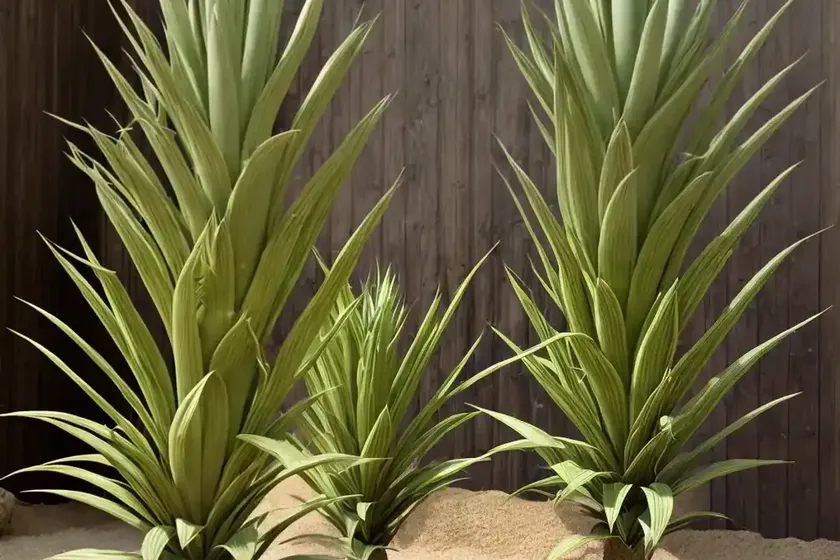
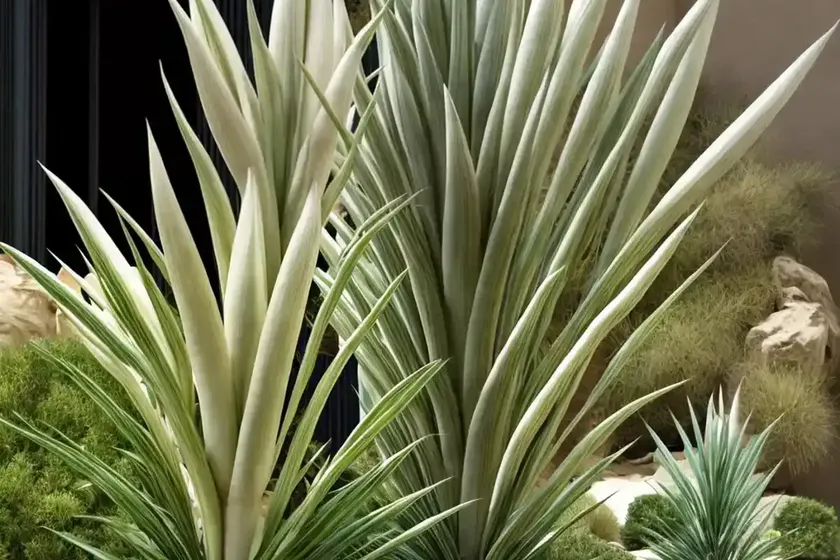
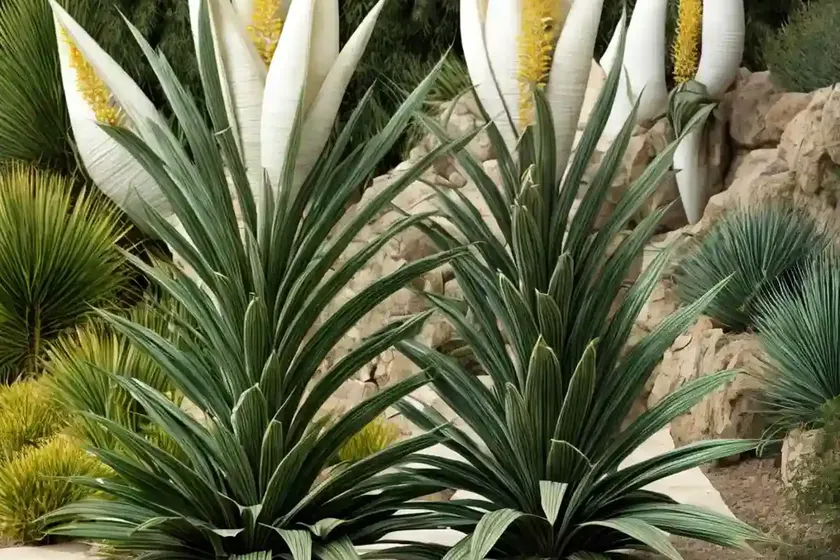
Yucca rostrata, commonly known as Beaked Yucca, is a stunning plant that adds a dramatic and architectural element to any garden or landscape. This striking plant is native to the Chihuahuan desert in Mexico and southwestern Texas and belongs to the Asparagaceae family. Its striking resemblance to a burst of fireworks makes it a popular choice for xeriscaping and water-wise gardens.
In this comprehensive guide, we will delve into the cultural aspects, uses, care requirements, propagation methods, and much more for Yucca rostrata. Whether you’re already a proud owner of this plant or considering adding it to your collection, this guide is your ultimate resource for everything related to Beaked Yucca.
Key Takeaways – Yucca rostrata (Beaked Yucca)
Before we dive into the intricate details of Beaked Yucca care, let’s start with an overview of the key takeaways encompassing its cultural uses, water, sunlight, fertilizer, soil preferences, pruning, propagation, and container considerations.
- Culture
- Yucca rostrata is known for its ability to thrive in arid and dry climates, making it a great choice for xeriscaping and water-wise landscaping.
-
It is prized for its striking architectural form and the dramatic presence it adds to garden designs.
-
Uses
- Ideal for xeriscaping, rock gardens, and Mediterranean-style landscapes.
-
Often used as a focal point in garden designs due to its unique appearance.
-
Water
- Drought-tolerant once established, requiring minimal watering in well-draining soil.
-
Thrives in dry conditions, making it an excellent choice for regions with water scarcity.
-
Sunlight
- Prefers full sun to partial shade, thriving in bright and sunny locations.
-
Requires a minimum of 6-8 hours of sunlight per day for optimal growth and health.
-
Fertilizer
- Requires minimal fertilization, as it has adapted to nutrient-poor soils.
-
Use a balanced, low-nitrogen fertilizer sparingly during the growing season.
-
Soil
- Well-draining soil is essential to prevent waterlogging and root rot.
-
Thrives in poor, sandy, or gravelly soil, typical of desert environments.
-
Pruning
-
Minimal pruning requirements, primarily for the removal of dead or damaged leaves.
-
Propagation
- Propagate through division, offsets, or seeds.
-
Can be propagated from stem cuttings, but this method is less common.
-
Container
- Suitable for container cultivation, provided the container has excellent drainage.
Yucca rostrata Care
Water
Watering Requirements
Yucca rostrata is renowned for its exceptional drought resistance once established. However, it’s important to provide adequate water during the initial establishment period and in extreme drought conditions. Here are some essential considerations regarding watering the Beaked Yucca:
- Establishment Phase:
- During the first summer after planting, water the Yucca rostrata every 7-10 days in the absence of rainfall to help the plant develop a strong root system.
-
Once established, reduce watering frequency, as this species is adapted to survive on minimal moisture.
-
Watering Frequency:
-
In well-draining soil, water the plant deeply every 2-3 weeks during the growing season or when the top 2-3 inches of soil have dried out.
-
Avoid Overwatering:
-
Overwatering can lead to root rot and other fungal diseases, so it’s crucial to allow the soil to dry out between waterings, especially in cool and wet conditions.
-
Rainfall Considerations:
- Yucca rostrata can often rely solely on natural rainfall in its native habitat. However, in regions with inconsistent or insufficient rainfall, supplemental watering may be beneficial.
Sunlight
Sunlight Requirements
Proper sunlight is crucial for the healthy growth and development of Yucca rostrata. This plant thrives in bright, sunny conditions and can withstand the intense heat typically found in desert environments. Here’s what you need to know about providing the right amount of sunlight for your Beaked Yucca:
- Full Sun Exposure:
- Yucca rostrata prefers full sun and should be planted in a location that receives at least 6-8 hours of direct sunlight per day.
-
In regions with extremely hot temperatures, partial shade during the hottest part of the day can be beneficial, especially for young plants.
-
Indoor Cultivation:
-
When grown indoors, place the Yucca rostrata in a bright, sunny spot near a south-facing window to ensure it receives sufficient light.
-
Sunlight Adaptability:
- This plant is highly adaptable to intense sunlight and is well-suited to regions with harsh, arid climates.
Fertilizer
Fertilizing Yucca rostrata
Yucca rostrata has evolved to thrive in nutrient-poor soils, making it a low-maintenance plant in terms of fertilizer requirements. Here’s a brief overview of fertilizing this stunning species:
- Minimal Fertilization:
-
Yucca rostrata typically requires minimal fertilization, especially when grown in sandy or gravelly soil with low organic matter.
-
Balanced Fertilizer:
- Use a balanced, low-nitrogen fertilizer sparingly, applying it once in early spring before the growing season begins.
-
Look for a fertilizer with an N-P-K ratio of 10-10-10 or similar, and dilute it to half or quarter strength to avoid overfeeding.
-
Avoid Excessive Nitrogen:
- High nitrogen levels can lead to excessive foliage growth at the expense of overall plant health, so it’s crucial to use a balanced fertilizer with a moderate nitrogen content.
Soil
Soil Preferences for Yucca rostrata
Choosing the right soil type is crucial for the health and vitality of Yucca rostrata. This plant has specific soil preferences that reflect its native desert habitat. Here’s what you need to know about the ideal soil conditions for Beaked Yucca:
- Well-draining Soil:
- Yucca rostrata thrives in well-draining soil and is highly intolerant of waterlogged conditions.
-
Choose a soil mix that provides excellent drainage, such as a sandy or gravelly soil type.
-
Soil Composition:
-
Sandy and rocky soils closely resemble the natural habitat of Yucca rostrata and are ideal for promoting the plant’s health and growth.
-
Avoid Heavy Clay Soils:
- Heavy clay soils retain excess moisture and can cause root rot, making them unsuitable for Yucca rostrata cultivation.
Pruning
Pruning Guidelines
Yucca rostrata typically requires minimal pruning, primarily for the removal of dead or damaged leaves. Here are some essential pruning guidelines for maintaining the health and aesthetics of your Beaked Yucca:
- Pruning Dead Leaves:
- Regularly inspect the plant for dead or yellowing leaves and remove them at the base using sharp, sanitized pruning shears.
-
This helps maintain the plant’s overall appearance and prevents the spread of diseases.
-
Pruning Flower Stalks:
-
After the flowering season, you can prune the spent flower stalks to promote tidiness and encourage the plant to focus its energy on new growth.
-
Minimal Intervention:
- Avoid excessive pruning, as Yucca rostrata naturally develops a symmetrical and aesthetically pleasing form with minimal intervention.
Propagation
Propagation Methods for Yucca rostrata
Propagation is the process of creating new plants from existing specimens, and Yucca rostrata can be propagated through various methods, including division, offsets, and seeds. Here’s an overview of the propagation techniques suitable for Beaked Yucca:
- Division:
- Divide mature Yucca rostrata plants by carefully separating the offsets or pups from the parent plant, ensuring that each division has a portion of the root system attached.
-
Plant the divisions in well-draining soil and provide appropriate care to support their establishment.
-
Offsets:
-
When the plant produces offsets or pups around its base, they can be carefully detached and replanted to create new individual plants.
-
Seeds:
-
Yucca rostrata can be propagated from seeds, although this method requires patience and may take several years for the plants to reach maturity.
-
Stem Cuttings:
- While less common, Yucca rostrata can also be propagated from stem cuttings, although this method is typically reserved for propagating specific cultivars or varieties.
Container Cultivation
Yucca rostrata is well-suited for container cultivation, provided certain considerations are taken into account. Cultivating Beaked Yucca in containers allows individuals with limited garden space or those living in colder climates to enjoy the unique beauty of this plant. Here’s what you need to know about growing Yucca rostrata in containers:
- Container Size:
- Choose a large container with adequate drainage holes to accommodate the substantial root system of Yucca rostrata.
-
The container should be at least 18-24 inches in diameter to provide ample space for root growth.
-
Drainage:
-
Ensure the container has excellent drainage to prevent waterlogging, as excess moisture can lead to root rot and other diseases.
-
Soil Mix:
-
Use a well-draining soil mix formulated for cacti and succulents, or create a custom mix using sand, perlite, and a minimal amount of organic matter.
-
Sunlight:
-
Place the container in a location that receives at least 6-8 hours of direct sunlight per day to promote healthy growth and flowering.
-
Potted Specimen:
- Yucca rostrata makes a stunning potted specimen, adding a touch of desert elegance to patios, balconies, and indoor spaces with ample light.
Popularity of Yucca rostrata
Yucca rostrata, or Beaked Yucca, has gained widespread popularity in the gardening and landscaping community for several compelling reasons. Let’s explore the factors that contribute to the popularity of this striking plant:
- Architectural Beauty:
-
The unusual and striking appearance of Yucca rostrata makes it a sought-after choice for adding a sculptural and architectural element to garden designs.
-
Low Maintenance:
-
As a drought-tolerant and low-maintenance plant, Yucca rostrata appeals to individuals seeking resilient and easy-to-care-for additions to their landscapes.
-
Xeriscaping:
-
With the increasing interest in water-wise gardening practices, Yucca rostrata has become a preferred choice for xeriscaping and dry garden designs.
-
Adaptability:
-
Its adaptability to a wide range of climates, from arid deserts to Mediterranean-style environments, makes Yucca rostrata a versatile and popular plant choice.
-
Unique Specimen:
- As a standalone specimen or when planted in groups, Yucca rostrata creates a visually captivating focal point in a garden setting, attracting admirers and enthusiasts.
Common Diseases and Pests
Disease Diagnosis for Yucca rostrata
While Yucca rostrata is generally resistant to most diseases, it can occasionally experience issues related to environmental stressors or poor cultural practices. Understanding the common diseases and their symptoms is essential for maintaining the plant’s health. Here are some insights into potential diseases affecting Beaked Yucca:
- Root Rot:
-
Soggy or waterlogged soil can lead to root rot in Yucca rostrata, causing the plant to wilt, exhibit yellowing leaves, and display overall poor health. To prevent this, ensure the soil has excellent drainage and avoid overwatering.
-
Leaf Spot:
-
Fungal leaf spot may occur in overly moist conditions, causing dark-colored spots or lesions on the leaves. To manage this issue, improve air circulation, and avoid overhead watering.
-
Crown Rot:
- Excessive moisture or poor drainage can lead to crown rot, which manifests as mushy or discolored growth points. Resolving this issue involves improving soil drainage and reducing watering frequency.
Common Pests
Yucca rostrata is relatively resistant to pests, but it can occasionally encounter infestations by certain insects. Identifying and addressing pest issues promptly is crucial for safeguarding the plant’s vitality. Here are some common pests that may affect Beaked Yucca:
- Yucca Moth:
-
The Yucca Moth is a natural pollinator of Yucca species but can occasionally lay eggs in the flowers, leading to damaged seeds or pods. This interaction generally remains balanced and does not cause substantial harm to the plants.
-
Scale Insects:
-
Scale insects may occasionally infest the leaves or stems of Yucca rostrata, appearing as small, immobile bumps. They can be managed through physical removal or horticultural oils.
-
Aphids:
- Aphids may target the tender new growth of Yucca rostrata, causing distortion and discoloration of the leaves. Regular monitoring and the introduction of natural predators can help manage aphid populations.
Botanist’s Tips for Yucca rostrata Care
To ensure the successful cultivation and care of Yucca rostrata, it’s essential to consider the following tips from botanists and horticultural experts:
- Well-draining Soil:
-
Prioritize the use of well-draining soil to prevent waterlogging and maintain optimal root health.
-
Avoid Overwatering:
-
Err on the side of underwatering rather than overwatering, as Yucca rostrata is highly intolerant of excessive moisture.
-
Sunlight Exposure:
-
Provide ample sunlight to promote strong growth and the development of the plant’s characteristic rosette form.
-
Minimal Fertilization:
-
Refrain from excessive fertilization, as Yucca rostrata naturally thrives in low-nutrient environments.
-
Pest Monitoring:
- Regularly inspect the plant for signs of pests and promptly address any infestations to prevent undue stress on the plant.
Fun Facts about Yucca rostrata
- Lifespan:
-
Yucca rostrata is a long-lived plant and can persist for several decades, adding enduring beauty to landscapes.
-
Xerophytic Adaptations:
-
This plant exhibits remarkable xerophytic adaptations, allowing it to thrive in arid conditions with minimal water availability.
-
Native Habitat:
-
Yucca rostrata is indigenous to the Chihuahuan desert in Mexico and southwestern Texas, where it has evolved to withstand the challenges of its harsh environment.
-
Ornamental Value:
- Beyond its resilience, Beaked Yucca is prized for its ornamental value and ability to punctuate garden designs with its striking presence.
Links to External Resources
To deepen your knowledge and gather additional insights into the care and cultivation of Yucca rostrata, consider exploring the following external resources:
In conclusion, Yucca rostrata, or Beaked Yucca, is a remarkable plant that embodies resilience, beauty, and adaptability. By understanding its specific cultural needs, embracing its low-maintenance nature, and utilizing the insights provided in this comprehensive guide, you can cultivate and enjoy the exceptional qualities of Yucca rostrata in your own garden or landscape.
Remember, successful plant care involves a balance of natural conditions, thoughtful maintenance, and an appreciation for the inherent qualities that make each plant species unique. Whether you’re drawn to the architectural allure of Beaked Yucca or intrigued by its ability to thrive in challenging environments, this plant is a testament to nature’s capacity for creating enduring and captivating botanical marvels.
An elegant potted Yucca rostrata adds a touch of desert elegance to any space.