yellowroot (Xanthorhiza simplicissima): A Comprehensive Guide to Cultivation, Uses, and Care
Plants have been an integral part of human life for centuries, providing food, medicine, and aesthetic beauty. One such plant that has been valued for its medicinal properties and cultural significance is the yellowroot (Xanthorhiza simplicissima). This perennial plant, native to eastern North America, has been traditionally used by indigenous communities and has gained attention for its potential health benefits. In this comprehensive guide, we will explore the botanical features, cultivation practices, uses, and care tips for yellowroot, shedding light on its rich heritage and potential in modern herbal medicine.
What is yellowroot (Xanthorhiza simplicissima)?
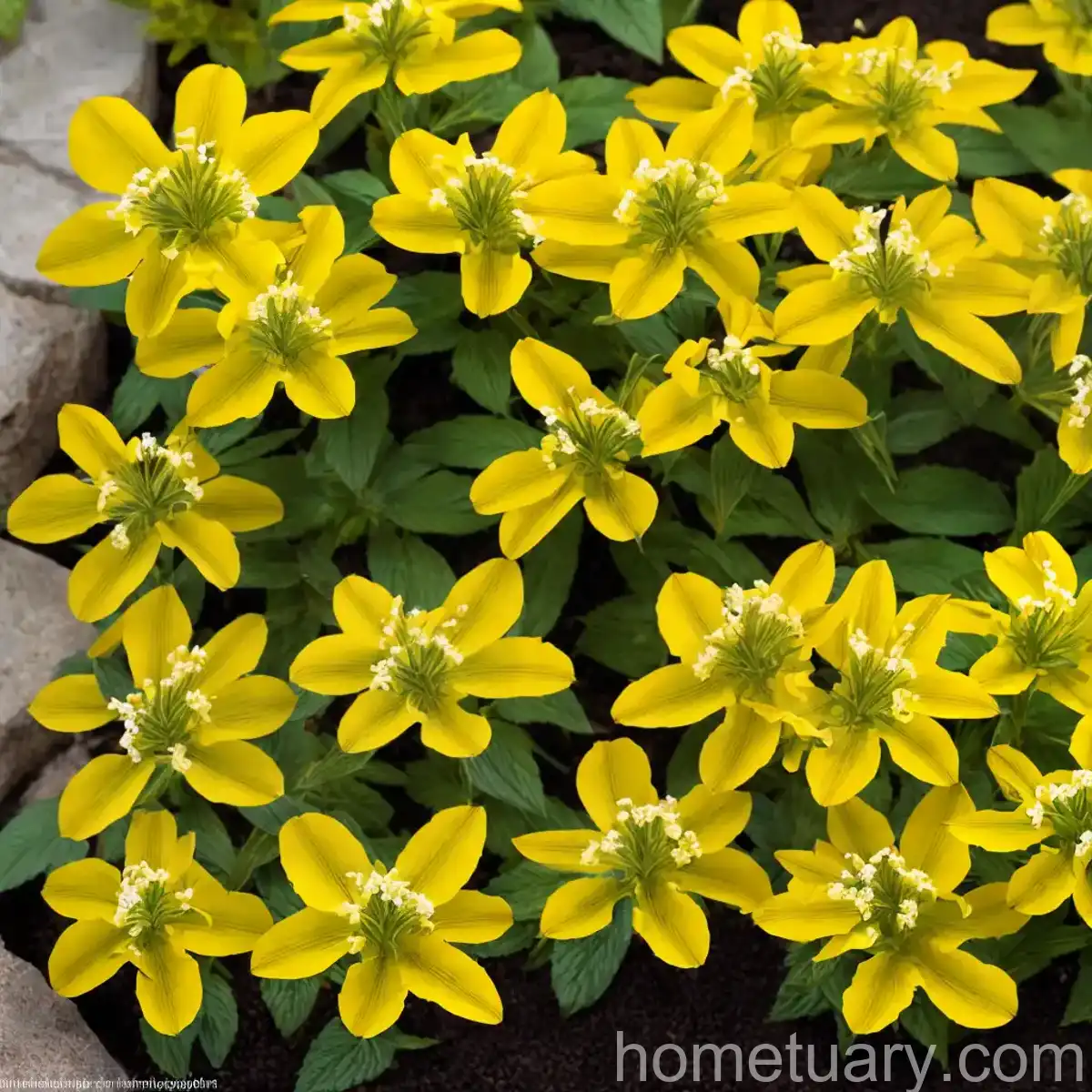
Yellowroot, scientifically known as Xanthorhiza simplicissima, is a small deciduous shrub belonging to the Ranunculaceae family. It is native to the eastern United States, primarily found in regions such as Virginia, West Virginia, and Georgia. This plant is characterized by its slender, branching stems and bright yellow, tubular flowers that bloom in early spring. The leaves of yellowroot are compound and palmately lobed, giving it a distinctive appearance within its natural habitat.
Known by various names including southern yellowroot and yellowroot shrub, this plant has been valued for its extensive root system, which contains compounds believed to offer medicinal benefits. The traditional uses of yellowroot as a natural remedy have been passed down through generations, and its cultural significance continues to be recognized in various indigenous communities.
Key Takeaways – yellowroot (Xanthorhiza simplicissima)
Before delving into the various aspects of yellowroot cultivation, uses, and care, let’s explore the key takeaways that encompass its significance:
-
Medicinal Properties: Yellowroot is renowned for its potential medicinal properties, with its root containing bioactive compounds that are traditionally used for digestive health, immune support, inflammation, respiratory health, and more.
-
Cultural Significance: The plant holds cultural significance in native American folklore and has been an integral part of traditional herbal remedies for centuries.
-
Botanical Features: Characterized by its slender stems, palmately lobed leaves, and yellow tubular flowers, the botanical features of yellowroot make it a distinctive addition to natural landscapes.
-
Native Habitat: Yellowroot is naturally found in the eastern United States, thriving in moist woodlands and along streams, contributing to the biodiversity of its native habitat.
Now, let’s embark on an in-depth exploration of yellowroot, uncovering its uses, cultivation practices, and essential care guidelines.
Cultivation
Cultivating yellowroot provides an opportunity to engage with its rich botanical heritage while fostering its growth in diverse settings. Whether you are an avid gardener or a herbal enthusiast, understanding the ideal conditions for yellowroot cultivation is essential for its successful growth and development.
Water
Yellowroot thrives in moist, well-draining soil, making regular watering a crucial aspect of its care. When establishing yellowroot in a garden or landscape, it is important to ensure consistent moisture levels, especially during the initial stages of growth. However, it is equally important to prevent waterlogging, as excessively wet conditions can lead to root rot and other detrimental effects on the plant’s health.
Sunlight
For optimal growth and flowering, yellowroot benefits from partial shade to full shade conditions. In its natural habitat, it is commonly found in woodlands where dappled sunlight filters through the canopy. When cultivating yellowroot, it is essential to provide it with an environment that mimics these natural light conditions, ensuring that it thrives without being exposed to intense, direct sunlight.
Fertilizer
Yellowroot generally does not require heavy fertilization, especially when grown in rich, organic soils. However, if the soil is deficient in nutrients, a balanced, organic fertilizer can be applied in spring to support the plant’s growth. It is recommended to avoid excessive fertilization, as this can lead to excessive vegetative growth at the expense of flowering and root development.
Soil
The ideal soil for yellowroot cultivation is rich, moist, and well-draining. It thrives in slightly acidic to neutral soil pH, typically ranging from 5.5 to 7.0. The addition of organic matter such as compost can enhance soil fertility and structure, providing an optimal growing medium for yellowroot to establish its extensive root system.
Pruning
Pruning plays a vital role in shaping the growth and appearance of yellowroot, especially when grown as a landscape plant. While yellowroot generally has a naturally attractive growth habit, periodic pruning can help maintain its form and promote airflow within its foliage. Dead or damaged stems should be pruned to improve overall plant health, and any unruly growth can be selectively trimmed to maintain the desired shape and size.
Propagation
Propagating yellowroot can be achieved through various methods, including division, stem cuttings, and seed propagation. Here are some essential tips for propagating yellowroot:
-
Division: When dividing yellowroot, it is best done in early spring before new growth emerges. The root clumps can be carefully separated, ensuring that each division has sufficient roots to support its growth.
-
Stem Cuttings: Stem cuttings can be taken from healthy, established plants and rooted in a well-draining medium. These cuttings should be kept consistently moist until roots develop, after which they can be transplanted into the desired growing site.
-
Seed Propagation: Yellowroot seeds can be collected from mature seed capsules and sown in a seed-starting mix. While germination may take time, providing a controlled environment with consistent moisture and warmth can enhance the success of seed propagation.
Container Popularity
Yellowroot’s unique cultural and medicinal significance has contributed to its popularity as a container plant. When cultivated in containers, yellowroot can be placed on patios, decks, or outdoor living spaces, providing an opportunity to showcase its distinct foliage and vibrant yellow flowers. Container-grown yellowroot also allows for greater control over soil conditions and can be an appealing addition to herb or medicinal plant gardens.
Container Care
When growing yellowroot in containers, it is important to provide the right growing conditions to ensure its health and vitality. Here are essential care guidelines for container-grown yellowroot:
-
Container Size: Select a container that provides ample room for the development of yellowroot’s extensive root system. A container with adequate drainage holes is essential to prevent waterlogging.
-
Soil: Use a well-draining potting mix enriched with organic matter to provide the necessary nutrients and moisture retention for the plant.
-
Watering: Container-grown yellowroot may require more frequent watering, especially during hot, dry periods. However, it is crucial to avoid overwatering, as this can lead to root suffocation and other detrimental effects.
-
Sunlight: Place the container in a location that offers partial to full shade, ensuring that the plant receives the appropriate light levels for healthy growth and flowering.
-
Fertilization: Apply a balanced, slow-release fertilizer in spring to support the growth of container-grown yellowroot. It is important to follow the manufacturer’s recommendations regarding application rates and frequency.
Common Diseases
While yellowroot is relatively resilient, it can be susceptible to certain diseases and issues that can impact its overall health. Understanding the common diseases and potential preventive measures is essential for maintaining the vigor of yellowroot plants.
Disease Diagnosis
Some common diseases that may affect yellowroot include:
-
Root Rot: Excessive soil moisture or poor drainage can lead to root rot in yellowroot plants, causing wilting, yellowing foliage, and stunted growth. Diagnosing root rot involves inspecting the root system for signs of decay and implementing corrective measures to improve soil drainage.
-
Powdery Mildew: This fungal disease can affect the foliage of yellowroot, appearing as white, powdery patches on the leaves. Adequate air circulation and the use of fungicidal treatments can help manage powdery mildew on yellowroot plants.
-
Leaf Spot: Leaf spot diseases can manifest as discolored spots or lesions on the foliage, leading to leaf yellowing and premature defoliation. Proper sanitation and the removal of affected plant material can aid in managing leaf spot diseases.
Common Pests
Yellowroot may also be susceptible to certain pests that can impact its growth and overall health. Some common pests that may affect yellowroot include aphids, spider mites, and scale insects. Regular monitoring and the use of horticultural oils or insecticidal treatments can help manage pest infestations while minimizing the impact on the plant.
Botanist’s Tips
As a plant scientist, I offer these additional tips for the successful cultivation and care of yellowroot:
-
Native Habitat Reflection: When cultivating yellowroot, consider replicating its native woodland habitat by providing moist, well-draining soil and partial to full shade conditions. This can help optimize its growth and overall health.
-
Moderate Fertilization: While yellowroot does benefit from some fertilization, it is important to avoid excessive applications, as this can lead to overly lush foliage at the expense of root and flower development.
-
Pruning Considerations: When pruning yellowroot, prioritize the removal of dead or damaged stems to encourage healthy growth. Additionally, selective pruning can help maintain its natural form and aesthetic appeal.
-
Consistent Monitoring: Regularly monitor yellowroot plants for signs of diseases, pests, and environmental stress. Timely intervention can help mitigate potential issues and promote the plant’s longevity.
Fun Facts
To further appreciate the uniqueness of yellowroot, here are some fun facts about this revered plant:
-
In traditional herbal medicine, yellowroot has been used as a natural remedy for a range of health conditions, including digestive ailments, sore throats, and skin irritations.
-
The roots of yellowroot were historically used as a natural dye by indigenous communities, imparting a vibrant yellow color to textiles and other materials.
-
Yellowroot has been a subject of folklore and cultural significance in native American traditions, symbolizing resilience and natural vitality.
-
The presence of bioactive compounds in yellowroot has sparked interest in its potential applications for modern herbal remedies and medicinal formulations.
Links to External Resources
For those interested in delving deeper into the world of yellowroot, here are some valuable external resources that provide additional insights and information:
- Plant Native Database: Xanthorhiza simplicissima
- USDA Plants Database: Xanthorhiza simplicissima
- The Herb Society of America: Yellowroot
By exploring these resources, enthusiasts and researchers can gain a deeper understanding of yellowroot’s botanical characteristics, historical uses, and contemporary relevance in herbal medicine.
In conclusion, yellowroot (Xanthorhiza simplicissima) stands as a captivating plant with a rich cultural and medicinal heritage, offering a blend of traditional wisdom and modern potential. From its esteemed role in native American folklore to its potential applications as a natural remedy, yellowroot continues to intrigue botanists, herbalists, and plant enthusiasts alike. By fostering an appreciation for its botanical features, cultivation practices, and uses, we can celebrate the enduring legacy of this remarkable plant and its contributions to the world of natural remedies and native plant biodiversity.